Care For The Caring

“Hey, Mom, I am leaving for college… So don’t wait for Dinner, and I got extra classes after college.”

Mom: Wait! Have your breakfast and carry some lunch with you… wait…listen…

BYE, MOM. 

Door SLAM SHUT!

We all have had this conversation at some point in life, in one form or another. With spouse, father, mother, friends …someone. What’s the issue here? I will tell you. Let’s first see another instance…

Doctor: Your Father has severe dementia from Alzheimer’s. He may not be able to eat or bathe by himself. And in the last stages, it may get worse. See if you want to admit him to a Nursing Facility.

Family member: Oh dear. He should feel better at home. 

The point here is ‘Care’!

From general everyday things and access to healthy food to special care during illness or recovery, care is required at every stage. It is as essential as the curative treatment itself, and sometimes more. Imagine even going for a minor surgery without anyone giving you post-operative care. Even the thought is a bit unsettling.
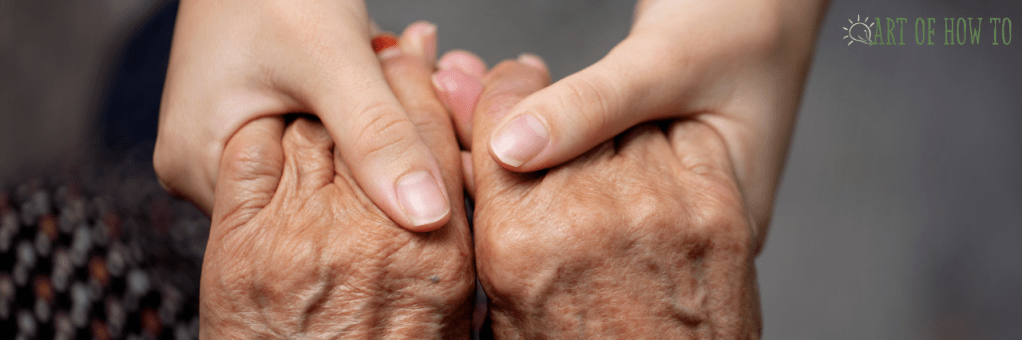
Care Is Important.

With the recent pandemic hitting us, everything we knew, owned, or believed was tested. Our jobs, careers, relationships, finances, life plans…everything went for a toss. It was like a ‘Surprise Test’ doled out to us out of nowhere! No one was prepared for it, had ever experienced something like this before, and no one knew what it had in store for us. No one even knew whether we would survive this and meet our beloveds at the other end. But it gave us our biggest Lesson so far – ‘We only have each other to count on!’  

The Covid pandemic taught us the importance of ‘Care’ in a big way. Not just during the illness but also something as mundane as someone asking if you are okay and if you had your meal on time – this is what each one craved during this time. Anyone who had someone to care for them emotionally, physically, or financially felt blessed. We had our houses, belongings, savings, cars, and everything intact. But we still felt empty and longing for basics like food, medicines, fresh air, and, most importantly – Connections! We craved friends and family. We longed for ‘CARE.’

Entitlement To Care!

Although Covid did teach us what is essential and what we shouldn’t take for granted, some of us never quite learn our lessons.

‘Care’ is one thing many of us take for granted. But, not just taken for granted, we think we are ‘Entitled’ to it! Whether it is our parents caring for us in different ways, our spouse, friends, roommates, or just about anyone. We do not view it as something we are ‘blessed with’ but rather as ‘entitled to!’ My mom cares for me because she is supposed to, right? But, we think they care because ‘they ought to!’ that’s their job. WRONG!

They care because we mean something to them. Because they hold us in their hearts. Because their heart aches to see us in distress. This is precious, as you cannot create or summon these feelings in anyone. Nor can you ‘try’ to care for someone you naturally don’t like. This should be held close to the heart and valued highly if someone is genuinely concerned for you. The irony, however, is that a person who cares does not get any reciprocation of love, or even if they do, it’s far less than what they deserve. This is because we need to value love and Care more. At least not until it’s lost!
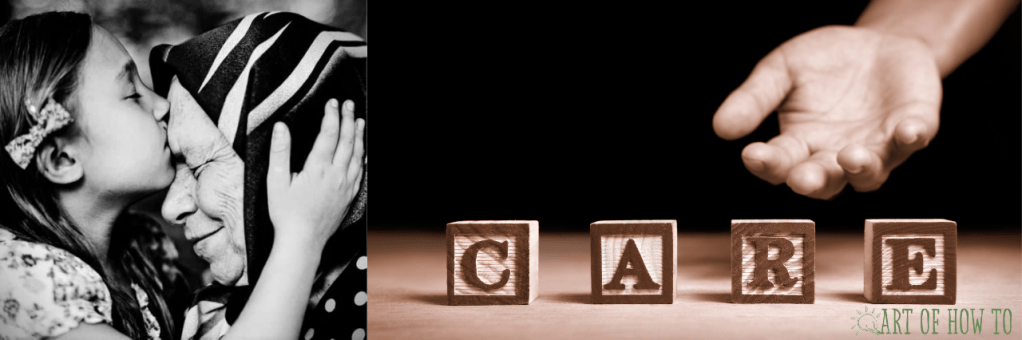
Care is COSTLY.

One hypothesis on why we don’t value care and concern is that these are abstract feelings. And we always need to understand its value because we cannot measure it in actual monetary terms. If we could put a price tag on the abstract, would we ever appreciate its value? Have you ever ‘paid’ for help and care? If you had, you would have understood that care is precious and very COSTLY!

Try hiring external help – Palliative care, Hospice care, Geriatric Care, pediatric Care, or even Nursing home costs – all come for a considerable price. The care you would otherwise get from your loved ones costs you a bomb if you set out to buy it. Will you believe me if I say I can charge you $100* a day for just giving you a day off from caring for an elderly/terminally ill patient? (Respite care). Or can I charge you $193* per day if you are about to die in 2 months? (Hospice care). (*Data from Discovery Commons and debt.org)

Believe me when I say ‘Care’ comes at a Price!

Care is Concern & Love in its purest form!

Yes, concern and love in their purest form pour out in the form of care in everyday life. It may not sound like ‘I LOVE YOU’ and ‘I CARE FOR YOU’ but rather ‘did you have your lunch?’ or ‘how was your day at work?’ Remember what Piglet from Winnie the Pooh says…

Piglet: “Pooh!”

Pooh “Yes, Piglet?”

Piglet: “Nothing,” taking Pooh’s paw. “I just wanted to be sure of you.”

Be grateful while it lasts.

Nothing remains permanent, and nothing makes us ‘entitled’ to any care we receive. So if anyone cares for you, in whatever way, the least you can do is view it gratefully and reciprocate gracefully! 

Care for the ‘Caring’ – they are a scarce breed; be gracefully grateful while it lasts…for you!

Follow Veena Gupta

Building Confidence In Kids


Attention Parents.!!! Does the question “How to create confidence in my child?” worry you? Let me tell you the steps to be taken if it does bother you. Building confidence in children helps them to feel good about themselves, make friends, focus on their strengths, take on harsh criticism, and more. Children with healthy self-esteem will flourish. I would like you to read that again and add the word my child at the beginning. ‘My child with healthy self-esteem will flourish.’ Confidence and self-esteem in children sprout from what we, as their parents or caregivers or guardians, nurture them with.

Today’s children are pushed to develop complex life skills very young. However, please note all the intellectual abilities in the world are of little to no value without the self-esteem or confidence to put them to good use. Therefore, as parents, guardians, or guides, we must prioritize building healthy self-esteem and confidence. Nurturing and reinforcing confidence and self-esteem in our children evolves as our daily tasks. Our children or ward’s futures depend on it.

First, we must recognize that thoughts and beliefs affect our self-esteem. Experiences reinforce the positive or negative impact. This allows you to change the way you see or portray yourself. This will help you understand your value as a person. So as your self-esteem increases, so do your confidence, which directly impacts your sense of well-being!

Here are a few tips to help you support your kid’s journey to confidence and self-esteem.

1. Modelling confidence in kids and yourself

Allow the child to confide in you. Be their trust ambassador. Keep encouraging them and tell them they have a tower of refuge in you. Make sure you are there for them in all situations and circumstances. Being available is paramount. As an adult, your insecurities or confidence will transfer to your child as quickly as breathing. Children are like sponges. They absorb anything and everything their little eyes see, ears hear, or mind conceives. So, for instance, simple habits like nail biting can be transferred unknowingly to a child. 

2. It’s ok for kids to make mistakes.

If you are not making mistakes, you are not doing it right. You have to agree that this is a clear point. Everyone will make mistakes, and everyone should learn from them. Since we all know that we are human, we should also agree that we are bound to make mistakes. What is important is how we teach our children to react to making these mistakes. Take it too seriously, and we have a problem. Taking it too light and we still have a problem. Create a safe space and no judgemental environment. Most importantly, never compare kids to any other kid. 

3. Give them a chance to try their hands at new things.

Kids learn things so fast it will surprise you. For example, I read somewhere that speaking to your child in two languages helps them build not just their love for languages but also helps improve their IQs. Also, children love to learn things that allow them to explore and develop:

  1. Hint puzzles and building block games like lego, duple, etc.
  2. If your kid requests an instrument, allow them to explore their interest. This will enable them to take it up as a hobby and not a profession.
  3. Help them find their passion.

It will go a long way in letting them gain confidence in themselves.

4. Please remember to let kids be kids.

A little fun and tons of encouragement for them to let their hair down and catch a break is the most fantastic feeling a child will experience. It is crucial to allow them to play, waste time, and have time to themselves. It is also essential to keep them from running wild too. However, that said, please let them enjoy their childhood. They will grow up one day. Let them grow up as confident adults as they have you (their most prominent supporters and fans at their side for later in life.)

5. Praise their resilience and any effort they make.

Something that will go a long way in helping your child grow into a confident young adult. In a world that seeks ease and comfort and is becoming lazy. Give your child the much-needed encouragement even if they try more than once to do anything. Failure is never final unless we give up. Think of Edison and his 9,999 attempts to get a light bulb to work. Had he given up, could you imagine what would have happened? I know it’s an exaggeration, but the world would not have been the same. So when kids are determined to do better, give them that support and stand by them. The results might shock you. 

6. Please offer unconditional love and kindness to them.

The world has enough haters and sadists: mean people and those who are bitter. Give your children unconditional love. Shows them immense kindness. Remind them that they are very precious to you. This not only allows them to venture out as confident young people but will also give them a chance or realize home is their haven. Their safe space. Your kindness and unconditional love will help them when they are in a tough spot. Moral support is precious. Give them that always. 

Confidence in children is always built by how we bring them up. Invest the right amount in them, and you will have independent children who thrive in any setting life throws at them. 

Follow Augustus Stanley

Morning Routine

Despite being guilty of terrible morning routines for years together, I have ultimately comprehended the significance of peace, calm, good vibes, determination, and discipline as soon as we wake up.

I have experienced extreme mood swings and irritation early in the morning, regardless of whether or not I slept well during the night. This was only because of what I did instantly after I woke up. I was abysmal in maintaining discipline and routine in my life. I have been too easygoing, and this attitude cost me my physical health and mental shape. And also the days that could have been better and a lot of my potential to do well and be productive.

You would not find this abnormal. We are all guilty of this behaviour. The first item on my list when I opened my eyes was to check my phone. And scan through all the different notifications that had flooded it. It did no good whatsoever! I walked into the loo with my phone and sat for minutes daily. I did not know how time flew by. I checked my emails, messages, social media accounts, news, and whatnot!

All this while, I read articles about how I must not glimpse at my phone as soon as I wake up. And also, the last thing we do before going to sleep must not be to check our phone. Easy to read, so hard to practice! But then, one fine day, I stopped the practice and did something different – I woke up, felt good about the day, said a word of prayer and gratitude, and affirmed being positive and productive. I took each day, one day at a time!


I walked to the loo empty-handed, brushed my teeth, washed my face with cold water, and drank a glass of warm water. I then went to the balcony, watched the day unfold before me, and listened to my love birds chirping and wishing me a good day! Finally, I took a few minutes for myself and recollected everything I was to finish and accomplish that day.

Not looking at my phone did not cost me anything at all. Instead, it helped me prepare myself for the day better. So I decided to make this my daily morning routine.

My newfound routine is highly wholesome and healthy – both physically and mentally. It does all good things to the mind and keeps me away from the screen early in the morning. It keeps me away from the constant competition of social media and the toxic drama of the world. I got some time to infuse positive energy within me to deal with the day.

I encourage each one to try this out. Then, of course, we can always add things like a small workout session, yoga, reading something light like a few pages from a novel, taking a shower, perhaps bathroom singing to let that adrenaline flow, listening to good music, and so on!

With a planned routine, start your day well, spend your day well and end your day well.

Follow Aakanksha Dinah

Mind Your Tongue


We have all heard the famous saying, ‘Manners Maketh Man.’ Sometimes, when someone is conveying the right thing, the way they speak and the tone they use can hurt you so much that you never want to see them, let alone talk to them again. The intent may be right. However, the sarcasm or tone makes it unbearable to listen or speak. So why should we mind our tongue? Our language, vocabulary, and our lingo.

A Russian proverb says, “words, once spat out, cannot be swallowed back.” It simply means watch what you say. Every word has an impact, and that impact has a reaction, good or bad. As children, we have been constantly reminded to say please and thank you. We are also taught to share and care for others. Unfortunately, sometimes this learning goes out the window with time. Not always, but sometimes. There are a hundred reasons why we tend to forget our manners. Maybe we had a bad day, and our boss, colleagues, teacher, spouse, siblings, or parent gave us a good telling-off. Or things did not go the way we wanted them to. Whatever the reason, we have, at some point or another, been mean and unkind with our words or actions and hurt those around us intentionally or by accident. So, how do we keep our cheeky tongue in check!

Here are a few tips to keep in mind when making conversations,
be it at work, with friends, or with family.

1. Take a step back.

When you are upset and just had a bad day. Always take a step back when you are about to go all guns blazing at anyone or everyone who seems to be irking you for no reason. A split-second outburst can cause more damage than a 2-minute break, even in conflict.

2. Have some water. 

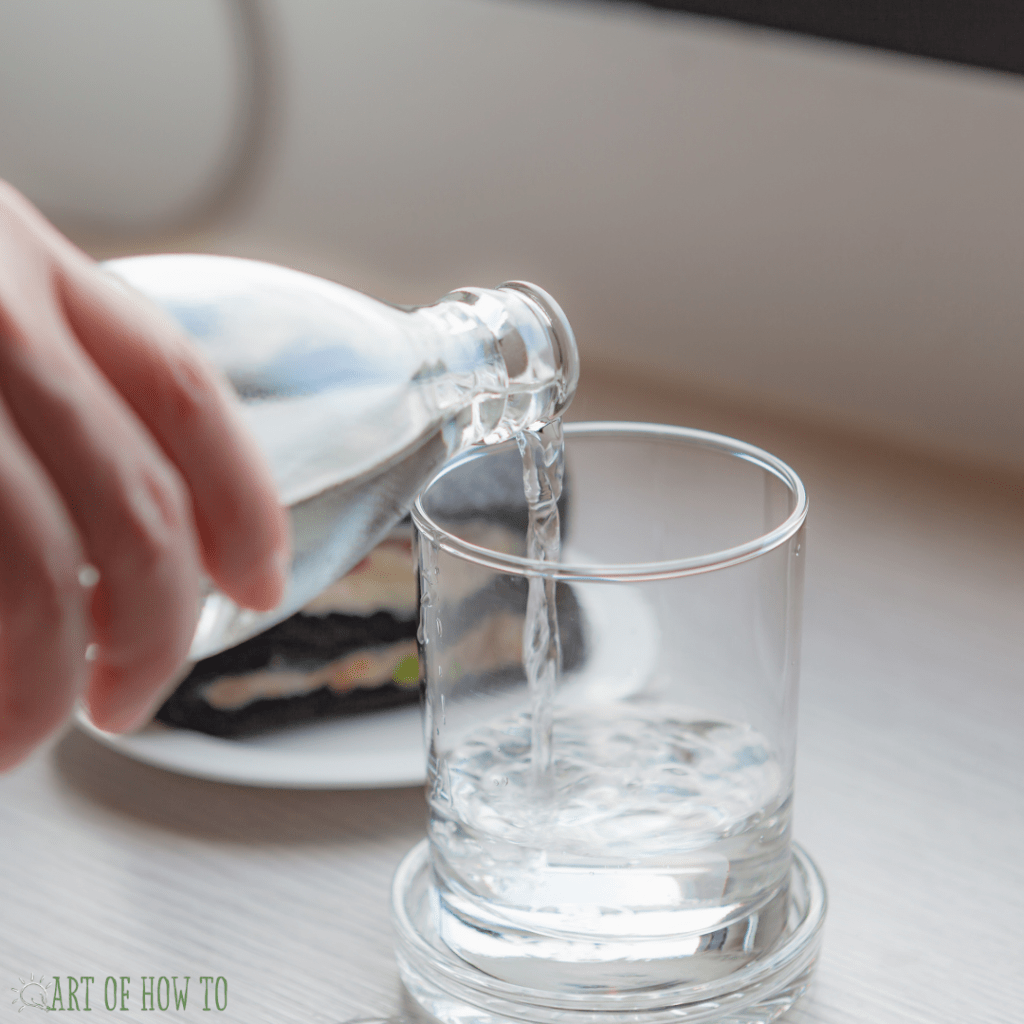
Sipping on water has a few positive effects on our minds and body that go way beyond simple hydration. First, it helps pace a racing heart. It cools the mind, especially when angry. Second, it gives you a break from your thought process and a chance to reflect before you react. It also helps you breathe better by taking a deep, relieving breath as you sip the water.

3. Practice being mindful.

Ever so often, we forget to give any heed to the feelings of others, especially when we are in a rush or upset. Practicing mindfulness helps us show others the respect they need and deserve. It also helps us treat others with the right amount of concern, care, and class. In a world of becoming selfish and disconnected, staying grounded and respectful of others is crucial. They, too, have value and emotions. But, unfortunately, they can get hurt just as quickly as you.

4. Be assertive and not aggressive.

Being assertive is a simple yet less-used skill by many of us. Assertiveness means knowing how to treat others while standing up for your beliefs – giving people the respect they deserve while holding on to your own. Being assertive is also the ability to stand up for others when needed. And also means knowing when to say no. However, there is a clear difference between assertiveness and aggression. And that is a line you need to keep clearly in check. Know when to stand your ground and know when to apologise if you are wrong.

5. Know when and how to thank people.

There is an old practice that has been around for years. When you borrow a friend’s car, always return it filled. As input in a tank full of fuel after using it to say thank you and show that you are not using people without realising they’re worth in your life. Gifting is also an excellent way to appreciate those in your life. Appreciating people, though, does not always mean buying them stuff. It can also mean doing things for them, like mowing the yard of an elderly neighbour, buying their groceries, taking sick neighbours dogs for a walk, and watering someone’s plants when they are out of town.  

6. Never make someone feel bad about themselves.

As kids, we used to tease each other and make fun to the point where sometimes it was cruel. Intentional or not, it hurt our friends or the person we were taunting. Not a good thing to experience. An unkind word can scar for life. A simple comment on someone’s weight, height, body type, and skin tone can seem harmless. But it can damage the person to whom these comments are hurled. 

7. The attitude of being grateful.

Also called the attitude of gratitude, we will not be here forever. If we must leave a legacy, it has to be one of being grateful for all the things we experience. Humility and gratefulness help us teach others how to respond further when they experience something nice. 

Whatever your situation, whatever your circumstances, always remember to be friendly, grateful, humble, and kind. The world has rude, mean, angry, and wretched people. Even when we are hurt or angry, let us be the ones who will make a difference in our lives first by being kind to ourselves and then to others by being humane and humble and mindful and respectful. Let us be trendsetters, valuing others as we do ourselves and making this world better. Our commitment should be to make the world around us meaningful with our attitude and actions. 

Follow Ignatius Deepak Stanley

Cycling On Recycling Path


By now, many of you would have completed all festivities. So let me ask you – what happens before and after a festival? How do you celebrate? Spring cleaning, decorating the house with flowers and festoons, lights lit, prayer rooms set. Let’s not forget the fun and food – playing cards on deck and eating yummy delicious sweets and savouries crafted by your mother or family. Finally, how can we forget the holiday shopping for gifts – for family, friends, and self?

As the holiday season approaches, you begin sorting and clearing undesirable items from the house. In Hindi (Indian language), there is a word called ‘kabaadi‘ (old things like plastic containers, vessels, books, newspapers, clothes, and even appliances). Now a few kabaadiwalas, people who help dispose of kabaadi for us are just a call away. They help a lot in sorting and clearing unwanted stuff too.

Since the digital age set in, websites and apps have been assisting in disposing of or selling used goods (in good and bad condition) at reduced prices or clear them from our premises for free. Unfortunately, things that are in highly damaged condition are discarded in trash bins. And then there is a bag of those things you do not wish to throw (painstakingly bought during an exhibition/sale) but must dispose of. But the good news for folks like me and you who refuse to let go of old things is that you can recycle them too. In India, if desired, we can recycle anything. These days no one is disposing of anything that fast. A path in home deco is in trend. You can evolve into an interior decorator. All you need is a practical aesthetic sense with the right combinations of colour palettes and design intent. Voila! You can revamp your house! “Reduce, Reuse, Recycle & Save” is the mantra these days. We call it “viral” and “trendy” in digital language. 

Recycling is a simple process of altering scrap into reusable material. Simply, it is gathering old things and giving them a new look or repurposing them for other use. It is suitable for accomplishing better environmental goals as well. For instance, recycling non-biodegradable things can be given a new look instead of disposing of them in waste containers. These things will take a million years to break down and decompose into the soil and may even damage the ecosystem if they get absorbed in water or soil. So why not give them a new look? Get creative!

India is a country of innovation. Almost every other house converts old things to new or makes an alternative to old things. Whenever I visit old friends and relatives’ homes during celebrations, I would often admire the décor and interiors. Once during a visit, I adored the curtains in a house. When asked, I was told it was designed by stitching old dupattas(shawls) together to make unique curtains! How simple and how resourceful was that!

Still remember the metallic shoe shelf (made of iron and painted) kept outside my house. A cloth was placed over the rack to shield the metal, stringing old greeting cards and wedding invitation cards (all sent by friends and family members over the years!) like a necklace. Colourful cards transformed the look of a plain-looking stand. We can reuse and recycle clothes, furniture, old photo frames, plastic and glass bottles, vessels in the kitchen, old plant pots, soft toys, and children’s toys. 

These days, mega brands sell recycled products. So look for those, buy recycled products, and collaborate with them to support the cause. Products like shopping bags and handbags made from old pieces of cloth, newspapers turned into table mats, earrings made from old plastic and wooden beads, money pouches and satchels made from old hosiery leggings, fancy paper bags embellished from old gold threads – you name it, and they sell it all!

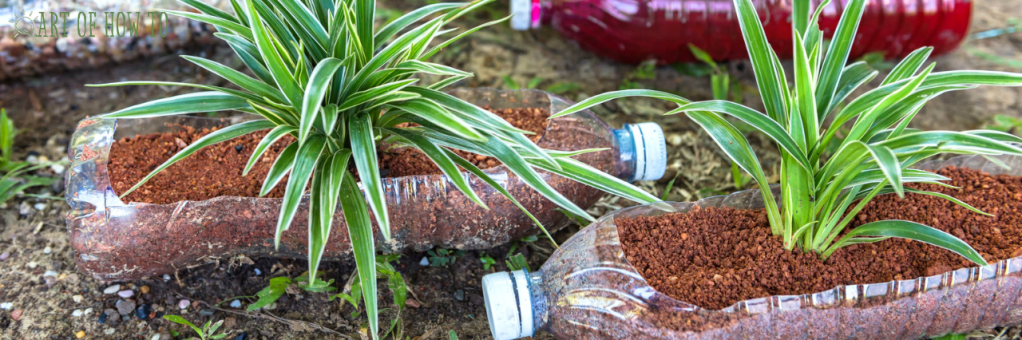
We have to ensure the next generation comprehends to innovate and give a twist to old items. Schools and educational institutions are already doing it with their “Eco Clubs.” Mother Earth has given us so much. Time to give back to her! Non-biodegradable items are a challenge these days, especially e-waste. So why not find a way to give a new face to them? Take plastic pots, paint them and hang them on your balcony or gardens. Broad plastic containers can double up as planters. This will ensure the earth isn’t polluted! Utilize existing items instead of buying more. In this way, you are minimizing personal expenditure too. Try and recycle existing resources, and lower contamination too. Products packaged in recycled boxes also make a difference to the environment. 

Regular cleaning drives will ensure adequate waste segregation in societies. Sorting biodegradable and non-biodegradable waste reduces pollution, landfills, and water bodies. Apartments, offices, and independent houses must participate more actively in waste drives. 

Recycling also ensures that lesser waste is burnt. This means reduced air pollution too. Many people burn waste, thinking it will reduce the garbage around. But it simply adds to breathing and other health issues among people. If people find eco-friendly ways to convert waste or unwanted things at home, it will go a long way in preserving our planet. 

Why not donate old items to recycling centers? Charity begins at home, they say. So why not give away things you don’t need – old toys, clothes, machinery, appliances, and furniture?  

It takes 450 years for plastic to break down. So why wait for the earth to crumple? Instead, let’s take a pledge to detoxify our beloved planet. Instead of throwing plastic into waste bins, why not reuse it to reduce pollution? And why not recycle them for other purposes? 

Follow Priya Rajendran

Loving Vs. Being In Love


Love is a beautiful experience. It might be the most profound and indescribable emotion anyone can ever feel. Yet, even though everyone can sense this sentiment, many cannot distinguish between “loving someone” and “falling in love with someone.”

It’s a widespread misconception that they are the same; the objectives may differ, but the intensity may feel the same. To tell the difference between the two, here are six pointers.

You choose to love someone; being in love is not a decision.

When it comes to loving someone, you are entirely in control. Based on their attributes, you decide whether to put your faith in their skills and morality. You also have the choice to stop loving someone or something and let them go from your life if things don’t work out. It is impossible to say the same if you fall in love with someone. You cannot run away from it because it could happen at any time without prior notice. You can tell you’re in love with someone when that feeling lingers in your mind long after you’ve managed to leave.

Being in love requires putting the other person first and wanting the best for them.

You will always want what is best for someone you love. But does this imply that you are prepared to suffer to support them in achieving their objectives? That question never even occurs to you if you are in love with someone since you would never question it. You would prioritize the individual and go above and beyond to ensure their success. However, it may also refer to making the person’s life simpler. You’ll take steps to reduce the person’s stress, such as taking more turns walking the dog or cooking more frequently.

Being in love comes with a lot of emotions. 

Being in love comes with a lot of highs and lows. The issue is that they do not satisfactorily complement one another. The attachment may endure for some time, but the moment a crisis arises, it may all end. It’s similar to riding a rollercoaster, but the experience eventually ends. However, while in love, you never feel the relationship will end in disaster, regardless of what happens. Because you and your partner are in love, you are confident that you two will find a solution.

Being in love requires balance since loving someone means you need them all the time.

Far or near, you need them. You miss them profoundly and the far they are the near they are. Also, it’s not harmful to always want someone around; it implies you adore and value their company. However, when you are in love with someone, you naturally want to be with them all the time, but you also understand that there needs to be a healthy balance between your time together and their time. You realise that the balance is required because you want them to be content. You know they will return home to you at the end of the day, whether you allow them time to indulge in their hobbies or even go out with friends.

Being in love refers to how you make the other person feel, whereas loving refers to how they make you think.

When it comes to love, this is a typical error that individuals frequently make. In response to the question, “Why do you adore this person?” They often reply, “I like how they make me feel.” That response is acceptable but expresses your love for the person, not your infatuation. True love exists when you care more about your lover’s feelings than yourself. You could say that being selfless and prioritising your lover before yourself is a sign of true love.

Being in love is a partnership, and loving implies ownership.

When you love someone, you want the entire world to know that they belong to you. As a result, you give that person a name and claim ownership over them. It would be best if you reassured you regularly that they are your boyfriend or girlfriend, and you also need them to reassure you regularly that they are yours. Labels like “boyfriend” and “girlfriend” become meaningless when two people deeply fall in love. You both agree that despite being together, you are both unique individuals. Even though you are a couple, you both acknowledge this fact.

Follow Naveeta Shokeen

Rejuvenate Your Mind


Your mind is a reflection of who you are. It acts more like a mirror that shows the person you are from within. Relaxing your mind is as essential as taking rest and giving your physical body a break. 

Taking some time off and rejuvenating yourself, avoiding anything that can cause stress, anxiety, or even the mundane life routine, could help relieve a lot of day-to-day pressure. We are all taking up a lot more than what our minds, brains, and bodies can. We are working longer hours and multitasking like never before, and there is a lot of pressure and competition around us. As a result, screen time is much more than it used to be a few years ago. In addition, there is inflation, economic pressure, lifestyle changes, and a lot more that is going on that can affect us in many different ways. 

Life has become more like a rat race to nowhere! People are all so busy running the race, not understanding that it does not matter who comes first. However, what matters is that half of the people running the race could probably fall sick and tired of the whole thing quickly down the lane. 


To avoid such exhaustion, it is critical to stay put, not forget to enjoy and relish the little things, stay rooted and avoid unnecessary social competition. With the rising use of social media and other social platforms, people constantly need to look, behave and live life a certain way – which is absolutely not required. People must realize that “You do you – I do me. We are all different and unique in our good ways”. 

Take a break, let loose, and go for a holiday. Stay away from screens, practice family dinners and meal times, play with children, read good books, listen to good music, watch inspirational movies, talk to wise people and get motivating ideas to keep going. Providing your mind with the proper measures can go a long way! Be patient with yourself, keep doing what you feel is best for you to heal wholly, and run your race – because it is always you against you and no one else. And remember, at your pace.

Rejuvenate your mind and make peace with what you have achieved. Take pride in yourself and appreciate yourself. Do anything that can give you peace and calm. Be there for you – because no one else understands you as you do…

Follow Aakanksha Dinah 

Depression Is Real

Easier said than done; depression and anxiety are not easy to cope with. Mental health is as significant, if not more, than physical health. Being void of diseases is not what well-being is all about. A person’s complete and wholesome well-being combines physical and mental health, including psychological, financial, spiritual, and social aspects too.

People often misunderstand depression and anxiety. Someone may not continually cry or look upset to be affected by either or both. Someone who appears absolutely “normal” and acceptable in the eyes of others could also be dealing with something within.

Always ensure you check up on friends and family. Not every day is the same. You never know what someone is going through until you fill their shoes or be in their situation.

Offer to help. Offer to talk and offer to listen. Sometimes and phases exist when someone wants another person to listen to them. Letting out what is within and being open about what is going on can, in a way, heal the person.

If someone is not willing to be open and speak up, restrain from going on asking what the problem is. Some people prefer to keep it to themselves, and you must respect their choice. Instead, offer a hot coffee or tea, take them out to get some fresh air, or even watch a movie – perhaps leave them alone if they demand so.

Anything you can do to help someone cope with their mental health will go a long way. Fortunately, many of us seek support and acceptance in this wild world for many reasons. Some seek mental health support for personal causes, and some for professional help. Things that worry someone may not even seem big enough as a reason to fear for you – but for some, it is indeed a difficult situation. Therefore, respect people by not being judgemental, responsible, and assisting in relieving someone of their pain in the best way possible.

Never judge someone who needs your shoulder. Always be there for someone who needs you – you might need someone someday! Depression and anxiety can be very different from what they may seem to you. It is not a small thing or something that can be brushed under the carpet. It is as real as daylight, and the world needs more mindful and understanding people. Now, more than ever.

Follow Aakanksha Dinah

Shefali Shah: Breaking Convention

The essay is about the ‘Journey of a Woman of Substance,’ and I say she deserves a standing ovation. For all her hard-hitting movies and roles, she sure is a woman who inspires and motivates me. After subtly making her way into the ‘World of Indian Cinema,’ she captured hearts with her acting mastery and a genuine sense of satire and humour. In 1993, she debuted in Gujarati Theatre, and her latest role in 2022 was in the Hindi movie Darlings. Let me take this moment to compliment her on completing twenty-nine years in an industry where most people find it hard to stay relevant. Shefali Shah is one of the few women in the Indian Film Industry who stood their ground and played parts that impacted people of all forms and with no gender divide.

The 2022 TV Series, ‘Delhi Crime,’ has added one more feather to her cap. Shefali has always played vital female lead roles that break conventional codes. Those from the 1990s will remember her quite well for her many of her roles. For an outsider like myself, it feels like an exciting journey from stage dramas to TV Series to Cinema. Her roles in these series were outstanding- Ant Vagarni Antakshari, Tara, Doctor Tame Pan, Mano Ya Na Mano, Aarohan, Banegi Apni Baat, Kabhie Kabhie, and Hasratein.

One of her earlier roles was a character named Savi in the 1997 television soap Hasratein. The show concentrates on extramarital relationships at a time in India such topics were dreaded to be spoken about. She played the role of Savi with aplomb. This role brought her into the spotlight for portraying a non-conventional position when women in traditional roles were considered ideals. This show was top-rated because it broke all time-honoured codes of relationships at the time. The same year, she played a lawyer Radha Pathak in Kabhie Kabhie. It was a tale about friendship and the professional feud between two friends in the law fraternity who fall in love with the same man. Oops!

Bollywood became her canvas, where she painted her characters successfully. In 2001, Shefali played a pivotal role in the movie Monsoon Wedding as Ria Verma, an abuse survivor. Ria stays in every one of us; we felt her pain and saw through her agony, helplessness, shame, anger, and every emotion one can fathom. Even after twenty-one years, Ria stays with me. The character Shefali portrayed is unforgettable. Another influential role was Pyari Mhatre in the movie Satya, and she got the Best Actress award in the Critics category of the 44th Filmfare Awards in 1999. Shefali has always been highly selective in choosing her roles and has an extensive filmography in her pot. She has won hearts in each of her roles and parts. 

In the Indian Film Industry, Ageism is obvious. The casting of women half the age of the film’s famous mannish protagonist as their mothers or partners is accepted. For Shefali, age was never a bar to recreating any role. In 2005, she played Amitabh Bachchan’s wife and leading man’s mother in Waqt: A Race Against Time. She proved beyond doubt that if you have passion for the craft, being typecast in a specific role will not affect your career. I am sure she must have worked harder than most not to get stereotyped. 

Her role as Kasturba Gandhi in the 2007 biographical drama Gandhi, My Father won international recognition when she bagged the Best Actress award at the Tokyo International Film Festival. Her next movie in 2007 was opposite Amitabh Bachchan, who plays a veteran theatre artist passionate about Shakespeare in the Last Lear, directed by Rituparno Ghosh. Her film with Rahul Bose, Kuch Luv Jaisa, brought out the mixed elements of a frustrated rich housewife whose birthday is forgotten by her family, yet she decides to celebrate solo. Her understated charm and calmness in every character reveal her subtlety in each role she essays. Her character in the film Lakshmi as a brothel owner struggling to get her daughter educated, is significant, especially as she helps the protagonist to expose the world of child trafficking.

Ensemble dramas usually have diverse characters; standing amidst those characters is no mean feat. For example, the 2015 movie Dil Dhadakne Do had an ensemble cast of all stellar actors. Her role as Neelam Kamal Mehra, the wealthy Socialite, stuck in patriarchal matrimony and a stereotypical business family, brought out the inner conflicts of a woman who wanted to liberate her daughter from her toxic marriage. However, she couldn’t, or wouldn’t, because of the elite societal intimidations and peer pressures. Her characterization was impressive. 

The 2017 short film ‘Juice‘ won the Filmfare Short Film Award for Fiction stays with me, especially Manju’s final stare. The short film attempts to stress the gender roles in our homes and how the route to transforming it does not need to be filled with noisy rallies but straightforward silences as hard and penetrating as Manju’s stare. The film disclosed the misogyny hidden in every nook and corner of the male-dominated society. Shefali won Best Actress in a Short Film.

In 2020, she did two short films, Someday (her maiden directorial venture) and Happy Birthday, Mummyji, a women-oriented movie scripted by Shefali. Shefali’s 2021 crime drama Delhi Crime, directed by Richie Mehta, left a deep impression on the audience as she played the real-life cop DCP Vartika Chaturvedi, who investigates the true story behind the gang rape that shocked the world. The seven-episode drama in the first Season won Best series at the 48th Emmy International Awards and four Asian Creative Awards. In addition, Shefali won the Best Actress award. This drama proved to be a turning point in her career.

In the 2021 Anthology film ‘Ajeeb Dastan‘, Shefali plays Natasha in the fourth film Ankahi. She depicts Natasha as a woman who struggles to keep a truce at home and her misery to let go of an accidental friendship that blooms into love and the betrayal she had to give, all with no words. The power of her eyes and how she communicates with them in a few seconds take your breath away.

Other noteworthy mentions are ‘Human‘, a medical TV Series where she plays a ruthless neurosurgeon, and Shefali as Ruksana in ‘Jalsa‘, a slow-burn, suspense-filled, shocking must-watch. Her latest venture, the dark comedy Darlings, has swept the audience off their feet with the two lead women stealing the limelight as a mother-daughter duo.

Apart from acting, she has an artist in her. Shefali once said, “art has made me content.” She is an artist who plays on canvas with acrylic and ink. Black, red and white are her favourite colours. Do check out her work on Shefali Shah.

Shefali Shah, Actor & Artist in Indian Film, Television, and Theatre, has proven that one can make it big, break conventional codes and shine in an industry riddled with whatnot! So let us wish to see more amazing performances and characters that will inspire and navigate us to be a better version of ourselves through her roles and more and more accolades her way, local, national, and international. Shefali Shah, the sky’s the limit. Keep glowing.

Follow Priya Rajendran

Significance of Me Time

Be yourself for yourself. Sounds great! Yet it may appear to be next to impossible to arrange a time for ourselves in a world that is constantly bustling with activity. There is a never-ending supply of excuses to put off “me” time until the next day, and the narrative does not change when the next day becomes the present. When it comes to practicing self-care and being the best version of yourself, understanding why, how, and when to plan time for yourself is the spark that lights the fire and gets the ball rolling. 

The Miracles of ‘Me’ Time

When developing one’s self-confidence, a lot of stress is placed on the significance of having a positive internal dialogue, but what about the adage that “actions speak louder than words”? The conscious decision to carve out time “only for me” conveys a constructive message to our inner selves through the medium of action. This action sends the statements, “I matter,” “I’m worth it,” and “I am a priority,” all at the same time. When we allow ourselves permission to have time for “me,” we offer ourselves the room to explore new interests, discover what truly brings us to life, and fall in love with a pastime.

Not only does taking care of ourselves improve our relationship with ourselves, but it also improves our relationship with others. It is simple to feel powerless in the face of life when our minds and bodies are constantly engaged in some activity. As a result, this contributes to the rapid shifts in mood that we experience. As a result, we are more prone to being frustrated while having less control over our responses. Time for ourselves consistently and uninterruptedly helps our overworked minds disengage and relax. When we do this, we release tension, which improves our quality of sleep, gives us greater control over our moods, boosts our patience level, and makes it easier for us to be present in the here and now. All these benefits help fill us up on the inside, and when we are at our most whole, we can better pour ourselves into the things most important to us, including the relationships in our lives. Time spent on “myself” is a magical reset button for us.

How to Plan ‘Me’ Time?

It is not only an additional commitment that we can cross off our list. Taking time for “me” is something that might help you feel recharged and restored. Simply deciding to utilise the time we already have in a somewhat more thoughtful manner is all that is required. There is no right way to spend one’s “me time” or schedule it, but some tricks can help any schedule feel more balanced.

First things first, get comfortable with the word “no.” It is in our nature to be social and to respond positively to almost every opportunity that presents itself; however, this often results in an overbooked schedule. When we have too many obligations, we cannot provide our full attention to the people or the activities we are currently participating in. Therefore, we are better able to reclaim the equilibrium in our lives that we need when we learn to say no.

To get a feel for the big picture, look at our calendar. A comprehensive view of our plan will assist us in determining when it is appropriate to decline an invitation. First, include every commitment you have for the month in each week’s section – work, extracurricular activities for the children, grocery shopping days, etc. Next, select and add in “blocks,” sometimes known as a minimum of two evenings during the week in which there are no plans after 6:00 p.m., in addition to one weekend day or night block. Then, you should make every effort to fit the “opportunities” that arise outside of these into your calendar while also being sure to politely decline anything that might interfere with the blocks of time you have selected. Last but not least, schedule some time for yourself within the predetermined intervals; whether it’s twenty minutes or three hours, you’ll be grateful for it afterward. If our schedule is always organized in this manner, there is a good chance that we will have a balanced plan throughout the entirety of the month.

Things to Keep in Mind

We should never make ourselves feel bad for prioritising “me” time and arranging it. On the contrary, taking good care of oneself helps us prepare for the later stages of life. Time spent on “myself” is not a frivolous way to kill time; instead, it is essential to our mental and physical well-being.

Taking time for oneself can be accomplished in various ways and take multiple periods. For instance, either we get up an extra twenty minutes before the rest of our household, or we decide to go out and have some fun. Either way, today is going to be an exciting day. So make sure you are selecting yourself regardless of what you decide to do!

Here is a short list of recommendations to help discover more time to self.

  1. Read a few pages—or the entire book—at a nearby coffee shop, or get a coffee to go and read in a park under a shady tree.
  2. Treat yourself to a manicure and pedicure. 
  3. Put away your phone and other technology for a day.
  4. Try out a brand-new painting or training, or workout class. 
  5. Binge-watch anything on an OTT platform and unwind on your own
  6. Restore a unique piece of furniture.
  7. Relax. Just simple.
  8. Take a stroll.
Follow Naveeta Shokeen