Having Difficult Conversations

Life has never been easy on anyone. On the contrary, anyone who even seems like they had it easy – has had it extremely difficult. Trust me on that. Life is not a smooth ride for any rider, and it has always been a bumpy ride riddled with potholes, sharp turns, flat tyres, bad roads, and No roads at times!

But as Paulo Coelho puts it, ‘Straight roads do not make skilful drivers,’ similarly, easy life never made happy people! All the happy people you see out there; who look like they have everything under control; have had to overcome some of the most challenging tests until now, i.e., Having Difficult Conversations.

Whether you are in a relationship and feel the need to move past it, communicating this to the other half, who is still invested in the relationship, is a difficult conversation. Or, it would help if you told an employee that they need to resign…is a difficult conversation. Or you must deny a request to lend your money to a friend…is a difficult conversation. Or demanding your rightful share in a property or reasonable dues at the workplace, especially when people are not being fair…is going to be a difficult conversation. Or sometimes something as trivial as asking your friends and relatives to pay for your professional services, which they feel you offered to them as goodwill, is also a difficult conversation.

These are those times when life puts you at a crossroads, and you must choose one road to advance. What makes it more complicated is that you must choose the road without full knowledge of what lies ahead, of what that path brings you. It is sometimes a blind choice, a leap of faith, or even a gamble. But it would help if you still made that decision. 

Why is it Difficult!!!

These conversations may feel normal for some but extremely difficult for others. What makes it difficult is the realisation of ‘What is at stake!’ What may be at stake is what makes it challenging to make such a decision and what makes it difficult to communicate this to the other person. 

It’s probably a considerable amount of money involved or probably something more inestimable – Emotions, feelings, self-worth, hurt, and pain!

You probably know what the other person may go through post what will be said. You also know how much s/he may have invested personally, monetarily, and emotionally all this while. Therefore you understand that the amount of hurt and pain it will cause them is unfathomable. Probably for the same reason you have waited on the sidelines and endured what has been going on for a while. Probably you have chosen to keep quiet about it and brush it under the carpet for a long time now, ‘just to keep the peace.’ It might be little things that have added up or bigger let-downs that happened over time. Or it is probably what will follow after the rude surprise that will be too emotionally heavy that you cannot deal with, so you have continued to bear that in silence.

Whatever the case may be, one thing is for sure – it is getting heavier by the day, getting increasingly difficult to keep up with the chagrin. 

Why must we still make those decisions!!! 

Your decision to be quiet about the issue to keep the peace is probably not working in the long run. The more you decide to ignore it, the more intensely it backfires. It has become that wet brick you have been holding for way too long that has now started to get heavier and heavier, and you know you must put it down to stop the discomfort. 

Talking about the issue is challenging, but you must do it to unload yourself. It is precisely when you feel like you don’t want to talk about it – it IS when you MUST talk about it. 

If not now, it will only get more and more difficult later and may come out at an unwarranted time over an unnecessary issue and at a needless place. Times when you feel you have no choice but to do it, but still don’t want to do it – is when it is the most important to do it!

Keep in mind

Now that you eventually muster up the courage to talk remember it will not be accessible by any means. It will not be easy for anyone and may change the order of things forever. Therefore, there may be some essential things you must realize and remember.

First and foremost, be honest about why you want this conversation and what you want out of this. If the goal of your discussion is proving yourself right and putting the other person down, you might as well drop the conversation altogether.

Next, always remember that the other person deserves as much respect and dignity as they held while things were hunky-dory between you both. Just because things are falling apart does not give you the right to strip them of their respect and dignity due to feeling wronged!

Then, be ready for a NO! This is probably something that most of us find challenging to deal with… A Rejection. A denial. A Failure. But this is where you need to remind yourself, time and again, that the other person does reserve the right to say No. And that you must respect that as much as you would respect an agreement to your terms. Be prepared to hear a ‘No’ and plan your response if the outcome is not in your favour. 

In addition, avoid any urge to get even, score over them, put them down, hurt them or resort to blaming. Remember you shared a good part of your life with them. They are there in your life for a reason, and respect that reason. Just because things may not be going the way you imagined them does not give you the right to be mean to them. 

Additionally, avoid Sarcasm, belittling, personal remarks, and manipulating the situation to make your demand look justified.

And last but not leastfocus on the situation. Approach them with sensitivity and take care not to mock them. Keep it private and genuine. Be objective and fair to both of you. Remember, you are dealing with a Human whom you shared a part of your life with, and they deserve better treatment. Be empathetic and see the other person’s point of view as well – because this probably came out of nowhere for them. They weren’t even expecting this. Allow them time to come to terms with it, sink, and sulk. Allow them space to process what’s happening and have the maturity not to dictate how they ‘should’ be feeling according to your plan! 

Remember, difficult conversations will always be difficult until you make them challenging. But your job resumes after the dialogue. The person at the other end might require help coming to terms with it. So give Closure where necessary – the other person deserves it. And do check on them to see if they are OK and if they are OK with you checking. That’s it!

Follow Veena Gupta


Chores At Home


Here’s a thought for the weekend. ‘What must-do tasks should every household aim for kids to do?’

We all have had or still have chores to be done at home. Unless we have help at home. At some point, we had to clean and arrange something at home. Sometimes even cooking or meal prep had to be done. Some of us love doing them sometimes, and others dislike doing chores.

That said, it is essential to teach children to be self-dependent. One of the ways to do this is to instill in them a sense of responsibility and accountability from a young age. Now you can have them as demanding tasks and make them as dull and life-sucking as you can. OR….. You can make it amusing and inclusive. Making anything into an adventure or fun for kids has fantastic, immediate, and long-term results.

Setting up our little stars to become chore champions

A mentor taught me a long time ago always break down my to-do list into sizeable nuggets, get those you are happy to, or most likely to, finish fast out first. Then go for the rest of the ones I find challenging or mundane and boring so that you can treat yourself to easy tasks later. Take the same approach to give chores to your young ones. Start them off on the easy duties. And slowly help them skill up. Whatever the undertaking, please ensure it has some fun or reward element added to encourage the child to engage in the process. Also, doing chores should not be seen by the child as a form of punishment or a way to keep the child from having some child-sized fun. 

Classifying tasks by child’s age and capabilities 

That is the easiest part! Yes, it is true. Pick a task, any task. Think of your child and their current ability to carry out that chore. And voila! You have your answer. Please, and I repeat this, do not give your kids assignments that are hard for them to do at their current age or capability. It will make them hate or dislike doing chores. Growing up, my parents started by making us do tasks in old school style. But one visit from a family friend who lived in Canada and kaboom. Before you knew it, my brother and I became chore champions. My parents went all guns blazing on setting up a chore chart and a reward system. Guess what? It was fun. My brother and I had fun doing chores. We also got some form of reward, and as we grew, this turned into pocket money. Very useful for two kids with big plans, LOL. But it did work.

Here is a list of everyday chores, and I encourage you to set them and segregate them based on your child’s age and handling capacity. 


1. Taking out the trash

2. Making their bed

3. Helping set the table at meal times

4. Help mum or dad make packed meals when needed

5. Mowing the lawn

6. Watering plants in the home garden

7. Taking care of their pets

8. Cleaning their room or study spaces after use

9. Putting their toys away

10. Cleaning up after meals

11. Washing dishes after each meal and keeping them back in its place after finishing each meal when at home

12. Washing the family car

13. Helping mum or dad with the laundry

14. Folding clothes and keeping the wardrobe neat.

The list can go on and on. These are a few examples that I could think of, but there are many more. Now, if you look at what I have listed, you will see most of them can be done by children between the ages of 5 to 18. Why did I say five and not 4? Because you start teaching them from 18 months and keep at it till they are five years old. As mentioned, ensure the chores have a light-sided approach but with a life-skill type of learning. Children learn and grow to become what their parents prepare them. Teach them reasonably. They will turn out well!

Follow Augustus Stanley

Follow Your Dreams


Everyone has a dream. When you were a young, you fantasised about adventures such as slaying space pirates or galloping across a rainbow on the back of a unicorn. Your desires shifted as you got older, and now you envision a career in health, the fire service, or education someday. Can you recall any of your previous ambitions? Are the goals you’ve set for yourself the same as they were before, and have you made any progress toward achieving them?

You still have the opportunity to live the life that you’ve always dreamed of. It is always possible to start over. And if you start to doubt yourself, here are a few good reasons to keep your mind made up and work hard to make your dreams come true.

1. You will have more joy in life.

Not everyone will be interested in hearing this, but one of the main reasons you should follow your aspirations is that you’ll have a lot more joy pursuing them! But, of course, following your passions will only bring you happiness and rainbows all the time. There will be highs, lows, and obstacles to overcome, but one thing is sure: life won’t be dull. Therefore, if you want to live a life filled with excitement and fun, one of the best ways to do it is to follow your aspirations.

2. It’s the most effective way to give something back.

If you want to make the world better for everyone around you, one of the best things you can do is follow your dreams. But, believe it or not, how so, you ask? Put another way, if you choose to do something that lights a fire in your chest, you will also decide to make the most of your natural abilities or the things you are best at. As a result, when you want to live a life that makes the most of what you’re good at, you, in turn, offer the most that you can to the rest of the world. And, as may be anticipated, this benefits the world. Therefore, if giving back to humanity or impacting it is essential, you should do what makes your heart content.

3. You might experience financial success.

You’ve heard many people advise that you should follow your passion and your aspirations if you want to become wealthy. However, many other successful people have gushed about how crucial it is to follow your ambitions to succeed. Success guru Grant Cardone, for instance, said, “Be obsessive or be ordinary,” while Elon Musk said, “Passion and purpose scale, always have and always will.” Even multibillionaire investor Warren Buffett said those who find their passion are the luckiest.

4. You’ll increase the value of life.

Imagine receiving a ticket to enter a theme park featuring attractions like roller coasters and water slides, as well as delightful performances, but once inside the park, you are only permitted to ride one or two kiddie rides. How would you feel if that happened? Is it worth your time to visit this theme park? When you don’t pursue your aspirations, it’s like owning a ticket to a fantastic theme park with hundreds of thrilling rides but preferring to stick to the less exciting, safe coasters. So although you are in a park, it is probably not worthwhile for you to be there. Therefore, ensure you pursue a life that enables you to take advantage of what it offers. Make the most of your life, as you only get one.

5. You’ll Become the ‘Best Version of Yourself’.

The pursuit of dreams is not for the weak of heart. Realizing your dreams will be challenging. You will encounter challenges and setbacks unlike anything you have ever experienced. It won’t be easy. But those difficulties will make you stronger. You’ll improve in many areas of your life if you persevere in pursuing your goals. Your confidence will increase, your discipline will improve, and you’ll have many creative solutions. You will be the best version of yourself because of the difficulties you put yourself through.

6. Live Honourably.

Following your dreams is simply standing up for yourself. You declare to the world that this is your life, and you can live it however you want. Because of this, you’ll be able to hold your head high and maintain your dignity no matter where you are in the process, whether you’re making $0 an hour, living out of your car for a while, or struggling to make ends meet at times. This is because you’ll know that whatever is happening is only temporary and will eventually become part of your success story. Decide to pursue your goals like the successful have and to live honourably each day of your life.

7. Will assist you in obtaining true joy.

Living a life without goals is like living a life without hope. And a life devoid of hope is meaningless. The good news is that working toward living the life you’ve always imagined is one of the best strategies to lessen feelings of hopelessness and depression. One of the easiest ways to happiness is to follow your vision and pursue your aspirations, regardless of what other people believe is best for you. In fact, “I wish I dared to live the life I wanted” is people’s most common regret as they lie on their deathbeds. Decide to have the guts to follow your dreams and live your life to the fullest if you want to experience true happiness.

8. The result will be a more optimistic world.

Because it will increase the amount of good in the world, you should follow a life or career that makes you the happiest. Think about how you would treat the people you interacted with daily at home or in your neighbourhood if you decided to seek a living at a desk job you loathed. You’d probably feel less optimistic and happy. Additionally, there’s a significant likelihood that you’d start to respond negatively to people over time. But if you decide to take some chances and pursue your aspirations, you’ll eventually be able to leave your dead-end job and immediately increase your happiness and joyous levels. And even if you can’t quit your miserable job or situation immediately, just thinking about progressing to a better future will instantly improve your outlook. A powerful thing is a hope.

9. Will assist you in obtaining true joy.

Living a life without goals is like living a life without hope. And a life devoid of hope is meaningless. The good news is that working toward living the life you’ve always imagined is one of the best strategies to lessen feelings of hopelessness and depression. One of the easiest ways to happiness is to follow your vision and pursue your aspirations, regardless of what other people believe is best for you. In reality, the most common regret people express as they lay dying is that they didn’t have the confidence to live the life they truly wanted.

10. It will make you feel more confident.

The last benefit, but certainly not the least, is that pursuing your goals will help you build self-confidence. If you decide to forge your way, you won’t have to worry about becoming a follower anymore. You will quit comparing yourself, your degree of success, and your level of competence to that of other people. Why? Because you will realize, whether sooner or later, that the path to realizing your aspirations and the timetable for doing so are both unique.

There is something to be said for having a clear idea of who you want to be and where you want to go when you set your goals. So, do what makes you happy; doing so will do wonders for your self-confidence.

Follow Naveeta Shokeen

Date Night After Kids


Things were excellent at the beginning of your courtship, and it was just the two of you. The colours were bright, the sun was nice and warm, and the rain was magical. Ah, this was life. Something went right! Few years after all the sparks and reasons to live and be together. All that magic is still there, maybe a little worn from wear. But it’s there. And then you had or heard the best news ever. That is if you always wanted kids. You were now going to be a parent! So there came the stork, dropped off your little bundle of joy, and the parenting began – feed times, nap times, bath times, and so forth. 

All of a sudden, the only dates you had were doctor appointments or daycare, depending on your parenting style. Yet, somehow, that tiny little human of yours took all your time and owned it! I have been in that confused yet intrigued frame of mind. 

Simply put, the family grew by two feet, but this doesn’t mean life then begins to move for you both as separate entities. So you are still together, work on making sure you still make or have time for each other. Every relationship needs that investment of time, care, and a little love.

Now, what are you going to do? There is no such thing at this point called ME TIME. The last time you had time to yourselves, it probably was to catch up on some badly needed sleep! Given you, both aren’t machines. However, you need to have some US TIME sans the baby. 

Don’t worry, and all is not lost! Here are five tips to get romance and the magic back into your love life even while you have kids.

1. Get a good and reliable babysitter.

Ever since your little one was born, especially if you are a first-time parent like me. You just never let the baby out of your sight. Period! It sounds funny and may make you look paranoid; however, it is not easy to give your tiny little bundle of joy like that to anyone. Especially not in this day and era where it is nearly impossible to find someone who will look after your little one just as carefully and lovingly as you would. That is why finding a good and reliable babysitter is vital. Pick a person who treats your little one with the faithful love and care they need. If you are living in a large family, ask for help from a family member. Request their service if you have a family member willing to support you. And if you have a great circle of close, connected, reliable friends, reach out to them. Check with a friend who could spare a few hours to be a great babysitter.  

2. Stay Connected 

Even as you both steal some time away for your us time, stay connected. Either by phone or messages. However, let this be used only for emergencies. These do not include your sitter calling you for every little thing. Emergencies are emergencies, so always stay connected and be prepared to handle any if they come up. As mentioned in the previous point, a good sitter will allow you both to be in a relaxed frame of mind. So to enable you both to enjoy the time away.

3. Start Setting Date Nights Near Your Locality

During the initial date nights, plan to go to a place not too far from your home. The idea is to rekindle the romance in your life. So short drives that get you out, and just the two of you for a few hours is great. Of course, as the baby grows, you can increase time apart if needed. However, many parents I know mostly never take more than a few hours away from their little ones. It helps keep the little one and the parents in a superficial understanding or agreement that they will be out for a little while, only a few hours a week or a month. Enjoy your local shops and diners, make strong local relationships with people around your locality. Maybe you will meet new people, make new friends, get to know new parents…

4. Concentrate on Each Other

During your us time, focus on each other. Communicate, share, laugh, and take a breather. Rekindling a romance after kids is more manageable than we can admit. (depends on our surroundings and living situations also) Ensure this couple or us time reinforces the love and joy you both had before the little one came into your lives. As I mentioned, this is not time taken from your parenting time to drive a big wedge between you. It is time to bond and continue loving and supporting each other.

5. Keep At It & Do What is best for You 

Remember, this is an ever-evolving process. Try to go with the flow. If you are people who like planned and structured outings, do that. Suppose you like spontaneous outings; do that. Do whatever it takes to balance your lives as partners and parents. 

You must remember you both are the same two people who are partners as well as parents. So own this title, and have fun with it. But most of all rebuild your lives around your little one so that as the little one grows, our child will know exactly what it means to be in a healthy, affectionate, and well-rounded relationship.

Follow Ignatius Deepak Stanley

Parenting, The Gender-Neutral Way


Pink for girls and blue for boys is passé now. Neither should colours determine the gender nor codes followed. Most of the globe now work towards (most) or has moved forward and are trying to leave behind stereotypes. Thanks to practicing gender-neutral parenting. Despite there are still people who follow stereotypes. A portion of the population still believes in gender-specific roles, professions, choices, and clothes. 

Gender-neutral parenting is defined as bringing up children in an environment minus inflicting typical norms, and gender-specific roles followed for generations. This parenting style focuses on developing characteristics and traits needed for a human without labeling them as “boy” or “girl.” It allows children to make choices without being influenced by society or norms. It allows children to make choices without being impacted by society or norms. No gender tags as well. And it does not mean not raising your kid without knowing their own body. To make it as simple as we can, ‘Gender – Neutral Parenting’ means raising your kids without gender stereotypes. 

On the other hand, in a traditional household, gender roles are instilled in young children, including choosing their professions and partners for them in the future. Children are given toys and clothes and assigned tasks based on gender. Sadly, children who grow up in this environment remain limited to norms and beliefs (followed by their family) that they carry forward as adults. Many cannot accept standards different from what they were brought up with. As a result, they become resistant to new changes and become either extraordinarily authoritarian or submissive in family roles and society. In addition, they quickly give in to and crumble under family pressures to adopt traditional choices.

A friend once told how her son was teased and made fun of while playing with his friends in their apartment playground. His friends poked fun and mocked him, calling him a girl. The reason was he was wearing a pair of pink socks. Her four-year-old son came crying and told her that he would not wear pink colour anymore because of all the teasing. My friend gently explained to her son and his friends that pink and blue are just colours and don’t belong to any gender. Yet those children stuck to their stance, saying that is what they learned at home. Finally, she told them to stop making fun of her son because he loves pink. This incident’s root cause came out – it all started at home. Upbringing matters a lot. 

It is shocking that parents still colour-code children so much! It begins from their cribs as newborn babies and continues till adulthood. After this incident, my friend pacified her son and told him to continue wearing what he loved and not be bothered by his friends’ comments. He did start wearing pink gradually but mostly restricted it when he went to play down.

As I pen this, I recall a similarly unsettling incident where a group of children teased a kid. They called him a girl. Why! He was made fun of for crying. He was just eight years old and is still learning to process his emotions and label them himself. How can he be expected to regulate or control them at this young age? The young boy was incredibly hurt and unhappy about the incident. I have come across grandparents, and more often than more, family members make fun of kids who cry, especially boys.

1. Avoiding Colour-Coded Pregnancy Announcements

In India, seeking information regarding the gender of your child is a crime. However, we do have traditional ceremonies where pregnant women are celebrated, appreciated and cared for. Gender-based announcements of pregnancies are followed as a tradition in most countries. People are increasingly using colours other than blue and pink to host baby showers. Traditionally, there are ceremonies where pink/blue is used to announce the child’s identity. A child’s room is designed according to gender, including toys, clothes, and other things. A change here could help bridge the gender bias and avoid building gender stereotypes. 

2. Gender-Neutral Toys & Clothes 

As we gender products for kids, we foster the notion that men and women are not the same and are different – for example, dolls for girls and trucks for boys. However, change can be seen in toy brands as they have presented toys that are no longer gender oriented. Let kids explore and find what they want to play with instead of choosing traditional dolls and blocks. In addition, entitling them to select their clothing style will give them a sense of identity and self-esteem.

3. Gender Neutral Pronouns

Pronouns and why? RESPECT. That’s it. Respecting and being mindful are valuable. Gender Neutral pronouns are inclusive pronouns that do not associate gender with a person – like “They, Them.” The pronouns “She/Her” and “He/Him” are associated with gender. In most personal and professional profiles, we can see individuals who specify how they associate themselves. Some parents refrain from mentioning the gender on their child’s birth certificate in some parts of the world. No labeling while addressing the child as well. The world is evolving, and society is and will embrace the change. 

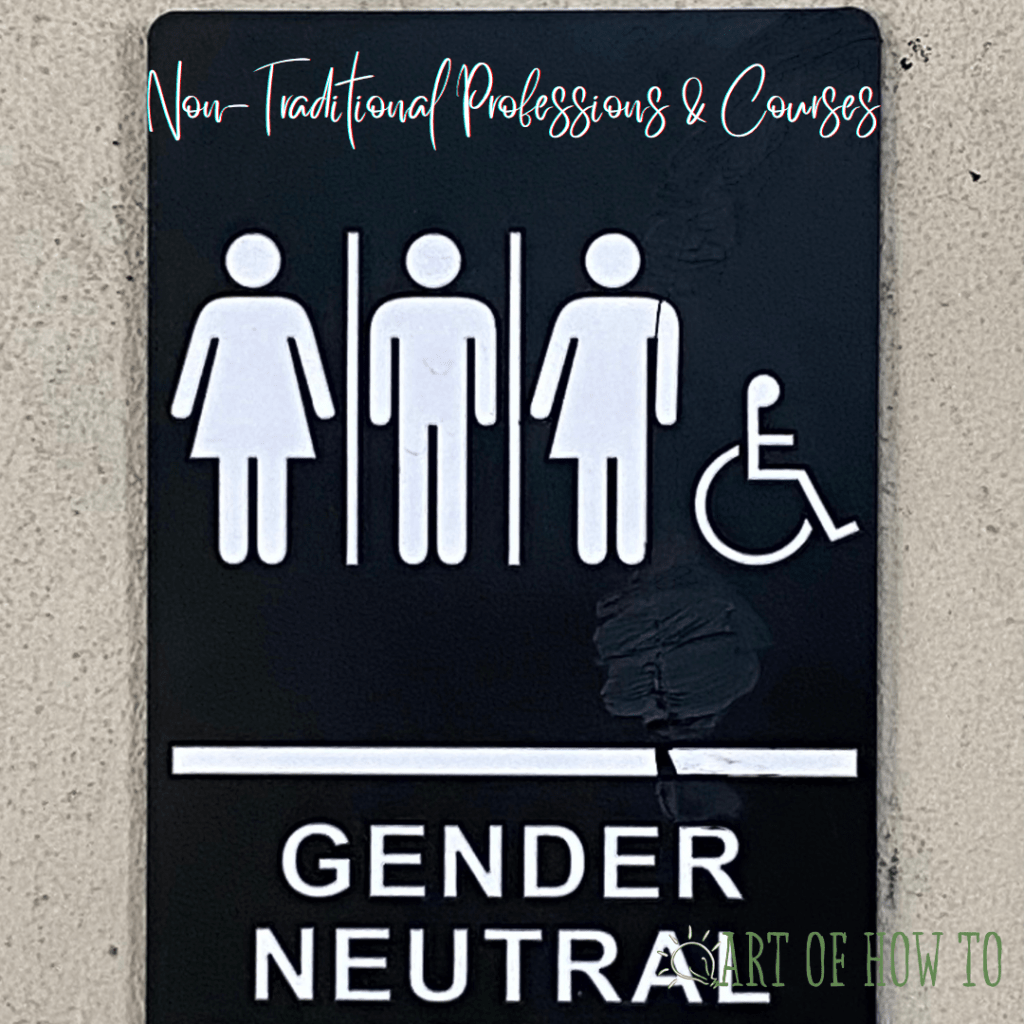
4. Non-Traditional Professions & Courses

More students are veering towards lesser traditional study programs and courses for higher studies. As a result, many schools and universities should slowly break students’ expected gender “codes.” It will expand the horizons for many who want to create their own professional identities and entrepreneurial ventures at a young age. So, circumstances, situations, and gender, no bar!

5. Introducing Labels for Emotions

Start teaching children to name their feelings and emotions. Please encourage them to express themselves and give them space for it. For instance, happy, jealous, angry, sad, joyful, and excited are some expressions you can teach your child. 

6. “Be You and Do You”

Children must be encouraged to express their sentiments and allow others around them to express themselves, especially their peers. For instance, say, “It is okay to cry/laugh/smile/feel sad whenever you feel like it.” It is okay to be themselves and do what they like at that moment. This will up their self-esteem and make them emotionally stronger.

7. Beyond Fairy Tales

It is exceptional to refrain from narrating old stories about princes and princesses or kings and queens with happy endings. New-age stories are full of real emotions with open-ended plots. These will encourage and stimulate the imagination in children. 

The 2021 Musical drama ‘Cinderella’ starring Camila Cabello, portrays an ambitious young girl with entrepreneurial dreams. Of course, love has presence, but finding yourself, finding happiness within the self, and standing up for yourself, and your goals took priority in this fairy tale climax. And a Price who stood by his love and her entrepreneurial dreams broke all gender stereotypes.

8. Reels Breaking Gender Stereotypes

There are excellent children’s movies and TV shows which have gender-neutral characters. Stories are straightforward and have a natural culmination. The cast can be genderless, similar to Big Hero, and roles can switch to any gender. Fantasy and sci-fi genres are becoming more credible, where roles and characters can be reversed. You can develop a script similar to Ridley Scott’s Alien, where all parts can be interchangeable for all genders. Alien for sure transformed gender neutrality in writing and casting characters in movies.

9. Conversations Begins At Home

Home is where the hearth and heart are. Home is also where values are seeded. Make sure your family is on the same page while having discussions at home on gender. If adults are sensitive and tolerant, children also absorb the same values.

10. Re-Writing Rules & Breaking Cycles

Cycles can be broken while helping children make informed choices and life decisions. So stand by them firmly and let them know you are with them.


The current state of society, where even tears are stereotyped. It reminded me of an adage, “Boys don’t cry.” This adage has been drilled into boys for centuries, since the time they are young kids. Crying has been seen as a weakness, and boys are specifically not supposed to cry since it makes them less manly or less of a boy. So, when I saw the said child being bullied and teased, I made it a point to tell the other children that it is perfectly okay to cry, whether it is a boy or a girl. But it is wrong to make fun of anyone linking to their way of talking, mannerisms, dressing, or emotions.

If children are sensitised at home and schools, society will have lesser bullies. Unknowingly we are encouraging gender stereotypes that will result in crimes when they grow up. Children will either think it is okay to hurt people or get hurt, making them grow up to become emotionally volatile and vulnerable adults. Let’s make a calculated change for a better tomorrow for our kids and the future of mankind.

Follow Priya Rajendran

I Am Woman


Being Woman…It’s a life full of different phases. Multifarious phases of transition. She is evolving inside her body throughout life, maturing and flowering like a bloom. However, in each stage, she leaves behind something. Something about her that does not escort her for the rest of her life: from a sweet and calm infant to becoming a reckless toddler, she is fun, happy, curious, and all smiles.

As she ages, she transitions into a teenager – confused, anxious, intelligent, and witty. She faces life further to learn that all things are not as glittery as she thought they’d be. Her heart perhaps broken once, twice, or more. She is uncomfortable about her changing body. Breasts maturing, monthlies introduced, and body hair that she feels no one else has – this phase is probably the most jarring and scary for her; she’s still naive and hopeful.

She then becomes more confident in her skin, makes sure she knows the game better, and portrays herself as the epitome of beauty, confidence, and success, though she still has a lot going on inside her brain. But, on the other hand, she is perhaps still as confused and anxious – she masters the art of not looking too vulnerable and naive, maybe wearing the mask too well – hiding her scars behind loud lipstick and heavy foundation.

Her sexuality, personality, speech, tone, likes, and dislikes change with time. She is shattered a hundred or even a thousand times before she becomes the woman she is destined to be – robust, intelligent, confident, and assertive.

A woman matures with the hurdles she crosses and the heartbreaks she endures. A woman who has had it all and seen it all becomes unstoppable. A woman who has done it all becomes irreplaceable. A woman who has transitioned for the need to survive and build an empire on her own is impeccable and immeasurable.

She is a daughter, sister, girlfriend, wife, mother, friend, neighbour, colleague, and mentor – she is all this and more. She plays each role uniquely and differently. She transforms in each role, learns in each phase, and transitions herself and others around her with her superb ability to touch lives, multitask, analyze and live efficiently.

A woman, therefore, must be appreciated and judged less, for only she knows what she is going through. She must be given as much support and care because as strong as she portrays herself, she is equally weak and seeking love, care, and empathy. Despite repeatedly depicting their strong character and unshakeable attitude, she needs a shoulder not just to cry on but to rely upon; a tall glass of red wine or two and perhaps a soothing night’s sleep not worrying about anything. A man’s world is entirely different and nothing like a woman’s. Though he would need empathy and care for himself, a woman is naturally built differently, and her needs must be catered to differently. A woman is powerful and enigmatic – she can change her world for good and build solid and refined generations.

Follow Aakanksha Dinah

Building Routine With Kids


Routines… Sounds complicated. Yet, once set, it’s simple. Help kids feel secure, grow life skills, and accomplish healthy practices. Patterns help parents feel ordered, and it also relieves pressure. So what can parents do to make this a wholesome and fun experience for their young ones?

Repetition of certain activities continuously and constantly help us build a routine. It is a fact. As a grown-up, you have a system. You have a pattern of doing things. For example, close your eyes for a minute and think this through. ‘I wake up, and then I ____,’ fill in the blank with the activities you do till you reach your workplace. 

Excellent! While you thought about this and were recounting or tracing your steps, did you realize there was or is a method to that madness? A structured approach or a systematic plan to get those things done in a specific order. Many of those, by now, is second nature. Most of which were taught to you by your parents or mentors. Routine, unlike a schedule, means a flow of activities in a sequence, while a schedule will pin this down to a set time for an activity.

The same is valid for children. Help a child build a routine, and you will have a child who can function independently. Well, at least when the child is old enough to do their tasks with zero supervision! An ancient Chinese proverb says, ‘give a man a fish; they will eat for a day. Teach a man to fish, and they will eat for a lifetime.’

Let’s take this as literally as it is and apply some of that to building routines for our children. Habits are formed by repetitive action. A 2009 study by European Journal of Social Psychology showed that it takes anywhere from 18 days to 254 days to form a habit. That’s why the greats follow specific routines, and all put on repeat day in and day out. That ensures they know what systems or structures will help them build their success stories. It never is an overnight success. Follow a routine that matches your need; for example, when your child is very young, you might want to base your routine around the baby’s needs. Things like feeding times, bath time, nap time, playtime, and a little fresh air will revolve around the little one’s timing. Usually referred to as attachment parenting or baby-led parenting. And essential in the early years of your child’s life. 

The second form of routine will change as your little one grows up. Here the routine will now revolve around the parents’ schedule. So, technically, meal times, outings, waking up, etc., will now focus more on the need of the parent to give their child/ children the much-needed time and attention in the best way they can.

So how do you create a routine that will work for your family?

1. Plan 

First, you will need to analyze your day and a typical week. Then, consider which family member needs to do what during that day or week. For example, how many meals are required at home, work, or school? Who will clean the dishes or do the chores at home? Are there any extracurricular activities for the children? Do you, as parents, have date nights or child-free time to yourself? Considering all this will help you create a chronological list of who needs support or help at what task. Remember, while trying to get our children to build or follow routines, it is crucial to lead by example. Face it. We are our children’s superheroes. What we do, they do too!

2. Prioritize

Next, think about the priorities from that list you made. Define the ones that are non-negotiable and must be done daily. Once you have a precise list (Yes, write this down, too), you can create an easy-to-follow routine. Have the children pitch in and make it more of an adventure/ discovery activity rather than a tedious chore or to-do task. Now for a pattern to fall in place, you will need a schedule in the starting phase. That helps you get used to how things are done and in which order. As mentioned, some things will have a specific time to be done, such as getting ready for school or work. And some will be flexible, like playtime or picking up their toys. Maybe even sleep time on weekends.

3. Pilot 

Next comes the litmus test. No routine, schedule, or plan is foolproof. A test run or trial period is mandatory. It will help you smooth out any crinkles in the plan. Do this for a week or fortnight. Create a snarliest of sorts – iron out the crinkles. Then stick to the routine. And as you get better at it, make sure to revise the process as you refine the flow of the practice. Repeat the process until you and the children know it, like the back of your hand. Have fun, as mentioned earlier. You could create a chart. Write down all the actionable for the day. Track completed tasks by giving each other stars for a good job done. Allow the kids to earn brownie points for chores, even if they are small and manageable. Reward and recognition work wonders, especially during the learning process.

4. Practice

After your litmus test of sorts, here comes the all-important part while teaching your children to set and follow routines and set expectations for them. And while doing this, do not set them up for failure. Set them up to achieve success by giving easy tasks first and slowly making them complex. They were patient, loving, nurturing, and an accurate guide to your young ones. Show them grace if they fail. After all, tomorrow will be a new day, and they can try again! Most of all are flexible with the children as they learn. 

Remember, this is a routine, not a schedule. If it does not go as planned, no dramas. Re-evaluate, re-plan, and re-do the activity or task. Make it as fun as possible. And watch your little ones glow as they grow!

Follow Augustus Stanley

Health Tips For Women in 30s


The 30s are a critical decade for your body, and the decisions you make during this time could significantly impact how you feel in the years to come. Keeping this in mind, the following is some information regarding women’s health that will help you continue to feel young even after this decade has passed. 

7 Health Tips for Women in 30s

1. Strengthen those bones

Around the age of 30, both men and women begin to experience a reduction in bone density, which ultimately leads to osteoporosis. On the other hand, because women’s bones are typically smaller than men’s, the condition affects more women than men.

There are three nutrients—calcium, vitamin D, and potassium—that can assist in the process of rebuilding bone mass. Talk to your primary care provider about how you can maintain a healthy level of bone mass by getting adequate activity and nutrients.

2. Get your feet moving

You should engage in at least 30 minutes of moderate exercise on most days of the week and two to three days of intense activity per week to maintain a healthy weight range, lower your risk of developing type 2 diabetes, improve your mental health, and keep your heart healthy.

In addition, you should exercise for at least 30 minutes on most days of the week.

3. Concentrating on preventive care

Even if you’re at the peak of your life in your 30s, this is the decade in which you should initiate screenings for various possible health problems. One of the main benefits of preventive care is that it helps find diseases and illnesses early, which saves money and time. Your doctor might perform several diagnostic tests on you to guarantee that your health continues to be in good standing.

The Pap smear, as well as screenings for glaucoma, diabetes, cholesterol, and blood pressure, as well as breast cancer, may be included in the tests. In the future, your doctor will also help you figure out how often you should get checked up to find any health problems that might be coming up. 

4. Observe your bodyweight

As you become older, not only does your metabolism slow down, but your hormones might also vary, which can lead to weight gain. If you are worried about your current weight, you should consult your physician about methods to help you achieve a healthy weight.

For example, stop making late-night trips to fast food restaurants and get on track with a diet that prioritizes health by cooking more of your meals instead of ordering out.

5. Check your hormone levels

Recent studies have shown that approximately 80 percent of women are affected by the symptoms of hormonal imbalance, especially concerning the female hormones estrogen and progesterone. When these two hormones are out of whack, you may have various symptoms, including but not limited to pelvic discomfort, fibroids, heavy or irregular periods, anxiety, changes in weight, difficulties with mood, and more.

Abnormal levels may also be indicators of chronic diseases such as endometriosis or polycystic ovarian syndrome (PCOS). Your doctor can help you stay at your peak performance by checking your hormone levels and giving your insight into how your body is operating overall by doing so.

6. Pay attention to skincare

When you are in your 30s, your skin has already begun to lose its suppleness and youthful appearance; thus, it is crucial to establish a reliable skincare routine that includes using sunscreen with an SPF of at least 30.

Also, keeping a healthy diet, exercising, and drinking enough water can help your skin maintain its shine and look young. 

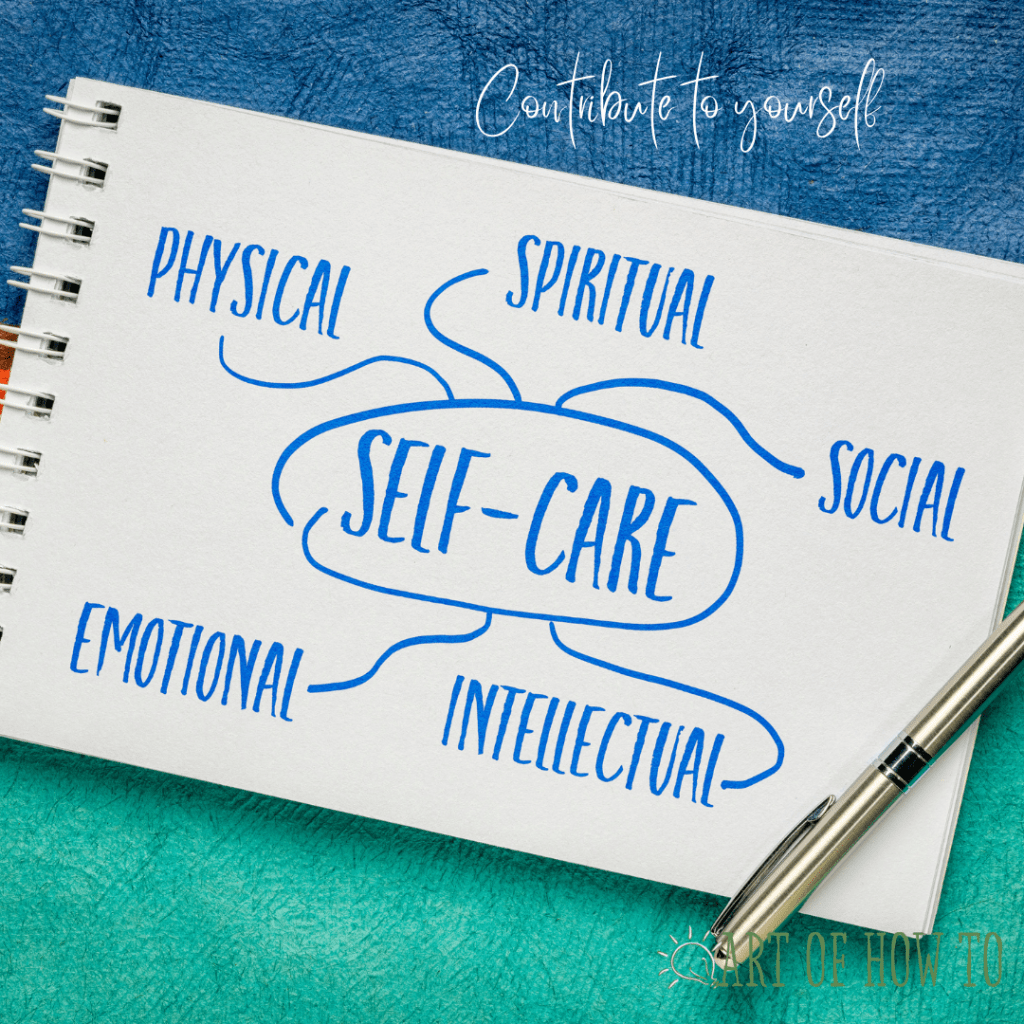
7. Contribute to yourself

Stress has been linked to a higher chance of health problems like high blood pressure, heart disease, obesity, and diabetes. Pampering and other forms of self-care, as well as practicing mindfulness and finding ways to relax, can all be helpful ways to keep your stress levels under control.

Feel free to slow down and take care of your basic requirements, like getting at least seven to nine hours of sleep per night, despite having a long list of things to do. 

However, because you are a dynamic, thriving woman with many commitments, you must remember to put yourself and your health first to perform at a higher level. 

Follow Naveeta Shokeen

Sway To The Beats And Tunes


Most of you would have heard of this: “Dance like nobody’s watching; love as you’ve never been hurt. Sing like nobody’s listening; live like it’s heaven on earth.” 

So how many of you sing and dance at home while doing work? Break into a jig while cooking? Just switch on the Music and sway? Have you ever been afraid someone’s going to watch you? Or do you plug in your headphones and Dance? You could sing too. It feels so good to be in this happy state when you dance! But Music and Dance have those magical effects on a terrible, lousy mood! Beating those blues becomes so important!

Which is your favourite Music? Do you have a go-to-playlist? Every person has at least one music app downloaded to their smartphone. It’s always plugged in during workouts, driving, cooking, etc. While Music awakens senses and activates happy hormones, Dance has similar effects, too – mobilizes the body, and shakes inertia. 

Research shows how physical activity increases the secretion of endorphins – the particular neurotransmitter substances in the brain. Dancing is one of the best physical activities, and once you add Music to the combo, it can help beat all your fatigue and sadness. Music and Dance are being considered therapy for those seeking professional mental health support.

1. Body Positivity

You will begin developing a better body image. Body positivity is unconditionally accepting your body as it is, in its proper form. Music and Dance help you do that. You switch on Music (any music according to your mood), close your eyes, and concentrate on the beats and sway. Good hormones start flowing in the body, and you will feel happier. Endorphins do this – boost spirits! The best part about Dance is you can create your steps. Music will do the rest. So be a dervish!

2. Meditation & Rooting

Have you watched videos of whirling dervishes (also called Sufi whirling)? It’s calming! They dance to Sufi beats in circles, in a meditative trance, listening to prayers for the prophet and peppy Turkish Music. These dancing circles are supposed to symbolise the planets revolving around the sun in the solar system. As a dancing dervish, you sacrifice your ego and personal desires and let your body go. The famous poet Rumi established this practice in the 13th century. The Whirling Dervishes of Istanbul have been recognized as UNESCO’s Intangible Heritage. You can sway the same way in your house with your eyes closed (of course, be mindful of the furniture around you!). 

These days, a few teachers’ training and corporates have started including body workshops and theatre in their programs. Participants are first made aware of their bodies and surroundings, similar to the dervishes. Then, a mild swaying of bodies to meditative Music creates wonders!

3. Helps You Express

There are specific programs to encourage participants to write songs, compose Music, and sing. Music can be used to modify behaviours and even bring good changes at the community level. For example, one of the therapies uses Music to motivate patients to express feelings, describe sensations in their body, and stimulate memories long hidden from the world and visuals formed after listening to the music piece. The same goes for Dance.

4. Shaking A Leg To Happiness

Any happy occasion is incomplete without a song and Dance across the globe – especially our big, fat Indian weddings! A lot of positive energy reverberates when a group of people dances. No fun can be compared to families of all ages shaking a hip to Bollywood, hip hop, Salsa, Latino, Bachata, Ballet, Ballroom, Jazz, Tap dance, Contemporary Dance, or any dance style of the world. You name it, and these styles are part and parcel of all happy occasions like weddings and births. Event planners make it a point to have a choreographer on their team who prepare family members for the experience. 

5. Boosts Cardiovascular Health 

Research says dancing reduces the chances of developing heart disease. Fitness enthusiasts recommend a moderate-intensity dance movement to remain fit. When stamina is good, one can always be active and do tasks irrespective of age.

6. Dance Movements Improve Core Strength

It helps build balance in the body and boosts muscle strength in the region between your upper and lower body. Various dance forms teach you to develop core strength in the body. It’s imperative to look after your body’s power for all activities! There are many ways to improve your core, and dancing is one of the best ways because it includes simple steps like lifting, bending, squatting, and raising your hands will help develop the best core.

7. Good Shot At Self-Esteem

Look at yourself in the mirror. Switch on Music and Dance away. Each twist and turn in every step will make you feel good about yourself. Make sure you shake your hips well ‘coz hips don’t lie, and neither does the mirror! 

8. Comfort & Strength To Conquer All Odds

Patients suffering from terminal illnesses have been known to battle illness thanks to Music and Dance. They help you gain confidence that you can beat it all! Music provides comfort other than human touch when you fight a battle with your body.

9. Lowers Anxiety

When you have a panic/anxiety attack, Music and Dance help calm down the pressure points in the body. Beats and pleasant Music fill you with warm sensations to bring down the overwhelming emotions you are undergoing.

10. Reduces Cognitive Decline

It has been found that both Music and Dance possess unique powers to help reduce memory loss and the aging process to a large extent. It keeps you youthful and lively! Remembering lyrics and dance steps helps maintain alert brain cells! Neural connections remain stronger.

So, what are you waiting for? Plug in your favourite Music. Do tell us your favourite genre of Music and Dance! What keeps you going – Music or Dance? Or Both!!!

Follow Priya Rajendran

Stop Fighting You

We all feel a little down sometimes. Don’t feel like getting off the bed in the morning! The feeling of gloom and sadness lingers over our heads. Over-eating, under-eating, laughing too much, crying too much! Pretending to be okay. Being offensive and defensive when not required, mood swings, bad temper, violence of any sort, emotional outbursts, overthinking, anxiety, taking too much stress, clinging onto the past, and self-pity- are all signs of bad mental health.

Mental health is more important than how much importance it’s given. Despite the world beginning to recognise it, most of us brush it aside as if it’s part of life. It is not. Marred mental health is not a lifestyle and must not be treated as ‘just a phase’ in life.

A sound mind is the key to a sound body and life. The happier we are within ourselves, the more comfortable we look on the outside. The more we dwell on negativity and hurt, the deeper the wounds become. Life is more than sad or bad days. It’s got minutes and hours that tick fast, and in the blink of an eye, years must have passed.

We must realize how much of that time we lost have we utilized to be happy and content. Therefore, we must be mindful of what we invest our emotions and energy into. The more we harbour toxicity and hurt, the more things get difficult to sort inside our heads, leading to indecisive thought patterns, lack of trust, self-confidence, logical thinking, rational behaviour, wisdom, and so on. Therefore, it is imperative to understand what is good and not for our minds and hearts.

It is always good to let go of what does not do good for our minds. May that be something someone did to us or said to us, something that caused us to hurt, perhaps just too much to let go of. But that is what we must learn to master first – to move on, let go and be happy where we are. The little joys in life matter, not how many days we spend hurt or angry.

Anger is a killer. The more we harbor anger within ourselves, we lose the game together. Anger destroys relationships, lives, and health. It worsens any situation. It leads to a lack of understanding and empathy. Words spoken in anger can never be taken back. And the scars that badly spoken words leave are quite profound.

We must learn to rationalize and prioritize where to invest emotions and feelings. The moment we learn to live happily with ourselves, we master the art of keeping the mind happy and healthy. Mental health plays a vital role in overall health and well-being. We are only fighting ourselves by destroying our mental wellness. We only fight by being rude, angry, hurt, stuck, and tormented. Get out of your comfort zone and make a few changes – it’s all worth it afterward.

Stay healthy inside out… that’s all that matters!

Follow Aakanksha Dinah