New Year, New Me

Pause…Breathe…Reflect! Nature has its way of applying brakes in our life. It does send us feelers and reminders on how we lead our lives, but we tend to block the reminders or skip them. Instead, we use excuses to stave off cravings, our fast-paced life, busy careers, family time, and most importantly, ME time to get on a fitness routine. So, when all alarm clocks go off at the same time, nearly screeching in our ears, we wake up one day and realize: Uh, oh…let me pause and reflect. At least once in all our lives, we have had such screeching alarm clocks blown in our ears. 

Two years ago, Corona was one of the screeching alarm clocks sent to us to pause and reflect. It doesn’t matter who sent it. Either way, the two-year break in all our lives (for some, it is still ongoing) made us think about the value of things in our life – us, our families, our special moments, career milestones, and even educational milestones. It made me wear my thinking cap too. I had completely ignored my fitness and stamina until two years ago. I would not remotely look at the weighing scale, grandly declaring that I am sure I am fit. Yes, I do annual health check-ups and have been given clean chits. But it made me realize that these reports aren’t precisely measuring my stamina. Having all vital stats in place is excellent, but I still needed to recover my lost stamina and endurance. Running around my 8-year-old son made me realize the importance of fitness even more and a stark reminder of aging. 

I had ignored myself for far too long, thanks to years of body shaming and other reasons. Body shaming is one of the key reasons many people stop looking at themselves in the mirror, considering the calories they consume and their sedentary lives. The pandemic made me re-look at myself in a new way. I started facing the mirror daily, looking at my body each day I had a bath. I started acknowledging my body, accepting its flaws, and speaking to myself, saying – “It’s my body, and I am proud of it!” 

The next I asked myself: “Am I fit enough? Can I do something to respect my body better?” Again, I got my answers from within. Another response I got from my gut was that being fit isn’t only about physical fitness. It is supposed to be holistic – an amalgamation of physical and mental wellness.

10 Reasons Why
We must set self-fitness goals 


Trust me, your gut/inner voice will also give you answers. Once you get the answers, you will take action instantly. So, I chose Zumba since I love music and dance (my inner calling). This helped increase my cardio fitness, but then I realized I needed to work on all body parts to increase flexibility. Also, since I am people-oriented, I wanted to join group fitness classes, and another pre-condition was timing. Luckily, things worked out, and I began an active workout regime with my gang and our trainer. So, I suggest you choose your mode of workout – something you would love to do consistently, and kickstart your new routine. It will be exciting for you to fall in love with yourself.

1. Having a checklist of health goals

It is an excellent time to make your soft board attractive with colourful sticky notes. Write all your health goals. For instance, stamina, flexibility, weight loss, etc. It could be different for everyone. 

2. Keeping tabs on physical parameters

Consult a physical trainer/coach to see if your physical and vital stats are in place. It includes the following:

  1. Cardiovascular fitness
  2. Muscle strength & endurance
  3. Body flexibility & composition
  4. Makes measurable fitness plans

For instance, if your goals are like joining yoga, meditation classes, or starting jogging and running, they must be measurable too. In other words, mention the number of days you will achieve these goals. It makes you acc

3. Prevents over or under workouts

Once you set these goals, you will stick to exactly how much you need to work out to lose or gain a certain number of kilograms or pounds. It makes sure you will work out right.

4. Ensures consistency in workouts

If you work out at the correct time intervals, achieving these goals will be your next top priority. Regularity makes a difference when you have to achieve goals.

5. Having workout buddies

Sometimes you aren’t motivated to do workouts on your own or achieve your workout targets. A like-minded gang helps boost and push each other to reach their respective goals.

6. Enjoying your wellness journey

It is vital to enjoying every step that you take towards improving your fitness levels. Therefore, you should choose and chalk out achievable health goals of your choice (without looking at Instagram/Facebook profiles). Then, keep them pinned on a soft board.

7. One step at a time

The aim must be to go slow so you can enjoy a longer and healthier lifespan on Earth. Setting fitness goals will ensure that you plan baby steps.

8. Tuning to your body signals

The essence of your fitness journey must be to listen to your body closely. Go inwards, listen to your inner voice, and feel what each part of your body says. It is essential to do it daily. 

9. Make your body your best friend
Self-love is the key. Start speaking to your body, repeat affirmations – positive statements about how you enjoy your fitness journey for your beautiful body. The first statement must be: I love you for what you are and accept you for all the curves and valleys. Hug yourself tight after that!

10. And Don’t Forget to Live

Always remember to be kind to self. If we are not kind to ourselves, we cannot be kind to others. Remember to smile to yourself and self-care is not selfish.


Signing off with this food for thought for all of you: “Don’t wait until you’ve reached your goal to be proud of yourself. Instead, be proud of every step you take toward reaching that goal.”

Learn Self-Love

Self-love is as essential as breathing and prevailing. It keeps you going, your mind stable, and gives you purpose to keep the rhythm melodious. Self-love gives you an openness to newness. It empowers wisdom, creativity, productivity, and an aura none can second. With self-love, you create your spirit – you pull all the elements of the universe to align to the absolute closeness of yourself and nature. You create your character, the mark and scent you will leave behind. 

Self-love allows you to breathe pure freshness and see visions crystal clear. Self-love promotes positivity not just within you but outside of you, touching lives as you sail through all the different things you do. Self-love gives you an idea of who you are and how important little things are to you. Self-love consumes insecurities and indifferences and connects you to nature and the ultimate truth of finding inner peace. 

Self-love honours boundaries and establishes a foundation of grit, strength, and power. It reflects a persona so enigmatic and enhances emotional and mental health. It motivates you to do better for yourself and focus on YOU rather than getting caught up in the web of such a rash and fast-paced world. 

Self-love keeps you grounded and lets you recognise and be root to where you are from. It gives you uniqueness and ensures you are simply the best version of yourself. 

Self-love is worth it. Self-love makes you worth it all. So it’s time to slowly let loose, learn to recover from everything that hurt, and give yourself space and time to heal and self-love. 

Follow Aakanksha Dinah

Do You Eat Breakfast

Breakfast is the meal that breaks our night-time fast of eight hours since supper. The first meal of the day is unlike any other meal. Yes, every other meal is considered significant, but breakfast is the most robust due to its numerous health benefits. It is why it is known as the “key day meal.”

Everyone is buzzing like a busy bee to compete with others in today’s environment. Many people skip breakfast for stupid reasons, such as wanting to sleep a bit longer. Once you realize its significance, you will never disregard it for any reason.

Why is breakfast so important?

Even when you sleep, your body continues to function. The only difference will be the absence of physical acts. However, as the body is always working, it may run out of energy. This continual process decreases glucose levels; breakfast is required to stimulate metabolism. In addition, breakfast will offer your body the critical nutrients and minerals it needs to begin the day’s job.

The following is a list that highlights the
top ten reasons why eating breakfast is essential:

1. It will speed up the metabolism and set the tone for the rest of the day. Breakfast is the most important meal of the day. Remember that your body continues to function without any fuel or nutrients while you sleep, so think twice before missing breakfast. Therefore, the mechanisms of the metabolism will turn your breakfast into usable energy. In conclusion, breakfast serves as an energy booster by supplying the body with the necessary power to perform for the day's duration. If you eat a breakfast that is both satisfying and nutritious, you will be more active throughout the rest of the day.
2. It supplies necessary vitamins, minerals, and nutrients: For your body to work correctly, you need to nourish your body with the vitamins, minerals, and nutrients that it requires. This substance offers this. Having breakfast satisfies the requirement to provide your body with the critical vitamins, minerals, and nutrients to carry out its functions for the remainder of the day. Therefore, breakfast is the most important meal of the day. Additionally, it lowers the likelihood of developing a vitamin or nutrient shortage.
3. It helps maintain a healthy weight. Skipping breakfast will make your techniques to lower your body weight less effective. People who eat breakfast regularly have a lower risk of being overweight. Skipping breakfast can cause an increase in insulin response in the body, which can lead to an increase in body weight. Consuming a nutritious meal in the morning will help curb your appetite for the rest of the day's meals.
4. It maintains a steady level of sugar in the blood: Maintaining a constant sugar level in the blood is essential to prevent long-term health problems, and breakfast does this quite effectively. Maintaining a healthy level of blood sugar protects the health of both the body and the brain. In addition, having breakfast regularly helps to keep the body's metabolism in check.
5. A healthy breakfast is a great way to kick off the day because it helps enhance focus. Your mood in the morning is greatly influenced by what you eat for breakfast. Because eating breakfast fills your stomach for the rest of the day, it not only helps you concentrate better and improves your focus, making your work easier.
6. Eating breakfast every morning has a lower chance of developing obesity and type 2 diabetes. This is one of the diseases that can be prevented by eating breakfast. The risk of developing cardiovascular disease can also be reduced by eating breakfast. If you don't eat anything in the morning, you could miss out on essential nutrients, which could put your health at risk. In addition, your immune system may be impacted as a result.
7. Breakfast is an important meal of the day and can help you control your cravings for unhealthy food. Think about it: if you don't have breakfast, you'll find another way to satisfy your hunger, and when that happens, you'll probably reach for some junk food. The morning meal known as breakfast helps to keep one healthy and reduces the need for unhealthy snack foods.
8. Breakfast is a crucial component in growing muscle, which is why it's so necessary to eat it. Eating breakfast foods high in protein is a good place to start if you want to increase muscle strength.
9. Please pay attention to what you consume for breakfast because it might tell a lot about your overall health. Ingesting food that will improve your metabolism, such as eggs, which are a fantastic source of protein, is regarded as beneficial.
10. It paves the way for a healthy existence, and food is the best and most delicious medication. Breakfast doesn't have to be complicated; all you need is a bowl full of fruit to get you through the morning. The food you eat for breakfast has the potential to keep you alert and active throughout the day. You will feel more focused, and you will notice an improvement in your memory ability. Although you might not see a difference right away, it is suitable for your health in the long run.

The benefits of breakfast are lifelong, so the list of its superpowers continues. Spending money on meals is preferable to spending money on medical expenses. Stop skipping breakfast if you are doing it, and forget anything else instead

Follow Naveeta Shokeen

Anxiety The Silent Killer

It’s a cold winter evening, and I am working on my laptop, constantly worried about something (that’s just me). My little one is watching her favorite animation series, The Lion Guard. I am half-focused on my writing and half on the surrounding sounds, including the cacophony of the various characters and their emotional exclamations of the serial. Suddenly the zebras on the screen scream – Panic and Run! Panic and Run! Panic and Run!

All my alarm bells go ringing! WHY?… because this sounds familiar – in fact – THIS IS ME… the ever-present and constant feeling I experience every second of my waking life – ‘PANIC AND RUN!’

This is the most dreaded yet familiar bane of urban modern-day city life – ANXIETY.

Anxiety: What does it feel like on a regular day?

It feels like the fear of the unknown. The feeling of being confused and not knowing what to do next, yet feeling like you forget to do something urgently. The feeling of being unable to figure out what’s happening, why it’s happening, and what will happen next?

Sometimes you may wake up middle of the night with a deep feeling of sadness, loss, or uncertainty. You feel like a lump in your throat and a pit in your stomach. You experience irrational fear of losing control, irritability, restlessness, fatigue, unexplained and shifting aches and pains, and overbearing thoughts and beliefs that are difficult to control.

Feeling worried constantly but don’t know why? When you sometimes panic and feel anxious but do not know the reason? That is ANXIETY.

Common Triggers

Anxiety is triggered by stress, confusion, trauma, and many more… You feel anxious: – 

When things go Wrong:

When things don’t work out as planned, that triggers Anxiety. You start to think about what went wrong or what you could have done differently to make things right. 

When things go Right

Sometimes you feel anxious even when things go exactly as planned! Surprised, huh! 

Yes, you heard that right. When you do something which happens precisely as you planned, that also causes Anxiety because you didn’t expect it would work so smoothly, and when it did, you start doubting whether you followed the right path.

When you feel performance pressure

When you are under performance pressure or taking a test, you start to get nervous and feel anxious about meeting people’s expectations or whether you will pass the test with flying colors. 

Even when you have achieved your target:

In many instances, you have finished doing something you planned or achieved a target and are hopeful this will end well. But that’s when Anxiety kicks in!!!

Why? Because now you don’t know what to do next!! You haven’t planned what is to be done next, and that’s what creates panic. 

It is normal to feel anxious in stressful situations. Still, sometimes when it reaches a level beyond your control, it is an indicator of something serious that’s difficult to deal with. This is when feelings become excessive and interfere with daily living. It disturbs your ability to function normally – This is when it could be a more severe issue, i.e., an ANXIETY DISORDER.

What do Anxiety Disorders look like in everyday life?

Contrary to popular belief, it could look like a standard but nagging issue. Sometimes it is accorded to a general ‘temperamental’ problem. It seems like and relates to something very mundane – like insisting on keeping the TV remote in a particular place; or urging to do a specific task only in a certain fashion. Like feeling nervous before an Interview, like feeling sad about something happening/not happening.

These things are daily and do not warrant that you suffer from Disorders. It is only when they go to an excessive level of becoming unhealthy Obsessions and Phobias that it starts getting murkier. Anxiety Disorders can take various forms. Let’s take a look: – 

Social Anxiety Disorder

Stage Fear, Introversion, Being Shy, or Being Asocial are all common forms of hesitation. But they don’t necessarily qualify as a Disorder. This is considered a disorder when you get excessively concerned about facing people. When the fear of meeting people gets serious to the extent of ‘Situational Paralysis,.’ You freeze on stage and in social situations and hope you disappear from the face of the earth! This is when you should consider it serious.

Obsessive-Compulsive Disorder

The most common form and yet the most difficult to recognize. This is because it is generally branded as a personal trait. Statements like ‘Oh, He is a cleanliness freak,’ ‘She is a slave of the Clock,’ or ‘He is very particular about certain things’ – all could be red flags of the person suffering from an obsessive-compulsive disorder. Preferring things in a certain way is normal, but insisting on it and going bonkers if they don’t go as per charter, is a qualifier for OCD.

Panic Disorder

Panic at its worst. You don’t just panic and experience symptoms similar to a Heart Attack! 

Yes, you read it right. Your presumed midnight heart attack could well be a Panic attack instead. Shortness of breath, Heart Palpitations, chest pain, abdominal pain, sweaty palms, and hot flushes are the physical manifestations of a Panic attack. In addition, you suddenly feel numb, lost, and disoriented. This is panic in its worst form.

GAD or General Anxiety Disorder

Your Anxiety with excessive and unhealthy intensity is GAD. It is unrealistic and exaggerates worry and tension for very little or no reason.

IMPORTANT MESSAGE
If you or anyone you know needs help and support please reach out to a crisis resources center near your area.
Seeking help is human and it is the first step to recovery.

Phobias 

Most phobias are nothing but your excessive fear of a particular thing. Fear, in general, is experienced by everyone, but when it’s crippling enough to stop you from general functioning, it’s worth a review.

Okay then, we now know it is terrible. And what makes it worse is our Minds and thoughts. So, what do you do to get your life back?

What can be done to control Anxiety?

It is hard to unlearn what we have trained our minds to believe and behave. So, it is going to be hard work to rewire your brain. But let me also tell you, the rewards are worth the labor. Although Anxiety cannot be eliminated, and sometimes it is good for you, you can take steps to control it to a large extent.

Practice Grounding

Grounding or earthing is typically used in the context of electrical circuits, but it is just as relevant in the human-nature relationship too. Connecting to the electrical charges of the earth has a calming effect on your body.

Walking barefoot, lying on the ground or grass, and wading in shallow waters are simple yet effective ways of grounding.

Life Style Changes

All our emotions are by-products of chemical reactions in our brains. And the good news is you can control it mainly by keeping a balanced diet and life. Make time for walks, recreation, friends, exercise, healthy eating, and sleeping. Avoid too many stimulants such as tea, coffee, alcohol, cigarettes, drugs, etc.

Stress Management

Managing stress helps you get in charge of your emotions. Mindfulness & Meditation can help to calm your mind and control anxiety levels. Yoga is terrific for a restless mind. 

When to reach out for help?

ANYTIME. 

Reach out for help anytime you feel your symptoms are bogging you down or are getting intense, so much so that it’s crippling your sanity. Shying away from social stigma or overthinking the consequences is only going to make it worse. 

So, reach out even if it may feel like a false alarm. It’s okay to be wrong in your diagnosis. It’s better to be safe than sorry. The point is DO REACH OUT BEFORE IT GETS TOO LATE.

Try reaching out for help while you still can!

IMPORTANT MESSAGE
If you or anyone you know needs help and support please reach out to a crisis resources center near your area.
Seeking help is human and it is the first step to recovery.
Follow Veena Gupta

Creativity In Classroom 

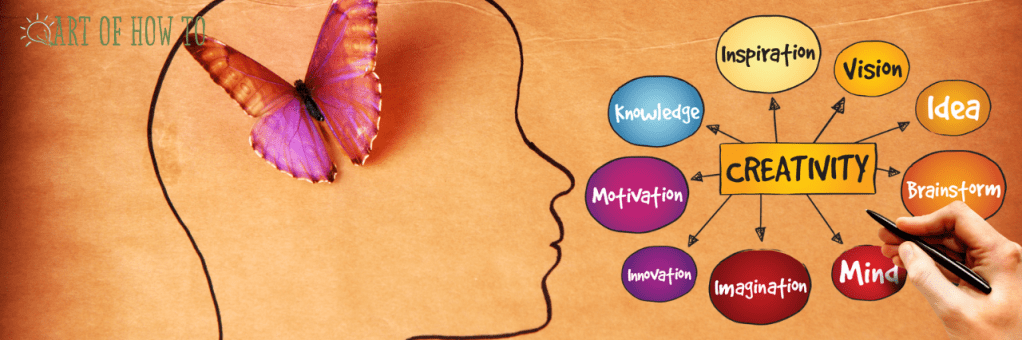
Creativity in education uses innovative and imaginative approaches to learning, problem-solving, and teaching. It involves using creative processes, such as brainstorming, experimentation, collaboration, and critical thinking, to solve problems and create new ideas. 

Ten simple tips to add creativity 

1. Use interactive activities in the lesson. Like us, kids these days get bored just as quickly as we did. It's a good idea to make classes as interactive as possible for two reasons. Better engagement is one. The second is brighter students. 
2. Add in the elements of art or music as part of the lesson. I learned this while watching my cousin, who happens to be a clinical music therapist. He works with specially-abled children but incorporating music and dance into his classes has positively impacted more than 75 specially-abled children! And trust me, it works with all learners. 
3. Use props or physical objects to illustrate concepts. This aspect helps to add to the learning experience. This is termed experiential learning. And is used in workshop sessions as well. 
4. Ask students to brainstorm solutions or ideas. Great tool or activity to get children on the teamwork and interdependence bandwagon. This also serves as a part of the problem-solving skills-building platform.
5. Have students explain concepts to each other. Also known as teaching to learn. The idea here is to share your learning of an image, which acts as a double learning opportunity. 
6. Allow students to take ownership of their learning. Increases their responsibility and accountability. In addition, it gives them a sense of achievement as they know exactly what their learning goals are. 
7. Make use of multimedia or digital tools in the lesson. Well, it is the 21st century. We have gone from writing in the mud to illustrating on a white screen. Using multimedia and digital tools helps build a deeper understanding of a subject in a learner's mind. It helps give clarity with visual and audio aid. 
8. Encourage students to ask questions and work in groups. Asking questions gives clarity. Working in groups, as mentioned earlier, helps with teamwork and interdependence. It also gives kids a chance to bond with others. 
9. Use literature or stories to help students understand concepts. This is an age-old concept and is an art form called storytelling. This was an effective way to transfer or hand down information for ages.
10. Try something new or different each day. Keep your audience or learners pleasantly surprised. Keen to experience a unique, fun, and exciting. 

These tips are just a few. But there are many ways to engage learners that surpass the list above. For example, a creative educator is an actual key to learners having an innovative education no matter what the subject to learn may be.

Who Is Unhappier


Ah! THE MILLION-DOLLAR QUESTION!!!! Ideally, only some want to ask a married couple. Who is happier!!!

For the simple reason that some of us don’t want to admit that it is indeed an ‘Unhappy’ marriage. Somehow when it comes to a marriage, we want to be the quintessential Ostrich burying our heads underground and pretending IT’S NOT HAPPENING; or at least not to Us. Even if it means ignoring the elephant in the room, we don’t want to acknowledge or even suggest to the couple the ‘unhappiness’ in the union.

Nevertheless, not all marriages are fairy-tale, and no matter how much we want to pretend that all is well in our paradise, we know it is not. What makes it worse is when one partner reports being unhappy while the other is happily oblivious to anything going wrong in the relationship. Then, the dreaded question pops back: ‘Who is unhappier – The Wife or the Husband?

Many personal and individual factors, expectations, and aspirations drive the satiety you may report from a relationship. Your gender, too, plays a significant role in your expectations of a relationship. So let’s check that out in the marital context.

‘Wife’ Protests:

• “He does not help with the chores.”

• “His family dominates every decision”

• “Eats unhealthy/not mindful of health/drinks too much.”

• “Spends too much money/time with his friends.”

• “Has become insecure/changed after marriage.”

• “It’s either sex or nothing at all when it comes to ‘love’”

‘Husband’ Protests:

• “She keeps complaining all the time.”

• “Isn’t always ready for/happy with sex.”

• “Does not give space/me time.”

• “Is always suspicious/dominating/micro-managing.”

• “Doesn’t dress up/parties as she used to before marriage.”

• “She has changed a lot/isn’t as cool as she was before.”

So, what looked like a ‘perfect partnership,’ ‘a divine union,’ ‘the perfect match, and ‘the happily ever after relationship suddenly turned into a disappointing, lustreless, rote, and mechanical arrangement that hardly excites anyone. What goes wrong here?

Let’s look at what are the everyday stressors that force this question:

1. Libido Mismatch

As much as we want to push this topic under the carpet, this is the most common factor of Marital discord. Of course, no two individuals will have the same appetite for sex, at least not at the same time. Still, the most significant driving factor is the inability to acknowledge and address this carnal desire. While the man is commonly believed to have a higher libido than his spouse, the converse may also be accurate and a reason for the partner with the higher drive to report unhappiness.

2. Finances

The Second most significant problem is mismanaged finances. It is not earning more or less, blowing whatever you make as a household. Again, the wife and the husband may have different ideas on what issues need priority status. If a consensus is not reached early in marriage, it can be a significant cause of reported unhappiness.

3. Work/ Career Pressures

Marital discord is inevitable in a modern-day society where both partners want to pursue their respective careers and do not want to slow down or settle down for domestic demands on one’s time. No matter how much you want to believe ‘you can have it all,’ it is a myth. The more high-pressure your job is, the more unhappiness you and your partner are designed to report.

4. Household Chores’ Division

Well, this needs no introduction. An unfair division of chores is bound to result in rifts and discord, especially if it’s combined with balancing a career and home!

5. Sharing Rearing Children

Having and bringing up children puts a lot of demands and pressure on a relationship mentally and financially. Suppose there are unreal expectations, unclear work division, or unwillingness to accept the changes. In that case, this can have disastrous effects on a marriage, thereby reporting more stress and unhappiness in the union.

6. Family Interference

Believe it or not, the support you have (or don’t have) from your family is instrumental in your happiness experience quotient. Marriage requires a lot of effort, and a little bit of support goes a long way in restoring the wear and tear of the relationship: the more support, the more happiness.

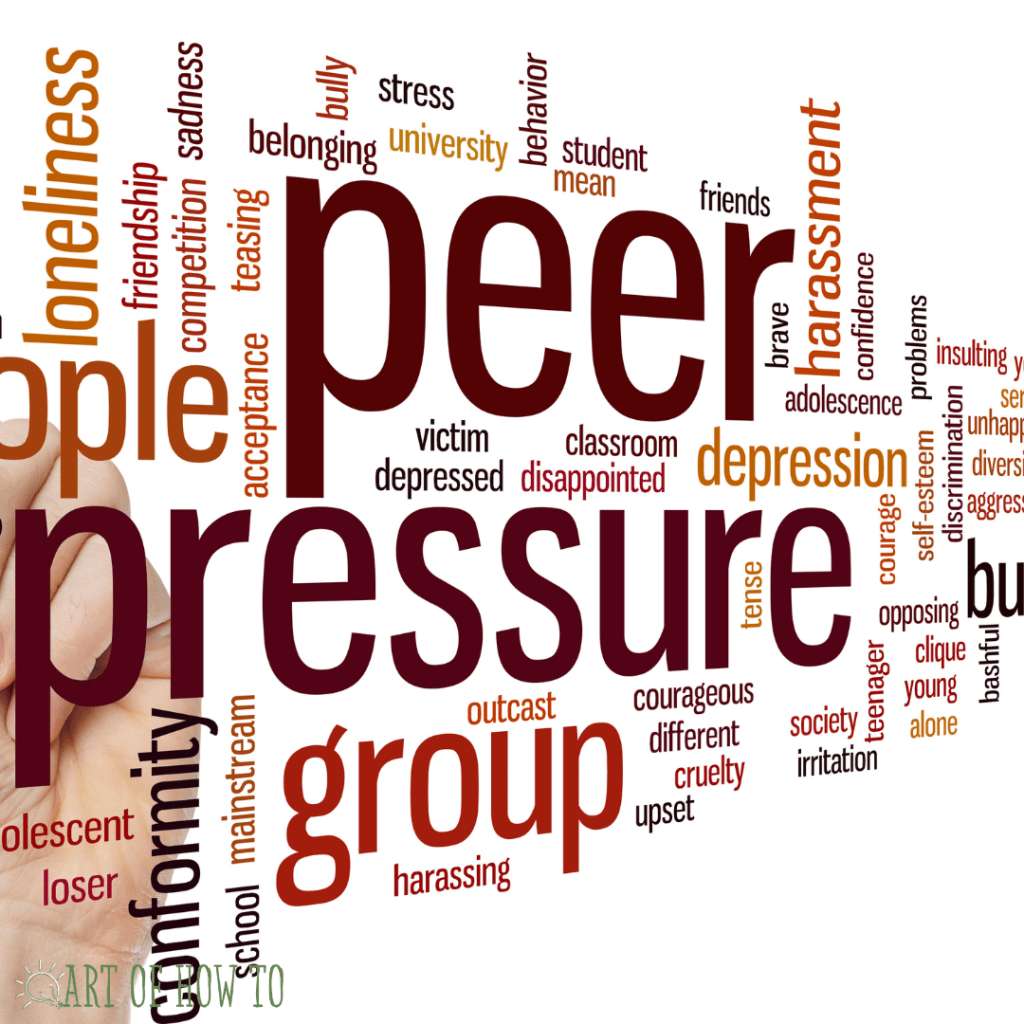
7. Peer pressure And Society pleasing

The demands on a relationship are abundant, and if any of you happens to be a people-pleaser, then peer pressure can bog you down. The more you give into this pressure of ‘looking picture perfect family, the more discontent you will report.

According to research by Population Reference Bureau, and Harvard Health Publishing, statistics suggest that married men report better health, life longevity, and happiness than their unmarried counterparts. In contrast, married women report worse health, inadequate mental health, and depression from unhappy marriages. They also form a significant chunk in writing a marriage as ‘Unhappy.’ So, if you believe statistics (not me), the ‘Wife’ wins the argument of being the ‘Unhappier’ one in a marriage!

And why does the wifey seem unhappier, you ask? It is pretty interesting to explore…What is common in both the Man and the Wife’s complaints is that ‘the other person is not what they thought/promised to be!’ 

The Man

Before Marriage, sees a girl who loves partying just like he does. But she doesn’t bother about the nitty-gritty, loves to dress up, gives freedom, and lives life like there’s no tomorrow! 


He thinks this is what he gets, and
SHE WILL NEVER EVER CHANGE!

The Woman

Before Marriage, sees a man who wants to protect her, chase her, care about her, follow her, lets her be who she is, compliments her, isn’t insecure, and loves her individuality. He isn’t the perfect Man yet, but he promises to be her brighter-than-sunshine Tomorrow!

She thinks he is not quite there but has the potential, and HE WILL CHANGE AFTER MARRIAGE.

Then Marriage happens ……

Everything around the woman changes – her surroundings, place, family, people, friends, and expectations of her…. And to keep up with the new reality, SHE CHANGES!!!

Everything around the Man does NOT change – same surroundings, same place, same family, same friends, expectations of him… And with no requirement to change, HE DOES NOT CHANGE!!!

Now that’s a perfect recipe for disaster called ‘MARRIAGE.’

Recently, I came across a social media post where a couple wished each other ‘Happy 2nd Marriage Unnecessary’ (Anniversary)!! …Well, I think they may be blessed with the divine knowledge of the Cosmos! 

Follow Veena Gupta

Ten Responsibilities Of A Dad 


A Dad’s role, defined, is one of a powerhouse from the day he becomes a dad. It never ends! The part of a dad is to provide a loving and supportive environment for their family. They should provide guidance and discipline to their children, serve as role models, and help them develop into responsible adults. Dads should also offer protection, security, and unconditional love for their families.

When does a man become a father? From the moment you know you are going to be a dad! Fact. A man can become an adequate father when he is ready to accept the commitment of being a father and willing to provide his children with love, support, and guidance. Unfortunately, some men sometimes take time to understand the seriousness of this duty. I urge every father and future father-to-be to take fatherhood to the next level and be part of the enormous responsibility of sharing responsibility with your partners and spouses in raising your beautiful creation.

A dad’s role in child development is significant. He plays a role in providing emotional security, teaching values, and setting boundaries. He also plays an essential role in providing guidance, support, and encouragement. A dad is an important role model, and through his actions, words, and attitude, he has a significant influence on his child’s development. He can also teach his child about problem-solving, decision-making, and other essential life skills.

Ten Responsibilities of a Dad 

1. Equal Financial Support –

This is not a hard and fast rule but a good rule of thumb. Supporting a family financially allows the father and mother to provide for their family’s needs, especially their kids’ future. 

2. Be a role model for children –

Fathers are, by default super heroes to their children. I say this without a shadow of a doubt. To me, to the day I move on to glory, my dad was, is, and will always be my superhero. And why? Everything about that man is excellent! He toiled all his life, saved as much as possible, and gave my brother and me extraordinary lives. I mean, we lacked for nothing. Hopefully, my son will say this to me one day!

3. Help Kids –

Getting involved with your children and helping with housework to homework is a great bonding experience. Of course, there will be times you need to learn a bit. But simply being with your child and learning together will be fun! I am waiting for my little man to go to school. I need to un-learn and re-learn a few matters!

4. Show unconditional love to children –

This is non-negotiable for any parent. Showing unconditional love does not mean being a pushover or a lesser man. It means knowing when to hold on to or let go of your kids. And by letting go, I mean allowing them to grow up. Being a parent is never easy, but it is worth it. Being your child’s or children’s safe place is the goal.

5. Spend quality time with children –

Make memories with them. Go on vacations, staycations, and workcations if needed. Take them away on magical trips. Help them learn the art of chillax! I can vouch for this. Thanks to my dad, my brother and I are super chilled and know how to work hard and vacation like the most incredible people on Earth.

6. Discipline children lovingly and respectfully –

Not complicated, but not easy. Disciplining a child means giving them some rules to live by and enforcing what needs to be done without being a bully. For example, not hitting a child but using an assertive tone to get them to understand right and wrong takes practice but works. 

7. Teach children right from wrong –

An add-on point from the previous one. Allow yourself and your children to learn what is right and wrong. They must be able to distinguish between the two and make educated decisions for their best.

8. Encourage children to develop their interests –

This goes without the need to be endorsed. I am lucky to have been allowed by my parents to follow my areas of interest, and so have my cousins and a few close friends. This helps a child grow confident that they are going down the right path. I have a cousin who is a musical therapist, a magazine editor, and a close friend who is a full-time fashion designer and an adventurer. All in mind, you have degrees and are well-educated!

9. Encourage children to take responsibility 

This helps build children’s character. As they grow, they become responsible and care for others as well. Also, this allows them to take their place in society as they grow up rightfully. As a result, children gain confidence, character, charisma, and, most of all, the ability to hold their space and be simple.

10. No Egos, Be Patient & Work as a Team –

A dad’s role in child development is significant. And for that to work, teamwork is paramount. Whether you are married, single, divorced, or separated, or even in situations of legal peril, you and your partner need to forgo all egos and work together for the progress and happiness of your kid. In raising a kid, one fact to always keep in mind is kids remember how they are treated when you are in crisis. So be patient and kind and work as a team with your partner and children in all surroundings and situations. 

The fact is a father, just like a mother, plays a role in providing emotional security, teaching values, and setting boundaries. He also plays an essential role in providing guidance, support, and encouragement. A dad is also an important role model; his actions, words, and attitude significantly influence child’s development. 

Follow Ignatius Deepak Stanley

Breathe


Hurt is okay. It makes you more human. 

Imagine your life was only full of happy and good times, with nothing to heal from and learn. It would be a mess, just as impressive as it may sound! Feeling hurt and emotionally vulnerable is equally a significant part of life as happiness, joy, and fun. 

The bad days and times you feel lonely, hurt, or scared are times you learn more about and from life. Scars teach you to accept yourself. Hurt teaches you to restore yourself and heal from wounds others may not be able to see. 

Those times you have cried alone in the bath or buried your face into the pillow at night are probably times you have evolved and matured. Though it may sound cliche, hurt and sadness add to life’s ups and downs. 

The best way to deal with trauma or something that has you all anxious and caught up is to breathe and understand what you are going through. You need to learn what you need, appreciate what you have and keep faith in tomorrow. Never accuse yourself of feeling a particular way. Some people deal with stress differently, and some need help – which is fine individually – each journey to revival and healing is different and unique. 

What you can do for yourself is to allow yourself to feel what you feel. Validate your emotions and feel your feelings wholeheartedly. Something that may seem too much now shall face thin air in no time! All you got to do is understand that time heals everything and everyone. It’s just a matter of time before you feel amazing again! 

Breathe. Hurt only makes you more human. 

It is binding to focus on making yourself feel better and overcome the obstacle that makes you feel this way. Hurt and emotional instability pave the way to discovering yourself and self-pampering. It encourages self-love, which is very necessary for your well-being. 

May it be anger, frustration, jealousy, anxiety, hatred, prolonged crying, depression, unforgiveness, loneliness, fear, inadequacy, guilt, or emptiness: you must prioritize your mental state and encourage yourself to feel better. Rationalize and logically think of solutions to feel better. Make an effort. Accept yourself and appreciate yourself for feeling everything and anything human! 

Breathe. It is all fine. Hurt and scars maketh you.  

Follow Aakanksha Dinah

To Blame or Not To


When a relationship fails, a zillion theories float about what transpired. Relatives and friends do a mini post-mortem. The moment spouses or partners part ways, judgments are passed, and the famous blame game begins. What, Why, When, and How are the favourite questions asked in turns? Ideally, what happened at the time must remain between the duo. But rarely is privacy maintained thanks to the “concerns” of families and friends.

There are myriad reasons for the disintegration of relationships, breakups, separation, and divorces. Once the honeymoon phase ends, the next stage is crucial. It is when the foundation of trust and mutual respect is built. The second phase of the relationship is where people start showing a side of themselves they never revealed during the initial days of dating or courtship. The feeling of being unwanted, taken advantage of, and abused by the partner mostly begins in this stage. Next, a lack of trust and misunderstandings make their way. Where there is abuse, the first instinct is often to forgive the first occurrence. The power play also spoils relationships. A sense of feeling superior overpowers the equality between partners. Then there are well-meaning friends, families, and relatives who decide who is right and wrong the moment they know a relationship is going awry. Finally, unwanted, unsolicited advice affects the couple’s ability to reason. As a result, it is a crazy mess of a beautiful bond that could have been saved if there had been clear communication.  

Recently, reading about the reasons behind marital discords and divorces in India provided some insights. Money ranked as the top cause of divorce. The other reasons were intimacy, deviant peers/buddies, poor division of labour at the house, parental ideological differences, addiction, and lack of communication. 

But I am sure the list is variable. It can differ in all relationships, including dating, marriages, and live-ins. But unions and live-ins are the only relationships that come under society’s scanner since they are the only ones legal in India now. Society generally perceives relationships other than marriage as casual; hence, they should not be taken seriously! 

While old-timers will blame an unmarried couple for having relationship issues because they aren’t married, ironically, married people are also accused of not treating their partners appropriately or doing “enough” for the relationship to be stable. In other words, no matter the relationship status, society is bound to blame them. Often, couples are judged and labeled unceremoniously when the relationship isn’t taking the route “it should be taking.” Then, instead of allowing the couple to sort their differences out, the connection gets further messy, with people interfering, offering unsolicited advice and pities.

As they say, “it takes two hands to clap” it does take two people in any relationship to put in equal effort to make it work. So if I were to rearrange the order and add some more to the reasons for marital or relationship discords/divorces, these would be my order:  

Intimacy –

When there is a lack of physical and emotional intimacy, especially physical, the relationship does suffer. The lack of connection between partners causes a rift between them. 

Poor communication – 

Relationships take a hit when communication breakdown and invisible walls are built between couples. No transparency and honesty remain in the relationship.

Lack of mutual trust – 

Walls between couples become a perfect recipe for a breakdown in faith.

Division of labour at home – 

When the responsibility of household chores and children falls on one person, the partner in question buckles under pressure. Frictions arise, and conflicts spiral into daily fights.

Parental ideological differences – 

There are inter-generational clashes, and more often than not, it affects relationships. Couples come under the pressure of family expectations to behave or live a certain way, much against their interests. As a result, more often than not, partners don’t see eye to eye and end up going their separate ways.

Substance abuse & addictions –

In almost every family, the following habits are commonly seen: gadgets, liquor, drugs, and even social media. Couples are getting distanced because of these addictions.

Poor peer influences – 

They say bad companies can destroy people and ruin good relationships. It is one reason most couples who parted ways on bad terms quoted. Interference by such “friends” can spoil everything around.

Out of all these mentioned above, I would say parental ideological differences and peer influence can be held as least responsible for a crumbling relationship. However, substance abuse (liquor and drugs) contributes significantly to deteriorating relationships. More often than not, people abusing substances get violent and abuse their partners. 

Domestic violence increased a lot because of this during the pandemic, and it was sad to see people remaining trapped in relationships thinking their partners would overcome the addictions and tolerate abuse. The recent cold-blooded murder of a girl by her live-in partner sent chills down the spine and shook the nation. It is a shocking example of one of the many cases where substance abuse proved fatal to the partner. She kept giving the benefit of the doubt to her live-in partner, a drug addict, thinking he would change. Sadly, her friends are now slowly opening up, saying they saw the red flags in the relationship but failed to stop her. She had rebelled against her family to live with her boyfriend. Following this, her family cut her off, and when she started suffering abuse, she couldn’t return to her own family, which was her safety net. This isn’t to say that live-in relationships are wrong but to make people aware that they need to see red flags when they enter a relationship.

After this horrific incident, more cases of abusive partners are reported, and people are opening up about the abuse they suffered in their relationships.

A healthy relationship entails open communication, trust, honesty, mutual respect, and unconditional support. Of course, love remains on top for a good relationship but with healthy boundaries and space set by each other at the beginning.   

Divorce/breakups must be the last option, but if it breaks you from within, it is excellent to walk away from it. Toxic relationships only scar you, so please do not blame yourself for it and walk off immediately. 

Signing off with a recipe for a happy Sunday. Take a big pot. Add a scoop of communication, respect, acceptance, empathy, unity, boundaries, choice (yes, u do have), efforts, honesty, and garnish with love. If you have the above ingredients in your relationship, ask yourself: “To be or Not to be” with your partner.

Follow Priya Rajendran

Canada Home To Many

With a breathtaking 9.984 million square kilometers and a 202,080-kilometre coastline, Canada is the world’s largest country in the Western Hemisphere. The second-largest country with the longest beachfront on the entire planet, with only four people per square kilometer. 

Canada’s vast tundra stretches towards the Arctic Circle and is sandwiched between the Arctic and the United States. Like the USA, it is divided in half; in the western part, the Rocky Mountains stretch from north to south, and the prairies offer extensive regions for cultivating canola and grains. Toronto, Montreal, and Ottawa, the country’s capital, are all in the eastern part of the country, considered its traditional heart.

It is a large country with harsh winters, breathtaking fall foliage, and a colourful, diversified population. Yet, it is undoubtedly one of the world’s most prosperous and peaceful nations. These are some of the reasons why so many individuals wish to live in Canada. By reading on, discover why Canada is more than just the Great White North.

The greater the number, the greater the delight

The immigration system in Canada is widely recognized as being among the most modern and advanced in the world. The land can accommodate a large population, but to ensure that Canada maintains its position as an economic powerhouse on a global scale, the nation must keep up with the technological, manufacturing, and trade demands of both domestic and international markets. As a result, the nation welcomes more than 300,000 new permanent citizens yearly. In addition, because the Canadian government views immigrants as a benefit to the country, it spends millions of dollars each year to assist newcomers in adapting to life in Canada and starting new employment.

Stability achieved through long-term residency

Canada is one of a minimal number of countries that genuinely give migrants the opportunity to apply for permanent residency from the very beginning of their time in the country. Most other countries only offer valid visas for a set number of years. So if you have permanent residency in Canada, you have the assurance that you can stay in the country for as long as you like, and you can construct a life there with the understanding that there is no time limit on your stay.

Accepting and tolerating diversity

The OECD ranks Canada at the top of the list of countries that lead the globe in terms of acceptance and tolerance of different ethnic and religious groups. Most of the country’s inhabitants are immigrants, resulting in a vibrant blend of ethnicities, cultural practices, linguistic varieties, and social norms. One out of every five Canadians is a migrant. More than twenty percent of the people living here were either born in another country or are of immigrant ancestry.

Great place to raise a family

The Best Countries to Raise Kids Survey ranked Canada as the fifth best country to raise children, trailing only the Nordic countries. Countries that received a passing grade scored highest in a compilation of eight country attributes: concern for human rights, family friendliness, gender equality, happiness, income equality, safety, a well-developed public education system, and a well-developed health care system. Countries that received a passing grade care about human rights, family friendliness, gender equality, and income equality.

Exceptional Natural Splendour

All of this and much more is waiting for you in Canada, including the Northern Lights, snow-covered landscapes, woods in full autumn colour, the majestic Rockey Mountain Range, Niagara Falls, some of the world’s most pristine coastlines, and the site of the second largest lake in the world. In addition, there are 44 national parks in Canada, one of which is the Great Bear Rain Forest, considered the most magnificent forest in the world. One can find the park on a remote island off the coast of Canada.

Universal Health Care

The publicly funded, universal health care system known as Medicare in Canada is a point of pride for the country. However, Canada is ranked 14th in the world by the World Health Organization, four positions ahead of the United States.

Canada Is Home to some of the world’s best-known tourist attractions

The nation is home to stunning natural beauties and thriving cities with a diverse cultural heritage. The Rocky Mountains, Vancouver, Victoria, and Calgary dominate most itineraries in Western Canada. Some of the most well-liked destinations in Central Canada are Niagara Falls, Toronto, Ottawa, Montreal, and Quebec City. The splendor of Gros Morne National Park, combined with the cities of Halifax and St. John’s, provides its distinctive character for visitors who go to Canada’s Maritime Provinces in the east. Off the beaten path, but no less impressive, is Canada’s North, where visitors can watch polar bears in their natural habitat and discover the remote beauty of locations like Nahanni National Park and the cities of Whitehorse and Yellowknife. Also worth noting is the Toronto CN Tower, which, at 553 meters high, offers unrivaled views and a rotating restaurant.

Check Out Canada if you are planning to migrate. It’s worth it.

Follow Naveeta Shokeen