Mind Your Tongue


We have all heard the famous saying, ‘Manners Maketh Man.’ Sometimes, when someone is conveying the right thing, the way they speak and the tone they use can hurt you so much that you never want to see them, let alone talk to them again. The intent may be right. However, the sarcasm or tone makes it unbearable to listen or speak. So why should we mind our tongue? Our language, vocabulary, and our lingo.

A Russian proverb says, “words, once spat out, cannot be swallowed back.” It simply means watch what you say. Every word has an impact, and that impact has a reaction, good or bad. As children, we have been constantly reminded to say please and thank you. We are also taught to share and care for others. Unfortunately, sometimes this learning goes out the window with time. Not always, but sometimes. There are a hundred reasons why we tend to forget our manners. Maybe we had a bad day, and our boss, colleagues, teacher, spouse, siblings, or parent gave us a good telling-off. Or things did not go the way we wanted them to. Whatever the reason, we have, at some point or another, been mean and unkind with our words or actions and hurt those around us intentionally or by accident. So, how do we keep our cheeky tongue in check!

Here are a few tips to keep in mind when making conversations,
be it at work, with friends, or with family.

1. Take a step back.

When you are upset and just had a bad day. Always take a step back when you are about to go all guns blazing at anyone or everyone who seems to be irking you for no reason. A split-second outburst can cause more damage than a 2-minute break, even in conflict.

2. Have some water. 

Sipping on water has a few positive effects on our minds and body that go way beyond simple hydration. First, it helps pace a racing heart. It cools the mind, especially when angry. Second, it gives you a break from your thought process and a chance to reflect before you react. It also helps you breathe better by taking a deep, relieving breath as you sip the water.

3. Practice being mindful.

Ever so often, we forget to give any heed to the feelings of others, especially when we are in a rush or upset. Practicing mindfulness helps us show others the respect they need and deserve. It also helps us treat others with the right amount of concern, care, and class. In a world of becoming selfish and disconnected, staying grounded and respectful of others is crucial. They, too, have value and emotions. But, unfortunately, they can get hurt just as quickly as you.

4. Be assertive and not aggressive.

Being assertive is a simple yet less-used skill by many of us. Assertiveness means knowing how to treat others while standing up for your beliefs – giving people the respect they deserve while holding on to your own. Being assertive is also the ability to stand up for others when needed. And also means knowing when to say no. However, there is a clear difference between assertiveness and aggression. And that is a line you need to keep clearly in check. Know when to stand your ground and know when to apologise if you are wrong.

5. Know when and how to thank people.

There is an old practice that has been around for years. When you borrow a friend’s car, always return it filled. As input in a tank full of fuel after using it to say thank you and show that you are not using people without realising they’re worth in your life. Gifting is also an excellent way to appreciate those in your life. Appreciating people, though, does not always mean buying them stuff. It can also mean doing things for them, like mowing the yard of an elderly neighbour, buying their groceries, taking sick neighbours dogs for a walk, and watering someone’s plants when they are out of town.  

6. Never make someone feel bad about themselves.

As kids, we used to tease each other and make fun to the point where sometimes it was cruel. Intentional or not, it hurt our friends or the person we were taunting. Not a good thing to experience. An unkind word can scar for life. A simple comment on someone’s weight, height, body type, and skin tone can seem harmless. But it can damage the person to whom these comments are hurled. 

7. The attitude of being grateful.

Also called the attitude of gratitude, we will not be here forever. If we must leave a legacy, it has to be one of being grateful for all the things we experience. Humility and gratefulness help us teach others how to respond further when they experience something nice. 

Whatever your situation, whatever your circumstances, always remember to be friendly, grateful, humble, and kind. The world has rude, mean, angry, and wretched people. Even when we are hurt or angry, let us be the ones who will make a difference in our lives first by being kind to ourselves and then to others by being humane and humble and mindful and respectful. Let us be trendsetters, valuing others as we do ourselves and making this world better. Our commitment should be to make the world around us meaningful with our attitude and actions. 

Follow Ignatius Deepak Stanley

Growing Up Then And Now

Childhood is a phase that most of us would love to get back. The fun, joy, happiness, and carefree attitudes, need I go on? The best part is that we never learned anything systematically or logically for years. Unfortunately, today’s kids are being battered with so many schedules, classes, and events. I feel overwhelmed as an adult and also sorry for the children. Trust me. I am not saying we were given a run-of-the-mill and allowed to ride wild. However, we had a chance to play and have some fun, even when mummy and daddy were busy or occupied. If we compare three generations, I am sure we will begin to see a stark difference in the approach taken to how children are being brought up.

I recall spending time with my dad and his siblings growing up, especially during our holidays. They would regale us with stories of their childhoods. I fondly remember tales of adventure, some true, few a little exaggerated. Stories of mud being eaten, rivers being conquered, snakes chased, trees climbed, limbs hurt or broken, you get the gist. All these surprisingly and little terrifying experiences, but they all had one thing in common. They were all fun experiences, learning experiences, and, most of all, being with a gang of sorts. This is from the ’50s and ’60s. Cut to the ’80s and ’90s. If not double the madness, we may be half the crazy things our parents did. They were playing mud, chasing lizards with sticks, and playing football, where 200 of us played on no teams: mud-covered uniforms, book bags with fountain pens in spills. A time when going to school meant unlimited fun because our besties were there. There was no internet or a million-channel cable TV yet. These were fun days, with no math clubs, karate, or hectic schedules. I mean, kids were kids. Doing things only kids could do. Get in trouble for eating tons of candy, bunk classes, play silly invented games. I am sure you all have fond memories of similar experiences. And if I am not wrong, you took a few moments with a quick flashback of the good old days!

My heart breaks, though, when I see the kids of today. I have nieces, nephews, my kid, and friends’ kids exposed to the internet, mobiles, and too much technology. Kids with so many extracurricular programs can make a CEO blush. I often wonder why we as adults forget what it meant to be a child. A recent experience from a child development program left me in near tears when I saw what children had to go through. Extra Math and writing classes, Judo, Kung Fu, Ballet, Piano recitals, Violin classes, poor kids being overwhelmed with so much that you saw their childhood fade before their eyes. At the same time, they lived their parent’s dream. Having a vision for our kids to live their best lives is not unhealthy. But it is not fair to dump unwanted schedules and programs on their little heads expecting the next Indian Idol or Rocket Scientist from your little one.

Do your kids have downtime? Reading time? Time to play and do nothing important? Maybe even do some household chores and get some rewards? Anything that will not bog them down with a tight jam-packed schedule? If you say yes to all the above, I will tip my hat off to you! But if not, please start giving them breaks and time to be kids.

Simple things to do to avoid the trap of overburdening your child:

1. Remember your childhood. If you have had a relaxed one or not, allow your kids to have one too. If not, it will enable them to have one still.
2. Do not live your dreams through your child. Let them find themselves. Give them opportunities, no doubt.
3. Encourage them to discover themselves.
4. Be patient. Rome was not built in a single day. As a mentor of mine always says, it was built over several days.
5. Replace the screen time with books, playtime, fun games, and a family outing.

It is promising to allow children to live out their childhood learning skills and behaviours that will help them in the future. Of course, additional skills like music, dance, etc, are good too but in moderation and not as if their lives depended on it.

Follow Ignatius Deepak Stanley

Work Life Balance

Creating work-life balance and blending it into your life is an ongoing and persistent process. It will never stop. You will constantly learn and adapt as your interests, and situations change over time. So, let this run be filled with fun. Don’t forget to revisit your priorities now and then to see what is or has changed. You must keep track of your preferences and continue to line up how you spend your time and energy.

7 Tips For A Healthy Work-Life Balance

1. Learn To Say NO

Learning ‘when to say NO’ is the hardest aptitude to master. Be it at work or be it at home. After knowing to say no, putting this into practice is even more challenging. It is critical to set the proper boundaries. To begin with, one must foremost evaluate the specific needs of your day and learn, then articulate and prioritise what you have to do or complete.

2. Breaks

A 30-second micro-break can improve concentration, make work feel satisfying, keep one engaged and relieve stress. It’s essential to be mindful of this even when working from home. Surprisingly, especially since the pandemic, stress levels at work went sky high because people at home forgot to take appropriate breaks. And as the point says, it helps reduce stress, one of the leading causes of many work-related silent killers of the working professional.

Use your lunch break wisely. If you have a lunch break, you have the right to use it. Taking a coffee or lunch break to replenish your stamina, recharge your mind and rejuvenate your spirit to get work done is nonpassable. I am sure no boss will appreciate you suffering from ulcers, gastritis, or acidity because a report was due at 3 pm.

3. Schedule Family Time

Block out time that’s dedicated altogether to your family. For this to work, everyone in your family must have to make this period a prerogative. Make sure everyone in your family is on the same page for this to happen. It would be best if you collectively decided to carve this time out. And better yet, no external interruptions.

4. Prioritise Health

Lose your health; you lose much more than you can imagine. It is of prime importance that you begin maintaining your physical health, emotional well-being, and mental fitness to function well. Ignoring your health can hamper your work-life balance. Low concentration at work can lead to overtime or poorly accomplished tasks. In turn, it can impact your interactions at work. Carried back home, this becomes a potential cesspool of festering anger that can burn people around you with scathing anger. To make health a priority, build simple and supportive actions into your day. Habit stacking, a pattern or routine introduced in our life, can make waves in our work-life balance – daily workouts, journaling, meditation, getting connected, and plenty more. Use time wisely and give importance to self-care for a healthy you.

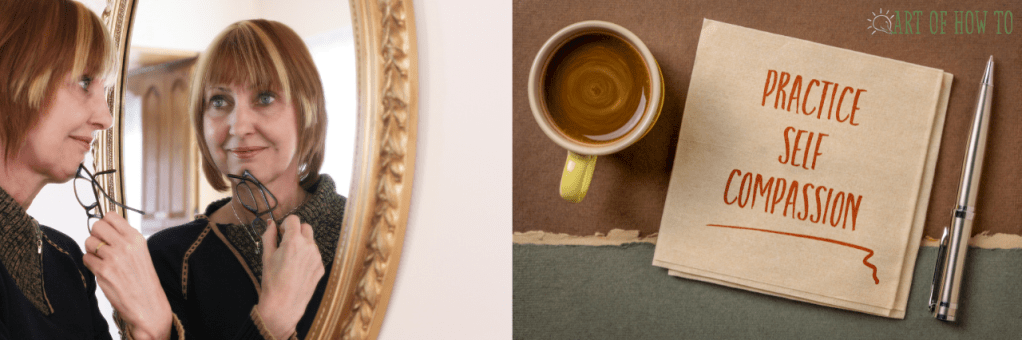
5. Practice Self-Compassion

Letting go of perfectionism is one of the most important ways to achieve a sense of work-life balance. The approach of perfectionism does nothing but bring stress. Moreover, it causes anxiety to accumulate over time. The strain and emotional stress press so hard on our well-being that we begin to crumble as our commitments increase.

6. Set Boundaries To Truly Unplug

Set and communicate your work hours clearly to your colleagues and customers to have clear boundaries. Include information on when you’ll work and when you won’t be available to respond. Many of us wear pseudo badges of honour; thinking overtime and working through weekends is commendable. In reality, this is nothing but a show of incompetence. And the lack of being able to have a life outside of work.

7. Invest In Relationships

An exciting study by Harvard Health Publishing found out the absence of strong relationships increased the chance of an early demise from all causes by 50%. That’s approximately as harmful as smoking 15 cigarettes a day. Yikes, right? Who knew that seclusion was a silent killer? Conversely, excellent and well-grounded connections and social support systems can improve health and increase longevity.

Ensure even after your work schedules and deadlines and meetings, you will make time for your well being, friends, family and all that matters to you. It is true we will never find time for anything, we will have to put effort to find time, to do what we want to do. Enjoy a little and enjoy a lot, life is short and make every second worth it.

Follow Ignatius Deepak Stanley

Stand Up For Yourself

Learning to stand up for yourself simply means you are looking out for yourself. It’s for your well-being and to improve your mental health. In short, you are maintaining your self-worth when you stand your ground. Being nonresistant in difficult circumstances can make you feel like you have let yourself down. This often leads to passive aggression. This is like a pressure cooker building up steam and about to whistle, you too will begin to lose your cool at the slightest nudge. 

Standing up for yourself technically brings about the need for you to STOP being a pushover. Or a constant people pleaser. Many people crumble under the weight of pleasing others or having this constant little voice go “what will people think of me?” Well to be honest, as long as you learn that your self-worth does not depend on external factors as much as it does from within you then you are on the right track. 

What helps you learn to stand up for yourself? Unlearning old habits of self-doubt and building the confidence to put your foot down. Rest assured this won’t happen overnight, but the journey to improvement starts with the first step. Remember Rome was not built in a day, it was built over many days! And so will your skill in taking a stand. It is not an impossible task.

Here are few somethings that can
support you jump-start this journey.

Set plans for yourself 

Some of us get over-excited while setting goals that are nearly impossible to meet. And when we sit back and view these Herculean goals, we are content just looking at them and saying “I will get to it tomorrow!” Sound familiar? While setting goals it is important to set goals that are attainable and inspire you to achieve them. Set smaller goals that add up to a larger goal. Likewise, remember to even celebrate smaller milestones and treat yourself as you achieve them. 

Develop a positive attitude

Focus on the good. It is easy to forget the good and focus on all that’s not working for you. As human beings our default button makes us view only that which brings us down rather than picks us up. A good way to do this is to practice being grateful.

Practice the attitude of gratitude

Having an attitude of gratitude means making the conscious habit of showing appreciation regularly. We have to be grateful for relationships, health, friends, food, running water, and being alive. It helps to remember that every day is a gift to be lived to its fullest.

Open yourself up to having a good laugh

It is true laughter is the best medicine. When you laugh you allow stress and pain to fade away. Enjoying light-hearted fun is what children do best. A toddler laughs close to 300 times a day, while adults, a measly 20. Why? Because we have decided the world is a bad place. It might be, but happiness and joy in the little things can turn that frown upside down.

Spend time with like-minded people 

The saying show me your friends and I will show you who you are is a true one. They say if you surround yourself with 5 happy people, you become the sixth. It is the same with success and negativity.

Practice self-talk

Give yourself positive self-talk. This helps you to the whole picture, not just the negative aspects of any given situation. When you use more positive self-talk, you are more likely to build confidence and self-esteem, feel more in control of events in your life, and achieve your goals. Start every day with a smile and a positive note. Nothing can beat that!

Believe in yourself

No one knows you better than you know yourself. So trust in yourself and it will give you surprising results. All this can become a possibility when you learn to be assertive. Being decisive means that you can stand up for yourself and others without being confrontational. You will be able to say no without hurting others. You will know when to put your foot down without trampling others’ feelings. Assertiveness can also bring with it good body language. 

And invariably remember not to become pompous. Assertiveness brings out positive body language. This can be used to bring about respect, agreement, and more importantly trust. Assertiveness also helps you deal with conflict in a calm and collected manner. This means you don’t have to lose your mind every time you face a tough situation. Being polite but firm with your response helps keep situations neutral and positive. Keep working on yourself, you are after all the star performer of your show!

 Follow Ignatius Deepak Stanley
Budgeting For A Baby

‘Children are priceless.’ Whoever voiced that never had any! Or maybe I read it wrong. Raising a child will cost you thousands and thousands a month. Maybe even more. It hinges on what you can or is capable of spending. How do you plan and build a fund for your little ones’ expenses while providing your child with everything they need to flourish without sabotaging your financial security? The key is getting your baby budget set up, start and do the best you can before the due date arrives. Let us list the essentials you’ll need for your newborn and also give you some tips on how you can afford them.

Many new parents buy more than what is actually “needed.” You might want a nice rug, a cool swing or chair, or some cute pictures to hang around the nursery. It’s all fine, just make sure you buy these things after budgeting for food, medicine, and diapers.

Essentials need NOT be expensive at all. 
They need to be functional and reasonably priced. Research is key to staying well within your budget. 

Financial Planning Before Baby Arrives

1. The Dreaded Labor & Hospital Cost

Surprisingly and often astounding is the cost of giving birth. The cost of giving birth completely depends on your location and insurance. Plan in advance. Check with your hospital and doctor on the costs and options available. In some places, you can select your preferred payment plan in advance. This will include all costs for birthing your little one. As always do research.

2. Nursery Cost & Other Home Needs

The cost of furnishing a nursery varies the same way the cost of furnishing your bedroom varies. Are you buying from a boutique? A local store? A sale? You can also if needed get your hands on some hand-me-downs to save on costs. Try freecycling sites to keep costs low. 

3. Setting Up A Nursery Cost

The price or costs can vary. You can do the whole nursery in under a lakh or decide to use hand-me-downs or Freecycle groups to set up. 

4. Ongoing Cost For Childcare

Keep in mind some things will always cost money, though. Food and diapers can’t be shared, not the same as clothes, toys, and some baby care equipment. Same with the medical cost and, depending on the age and type of childcare.

Food and Formula, Clothing and diapers, Health care for baby, Childcare eg nanny, Other things like toys or learning aids, Includes personal care items, entertainment, and reading material.

Recurring Monthly Expenses To Budget For

1. Baby Clothes & Expenses

Despite using less fabric, baby clothes usually can cost the same as grown-up ones, and at times even more. Your little one will outgrow his or her onesie quickly. However, some baby clothes do not cost much. Again an online search can help. There’s no point in being picky or stocking the closet with designer outfits.

Or you can ask friends and family members for their old baby clothes. Hand-me-downs are not bad and have been around for ages. Freecycling is a newer concept but serves the same purpose more or less. The point is to reach out and ask and you can or may receive!

2. Nursing & Feeding Expenses

Breastfeeding is the best for a baby. According to doctors breastfeeding not only protects against illnesses like pneumonia, diarrhoea, and asthma, but it also helps baby and Mama to bond. Breast pumps are a blessing for working moms, as they can pump milk and set aside, so you can bottle feed without any hassle. Some mothers may be unable to breastfeed due to many reasons. That means bottle feeding, it can be convenient especially if you have no other choice. The formula can up the costs but if you have budgeted right you will be able to give your baby the best nutrition needed for their growth.

3. Child Care & Baby Sitting

These prices vary by country and location. Options are having a relative or close friend watch your child while you’re away. If you’re a couple, one of you may want to stay home depending on how much income you can sacrifice. Maybe work from home or freelance. Hiring any help will depend on the country, the location, and the services available.

4. Medical Costs and Health Insurance

Some of us grown-ups manage to go years without seeing a doctor and huge medical bills, but infants need regular doctor visits to make sure they’re thriving. Depending on the need you can choose to pay per visit or take insurance. Whichever works best.

For insurance, you can contact your insurance provider and discuss options to insure your newborn. Having a baby is not cheap but with insurance, you may be able to control what you spend for the little ones’ regular and timely doctor appointments.

5. Life Insurance

If this is your first baby, this may be the first time you’ve ever considered life insurance. Many of us have life insurance, which you can purchase from a well-known or reliable provider. Ask yourself this: “If something were to happen to me tomorrow, how will my child survive?” Purchasing life insurance can help answer this question. You can rest assured knowing, at least, your child’s needs will be met.

Saving for Your Family’s Future

Right now, your main worry is providing for your newborn and making sure you’re financially secure. In addition to the new expenses, you have to ensure you put something away for the future. Investing or saving using banks can help. Do some research, see what you can do and how best you can do it. Take baby steps if needed but get it done. This will be a huge relief factor for you in the days to come. Also always focus on three saving terms short-term, mid-term, and long-term savings plans or options. More on this can be found online and gives detailed information on programs available for you to start or continue saving. 

 Follow Ignatius Deepak Stanley

Feeding Your Toddler

It’s been a few months of stay-at-home and work-from-home for Daddy dear! The tot has grown a little more. The little baby can walk and run nearly as fast as Usain Bolt! Feeding, bathing, and napping are all roughly under control. New foods, colours, and textures are now in. So what’s next?

Time changes things and now is the time to change a few things! Since mommy has gone back to work. This means DAD is in charge of nutrition! So here are some things to keep in mind for your toddler when it comes to food and feeding time.

Food, Feeding, and Nutrition

Your child should be eating at least three healthy meals a day, plus one or two snacks. Allow the child to be able to eat from the family pot. Meaning he or she should be able to eat the same food as the rest of the family.

DO NOT GET STUCK WITH

Fixating on amounts being eaten. 
Many parents fixate on the amount a child has to eat to be healthy. Now in one way it is true. A child must eat well but do not need to be stuffed till they get sick. 
Making mealtimes wartime. 
Trying to stuff food down your kid's throat or making this a battle of wits can have its repercussions. This must be a time for the little one to have fun. Explore colours, textures, and tastes and even try eating on his or her own!
Getting used to a device during feeding time. 
This one is hard but doable. Kids these days learn faster and better than we did. At least that's what I have observed. Reducing device time while around junior, especially at meal times is a big challenge. Once done it helps everyone detox from tech and connect as a family.

RATHER

Pay attention to helping your tot adapt to healthy eating habits. 
Including eating on time and with family at one table at mealtime. Ensure all sit together for at least one meal a day. It helps reinforce family bonding. And gives junior a sense of belonging. 
Eat healthy even as a family. 
Cut out as much junk and fried food as possible. More steamed, boiled, blanched, and fresh-made food helps. 

SAFETY

By now your child should be able to use a spoon to some extent, drink from a cup or sipper and feed him or herself a wide variety of finger foods. However, they are still learning to chew and swallow properly. Some food might just go in a gulp. This can cause the risk of choking to be high. So stick to soft easy-to-bite and chew food. At each stage wean them off. Help them understand what they are eating and how to break it down by chewing. 

DO NOT PANIC, if your child is a picky eater.

Ensure they are eating from each of the basic food groups every day:
Meat, fish, poultry, eggs
Milk, cheese, and other dairy products
Fruits and vegetables
Cereals and pulses, potatoes, rice, flour products

Do not be alarmed if your child doesn’t always meet this ideal. Many toddlers resist eating certain foods—or insist on eating only one or two favorite foods. The more you struggle with your child over their eating preferences, the more determined they will be to resist you. This can make feeding time very strenuous.

Instead, allow the baby to choose as you learn their likes and dislikes. Then match that by pairing food as needed. Offering a variety of foods and leaving the choices up to your child will eventually allow them to eat a balanced diet on their own. Toddlers also like to feed themselves, so whenever possible, offer your child finger foods instead of cooked ones that require a fork or spoon to eat.

A few tricks to get the little one interested in food time also takes on a positive note if there is tons of encouragement for your little one. Giving them support and loving words. High fives and attaboy’s or attagirl’s, go a long way. Getting a good high chair, specific bowl, or plate with cutlery set for your tot helps. You can choose fun vibrant colours for this cutlery and crockery. Maybe themed ones you know with a favourite cartoon character or superhero. Maybe a favourite colour palate. Get creative and make it fun. Your child will have a ball eating, bonding, and growing up.

Follow Ignatius Deepak Stanley

Infant Care

A StayAtHome Dad’s Version

Your little one has been home for just over two, three or about six 6 months now. At this point comes the decision on who stays back and/or who goes to work. Even how do we both go back to work but take care of our little sunshine at the same time? Daycare, crèche and many options are available for working parents. There are a few who opt to take care of their bubs. After the lots have been drawn and the coin tossed or by a mutual agreement, ‘a decision’ is made. 

Maybe…Mommy could stay back. The other option is Daddy stays at home and will take care of the little one. Mama can go to work! Yay! For some this may sound as a joke. No, it’s a great decision too. As a father, and from personal experience, I will say, you will get more time to bond with your little one and it’s pure joy at times. Note my emphasis on at times… It’s not going to be a walk in the park. But it’s going to be fun and just fair. The key is preparation. I read somewhere luck is when hard work meets preparation. And believe me, it’s true!

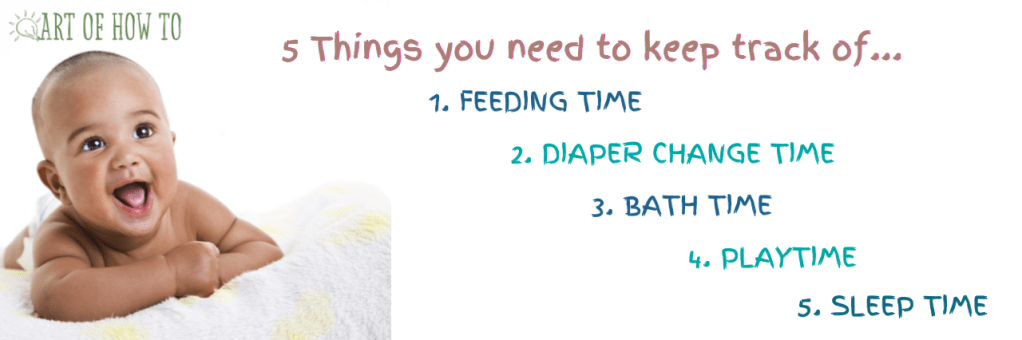
To put it simple, what do YOU have to keep track of? And let’s explore each one in detail.

Important Note - Remember do not do anything without consulting with your child's paediatrician. 
These are just suggestions and illustrations to help and give an idea. 

1. Feeding time

For a six-month-old baby, you will need to feed the little one at least once every 2 hours. At this stage, it’s mostly formula, purees, and soft food. This is aside from mother’s milk when mama is at home with the baby. Remember breastfeeding is the best and do continue breastfeeding your little one until the doctor says so or the mother cannot express milk any longer. Once the baby has eaten then it’s burping time. Either seat baby comfortably on your knee with baby’s head held carefully but securely in your hands. Gentle tap baby’s back till he or she lets out a glorious burp! Once this has happened the next thing is to allow the baby some time to lettuce food settle in. Now is not the time to play with the baby! Allow the baby to lay on your shoulder and you can walk about or rock the baby gently while sitting.

2. Diaper change time

This one is not hard at all. Keep checking your little one’s diaper as often as possible. Usually, when the infant has answered nature’s call it won’t be too hard to tell especially if it is a big job! Also known as number 2, poo, etc etc. 

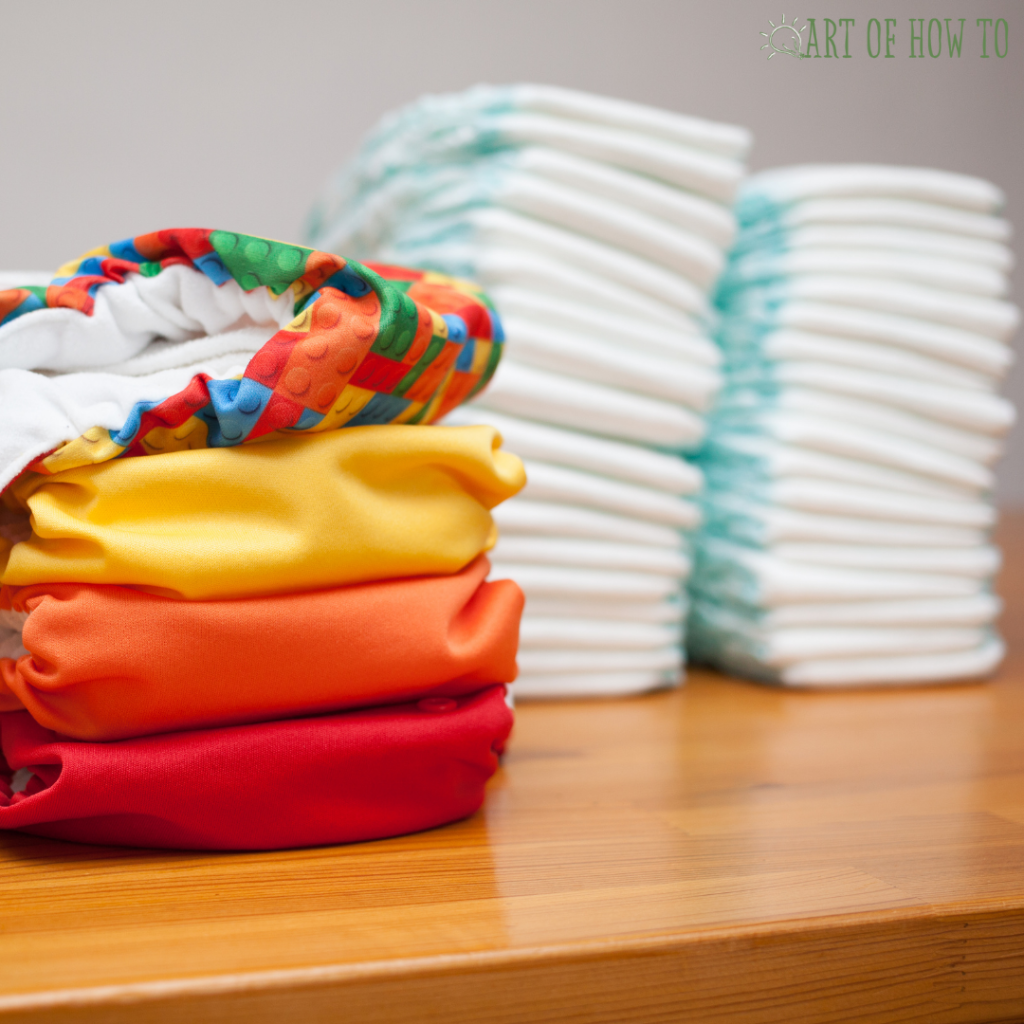
Choosing a diaper for your tiny tot is usually based on the child’s skin reaction or acceptance of certain types and even brands. Please be warned diaper rash is not pleasant for the child. Especially just as the little one starts to crawl and walk. The reason I won’t give outbound names here is that each baby is different. What worked for our little bundle of joy may or may not work for yours.

Another important thing is to know when to powder the baby’s bottom. If you have used wet wipes allow the bottom to air and dry a bit before you put the next diaper. We wouldn’t want a cake-like paste on the little one’s tender soft skin. This can cause rashes.

3. Bath time

Always good to bathe the baby when it is warm outside. Cold season and rains call for a sponge bath and when the sun does come out ensure the baby has a bath. Now you can choose to give the little one a nice oil massage before the bath. It has its benefits! However, do not yank at his/ her limbs or roughly rub your little one’s skin. Gently does the trick. Usually, this is an amazing time for fun play while getting the baby the needed limb movement and getting some blood circulating as well.

Bath amenities are something I will leave for you to decide. Trial and error can help. But easier still is to do some snooping (haha). Ask people, check google reviews, and ask your paediatrician. You will be surprised at what you learn. Some may be even better for your tot! Make bath time fun, add rubber duckies, bath books, and bubbles if you can. The baby will have a ball during the bath.

4. Playtime 

Your infant will need tummy time and the best time is when the little one has eaten about 45 minutes prior. And do not strain the baby’s back by leaving him or her to lie on their belly for too long until they can turn on their own. Check for appropriate times from your paediatrician. Why? It’s better to go with an expert’s opinion and working knowledge than to follow a fad or hearsay. Toys, a designated play area, and a stimulating environment can help. And finally the most important…

5. Sleep time

A baby of this age tends to need a lot of sleep. The reason is they are growing fast. Fast. They almost double in height and triple in weight by age 1. Newborns should get about 14–17 hours of sleep over 24 hours. Some newborns may sleep up to 18–19 hours a day. Newborns wake every couple of hours to eat. 

It’s a challenge. A challenge worth every second. Relax a little, brace for impact, there are plenty. All you have to remember is, these moments are precious and they never last for ever. I will simply say, just enjoy, cherish and be kind to yourself, your partner and let love flow.

Follow Ignatius Deepak Stanley

New Parent Check List

Preparing for the grand entry of your angel & what to expect!!! Alright. By now you are aware that your little miracle is arriving shortly. Excitement is in the air. But wait a minute! Have you made all the arrangements? Is there a hospital room tentatively booked? Did you get the right size diapers? Formula? Bottles? Is the hospital bag packed? And all of a sudden million questions hit you. And you go blank. Welcome to parenthood!

How do you keep your head above all the swirling waters of questions, doubts, and unwanted advice? It’s simple! Create a checklist. Yes, you read that right! Are you serious! You may ask. And I say YES. As first-time parents, my wife and I did just that. And guess what? It worked, and yes, it will work. 

Now you may ask what Checklist?
Let’s make an uncomplicated list of things to have ready.
Here are my suggestions, as a first time dad and a full time dad.

Simple, straightforward and easy to plan checklist.

These are not just essentials for your baby, these are essentials for a new parent. To make life easier and manageable.

Baby Carrier or Wrap 

This is needed as your little one is delicate and needs to be swaddled and comfy when carried. There is noting more to say here, make sure you check safety and get the best.

Diapers 

Most well-known diaper brands have a newborn size. Get many of these, to begin with. It is essential for the first few months. Please check, and see what your doctor says and what your baby’s skin type accepts. 

Cloth diapers are also available. Of course, it is better than a regular diaper. But each time your bub wets its diaper, a change is mandatory. As a new parent, it will be a bit of a tricky and stressful situation. New diapers in the market are better than before. They do change colours to indicate if it’s filled and if it’s time to change or not.

Baby Wipes

Just like diapers get as much as wipes if possible. It’s a life saver. Yes, they are and are as essential as diapers. Please check and see what your doctor says and what your baby’s skin type accepts.

Clothes

Get as many as needed and ensure these are easy to make the baby wear without having to move the little one around too much. Button-up or snap-type onesies work well. Cotton works best for most babies. Please check and see what your doctor says and what your baby’s skin type accepts.

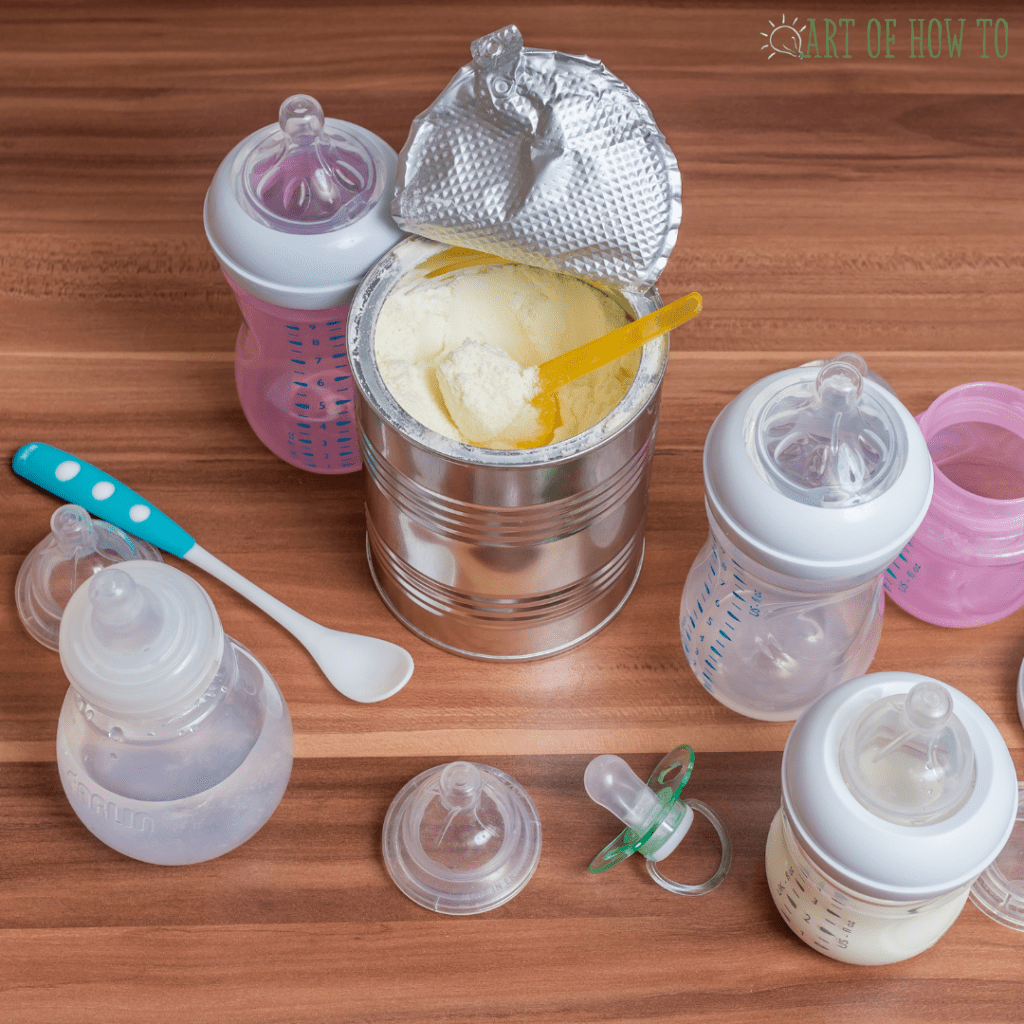
Feeding bottles

Most brands have feeding bottles for babies. A breastfeeding mom also requires a feeding bottle. She may be working and need to pump excess milk. You may need to store surplus milk for your tiny tot in bottles for later.

Please note mother’s milk is the best for your baby. Nevertheless, sometimes no matter what milk may not generate and in that case our bub’s need to be formula-fed. Please do consult with your doctor. And do not give formula unless told by your baby’s doctor.

Baby’s bathing needs

Now, this is not a tough one. But needs some preparation. Depending on your process the baby may be given an oil massage first and then given a bath. There may be some sunbathing before the shower, preferably 20 minutes. Whatever the process, ensure the baby has fun and enjoys these bath times!

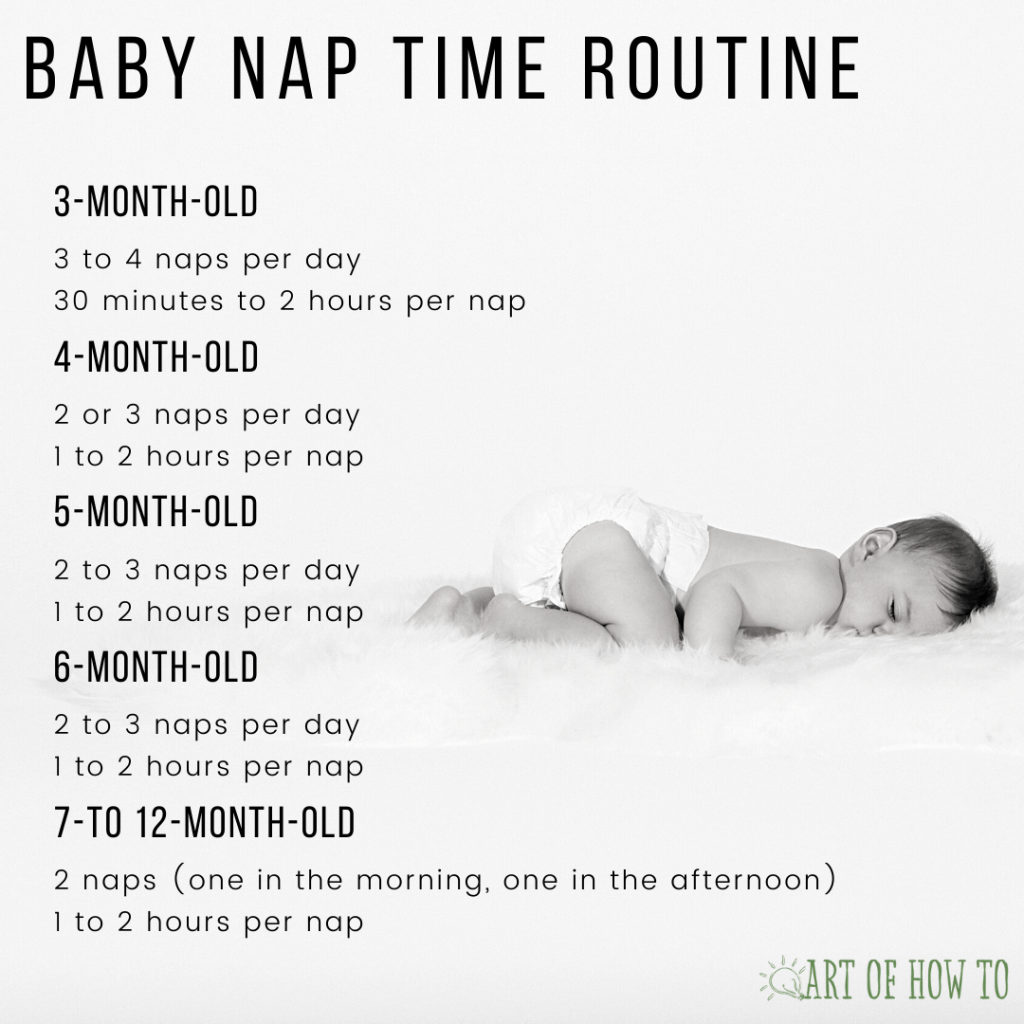
Nap time routine

I am sharing a chart for reference. This is for three month to twelve month old babies.

We will explore more about elder infant and toddler sleep times in the next article. 

Define roles for each partner when it comes to taking care of baby! 

Each one needs a break while caring for your little one. A mother can only do so much in 24 hrs. So be ready to divide the tasks and conquer! Examples can be feeding, burping, diapering, bathing, helping the baby to sleep. There are plenty of responsibilities.

Also, please note. Your baby needs playtime at this stage mainly tummy time. Always supervise your baby during tummy time. Ensure there are breaks from tummy time by rolling junior over onto their back once in a while. For this, you will need simple toys and a play mat. Most of the age-appropriate toys are musical, large but light enough for the baby to grip, pull, and maybe even chow down on. Your baby may not enjoy many toys at this stage but ensure they have a good play mat and some soft toys. It’s a good start!

Bear in mind that no two babies are the same. All information shared here merely offers an idea of what to expect. This phase is going to be the best part of your life. Never forget to enjoy each moment. You will get to see a smaller version of you evolve into an amazing human being.

Of course, there are plenty of challenges ahead. Nevertheless, you will love each second, even the difficult ones. It’s worth it. Have fun with the process and remember to be patient. It’s going to be okay! Trust me, I am a new dad, and I am learning and growing as my bub grows. I know I am changing, my mindset and myself. I will be sharing more parenting tips as we grow. 

 Follow Ignatius Deepak Stanley

5 To Do To A Healthier Life

I am sure you have read, re-read, mastered, learned, and unlearnt hundreds of ways to stay healthy, fit, and of sound mind. I have done that too! Today, I will help bring a few elements together to help you create an easy list to start with, no matter what level of discipline you have! Simple this checklist may sound. However, none of us give enough emphasis on these five simple points and that’s a concern.

Here are my Five To Do’s and how they could help us?

1. Drink more fluids 

First, when it comes to your body, we have been taught that our body is made up of roughly 65% of water. Keeping yourself hydrated and well-watered is highly essential for multiple reasons. It helps keep your blood thin enough to flow easily to the heartland around your body. This means less stress on your heart. It naturally cools you. Combats dehydration from sweating. Helps flush out toxins when you use the bathroom. Now, most of that is water! What about fresh juices then? This helps deliver much-needed elements like minerals, natural sugars, and trace minerals. And more importantly flavour and colour to your beverage or refreshment!

2. Exercise fairly

Second, Exercise is a word that can send shudders down the spines of some of us because we don’t want to go to the gym. However, not all exercise needs a gym. That s why I used the term exercise fairly. Learn what your body needs in terms of exercise. Workouts can be fun if you decide you want to have fun with them! It can be a walk in the park, a slow jog around your neighbourhood, a swim, or maybe go cycling. Whatever you choose to do ensure it brings you movement and joy. This will ensure you do it as often as needed.

3. Sleep sufficiently

Third, Sleep for some of us is second nature. Lay your head on the pillow and “POOF” off to Lala land you go. Not for everyone, unfortunately. Some of us need tea, lights, music, pills, or a soft knock to the head with a hammer (I am kidding with the last one) but I am sure along with your smile or chuckle even you know the challenges either personally or have a loved one struggling with this. Clean sleep habits are found in plenty online these days. So here are a few that may help. These are aside from your eating or drinking system before you sleep.

Have the room relatively cooler than the rest of the house, if you use a fan, air cooler or air conditioner ensure this is not so cold that you feel like you are in the North Pole. Cozy enough to help you nod off with ease.

Ensure the room is dark enough for your eyes to not be disturbed. Slight bright light causes your eyes to open and can hamper sleep. Night lights or dim lights can be used if you have the habit of leaving them on.

Once you lie down to sleep, ease your breathing to allow your body to relax and slowly drift off into a restful state. Try to sleep for at least 4 sleep cycles. One sleep cycle is about 90 minutes long which means the minimum suggested sleep one needs is about 6 hrs. The maximum suggested sleep is 6 sleep cycles or 9 hours. Note this is just a suggestion. Some people can live on less sleep and some need much more depending on the situation.

4. Eat well

Fourth Eat well, this is not the section that supports different types of eaters. It instead is to help you figure out what portions to eat and what to slow down on or cut out if needed. A large breakfast is always key to having a great day. Unfortunately, many of us will snack on a slice of toast, a power bar, or a glass of milk and expect our bodies to generate enough energy after roughly 6-9 hrs of sleep!

Lunch is supposed to be a medium-sized meal. Some of us cannot control the need to stuff ourselves here and then sleep through meetings with a slight snore!

Dinner is supposed to be the lightest meal for our bodies to rest and recharge for the next day. Here again, we tend to feast and directly head to bed. And wake up a few years later after a daily routine like this and wonder why we have become fat!

The reason is simple. Our bodies go into a panic mode and store all excess food as fat to beat the poor breakfast habit we have.

To try and get this right remember Breakfast like a king/queen, lunch like a prince/ princess, and dinner like a pauper. Another version of this is to eat your breakfast, share your lunch with a friend, and give your dinner to your enemy. Whatever your preference, the conclusion drawn is the same breakfast is simply the most important meal of the day!

5. Ease your mind

Fifth, Ease your mind. Stress and anxiety are nothing new. However, they are causing people to have breakdowns. Most lifestyle illnesses sprout from our poor mental health. Negativity, constant work pressure, family challenges, things not going right. The list is endless. One needs to learn how to avoid these kinds of thoughts and there are many ways to do so.

Here, the only point we will cover is that you need to learn what your stress or anxiety thought triggers are and work them out. Learn to do breathing exercises or meditation whichever works for you. You may be able to handle this on your own or may need professional help. Either way, ensure you learn how to cope with it.

A healthy mind leads to a healthy body!

Follow Ignatius Deepak Stanley

3 Simple & Systematic Savings Plan

Over the years people have worked and tried to create savings from whatever earnings they fetch. However, in this century… the 21st century a lot of youth who have commenced working have started falling into enormous debt. How are they sinking into massive debt? We all start with fair wages. Though trying to show the world that we are living the good life, break the bank. If you ask how are we still doing this! Some take credit cards and others take huge loans. Therefore putting ourselves into a vicious cycle of debt and debt relief. This cycle if not broken, becomes one that causes for stress anxiety depression, and multiple other health disorders.
So how do you beat it? Here is my three ways to ‘Simple & Systematic Savings Plan’

1. CREATE A SYSTEM TO SAVE A PART OF YOUR INCOME

One way is by creating a system or a plan to save a portion of your income. Here is how. First, figure out how much you need per month to survive. From your whole salary divide it into 4 parts. The first part (40% of your salary or income) is for essentials and monthly expenses ( this covers, food, electric, gas, phone bills, fuel, etc). The second part (15% of your income) will be for other things like outings and fun activities (holidays or family visits) The third part (20% of your income) will be kept for emergencies and if in a month there are none it goes into a recurring deposit for future use. The forth point (25% of your income) goes straight into savings. No questions asked, no excuses.

2. CREATE A LAYERED SAVINGS PLAN

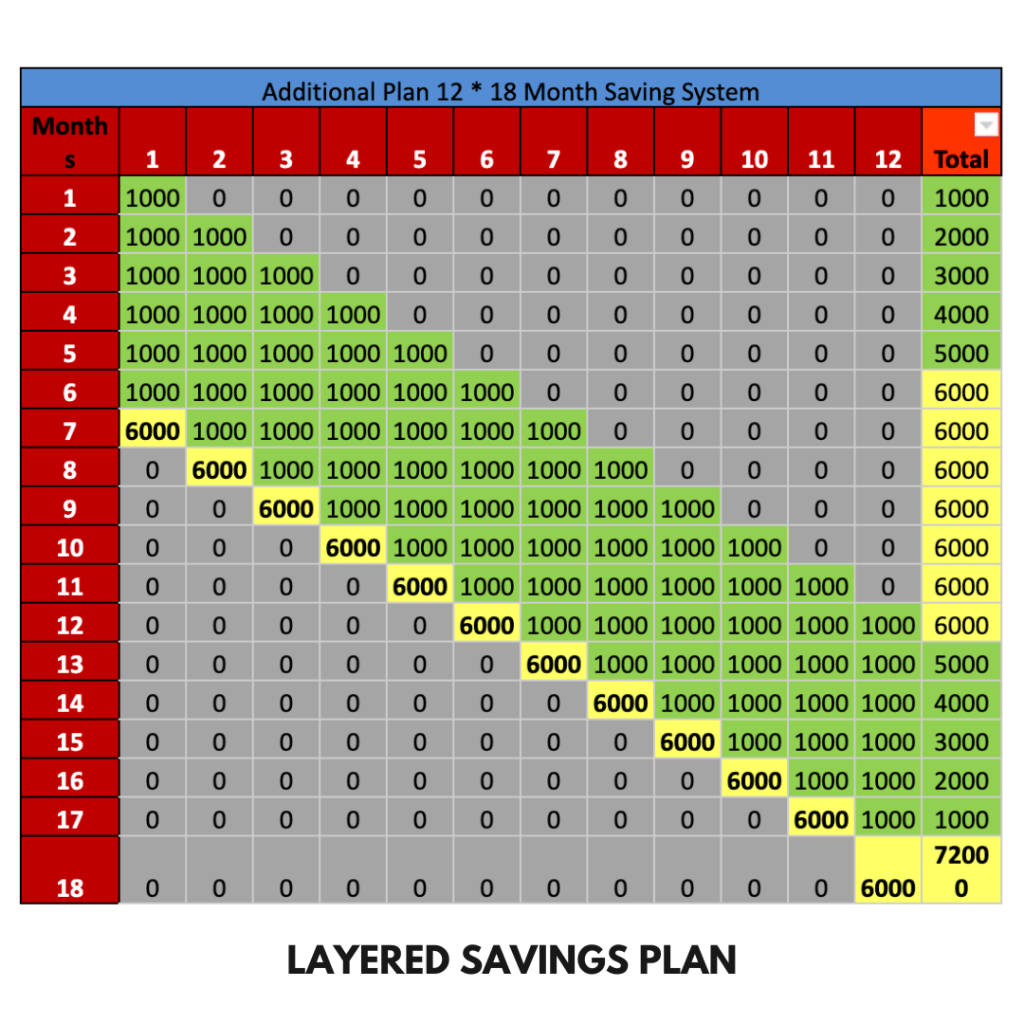
Let’s say you are not one to handle too much addition, subtraction or division. Another simple system is to create a layered savings plan using a low saving amount and slowly building up to a large amount.

This will take you about 6 months to finish one layer and then 5 years to create an inflow of interest and savings and 10 years to ensure it continues to aide your financial needs or saving needs at the time.

Check out the simple table explaining how this can be done. (amounts are in Indian Rupees) As you can see from the example here, this is how the layered savings system works.

3. FLAT 30% SAVING SYSTEM

From your total earnings per month all you have to do is subtract 30% of what you get in hand and put it away in to any form of saving. You can set up an automated system for this amount to be auto debited on a specific day in any given month. Of all the discussed plan this one is slightly harder. Reason being you have to assume that 30% of your income is not yours to use. This system is good and beneficial if one can commit to it. Having shared these with you. The best way forward is for you the reader to come up with your own plan. Choose one that works well for you and make tweaks or changes as needed.

Now while this is just a suggested breakup of how to do it. You tango ahead and make adjustments to the numbers to suit your need. Always Remember, discipline in handling money will give you an added advantage. It helps you stay financially independent and stress-free.

Follow Ignatius Deepak Stanley