A relationship is a two-way bridge. The love and bond between couples intensify when they practice the love languages they relate to. Unfortunately, what happens over time is that the relationship gets monotonous. The pair drift apart due to routine and other circumstances. However, staying rooted and holding on to that magic that once connected the two of them is entirely possible!
The first rule is to be respectful. There is no relationship, not just between a man and a woman, but between anyone, including friends and family, where there is no argument or disagreement. It is, therefore, a two-way effort between the couple to honor and implement the act of kindness and understanding towards each other. Respecting each other, using words of kindness, and being there for each other in all circumstances are very significant.
Secondly, prioritizing spending time together, eating meals together, openly having conversations apart from the home routine, and taking time to compliment, observe, and appreciate each other go a long way in keeping the bond strong and healthy.
Intimacy is the following significant factor in any relationship. Keeping intimacy and romance alive in the marriage is something many couples miss prioritizing. Love grows with harmony, peace, and some good time together. The biological needs and the emotional connection met through being intimate and loving with each other are unmatched.
Couples who go through marriage issues reveal how intimacy has been a primary concern between the two. Intimacy does not have to be about sex. It starts way before hitting the bed. It is in how they treat each other, respect each other, value each other, and help each other in the smallest of daily activities. It is not about red roses and glimmering jewelry but about keeping the light burning and the vibe alive.
Lastly, it is also in how they handle difficult situations. Most couples forget that it is a problem vs. them, and they don’t have to be bitter about a situation between themselves. Instead, keeping calm and logically finding a solution together can be healing and highly healthy for the relationship. This enhances the beauty of the effort the two individuals put in and helps them raise children who understand and know the importance of patience and love between other human beings. Children learn how to love from their homes. Therefore, each parent’s responsible for showing their children what it is to be a family unit and kind, empathetic humans.
Together we are strong. This mantra can save a lot of sinking relationships.
——
Aakanksha Dinah, a passionate writer, orator, communicator focused on establishing a Training institution centered on creativity and innovation. Aakanksha is a true believer in loving the work we do and strongly believes in smart-work, the reason why creativity works better for her. Aakanksha is enormously focused on making a career in professional writing and publishing. She loves writing poems, self-help articles, and essays. An enthusiast when it comes to learning languages and in short, Aakanksha is a wanderer, an explorer, a mom, a dog-mom, a poet, a cook, a writer, and an influencer.
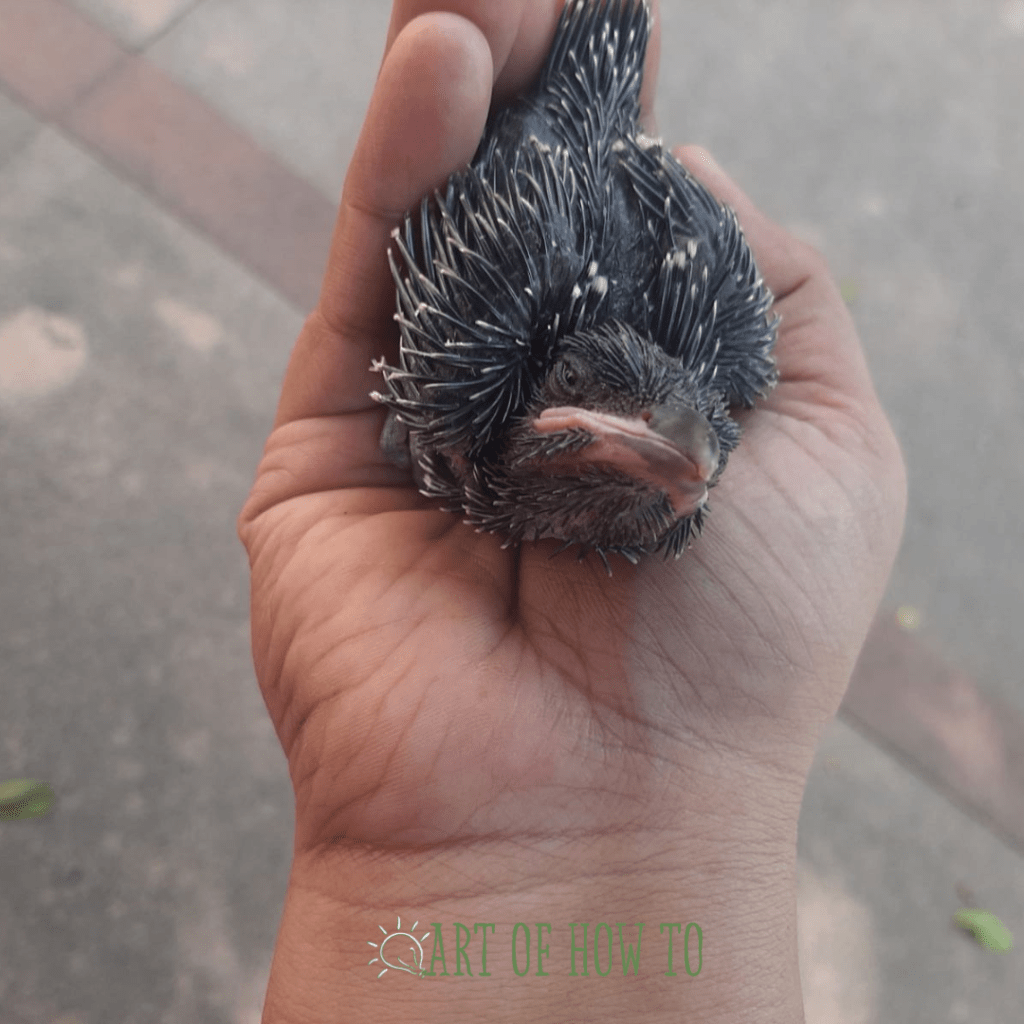
I was born in a nest on a tall tree. When I opened my eyes to the world, I heard squeals from my brothers and sisters. The “cheep-cheep” sounds around me were all I heard for the first few days. Our mother would fly away and bring us fresh worms to eat. Our father used to guard the nest, flying in and out to check on us. All we did was open our mouths when we were hungry and go to sleep. Then, barely a few days later, our mother started teaching us to fly.
Our wings had grown, and we attempted to open and flutter them. Slowly, one by one, my brothers and sisters flew from the nest to newer places. The world outside the nest was unknown to me. Whenever some of my brothers and sisters came to visit, they would fill me with exciting stories – some scary and some exciting. I also wanted to explore the world, but…
So, I was one of the last ones remaining in the nest. My mother had tried to push me out of the nest many times but failed to. I would often reach the edge and retreat. Angrily, my mom finally made me off the perch with her sharp beak. I managed to fly a little but crashed to the ground. I almost thought I had broken my wings as I touched the soft mud. When I recovered from the fall, I looked around me. It was all green bushes around, and I heard shouts and excited squeals from tiny humans everywhere.
I saw many small pairs of eyes staring at me – some straining their necks to see me, reaching out to touch me with their hands. I got scared and retreated into the grass. I started feeling sleepy and went into a deep sleep. A while later, I found it all dark around me after I awoke. It had started raining heavily. I got scared and started crying. I became hungry and started shivering because of the cold too. I kept crying through the night. When I fell, I almost thought I would not have survived the fall. Throughout, I kept remembering the time my mother used to teach me to fly. Sigh! If only I had learned to fly!
The first lights of the day opened my eyes. I got growly and hungry. I suddenly saw two tiny humans peeking at me and exchanging looks. My loud cries must have attracted their attention. There was a more significant human who had something in her hand. First, I got scared, thinking the human would attack me. After a few minutes, she dropped some water in my mouth and happily gulped it one after the other. The tiny humans looked happy and started jumping joyfully, looking at me drinking water. A bit later, I got a few rice grains in my mouth that I could barely swallow. I continued crying throughout that morning. Two humans scooped me up a while later and took me to another place. It looked like a bright place, and my humans placed me in a small room. The room had a small window too. They fed me food that I hungrily gobbled and water to drink.
Soon, I fell fast asleep, deep in my dreams. I imagined my mom and dad with my brothers and sisters. We happily played until a bright light came, and all went dark suddenly. I awoke with a start, hearing loud sounds of tiny humans screaming around me. I peeked outside the window to see more eyes looking at me.
Sigh! I miss my family so much!
This is for all those tiny chicks who get separated from their mothers. The bird is a cuckoo baby who I am currently fostering.
——
Priya is a quirky writer/photographer/closet poet, and singer who has traversed a non-conventional path. As a former entertainment journalist who has worked in print and online media for a decade, Priya loves talking to people and writing their unspoken stories. She is the single parent of an 8.5-year-old son settled in Tamil Nadu and a freelance Content Consultant. Priya is also an informal mentor to parents in her local parenting network. She dreams of being an author and maybe a scriptwriter someday!
The term “school refusal” was formerly synonymous with truancy, conjuring images of children loitering on street corners or playing video games in their dormitories.
While it is true that some game-playing may be involved, it is essential to note that school refusal is not the same as skipping class. It is motivated not by the appeal of having pleasure outside of school but by an aversion to school.
Problematic patterns
Everyone occasionally resists going to school, but school refusal behavior is an extreme pattern of avoiding school that causes significant problems for the child. Several distinguishing characteristics differentiate school refusal from typical avoidance:
How long has a minor avoided attending school?
How much anxiety do they associate with school attendance
How tenaciously they resist
How much their resistance is interfering with their life (and the life of their family)
Even if a child attends school on the majority of school days, they may still experience school refusal. I’ve worked with children who have missed only one or two days of school but have been 30 times late because their anxiety prevents them from arriving on time. Children with school refusal may also have the habit of departing school early, spending a great deal of time at the school nurse’s office, or texting their parents throughout the day.
Suspicious Sick Days
Children with school refusal frequently report unexplained symptoms, such as migraines or stomachaches. In addition, anxiety manifests itself physically, so their symptoms may indicate this. In this situation, the first thing you as a parent should do is have your infant examined by a pediatrician; you do not want to overlook a medical issue. However, it is possible that attending school is their concern.
Occasionally, reluctance to attend school is a minor blip on the radar that can be readily remedied. Perhaps your child had the illness and was out of school for a significant amount of time; they are now having trouble readjusting to school. They are suddenly becoming possessive and anxious about the homework they neglected.
In this situation, it is essential to minimize time spent at home. Instead, you wish to have a conversation with your child’s instructor. You want to be capable of telling them, “We’ve informed your teacher that you were absent due to illness. I am aware of your concern, but he understands. It is time to return to class.” Then they return to school, where things are frequently relatively straightforward.
Similarly, some school-aged children experience anxiety blips after summer vacation. The primary objective is to enroll children in school as soon as feasible.
Understanding The Problem
For more severe cases of school refusal, the initial step in treatment is to obtain a thorough diagnostic evaluation. Although school refusal is not a diagnosable disorder, it frequently occurs alongside separation anxiety, social anxiety, melancholy, and panic disorder. Therefore, a thorough review enables treatment professionals to determine the underlying causes of your child’s school refusal, allowing them to tailor therapy to their needs.
Listen Up
There is also the possibility that something specific is occurring at school, such as bullying or a challenging subject. This does not imply that you should promptly ask your child who refuses to attend school, “Who’s bullying you?” But it is essential to be aware of your child’s current circumstances. You should anticipate hearing about their teacher and assignment progress. It would help if you also were mindful of the children your child associates with. All of these topics should be discussed in ordinary conversation. And if your child mentions something that happened that day, stop what you’re doing, perk up your hearing, and listen without judgment, because it may be significant.
Reaching Out
Treatment providers for children with school refusal frequently employ cognitive behavioral therapy, which teaches children to manage their anxious thoughts and confront their fears. Although anxious children may disagree, the best method to overcome anxiety is to become more accustomed to feeling anxious. Children need the opportunity to see that they can attend education and that their worst fears will not be realized. Exposure therapy, which progressively reintroduces children to the school environment, is highly effective. In the initial stages of treatment, this may involve driving by the school or strolling its empty halls on the weekend. From there, children can progress to attending one or two courses and, ultimately, a full day by the end of treatment.
Being proactive and identifying school refusal as soon as possible is preferable. Unfortunately, the longer a child is absent from school, the more difficult it is for them to return to the routine, as skipping is highly reinforcing.
Families I’ve worked with have described preparing for school as a battle with tantrums. Sometimes the morning is so complicated and tiring that the parents give up and say, “Fine, stay home; I’ll go pick up your homework.” It is a very understandable situation, but again, allowing it to persist delays the return of children to school by one day. Parents must understand that the sooner their child returns to school, the better and that seeking assistance is a crucial first step.
——
“Saral hu Saadharn nhi” (Simplicity is not Ordinary). This phrase encapsulates her entire existence. A woman of few words, a daydreamer, who is certain that there is life beyond stars. An HR professional who began her writing journey when corona knocked on our doors. A Content Writer, Screenplay Writer, and published Author. She is die-hard romantic and that reflects in her quotes, poems and short stories and currently working on her first book. She enjoys cooking, dancing, singing, travelling, and is a huge Bollywood enthusiast. She is a wife, a mother and a friend you can most certainly rely on.
You are your creator – in terms of happiness, karma, joy, emotions, actions, and lifestyle – you create your existence. It is absolutely in your control how you live your life. Holding others around you responsible for making you happy or sad may seem convenient. Still, allowing yourself to succumb to the energy around you is undoubtedly within you.
There are energy shifts around you that translate the aura and vibe you experience and give out. Your aura must be an amalgam of how wonderfully and beautifully you are created. It must reflect all the goodness you are filled with. It must resonate with the warmth and love you have within you to give to this world. There is so much power in positive affirmations and manifesting in the right spirit.
You must always consciously try to connect with the positivity within you and carry forward the glow and charm you are born with. Yes, it is easy to get carried away and feel heavy within, giving into mood swings and grumpy emotions. However, it is wiser to get over and smile despite the circumstance to see how blessed you are and continue doing what must be done next.
There is so much strength in believing in yourself and maintaining a lifestyle with some self-talk and analysis. There is wisdom in knowing yourself and honouring yourself. There is a lot of positivity in being yourself and manifesting all good things in your life and others. You must know what to speak and when. You must learn and unlearn habits and traditions that grow or hinder your progress. You must carry forward all the good morals and values instilled in you and try to break generational curses that no longer have a place in your life and your kids’. Manifest and affirm that you are blessed.
Believe that you are successful. Trust that you are beautiful inside and out! What you believe inside you will get you places – it will make you see the vastness of this world and yourself! Therefore, manifest in learning the highest version of yourself, invest in maturing with the world, and prosper, for you are born to do so!
Aakanksha Dinah, a passionate writer, orator, communicator focused on establishing a Training institution centered on creativity and innovation. Aakanksha is a true believer in loving the work we do and strongly believes in smart-work, the reason why creativity works better for her. Aakanksha is enormously focused on making a career in professional writing and publishing. She loves writing poems, self-help articles, and essays. An enthusiast when it comes to learning languages and in short, Aakanksha is a wanderer, an explorer, a mom, a dog-mom, a poet, a cook, a writer, and an influencer.
If you have travelled across the world or at least outside your region or state of residence, one exciting and glaring difference you may have found is the lifestyles and food habits of the natives. In fact, at times, that is the reason some people travel – to explore the nuances and differences in cuisines, flavours, ethnicity, and cultural heterogeneity.
Most of these diversities are indeed influenced by various factors like natural habitat, region, culture, religion, local availability, and personal choices! However, of these differences in lifestyles and dietary choices, the argument that hits the hardest is that of Vegetarian vs. Non-Vegetarian food!
Vegetarian vs. Non-Vegetarian
It is a very tricky and sensitive topic. While dietary choices are very personal, they are influenced by several factors, some of which are outside the control domain of an individual. Therefore, to say that a specific diet is necessarily better than the other is a bit of self-flattery and delusional.
Today’s argument is not about which diet is better –veg or non-veg … But it is about the people that uphold a diet preference as ‘Holier than thou’!
It is about those who cringe at the sight of non-vegetarian food and may sometimes step on others’ feet to declare how the others must drop their preference and choose a diet similar to the propagators themselves. It is about the people who carry ‘The Vegetarian Halo.’
The Vegetarian Halo
The vegetarian halo refers to the positive perception and assumptions associated with individuals who follow a vegetarian diet. It refers to the idea that some vegetarians see themselves as more virtuous, compassionate, and environmentally conscious than those who consume meat. These rare but present people feel their vegetarianism accords them with a sanctity that makes them a breed holier, more spiritual, and more sacred than others. Almost as if they walk with an invisible HALO above their heads.
You may routinely hear some joint statements from them, like:
“How can you be so heartless to eat meat?”
“I don’t contribute to the suffering of animals.”
“I’m more conscious, superior, and enlightened ….. because I choose not to eat meat.”
“Vegetarianism is a more compassionate, pious, and ethical choice.”
They walk the earth’s surface almost as if they were the chosen ones entrusted with the moral task of carrying the burden of all existential HUMAN SANCTITY.
At this juncture, where I can almost sense debates arising, let me reiterate – The problem is not with them choosing a specific diet and style. The problem is the vegetarian narcissism they feel entitled to unleash onto others. They think that by merely choosing to eat vegetarian, they acquire moral rights to school the ‘unholy’ spirits about how wrong they are in choosing anything that is not plant-based.
What they forget in the bargain is that dietary preferences are a person’s personal and fundamental right and that they need to approach such discussions with mutual respect and open-mindedness. Individuals need to realize that they may exercise their dietary choices without belittling or judging others who make different choices. What is an ‘unbearable’ sight for you is ‘FOOD’ for the other. It commands respect!
They must understand that more than any personal choice, a food preference is primarily dictated by a fellow human’s cultural, geographical, and religious contexts. E.g., The natural habitat, geographical location, and climate of the region may affect the availability or abundance of certain foods. Like in the case of people living in coastal areas often have easy access to seafood, while inland regions may rely more on land-based produce. These shape dietary preferences.
Similarly, different cultures have their culinary traditions and food preferences. These cultural practices are often passed down through generations and shape routine dietary habits. So, suppose your ancestors were natives of Afghanistan. In that case, you are still more likely to continue savouring Mantu, Chapli Kebab, or Mahi Sefeed, even while nestled in a cozy-busy city in the plains.
Regional food preferences are also heavily influenced by the local availability of ingredients. So, if you are an Afghani living in Japan, your Kabuli pulao may include Wagyu beef, or your Mahi Sefeed may be prepared with sashimi-grade tuna or even Unagi. Or if nothing non-vegetarian is available, a person might switch to vegetarianism based on what is quickly and locally available. Choosing local produce over specific food items is always advisable to maintain the sensitive ecological balance of the region you call home!
The ‘holier than thou’ tribe needs to realize that while vegetarianism is acceptable, it is more important to prioritize environmental sustainability and respectful mutual existence before discussing morality based on food preference. While vegetarians may pride themselves in leaving lesser carbon footprints, non-vegetarians can boast about restoring ecological balance by participating in ecosystems that rely on natural predator-prey relationships for credit. Imagine if all humanity were to eat only plant-based foods – you would soon run out of the earth’s natural resources. Or if everyone were to start eating meat or fish – the entire food chain would get disturbed, right?
The truth is that the diversity in food preferences works to balance the universe’s delicate and fragile mutual dependency. So, the next time someone tries to guilt-trip you about choosing to be non-vegetarian, show them this article!
Did you know that the diet you consider ‘vegetarian’ may not be as vegetarian as you would like to believe? Take a look at different diets that are considered ‘vegetarian’ the world over…
Lacto-ovo-vegetarian: This is the most common type of vegetarianism and involves avoiding meat, poultry, and fish but still includes dairy products like milk, butter, ghee, cheese, etc., and honey and eggs (animal products) in the diet.
Lacto-vegetarian: This type of diet involves primarily plant-based food, avoiding meat, poultry, fish, and eggs, but still includes dairy products like milk, butter, and cheese in the diet.
Veganism: Vegans avoid all animal products, including meat, poultry, fish, dairy, eggs, and honey. They also avoid any other products that come from animals, such as leather or wool. Some even practice raw veganism, which involves eating only foods that are not cooked or processed.
Plant-based diet: This refers to a diet consisting mainly of plant-based foods, including fruits, vegetables, whole grains, legumes, nuts, and seeds. Depending on the individual’s preferences and needs, it may or may not include small amounts of animal products.
Flexitarianism: Also known as a “casual vegetarian,” this approach involves reducing meat consumption but not eliminating it from the diet. Flexitarians often eat meat only occasionally or in small amounts.
Fruitarianism: This type of vegetarianism goes a step beyond raw veganism and involves only eating fruits, nuts, seeds, and other plant-based foods that can be harvested without harming the plant.
Jain vegetarianism: This type of vegetarianism is practiced by Jains, a religious group in India, and involves avoiding all animal products, including honey. They even avert vegetables that grow underground and those believed to contain microscopic life.
With so much going on with just defining a vegetarian diet, how does one even define one “right” way to be a vegetarian?
——
Veena Gupta, a homemaker, doting mother, and a loving wife, who takes pride in a long-standing career in Banking and Finance. While her life took shape and as she was pursuing all this, something kept tugging her creativity. This pull lead her to decide to express her thoughts through writing. True to her name, her words flow from her pen to resonate with the reader’s mind like the soothing music that the musical instrument Veena creates! For someone who likes to experiment in life through adventure sports, trekking, and other varied interests, Veena likes to bring her experience, background and perspective to her readers through her simple yet effective writing to push the fact home!
“I love cooking. It gives me a lot of peace.” “Cooking is therapy, and I feel good about it.” “Cooking gives me goals to do, things to think about. The process of cooking helps re-center me, diverting me from all negative thoughts.” “Cooking is meditation.”
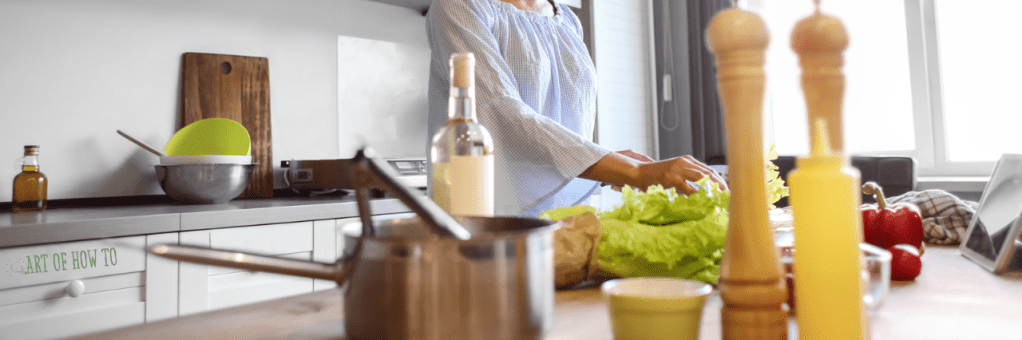
If you resonate with the above, you are a mindful cooking practitioner. In other words, when cooking, you only concentrate on the food, the pots and pans, and the kitchen. The kitchen is your sanctum sanctorum for making food, and you experience peace there. I know many friends who tell them that cooking helps them de-stress. It allows them to take time out for themselves.
It is one space where they can be themselves. Of course, the condition being no one is around to disrupt their thoughts, and the place is not chaotic. To truly experience the aromas and flavours of every dish, one must be there whole and soul! Your mind must be in that place rather than elsewhere. They say you need not be a skillful or a good cook but a mindful cook. When you begin cooking, you know precisely what you put in the dish.
1. Start grounding yourself
There is no better way to begin the day than going for a nature walk, letting the first rays of the sun fall on your face, walking on bare grass and earth, and spending time in the water. Grounding is the best way to absorb nature’s positive energies and nourish your food.
2. Practice Gratitude
Taking a moment before beginning cooking is a great way to bring in mindfulness during cooking. In addition, you can thank the Universe for giving you all the ingredients to cook and appreciating the nutrition you are receiving from the food grown.
3. Set the intent
What is intent? It is a purpose or goal that you set before beginning any task. The same goes for cooking. What do you want to prepare today? Is it something that you would like to eat? Is it for someone in your family? Either way, the intent must be positive in anything you cook – something that makes everyone happy, including yourself. For instance, you can say, “I want to prepare a nourishing, delicious meal for my family.” You can make similar statements or affirmations and display them in your head before beginning to cook.
4. Being in the present
As you cook, feel the warmth in the kitchen, breathe in the aromas and flavours, and feel the taste of the texture of the food on the tastebuds. If you think of all these, you are entirely into cooking.
5. Shut off external distractions
There were no gadgets in earlier times, so one leisurely did cooking. We knew what we were cooking and what we ate as well. Cooking minus any external distractions (of course, there can be emergency calls, but avoid social media distractions) is the best way to practice mindful cooking.
6. Make it a sensory experience
Using all your senses – sight, smell, taste, touch, and sound – helps immensely in mindful cooking. For instance, noticing the colour of the vegetables, feeling the texture of the grains before and during cooking, tasting the gravy after you add salt and spices, and finally listening to the sizzling pan or the spluttering of seeds in the hot oil before you do the garnish, and smelling in all the spices, will engage all your senses effectively during cooking. Old timers vouch that they could make food without tasting it.
7. Pen down recipes
You may say that you are looking at a YouTube channel for recipes, but most of the time (be honest!), you spend more time before the screen, browsing other videos. Once you select the recipe you like, you can copy the recipe/write it down in a diary first (old-fashioned pen and paper!) before entering the kitchen. You could even pick the ingredients out while watching the video. Then, when you begin the process of cooking, you can have the diary around with you. It was an excellent old-fashioned method used in the days of zero digital devices by our grandmothers and great-grandmothers. They often remembered recipes verbatim thanks to this habit. So that rules out your need for a gadget for cooking.
8. Slow cooking
Stirring a gravy, kneading the dough, boiling rice, making a salad, chopping vegetables, and setting the table are all a part of slow cooking. It sounds impractical to do slow cooking when you are running against time to complete your deadline. But the solution may be to keep some time off for cooking alone. In your limited time, consciously keep away all kinds of distractions. That is why many love slow cooking on an open fire as well. No wonder our parents always insisted on waking up at dawn!
“Cooking is not just about the food. It’s about the intention, the love, and the energy we infuse into every dish.”
How accurate is this statement? Think about how many days you have practiced mindful cooking. If you still need to and are caught up in the daily, monotonous routine, it is time to reset and start all over. If food nourishes the body, soulfully made food enhances both mind and body!
——
Priya is a quirky writer/photographer/closet poet, and singer who has traversed a non-conventional path. As a former entertainment journalist who has worked in print and online media for a decade, Priya loves talking to people and writing their unspoken stories. She is the single parent of an 8.5-year-old son settled in Tamil Nadu and a freelance Content Consultant. Priya is also an informal mentor to parents in her local parenting network. She dreams of being an author and maybe a scriptwriter someday!
Starting small is the key. Learn to love your mornings, which is good news for night owls and anyone who does not spring out of bed as soon as the sun rises. Routine adjustments of any size can improve your mood and energy levels. You can enhance little things to help you obtain the rest you need. When you are well-rested, getting up is not difficult.
1. Place Alarm Out of Reach
Pressing the snooze button will not make you feel more rested unless you still have an hour or two to sleep. But when you first hear that grating beep, there is another reason to stand up. You can maintain the synchronisation of your body’s internal clock by rising and retiring simultaneously each day. As a result, you become more tired at night and more alert in the morning.
2. Let in the Light
When you awaken, open the blinds or curtains. Also, go outside. Your brain functions better, and your body clock runs more smoothly under natural light. Lights should be on if the weather is dark. A flashing alarm clock might be helpful to.
Additionally, it might not be as abrupt as a loud alarm. Try using a lightbox (or sunlamp) if you experience morning brain fog or suffer from depression or seasonal affective disorder. You may feel happier and more alert as a result.
3. Enjoy a Morning Splurge
Make a plan for something to look forward to every morning to help you resist the impulse to stay in bed. For example, while enjoying a delicious breakfast, you might read your favorite website or stroll around a beautiful park. Anything that makes you happy or excited stimulates your brain and helps you feel less sleepy.
4. Sip a Cup of Joy
Just make sure it is the caffeinated variety of coffee. Brain neurotransmitters like dopamine and serotonin are stimulated by caffeine. They make you feel better, give you more energy, and help you concentrate. Regular coffee drinkers are also less likely to experience the blues than those who do so, just seldom or never. Do you not like it? Choose a cup of green or black tea. They include beneficial components in addition to caffeine.
5. Schedule a Morning Sweat Session
You may get your blood circulating and rev up your nervous system by jumping jacks or taking a brisk stroll. You will experience increased alertness both right away and hours later. You will quickly fall asleep if you exercise first thing in the morning rather than later. Try at least a few hours before going to bed. Any later, and you might have trouble falling asleep. Yoga has been shown to help with insomnia.
6. Fuel Up
Nothing to eat? Attempt to eat a small breakfast. Your body receives the energy it needs to start moving with even a small meal, such as an egg on whole-wheat bread or a cup of yogurt with berries. Breakfast also aids in concentration. Even your body clock might be maintained. Your morning will feel more like morning and less like the middle of the night if you do it.
7. Power Down Before Bedtime
Your melatonin levels (which are levels of the hormone that makes you feel tired) can be lowered by bright lighting at night. And other things besides overhead lights can make you start counting sheep. For example, the light from laptops, TVs, and cell phones hinders melatonin generation. The solution: Dim the lights in your house and turn off all gadgets an hour or more before you want to go to bed.
8. Skip the Nightcap
Alcohol does indeed induce slumber. However, it can also make it difficult to fall asleep and leave you groggy in the morning. If you do indulge in alcohol, limit yourself to one drink and consume it with supper or at least two to three hours before going to bed.
9. Attempt melatonin
Your body can prepare for sleep with the aid of this hormone. Additionally, it helps to regulate your body clock. A melatonin pill may be helpful if you have difficulties falling asleep or are running behind schedule due to travel or a new regimen. Preferably, take a low dose (0.3–1 milligrams) an hour before bed. And before taking any new drug, always talk with your doctor.
10. Make a Successful Wind-Down Routine
A peaceful evening aids in sleep. At least an hour before bed, avoid stress like email and tense conversations with relatives. You can meditate, stretch, take a warm bath or shower, or read a book in a dimly lit room to help you prepare for sleep. Consult a doctor if you get at least 7 hours each night but are still exhausted. It could be a health issue or a sleep disorder like sleep apnea.
——
“Saral hu Saadharn nhi” (Simplicity is not Ordinary). This phrase encapsulates her entire existence. A woman of few words, a daydreamer, who is certain that there is life beyond stars. An HR professional who began her writing journey when corona knocked on our doors. A Content Writer, Screenplay Writer, and published Author. She is die-hard romantic and that reflects in her quotes, poems and short stories and currently working on her first book. She enjoys cooking, dancing, singing, travelling, and is a huge Bollywood enthusiast. She is a wife, a mother and a friend you can most certainly rely on.
Throughout a child’s existence, a mother provides advice. The mother is the first teacher who helps guide their children toward improvement. Mothers play a unique role as teachers from the moment a child is conceived. From the time when a woman knows she is expecting, she begins learning everything about being a mother and starts incorporating the essential changes into her life.
She develops awareness of the foods she consumes and the healthy lifestyle choices she should make to provide the baby with the best possible environment. So this is how early learning begins—from the moment a child is conceived. When a child is born, the mother serves as a teacher and mentor. She is the primary influence, giving her child stability and affection.
Things we learn from mothers
It isn’t easy to pin down precisely what mothers teach us. Listing down some specific things we all learn from our mothers.
1. Discipline
A mother always sets a good example; when we see that she values discipline, we are more likely to pick it up and apply it to ourselves. We have observed her rising early each day, juggling her obligations, eating on time, and carving out time each day for us. One of the most crucial lessons we pick up from our mothers is discipline.
2. Sharing & Kindness
An essential component of a child’s moral growth is sharing and caring. We learn to work together, be kind, and do things for others as children when we are taught to share and care for others. As a result, we learn to care for them and their feelings and reactions as we grow into adulthood.
3. Affection & Love
Mothers are experts at educating their kids to respect and love others. The lessons women give their children about loving and respecting others make the world a better place. They impart the importance of empathy, comprehension, and how to care for people other than oneself.
4. Respect
One of the first lessons our mothers teach us is this. They teach us to respect those around us, regardless of age, race, or social condition. We learn and start to appreciate our parents first when we are young. This occurs due to their treatment of us and our other family members equally.
5. Hard work
A mother puts in more effort than anyone. She teaches us the importance of perseverance and education in pursuing our goals. Be it staying at home, doing all the duties and looking after everyone, or supporting her family by working full-time and caring for her children when she gets home. Mothers are on duty 24/7. So, this is a lesson children learn from them just by seeing it implemented.
6. The value of patience
Mothers usually teach how to balance life with patience. Of course, it has its ups and downs to be a mother. However, with patience, mothers always overcome all of the concessions and adjustments that come with parenthood. Mothers impart the same lesson to their young children and help them learn the value of patience.
7. The value of compassion
Mothers are kind to everyone. Be it friends, foes, dogs, cats, frenemies, or the house help. Their kindness manifests in the generous hospitality they extend to anyone visiting the house. However, one of the most crucial lessons a mother imparts is this.
8. To be selfless
Mothers are naturally selfless and put their families and children first. They instill in their kids the value of putting others’ needs ahead of their own.
9. Never give up
Mothers always encourage us never to give up. When kids struggle with physical and emotional problems, they are always there to support and motivate their kids.
10. The importance of values
Mothers always teach their children the importance of values. She emphasizes the value of integrity, commitment, and inclusivity. Mothers are always quite fussy about their children’s values and morality.
11. How to be brave
During a crisis, a mother is the glue that ties a family together so they can tide over the problem they face. Families would disintegrate at the first sign of conflict if it weren’t for their courage.
12. How to recognize genuine beauty
Mothers seldom neglect to compliment their little ones. Instead, they always ensure everyone in the family is pleased by showing appreciation and training their children to do the same.
13. The strength of dedication
“Dedication, steadfastness, allegiance, faithfulness, and loyalty” are some definitions of commitment. Mothers always succeed in teaching their children the strength and significance of devotion.
14. How to establish connections
Relationships are a two-way street, and every relationship needs much work. Yet, no matter how demanding one may be, our mothers never give up on it; they fight to strengthen it.
15. Being Accountable
Today’s mothers not only carry the weight of their entire home on their shoulders, but they also balance a full-time career. As a result, they teach us the importance of responsibility.
A mother’s heart is composed of gold and is a diamond in everyone’s life. For a child, she is the ultimate source of happiness. Her contributions are certainly too significant to imagine. But, above all, her love is pure and innocent. Always love her the way she loves you, and never forget her teachings because a mother is the best teacher in the world.
——
“Saral hu Saadharn nhi” (Simplicity is not Ordinary). This phrase encapsulates her entire existence. A woman of few words, a daydreamer, who is certain that there is life beyond stars. An HR professional who began her writing journey when corona knocked on our doors. A Content Writer, Screenplay Writer, and published Author. She is die-hard romantic and that reflects in her quotes, poems and short stories and currently working on her first book. She enjoys cooking, dancing, singing, travelling, and is a huge Bollywood enthusiast. She is a wife, a mother and a friend you can most certainly rely on.
As much as life is about the greys through the black and whites, it is also about being stuck in maybe’s between yes and nos. When we start living a life that validates others around us, we start doing things to please them. You start saying yes to requests at work; you agree to meet friends even though you don’t feel like and you unwillingly attend an event of your partner’s interest so they won’t feel bad. At first, you start doing it out of love, and because you don’t know yet, you can say no.
One day, you make a plan, but everyone responds negatively. You ask a colleague to take over your task, but they quip they are too busy. Sometimes they say, “Maybe, I can do it later,” but you don’t have the assertive assurance. Are they wrong? No. What they are probably doing right is their willingness to say no.
I haven’t learned to say no confidently, but today I want to share a few tips and tricks to tackle such situations.
How to Say No Without Feeling Guilty?
1. Ask Yourself What Stops You
Are you saying no out of fear or guilty about the consequences? Do you always say yes because it is the easier way forward? When you can identify the underlying causes, you can tackle them first and then.
2. Protect Your Energy
Saying no at the right place and time is essential to protect your time and energy. If you cannot say no because you care about others so much, I am afraid you will only get tagged as a people pleaser. It can hamper you even further.
3. Put Yourself First
You mainly wish to say no because you don’t want to do something/ are not interested in it. You know your reason but are not just willing to put yourself first and respect your initial decision. When you don’t respect yourself, it leaves little space for others to do so. Consider what pleases you and say no to situations that put you in a spot. Being stuck in an uncomfortable position will not get easier with time; you will condition yourself to like it and start enjoying it.
4. Communicate Directly
‘NO’ is just two letters and one word, but it has many consequences. While saying no can be the main challenge, learn to communicate effectively if you don’t like something. If you do it once, you may not be asked to do it again. You wouldn’t know the exact reactions unless you were direct and communicated your negation.
5. Stand up for Yourself
No one can defend your thoughts better. If the work requests are overwhelming and you feel overburdened, you must put it out there. Communicate with your team members as to why you are saying no. If you only do it to please your bosses, ask yourself if it matters in the long run. Then, if you still need to, you have your defense.
6. Draw boundaries
Some people cannot draw boundaries around them, whether professionally or personally. This makes it easier for others around you to overstep and expect more from you. You need to decide who you are willing to do something for and how long, or else you will keep doing it as an obligation. Spend time alone and draw mental boundaries so you clearly distinguish things to agree on and disagree with.
7. Don’t be Available Always
If you keep saying yes to everything that comes your way, you invite people to walk all over you. But how many people are always there for you, through thick and thin? As we grow through life, our social circles diminish, so taking a step back is okay. However, in current times, it is essential to be available for yourself rather than embroiling yourself with others.
Are You Being Selfish?
The problem with saying no at all times is that it may put you in a circle of selfishness. While thinking about yourself is essential, you should also be self-aware to recognize how it impacts those immediately around you. Choosing yourself is not selfish, but picking yourself, no matter what can be.
Women especially are brought up in a way to think about others, to have the bigger heart of a mother, a caring wife, and a loving grandmother. But how many of us genuinely ask them about their choices? How many unwilling Yes’s have got them there? Saying no is not restrictive to gender but the mere ability to choose their own.
Ask yourself today- when was the last time you thought about yourself first? If you fall in the rare every day, congratulations. If it’s been months, try saying the first no today. Start small, feel the joy it brings, and then replicate.
Saying No can be very powerful if you say Yes to all the wrong things.
Writer by day, an overthinker by night. I let my thoughts flow through my writing. As a definite misfit, I let my words speak louder than my actions. Welcome to my journey of sailing through emotions and experiences, with words as my paddles.
Are you a foodie or a travel nomad? If you are both, you are the one to be all kicked up while enjoying varied multi-culinary experiences during all your travels. As you pass the streets, your tastebuds must get excited by various cuisines’ scintillating aromas and flavours. Whether street food or fine dining, you love trying new foods on the go.
I am a food traveler – I love sampling local delights. The last places I visited were Deolali (Nashik) and Kochi. Wherever I go, I love small street food corners and make it a point to mention in my social media posts as well about the local cuisine. So, I call myself a culinary traveler. Though I am not much into learning recipes, I love eating food from locals. Trust me; I look forward to traveling. Food is a brownie point for me and motivation to travel.
If you are a seasoned traveler, you must be the one to schedule a visit to the local streets of the place you intend to visit. But, even if you are not, you can still experiment with local foods. So, what is culinary tourism? It refers to travel experiences exploring local food and drinks in a region. Culinary tourism has caught up with all travel nomads interested in trying new, unique dishes and learning about the food, history, art and culture, and traditions of different regions of various countries.
This is a different type of tourism genre that has suddenly become popular in India. For example, as a part of culinary tourism, food travellers go to food festivals, visit local markets, and attend cooking classes and food tours arranged by locals or startups.
Farm-to-the plate
Many cities in India have opened local farms and markets where people can sample fresh produce or dine at restaurants specialising in local cuisine to promote culinary tourism in the region. This offers the opportunity to enjoy delicious food and drinks and provides better insight into the local culture and way of life. This way, tourists gain a better perspective of the history (passionate about heritage), traditions, and customs of the places they visit while supporting local businesses and farmers. In addition, home stays in hill stations will provide you with food made from fresh farm produce.
Eco-friendly
In addition, culinary tourism can have a positive impact on the environment. It promotes sustainable farming practices, thereby reducing the carbon footprint associated with food transport. Overall, it offers a unique and immersive way to explore new destinations and experience different cultures through food.
Local art forms and culture
The best way to court the local art and culture of the place is to live in art villages. Most cities have started culture centers that promote music, fine arts, and the visual arts for tourists who want to know the place better. In addition, heritage walks and food walks are organized by government tourism organizations. While booking accommodation in a place you want to visit, you can check local attractions and events popular in the region. Many times, there may be folk artists who sing and dance. You may get a schedule on the region’s website for the same.
Food tours
Some groups organize walks in areas of the city known for popular food joints catering to the local palate. It is the best way to scintillate taste buds. Some groups even allow people to learn the regional recipes cooked for generations. Then, you can observe the cooks make unique dishes.
Meet the natives
As a food explorer, you will love meeting people born and raised in the region. Imagine you are getting to meet the local tribes and getting to hear stories of the yore and local folklore, the legends, and the lesser-known mysteries of the region. The elders of the group would love to narrate their stories about the local culture and history that is unavailable on Google, Wikipedia, or any other search engines.
Food bloggers
These days, social media has become the Yellow Pages, Sulekha, and Just Dial of yesteryears. The 90s and 2k generation will relate to these websites, equivalent to phone directories for all local contacts in a city. The only difference is here. You get audio and visual details too of the said places. Influencers use Facebook and Instagram to share all travails and stories of various cities and countries they visit. Several food bloggers and V (video) bloggers regularly post videos and photographs of the food they eat and their top recommendations. If you follow them on social media, it can help you plan all your travels effectively. They even mention significant and popular events and festivals in their posts. You also can become one if you love food and traveling.
Tips from Culinary travellers
Make a schedule. You will not miss going to places
Prior research helps – blogs, reviews
Look for sites less visited
Avoid foods commonly available; choose local food that you will not get outside the region
Go on Food walks
Check for the appropriate season to see the area (avoid getting a heat stroke/ice bite!)
Lastly, be open to trying all foods and flavors
Signing off with a food byte. “You have to taste a culture to understand it.” – Deborah Caterer So go ahead and become a culinary traveler. Enjoy scintillating foods and join hands with the natives in promoting local cuisine this summer!
——
Priya is a quirky writer/photographer/closet poet, and singer who has traversed a non-conventional path. As a former entertainment journalist who has worked in print and online media for a decade, Priya loves talking to people and writing their unspoken stories. She is the single parent of an 8.5-year-old son settled in Tamil Nadu and a freelance Content Consultant. Priya is also an informal mentor to parents in her local parenting network. She dreams of being an author and maybe a scriptwriter someday!




















 Art of How To