
How many of you are nature lovers? If you are one, you must worship nature (unlike modern poojas today). Still, you would celebrate every moment with small flowers to garland-making rituals, keeping flowers at home, tending to your gardens, making small figures from mud or clay, praying with water daily, enjoying nature walks barefoot, and occasionally exploring the forests of your land and even enjoying your children playing in the mud, rains, and the sun. Then you would also know that June 21 marked the Summer Solstice (also known as the Estival Solstice).

As the days grow longer and the sun’s warmth envelops us, nature announces the arrival of summer with a mesmerizing celestial event called the Summer Solstice. This fascinating phenomenon falls on June 21 and marks the year’s longest day and shortest night. It invites us to bask in the sun’s radiant energy and connect with the deep rhythms of the natural world. It is a time when nature thrives, and human spirits soar. The summer solstice occurs twice a year – one in each hemisphere.
“Solstice” is derived from the Latin words – “sol” (meaning sun) and “sistere” (telling “to stand still”). A Solstice symbolizes the change in season in many countries. The Earth is blessed with two solstices – summer and winter. On the other hand, the winter solstice falls on December 21. It is the shortest day of sunlight for the northern hemisphere and the longest day of the sun for the southern hemisphere.
The cosmic dance of light & shadows
Every year, this day in the northern hemisphere holds special astronomical importance. It signifies the precise moment when the sun reaches its highest point in the sky, bathing the Earth in extended daylight and casting striking, elongated shadows. This celestial event showcases the Earth’s axial tilt and its delicate interplay with the sun, allowing us to witness the captivating dance of light and shadows that shapes the seasons.
Celebrating life & abundance
Ancient cultures have recognized it as a joyous occasion of life’s abundance and the generous gifts bestowed upon us. This occasion has been marked with various rituals and festivities revolving around nature, fertility, and life-giving solar energy. Interestingly, the summer solstice celebrations have been traced to the Neolithic era. Many ancient monuments in Europe, the Middle East, Asia, and the Americas, have been made according to the sun’s position at sunrise or sunset.

Honouring the Sun
The sun has long been revered as a symbol of vitality and strength. The summer solstice is an opportunity to honour and acknowledge the sun’s life-sustaining force, which embraces us Earthlings with warmth, light, and energy. Communities come together to express gratitude for the sun’s nourishing radiance and deep impact on our planet’s ecosystems. Traditionally, many have worshipped the sun as a ritual for centuries in India.
In rhythm with Nature
The summer solstice presents a perfect moment to immerse ourselves in the wonders of nature. Many across the globe, especially in colder regions, spend this day outdoors, engaging in activities such as sunrise or sunset gatherings, picnics, or serene nature walks. We deepen our connection with the Earth by aligning ourselves with the natural world’s cycles, fostering unity and harmony.
Traditional vs. modern celebrations
From ancient civilizations’ mystical rituals to the vibrant festivities of contemporary societies, the summer solstice has inspired diverse cultural traditions. The Druids’ gatherings at Stonehenge in England, the Mid-summer celebrations in Scandinavian countries, and Native American sun dances are the biggest examples of celebrating the Summer Solstice. In today’s times, we have music festivals, bonfires, and communal gatherings that are popular ways to celebrate the solstice, infusing the occasion with joy and camaraderie.
Reflection & renewal
The summer solstice offers a moment for self-reflection and renewal. As the sun reaches its zenith, we can contemplate our aspirations, set intentions for the months ahead, and embrace opportunities for personal growth and transformation. The solstice serves as a reminder to align our inner selves with the outer world, finding balance and embracing the richness of life.
10 Ways to Celebrate the Summer Solstice
Cultures worldwide gather with loved ones, witness the sun’s majestic radiance, and partake in traditions passed down through generations. It reminds them of the profound harmony between themselves and the natural world. Like the winters, the summer solstice also invites us to revel in the season’s beauty, igniting spirits and inspiring us to shine our inner lights brightly.
This is a list of things practiced by people across the globe. You could recreate one of these in your town/city.
1. Attend a Summer Solstice festival
Many cities and towns host festivals to celebrate the year’s longest day. Enjoy live music, traditional dances, local cuisine, and cultural activities.
2. Host a bonfire or beach party
Gather your friends and family for a bonfire or beach party to celebrate the Summer Solstice. Enjoy a barbecue, roast marshmallows, play games and share stories around the fire.
3. Watch the sunrise or sunset
Find a scenic location and witness the beauty of the Summer Solstice by watching the sunrise or sunset. Take a blanket, sit back, and enjoy the breathtaking colors of the sky.

4. Create a summer-themed ritual
Design your ritual to honour the Summer Solstice. It can involve meditation, setting intentions for the season, or engaging in activities that symbolize growth and renewal.
5. Take a nature hike
Get outside and explore nature on the longest day of the year. Find a local trail or park and go for a hike. Take in the sights, listen to the sounds of nature, and appreciate the abundance of life around you.
6. Have a picnic in the park
Pack a delicious picnic basket with your favourite summer foods and head to a nearby park. Enjoy the sun’s warmth, tasty treats, and relax with your loved ones.
7. Plant a summer garden
Embrace the energy of the Summer Solstice by starting a summer garden. Plant flowers, herbs, or vegetables that thrive in the summer months. Connect with the earth and witness the growth and beauty of your garden throughout the season.

8. Practice outdoor yoga or meditation
Find a peaceful outdoor spot and practice yoga or meditation to celebrate the Summer Solstice. Connect with your body and mind, and embrace the energy of the sun to rejuvenate and recharge.
9. Make summer-themed crafts
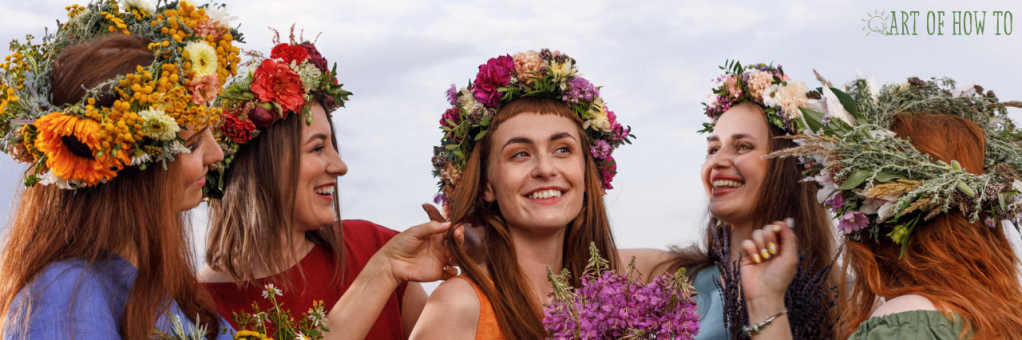
Engage in creative activities that reflect the spirit of summer. Make flower crowns, paint sun-inspired artwork, or create colourful decorations to brighten your living space.
10. Organize a summer solstice feast
Invite friends and family over for a special summer solstice feast. Prepare seasonal dishes using fresh ingredients and celebrate the flavours of summer. Share stories, laughter, and good company as you enjoy the season’s bounties.
Signing off with a quote I read that symbolizes the Summer Solstice beautifully: From all the misty morning air, there comes a summer sound. A murmur of waters from skies, trees, and ground. The birds they sing upon the wing, the pigeon’s bill, and coo.”
——

Priya is a quirky writer/photographer/closet poet, and singer who has traversed a non-conventional path. As a former entertainment journalist who has worked in print and online media for a decade, Priya loves talking to people and writing their unspoken stories. She is the single parent of an 8.5-year-old son settled in Tamil Nadu and a freelance Content Consultant. Priya is also an informal mentor to parents in her local parenting network. She dreams of being an author and maybe a scriptwriter someday!
Follow Priya Rajendran


















 Art of How To