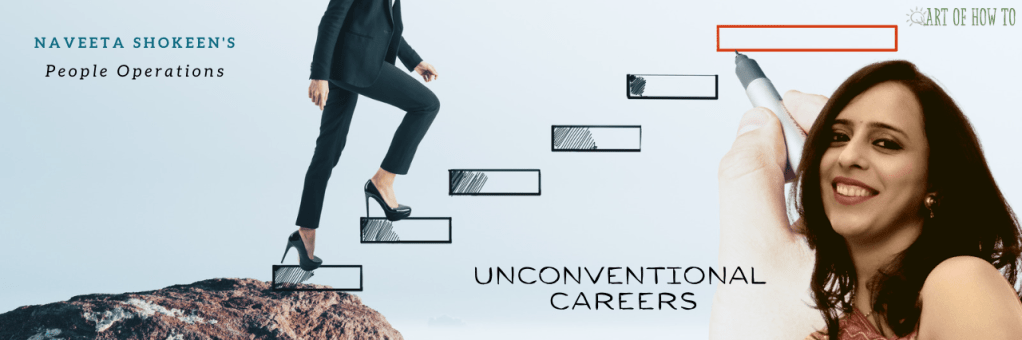
Unconventional Careers


Unconventional careers are any career choices that have yet to reach their mainstream level of acceptance and approval. That said, something unorthodox the day before is considered standard today. But, at the same time, it might need to be updated the day after. 

For instance, you would not believe me if I said that engineering was an unusual profession hundred years ago. Learners who wanted to pursue areas such as design and engineering had difficulty persuading their folks those days to support their decision because Teaching and a career in education was the most popular profession at the time. As a result, only a small number of individuals choose to pursue a job there. However, since the first engineering college opened in Roorkee in 1847, the field of thought, approach to study, and doors of opportunities opened wide for people across India. 

Things have shifted vastly since then. In the modern age, occupations are changing again, and more and more students are looking for non-traditional approaches to take in their professional lives. 

Unconventional Careers Paths To Follow.

1. Ethical Hacker

It is a common misconception that hacking is an illegal and dishonest practice. Yet, some ethical hackers are responsible for discovering and eliminating problems in the framework. Internet connectivity has spread across the entire globe. 83.32% of individuals on the planet have smartphones today. (Source) Most business activities, like shopping, banking, and saving, can now be done through electronic communication. Consequently, issues on defense and protection are the considerations that have the utmost weight on any given scale.

To prevent the security of computer networks from being breached, leading organizations often offer IT whizzes the opportunity to act as “ethical hackers.” It is utilized as a defense mechanism against cyberattacks, malware, and other risks to the integrity of our information systems—also breach of privacy. This is the career path you should pursue if you’ve always wanted to do something different.

2. Content Writer

The demand for well-written, concise, and insightful content is enormous. As a result, today’s business and social networking sites are dominated by written content, whether textual or visual. Because of this, there will be a significant need for content writers, making this one of the most unusual employment alternatives.

The best thing about being a content writer is that you can work from the comfort of your home and in a time frame that suits you. 

The well-known social networking site has become indispensable in modern life in the wake of the 2020 pandemic. As a result, future generations will have an insatiable need for excellent web content.

Nothing stops you now if you have a gift for writing and the creativity to experiment with new formats like websites, copywriting, scriptwriting, etc. Whether you work as a freelancer who operates from home at your convenience or a corporate enterprise writer, the market for your profession can only expand. And what matters most is your drive to master the craft.

3. Head Hunter

In essence, head hunters are qualified recruiters. They are frequently employed by businesses to find executives or higher-level workers for jobs that are never posted. However, finding nearly ideal job prospects can be time- and money-consuming for most organizations. Therefore, to save time and money on hiring, it might be far more effective for businesses to employ headhunters.

You don’t only collect resumes as a headhunter. By connecting employers with possible job candidates who would be the perfect fit for their organizations, you assist them in improving operations and bottom lines. Additionally, you are helping young professionals in advancing their careers. Finding and interviewing potential candidates will start after you have met with a company and understood its requirements. The company depends on you to identify the applicant who can fill the open position with the fewest obstacles. Therefore, companies prefer to obtain a handpicked group of the most qualified candidates’ resumes.

To do your job correctly, you’ll need a solid professional network and a thorough understanding of the labour market. You might even focus on a particular industry, as many Headhunters find that doing so increases their chances of success. The more successful you may expect to be in business, the better you will be at matching candidates with companies. Businesses will probably use you again and possibly refer you to others.

If you have good relationship-building and communication skills, quick thinking, and intuition, becoming a headhunter could be a suitable career choice. Although a degree is not necessary to work as a headhunter, people with human resources experience frequently have a competitive advantage. It might help you launch your career in a headhunting or recruiting firm, where you can keep picking up tips and tricks.

4. Personal Fitness Trainer

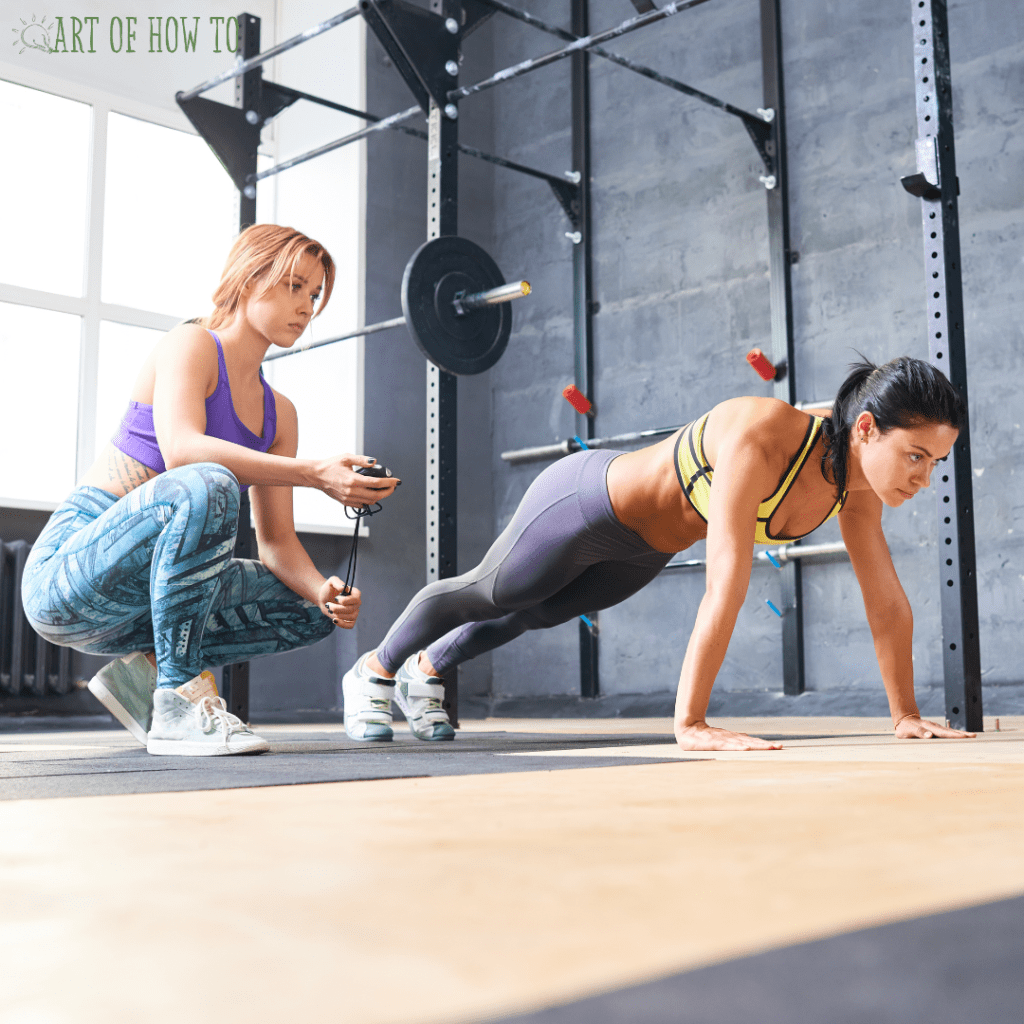
For the past five years, the fitness industry in India has expanded at a rate that is without parallel. After losing their jobs because of the epidemic, many people who care about their health and fitness choose to become online fitness trainers and coaches. However, many people interested in pursuing a career in the fitness business may need to gain the requisite background in training or nutrition.
5. Professional Chef

The next entry in the list of the strangest jobs may be the most interesting. Twenty years ago, there was no such thing as aspiring to be a skilled cook. Due to the proliferation of the food and tourism industry in India, evolving as a Chef is currently one of the vocations in demand. A genuine enthusiasm for the kitchen and traditional culinary arts education is required to succeed in this field. It is one of the most attractive alternative career paths available. 

6. Travel Guide

The purpose of an outdoor guide is to provide a one-of-a-kind setting and an enjoyable vacation for their clients. Therefore, as a tour guide, trekking guide or adventure guide, you will need mental toughness as well as a flexible, fun, and healthy way of thinking. It’s a challenging job, but it comes with many perks, and it helps you become an experienced explorer, someone who never stops learning, and a master of many skills. Meeting new people everyday, no day will be the same.
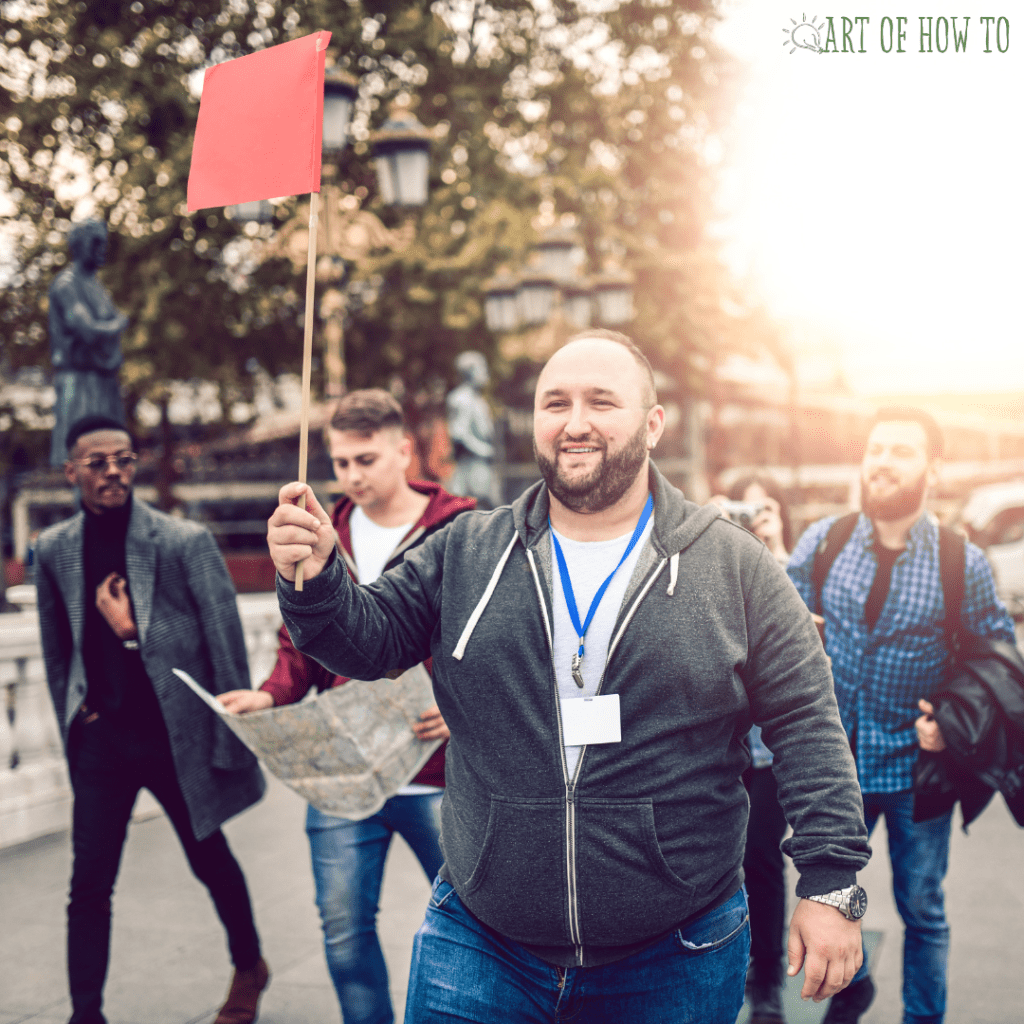
Of course, having a robust physical condition would put you in a better position to handle this challenge. Protection, medical, and survival training, as well as outdoor training, are needed. This career path may require higher level of specialisation as well. 

7. Online Tutor

We are all well aware of the epidemic years. It has had an impact on the atmosphere of the classroom as well as the academic performance of the children. You might start taking classes online and guiding students if you already have experience in the field of tutoring or if you are an expert in a particular subject area.

You may sign up to be an online mentor on various blogs, construct a profile describing the topics or courses you wish to teach, your level of competence, qualifications, and other relevant information, and then begin working with students. After achieving this goal, you will be able to start an online education business and charge clients for your services.

Follow Naveeta Shokeen
Loving Vs. Being In Love


Love is a beautiful experience. It might be the most profound and indescribable emotion anyone can ever feel. Yet, even though everyone can sense this sentiment, many cannot distinguish between “loving someone” and “falling in love with someone.”

It’s a widespread misconception that they are the same; the objectives may differ, but the intensity may feel the same. To tell the difference between the two, here are six pointers.

You choose to love someone; being in love is not a decision.

When it comes to loving someone, you are entirely in control. Based on their attributes, you decide whether to put your faith in their skills and morality. You also have the choice to stop loving someone or something and let them go from your life if things don’t work out. It is impossible to say the same if you fall in love with someone. You cannot run away from it because it could happen at any time without prior notice. You can tell you’re in love with someone when that feeling lingers in your mind long after you’ve managed to leave.

Being in love requires putting the other person first and wanting the best for them.

You will always want what is best for someone you love. But does this imply that you are prepared to suffer to support them in achieving their objectives? That question never even occurs to you if you are in love with someone since you would never question it. You would prioritize the individual and go above and beyond to ensure their success. However, it may also refer to making the person’s life simpler. You’ll take steps to reduce the person’s stress, such as taking more turns walking the dog or cooking more frequently.

Being in love comes with a lot of emotions. 

Being in love comes with a lot of highs and lows. The issue is that they do not satisfactorily complement one another. The attachment may endure for some time, but the moment a crisis arises, it may all end. It’s similar to riding a rollercoaster, but the experience eventually ends. However, while in love, you never feel the relationship will end in disaster, regardless of what happens. Because you and your partner are in love, you are confident that you two will find a solution.

Being in love requires balance since loving someone means you need them all the time.

Far or near, you need them. You miss them profoundly and the far they are the near they are. Also, it’s not harmful to always want someone around; it implies you adore and value their company. However, when you are in love with someone, you naturally want to be with them all the time, but you also understand that there needs to be a healthy balance between your time together and their time. You realise that the balance is required because you want them to be content. You know they will return home to you at the end of the day, whether you allow them time to indulge in their hobbies or even go out with friends.

Being in love refers to how you make the other person feel, whereas loving refers to how they make you think.

When it comes to love, this is a typical error that individuals frequently make. In response to the question, “Why do you adore this person?” They often reply, “I like how they make me feel.” That response is acceptable but expresses your love for the person, not your infatuation. True love exists when you care more about your lover’s feelings than yourself. You could say that being selfless and prioritising your lover before yourself is a sign of true love.

Being in love is a partnership, and loving implies ownership.

When you love someone, you want the entire world to know that they belong to you. As a result, you give that person a name and claim ownership over them. It would be best if you reassured you regularly that they are your boyfriend or girlfriend, and you also need them to reassure you regularly that they are yours. Labels like “boyfriend” and “girlfriend” become meaningless when two people deeply fall in love. You both agree that despite being together, you are both unique individuals. Even though you are a couple, you both acknowledge this fact.

Follow Naveeta Shokeen

Time Is Money

People in the world that we live in now appear to place excessive value on monetary success. However, time is the most important resource to us and the one we value the most in our lives. When you miss even one minute, there is no way to get it back, no matter what you do.

We all have the same amount of time in a day, which is 24, but how we choose to spend that time is up to us. Therefore, what you decide to do with your time is the single most crucial factor in determining the quality of your day and your entire life.

Some of the bad things that can happen when you don’t use your time well are being unhappy, not getting enough sleep, not being able to finish tasks, and feeling stressed.

When you understand the significance of time, you will be able to achieve more tasks, increase the number of activities you enjoy, and save sufficient time for a time-out.

1. Time cannot be replaced.

The most valuable resource is time because we cannot replace it. How will you spend the time that is yours? Since you cannot regain time lost. The answer to this question is critical. Money is frequently seen as a person’s most valuable resource, and while it is crucial since it allows you to purchase the goods you require and desire, you can also get your money back. But time is a non-tangible resource; once it’s gone, it’s gone.

2. Time lost cannot be recovered.

Time does not wait for anyone, as you have heard countless times, and this is true. Nobody has the authority to pause or slow time. Whether you like it or not, it will continue to move. You may already be aware that time lost cannot be made up. As a result, you should make an effort to take advantage of every chance and utilise your time wisely.

3. Nobody is aware of their remaining time.

Nobody knows how much time they have, which is why it is crucial. Nobody can anticipate the future, and people can pass away at any age and for any reason. Therefore, how you conduct your life can change dramatically once you become aware of this unpredictability.

4. The present is the only time we genuinely have.

As human beings, we are conscious of the three epochs that make up the passage of time: the past, the present, and the future. We can gain knowledge from our experiences in the past, and we can make plans for our lives in the future, but the only thing we truly have control over is the present now. According to research, increasing one’s awareness of what is occurring in the here and now and focusing one’s attention on the present can improve one’s mental and physical health.

5. Happiness depends on how we see time.

When it comes to the past and future, how someone views these two eras significantly affect their pleasure and sense of well-being. Many of us dwell on the past or worry excessively about the future. We would feel better and calmer if we could let go of the past and the things that cannot be altered and look ahead to the future with hope rather than fear.

6. Time is a teacher.

The best teacher of them all is time. People make mistakes and take their time to correct them. It took time and experience for every successful person we see today to get to where they are. Only through attempting, failing, and trying again till one succeeds can one learn.

7. How much time you put in will affect your skills.

While the exact quantity is currently unknown, it is still true that acquiring abilities takes time. In the recent past, there was a common assumption that it took roughly 10,000 hours to perfect a talent. Of course, the precise amount of time depends on the individual and how well they manage their time, but in general, it pays off to be willing to put in the time and work on a skill.

8. How much time you put into a relationship may make or break it.

The community has a crucial role in a person’s health and happiness. Relationship maintenance requires effort, and whether it’s a friendship or a love relationship, time is essential. Healthy relationships take time to mature. The major distinction between a relationship that is deep and meaningful and one that is superficial frequently comes down to how much time each person invests.

9. Time heals.

Your current discomfort will eventually pass, and all that will be left will be a recollection. Even though the memory could sting each time you think about it, the discomfort will eventually fade. Even the most severe wounds can heal with time.

10. Time can help you develop self-control.

Let’s be honest. Self-control is a complex trait to master. Break negative habits like staying up late to watch TV and delaying; it takes effort and commitment. That does not, however, imply that it is not possible. You won’t have time for procrastination if you have good time management abilities.

Your ability to manage your time effectively will increase as you become more disciplined. You’ll soon reach the stage when you don’t allow anything to waste your essential time.

You can do things you never thought possible with self-discipline. As a result, it positively affects areas of your life where you were previously unable to achieve your goals due to a lack of self-discipline.

Follow Naveeta Shokeen

Broken

It seems like things are fine
But I am broken inside.

It seems like life is changing
But it's stuck so hard.

It appears that clouds are raining
But they are crying in pain.

It seems you are mine
But I am feeling alone.

It seems like everything is perfect
But it has its flaws.

It seems we are together
But I am falling apart.

It appears to be a new beginning
But the past is haunting me.

It appears to be a sunrise. 
But it's still too dark.
Follow Naveeta Shokeen

Significance of Me Time

Be yourself for yourself. Sounds great! Yet it may appear to be next to impossible to arrange a time for ourselves in a world that is constantly bustling with activity. There is a never-ending supply of excuses to put off “me” time until the next day, and the narrative does not change when the next day becomes the present. When it comes to practicing self-care and being the best version of yourself, understanding why, how, and when to plan time for yourself is the spark that lights the fire and gets the ball rolling. 

The Miracles of ‘Me’ Time

When developing one’s self-confidence, a lot of stress is placed on the significance of having a positive internal dialogue, but what about the adage that “actions speak louder than words”? The conscious decision to carve out time “only for me” conveys a constructive message to our inner selves through the medium of action. This action sends the statements, “I matter,” “I’m worth it,” and “I am a priority,” all at the same time. When we allow ourselves permission to have time for “me,” we offer ourselves the room to explore new interests, discover what truly brings us to life, and fall in love with a pastime.

Not only does taking care of ourselves improve our relationship with ourselves, but it also improves our relationship with others. It is simple to feel powerless in the face of life when our minds and bodies are constantly engaged in some activity. As a result, this contributes to the rapid shifts in mood that we experience. As a result, we are more prone to being frustrated while having less control over our responses. Time for ourselves consistently and uninterruptedly helps our overworked minds disengage and relax. When we do this, we release tension, which improves our quality of sleep, gives us greater control over our moods, boosts our patience level, and makes it easier for us to be present in the here and now. All these benefits help fill us up on the inside, and when we are at our most whole, we can better pour ourselves into the things most important to us, including the relationships in our lives. Time spent on “myself” is a magical reset button for us.

How to Plan ‘Me’ Time?

It is not only an additional commitment that we can cross off our list. Taking time for “me” is something that might help you feel recharged and restored. Simply deciding to utilise the time we already have in a somewhat more thoughtful manner is all that is required. There is no right way to spend one’s “me time” or schedule it, but some tricks can help any schedule feel more balanced.

First things first, get comfortable with the word “no.” It is in our nature to be social and to respond positively to almost every opportunity that presents itself; however, this often results in an overbooked schedule. When we have too many obligations, we cannot provide our full attention to the people or the activities we are currently participating in. Therefore, we are better able to reclaim the equilibrium in our lives that we need when we learn to say no.

To get a feel for the big picture, look at our calendar. A comprehensive view of our plan will assist us in determining when it is appropriate to decline an invitation. First, include every commitment you have for the month in each week’s section – work, extracurricular activities for the children, grocery shopping days, etc. Next, select and add in “blocks,” sometimes known as a minimum of two evenings during the week in which there are no plans after 6:00 p.m., in addition to one weekend day or night block. Then, you should make every effort to fit the “opportunities” that arise outside of these into your calendar while also being sure to politely decline anything that might interfere with the blocks of time you have selected. Last but not least, schedule some time for yourself within the predetermined intervals; whether it’s twenty minutes or three hours, you’ll be grateful for it afterward. If our schedule is always organized in this manner, there is a good chance that we will have a balanced plan throughout the entirety of the month.

Things to Keep in Mind

We should never make ourselves feel bad for prioritising “me” time and arranging it. On the contrary, taking good care of oneself helps us prepare for the later stages of life. Time spent on “myself” is not a frivolous way to kill time; instead, it is essential to our mental and physical well-being.

Taking time for oneself can be accomplished in various ways and take multiple periods. For instance, either we get up an extra twenty minutes before the rest of our household, or we decide to go out and have some fun. Either way, today is going to be an exciting day. So make sure you are selecting yourself regardless of what you decide to do!

Here is a short list of recommendations to help discover more time to self.

  1. Read a few pages—or the entire book—at a nearby coffee shop, or get a coffee to go and read in a park under a shady tree.
  2. Treat yourself to a manicure and pedicure. 
  3. Put away your phone and other technology for a day.
  4. Try out a brand-new painting or training, or workout class. 
  5. Binge-watch anything on an OTT platform and unwind on your own
  6. Restore a unique piece of furniture.
  7. Relax. Just simple.
  8. Take a stroll.
Follow Naveeta Shokeen
Radio Still Relevant

The impact of Radio in India is monumental. The country as a whole was fundamentally reshaped as a result. Over time, there has been a shift in the dynamic of how people consume entertainment. Television, printed media, mobile music apps, and Radio are just a few of the media that have evolved alongside the progression of time. For example, it was predicted that Radio would cease to exist soon after the turn of the century, giving way to the dominance of television in people’s homes. At first, Radio’s popularity dropped for a short time. However, in the decades that followed, Radio made a strong comeback by adapting its programming to the tastes of a new generation of listeners. As the number of listeners grows, competitors in many fields are moving up the success ladder by offering valuable and different services from their rivals. 

Expansion of Private FM Stations 

Private radio stations first appeared after the reform of 1991, mostly in major cities. As of December 2018, there are more than 369 private Radio stations nationwide. However, commercial Radio turned into a lucrative market after the second stage of development, which included new auctions and altered license prices, and overseas competitors entered the fray. The administration has made significant attempts to have a presence in even the most remote towns and villages after realising the reach and usefulness of this medium. The frequencies now reach out to people in the country’s most remote areas, where other forms of connectivity and communication may still be non-existent.

RJs – The new celebrities

When we think of Radio, the first thing that comes to mind is tuning into a frequency and hearing a voice that enchants you through the show and the music. This is what we picture when we hear the word “radio.” While this remains true even in the present day, the connection that listeners have with the RJs has developed over the years because they are increasingly interested in getting to know them personally. Today, Radio is listening to your favourite RJ, with whom you can easily connect on Facebook live, meet them as contest winners, and interact with them during on-ground activities. You may also meet them as a contest winner. Because of their increased popularity, radio jockeys (RJs) are now frequently asked to appear on various types of reality television shows. The connection between a radio host and his listeners is of such a nature that listeners adore them even when they are broadcasting on other mediums. RJs have celebrity status and are recognised wherever they go, which contributes to the popularity of Radio and further strengthens its appeal.

Shows across different genres finding their way on Radio

To sustain its listenership at a time when Radio is closely compared to television as a favoured medium for infotainment, radio show formats have experienced a dramatic alteration. Rather than focusing primarily on comedy and romance, the networks are now running a variety of programming that appeals to various audiences and caters to niche needs. Sports, popular culture, trivia, the mechanics of generating music, and other intriguing show formats have created a whole new universe of thought-provoking entertainment that can be enjoyed while travelling. This has also enabled it to effectively reach more than one group of people with a single brand. 

The innovations pandemic brought to the industry?

Despite obstacles, some opportunities can be taken advantage of by using locally sourced goods and services. The options made possible by developing digital connectivity have significantly boosted consumer and content provider involvement. More innovation in content formats and economic strategies is expected as we advance. Radio has long been recognized for bringing together communities in trying circumstances. Additionally, radio stations have successfully innovated through collaborations with music streaming applications to get the best of Radio to the digital landscape for a broader range of people as the world continues to advance with enormous advances in the digital arena. Radio has also become more futuristic thanks to its many partnerships with the digital world and active ties to virtual audio platforms. This makes it ready for technological changes in the next few years and the next several decades. 

Radio-jockeying – From a part-time job to a career

When privately owned FM stations first appeared, radio jockeying was a part-time occupation. People questioned the RJs’ means of subsistence, thinking they weren’t making much money and should seek another profession to secure their financial future. The recognition of being an RJ then gradually began to emerge. Like celebrities, they have followers, are taken seriously, and have an impact. Everyone was made aware of how much effort goes into being an RJ due to this. Radio jockeying is currently recognised as a viable career choice because of its fame, the obligation of being the empowering voice behind a brand, and the technical skills and expertise needed to succeed. For those who are eager to become RJs, RJs have also taken on the role of career counselors. They get advice from the RJs with more experience, who also show them how hard it is to get famous. 

Radio expanding in the digital arena

To reach its broader target audience, Radio has increased its presence in this area with the arrival of the digital era. As a result, radio shows and RJs have become much more accessible to the digitally savvy population. And as a result of RJs’ acting in contextual videos, bringing contests to social media, connecting with listeners through Live digital broadcasting for live polling on contentious issues, posting real-time local updates, and much more.

The trend of Radio itself moulded the radio industry as it is today. It has developed into a powerful medium that reaches millions of people with a sense of purpose.

Follow Naveeta Shokeen
Embracing Gig Economy

The growth of cutting-edge technologies that can fundamentally ‘alter how things are done’ is a primary factor in today’s ongoing shift in how people conduct their work. As a result, management discussions are now centered on how businesses can keep up with these developments. For example, realigning their existing business models to fit better a world becoming increasingly dominated by technology and work can now be performed from virtually any location. So it is because work can now be performed from almost every site.

The meaning of the word “job” is evolving in response to social and technological changes. Corporations need to adapt to new ways of working to raise their profits and preserve their relevance and agility in the modern business world. It will allow the companies to boost their earnings. The gig economy, defined by the preponderance of short-term job contracts as opposed to permanent jobs, “is being welcomed by the majority of firms today to bring about this transformation.” 

“Both businesses and individuals realize that the gig economy will become the norm in the coming years at a faster rate than it has ever been.” In the current economy, startups are hiring gig workers, and even more established enterprises are following the same trend and turning to gig workers to perform primary and crucial jobs in their organizations. This trend indicates that the gig economy is becoming increasingly mainstream. In addition, well-established enterprises are now developing an affinity for the paradigm of the gig economy. Because professionals now prefer to work in ways that give them more freedom.

According to a recent study by EY titled “Future of Jobs In India: A 2022 Perspective,” published in collaboration with Nasscom and Ficci, Indian freelancers control a part of the global online gig economy that is equal to 24 percent. The title of the research report was “A 2022 Perspective On The Future Of Jobs In India.” Another survey reveals that India currently holds the third most significant online labour market share.

According to the reports, this extremely breakthrough is a development that has occurred as a direct result of the engagement of millennials in the labour market. This development has happened as a direct result of the participation of millennials in the labour market. The paradigm of the gig economy has the potential to play a significant role in promoting a greater number of women entering the workforce. Because it enables workers to choose who they work for and for how long, giving them greater control over their employment situations. Maintaining their level of participation can be made easier with the help of this model while they are out of commission and unable to return to work. Numerous businesses with an eye toward the future have lately built a distinct employment platform to entice gig employees through their job websites. This was done to meet the growing need for workers in the gig economy.

Businesses now have the opportunity to hire individuals with specific skill sets for the duration of a project that requires them while maintaining a significant check on costs that could spiral out of control if they did not use the gig economy. This opportunity was not previously available to them. In addition, the business model has a broader reach because companies can now share contractual opportunities with specialists whose high salaries previously prevented them from being considered for full-time positions. In the past, this would have made it impossible for these specialists to get full-time jobs.

The sharing economy of goods and services, sometimes known as the “gig economy,” has its fair share of challenges. For example, it is possible that a person working in contract employment will not be qualified for the benefits to which they are entitled as a full-time worker. Because contractual employment is not considered full-time employment, in addition, while employing contractual staff, recruitment and leadership teams must exercise discretion in hiring these talented individuals while ensuring that permanent employees fill essential responsibilities. Necessary to fulfill both sets of responsibilities effectively. Permanent employees won’t have to worry about their jobs thanks to this measure’s implementation.

Businesses must work towards recognizing the gig economy since it is a step towards establishing a more varied and inclusive workplace. Even though the gig economy may bring some issues and concerns, businesses must try to utilise it. 

Follow Naveeta Shokeen
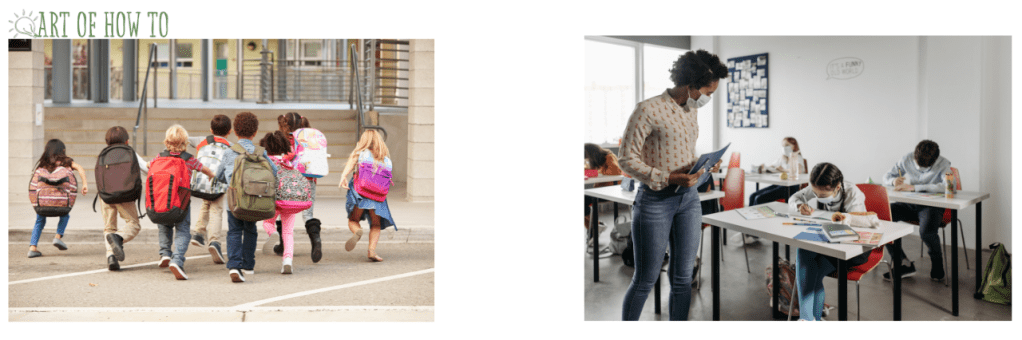
Schooling Home Vs. Traditional


Students had to swiftly adjust to remote learning from home when the bulk of the world went remote in early 2020 with the COVID-19 epidemic. As a result, many parents started to consider homeschooling instead of sending their kids back to the official school system. But how does home-schooling compare to regular education regarding benefits and drawbacks?

Home-Schooling

The Pros & The Cons

1. No Need to Commute

In many cases, children can only attend specific public schools if they live in the district that serves those schools. If they want to attend a private school further away from home, the commute may be longer during peak school run times. Because of this, homeschooling saves time, which can be put toward completing more courses, pursuing personal interests, or spending additional time with family and friends.

2. Custom Made Syllabus

Some states or countries may have specific requirements on what it takes to graduate from high school for a homeschooled pupil. The option does give students and their parents the luxury of exploring personal interests, going at their own pace, and taking advanced courses where the student can take them.

3. Flexible Schedule

When you homeschool, you don’t have to stick to the standard schedule of eight in the morning to three in the afternoon. Students can pursue other interests, such as participating in competitive gymnastics or traveling the world with their families, even though there may be legal obligations for a minimum number of hours that can be worked.

4. Safety

At home, the likelihood of unfortunate occurrences such as COVID-19, school shootings, and other tragedies is significantly reduced. The degree to which a school and a home are safe will also differ depending on the household and the neighbourhood.

1. Restrictions on Social Life

Homeschooled students do not regularly attend class with other students. As a result, kids may experience loneliness unless a concerted attempt is made to engage with peers their age through other activities, including going to a church or other house of worship, participating in sports teams, attending local events, etc.

2. Time Demands on Parents

For most adults, juggling work and family requires a significant time commitment. Being the child’s instructor is, therefore, additional responsibility for parents that not all can take on. Now that the “teacher and student” dynamic is also present, a parent must also ensure that healthy boundaries are formed between the parent and child.

3. Cost

Unlike public education, which is free, a homeschool curriculum might bear expenses. It should emphasise that homeschooling can be less expensive than a private school education; a family should therefore consider this while determining how to allocate their educational budget best.

Traditional Schooling

The Pros & The Cons

1. Friends & Peers

Students can spend numerous hours each week with peers their age in school, which provides them with a platform for social skill development.

2. Professional Education

School teachers are well-educated, experienced professionals who have mastered their craft. In later grades, they specialise in the subject matter they are teaching.

Many children benefit from having a regular schedule and routine, and schools are the most significant source of structure in a child’s life.

3. Extracurricular Activities

Schools, particularly those with a more significant student body, often provide extracurricular activities in which students cannot participate at home. Some activities, such as joining the chess club, trying out for the football team, or running for student government, cannot be done at home.

4. School Spirit

Belonging to a school fosters a student’s sense of identity and belonging.

5. Seeking Independence

Traditional Schooling helps kids develop essential life skills that will be helpful to them once they graduate, such as keeping track of their timetable, buying/bringing their lunch, and finding their way from classes.

1. More Traditional Syllabus

A more conventional educational approach means that students are not allowed to pursue their areas of interest but are required to learn topics at the same rate as their peers, and the range of available classes is much narrower. 

2. Peer Pressure

Whether dealing with bullies, wearing the newest Nike shoes, or fitting in with the cool crowd, dealing with peer pressure is a massive part of a teenager’s life and is more prevalent in surroundings similar to traditional schools. 

Many teachers have dozens of kids on their roster, and it is challenging to meet each student’s particular needs when there are so many students.

3. Getting Along Just Well

Whether it be the type of curriculum provided, the masses that are there, or the overall management of the school, it is possible that your child may not feel they belong at the institution that they are attending.

Before settling on a course of action, it is critical to conduct an exhaustive study regarding the benefits and drawbacks of each type of educational setting, including homeschooling and conventional schools. Because every child is an individual with a distinct learning style, interests, and set of skills, as well as their own unique set of obstacles, they will all react differently to the various instructional approaches. It is up to the individual to determine how one should go about cultivating and instilling in their students a genuine love of learning, which is one of the most vital components of education and something that the student will carry with them throughout their entire life.

Follow Naveeta Shokeen

Climate Change And Health

The most significant risk to people’s health in the 21st century will come from climate change. The changing climate already has and will continue to have direct impacts on health, such as heat waves, droughts, heavy storms, and the rise in sea level. There will also be effects on health from things like vector-borne and airway diseases, lack of food and water, malnutrition, and forced migration.

The environment in which we live has a significant impact on our overall health. Nevertheless, our environment is shifting, which will likely have major repercussions for our well-being, safety, and health. The term “climate change” refers to a shift that has taken place over a period of decades in the earth’s weather systems. The majority of the most recent changes observed in our climate can be attributed to the actions of humans. Without any sort of intervention, the effects of the changing climate will spread far and wide across our state, the rest of the country, and the rest of the world, and they will be catastrophic. It is a very important problem that could affect people on a global, national, local, and even personal level. 

It is anticipated that climate change will cause roughly 250 000 more deaths each year between the years 2030 and 2050. These deaths will be caused solely by starvation, malaria, diarrhea, and heat stress. It is estimated that the direct damage costs to health will be between 2 and 4 billion dollars per year by the year 2030. The areas with the weakest health infrastructure, which are mostly in developing countries, will be the least able to handle the outbreak without help getting ready for it and dealing with it. 

Climate Change

Increases in greenhouse gases like carbon dioxide, methane, and nitrous oxide in the atmosphere drive climate change by raising the earth’s average temperature. 

As a result of greenhouse gases’ ability to absorb heat, air and water temperatures rise. They are mostly made by managing land, mining, farming, transportation, and burning fossil fuels (like coal) to make electricity. Already, people in every corner of the world can observe the results of climate change.

1. A rise in the number of days that reach extremely high temperatures.

2. A rise in climatic conditions that are conducive to the spread of fire and the length of the fire season.

3. A decrease in rainfall during the cool seasons, which led to the lowest streamflow recorded over the course of the last several decades a rise in sea levels.

4. Additional rises in the number of days that are extremely hot and the overall temperature the number of days with extremely high fire danger is growing, and the fire season is getting longer as a result.

5. The annual rainfall totals on average are getting lower, which is having an adverse effect on the quality of water in streams and rivers. 

6. An increased probability of sudden flooding as a result of more intense and frequent heavy.
The level of the sea along the coast is continuing to rise.

Health Effects Of Climate Change

The greatest threat to human health in the twenty-first century, according to the World Health Organization, is climate change. It affects health and welfare in a variety of ways, including:

1. Extreme weather events (including heatwaves, floods, and bushfires) are becoming more intense and frequent.

2. Directly, as a result of changes in the spread of infectious diseases, deteriorating air quality, dangers to food and water, and effects on mental health.

Climate change will also have an effect on the economy. This will lead to more social inequality, financial stress, lack of food security, and unemployment. 

Who is most at danger from the consequences of climate change on their health?

Some individuals are more susceptible to the negative consequences of climate change on their health than others:

1. There are several factors that contribute to children's precarious position. Children, for instance, are more vulnerable to heat stress and dehydration, and they are also more sensitive to the effects of being exposed to air pollution and smoke from bushfires. Their immune systems have not yet matured to their full potential, which puts them at a greater risk of contracting illnesses. They often have to depend on other people to keep them safe and help them get better after dangerous situations.

2. As a result of the physiological changes that occur during pregnancy, a woman's chance of experiencing heat stress during periods of extreme heat is significantly enhanced. They and their unborn babies are especially vulnerable to the effects of air pollution and smoke from wildfires.

3. Dehydration, heat stress, infections, and a worsening of pre-existing heart and lung disease are more likely to occur in elderly people and people with one or more pre-existing medical disorders.
People who live in rural and remote areas, people who are Aboriginal and Torres Strait Islander, people who live on low incomes, and other vulnerable populations are also at an increased risk. This is in part due to inequalities in the underlying health outcomes and the limited accessibility of healthcare and other services. 

4. People who live in rural or remote regions, as well as those who live along the coast, are at an increased risk of being affected by extreme occurrences such as bushfires, droughts, hurricanes, and rising sea levels.

Taking steps to lessen your role in climate change

Individual decisions can have an impact. If we all make small adjustments, our combined efforts will result in a more significant impact. Individual choices have the potential to have an effect. If everyone of us makes a few minor improvements, the sum of our work will ultimately result in a more significant impact.

1. Your risk of obesity, diabetes, heart disease, several malignancies, and musculoskeletal disorders can be decreased by increasing your use of "active transportation," such as walking and cycling.

2. Utilizing active transportation or public transportation less frequently can reduce greenhouse gas emissions and enhance the quality of the air, which will assist in lowering the prevalence of lung cancer and other lung disorders (including asthma), heart disease, and stroke. 

3. It is beneficial to your health and the environment to consume a diet high in plant-based foods, such as fruits, vegetables, nuts, seeds, and whole grains, and low in animal-based foods.

4. When combined with a well-balanced, regular diet and a healthy, active lifestyle, eating the amount of fruit and vegetables recommended for men and women each day can help you avoid obesity, keep a healthy weight, lower your cholesterol, and lower your blood pressure.

5. Reducing your intake of high-calorie processed foods will help you use fewer calories overall and lessen their negative effects on the environment. Most processed foods have more salt, sugar, or saturated fat, take more energy to make, and are often packed, which adds to the amount of trash in landfills.

6. It's healthier for the environment and your health to drink tap water instead of bottled water or sugary beverages. Tap water is also significantly less expensive.

7. You might save money and energy if you can heat and cool your home well all year round. 

All these contribute to the well-being of our neighbourhoods but also lessen the burden on the healthcare system.

Follow Naveeta Shokeen

You And I

You give me strength; 
You give me power.
You gave me the courage 
To pour like a shower.
You hold me tight 
when I am about to fall.
You push me forward 
To overcome my flaws.

You show me the path 
When it’s too dark.
You touch my soul 
And leave a mark.

Your eyes have the shine 
I am ready to hold.
You become the sun 
When the night is too long.

You cover me like a shadow 
When life acts like a storm.
Your trust is my bridge 
To conquer my fear.

Your touch is my feeling, 
Whether I am far or near.
Your love is my wings 
To fly through life.
Your existence is the reason 
I am alive.
Follow Naveeta Shokeen