Embracing the Summer Solstice


How many of you are nature lovers? If you are one, you must worship nature (unlike modern poojas today). Still, you would celebrate every moment with small flowers to garland-making rituals, keeping flowers at home, tending to your gardens, making small figures from mud or clay, praying with water daily, enjoying nature walks barefoot, and occasionally exploring the forests of your land and even enjoying your children playing in the mud, rains, and the sun. Then you would also know that June 21 marked the Summer Solstice (also known as the Estival Solstice). 

As the days grow longer and the sun’s warmth envelops us, nature announces the arrival of summer with a mesmerizing celestial event called the Summer Solstice. This fascinating phenomenon falls on June 21 and marks the year’s longest day and shortest night. It invites us to bask in the sun’s radiant energy and connect with the deep rhythms of the natural world. It is a time when nature thrives, and human spirits soar. The summer solstice occurs twice a year – one in each hemisphere.

Solstice” is derived from the Latin words – “sol” (meaning sun) and “sistere” (telling “to stand still”). A Solstice symbolizes the change in season in many countries. The Earth is blessed with two solstices – summer and winter. On the other hand, the winter solstice falls on December 21. It is the shortest day of sunlight for the northern hemisphere and the longest day of the sun for the southern hemisphere.

The cosmic dance of light & shadows

Every year, this day in the northern hemisphere holds special astronomical importance. It signifies the precise moment when the sun reaches its highest point in the sky, bathing the Earth in extended daylight and casting striking, elongated shadows. This celestial event showcases the Earth’s axial tilt and its delicate interplay with the sun, allowing us to witness the captivating dance of light and shadows that shapes the seasons.

Celebrating life & abundance

Ancient cultures have recognized it as a joyous occasion of life’s abundance and the generous gifts bestowed upon us. This occasion has been marked with various rituals and festivities revolving around nature, fertility, and life-giving solar energy. Interestingly, the summer solstice celebrations have been traced to the Neolithic era. Many ancient monuments in Europe, the Middle East, Asia, and the Americas, have been made according to the sun’s position at sunrise or sunset.

Honouring the Sun 

The sun has long been revered as a symbol of vitality and strength. The summer solstice is an opportunity to honour and acknowledge the sun’s life-sustaining force, which embraces us Earthlings with warmth, light, and energy. Communities come together to express gratitude for the sun’s nourishing radiance and deep impact on our planet’s ecosystems. Traditionally, many have worshipped the sun as a ritual for centuries in India.

In rhythm with Nature

The summer solstice presents a perfect moment to immerse ourselves in the wonders of nature. Many across the globe, especially in colder regions, spend this day outdoors, engaging in activities such as sunrise or sunset gatherings, picnics, or serene nature walks. We deepen our connection with the Earth by aligning ourselves with the natural world’s cycles, fostering unity and harmony.

Traditional vs. modern celebrations

From ancient civilizations’ mystical rituals to the vibrant festivities of contemporary societies, the summer solstice has inspired diverse cultural traditions. The Druids’ gatherings at Stonehenge in England, the Mid-summer celebrations in Scandinavian countries, and Native American sun dances are the biggest examples of celebrating the Summer Solstice. In today’s times, we have music festivals, bonfires, and communal gatherings that are popular ways to celebrate the solstice, infusing the occasion with joy and camaraderie.

Reflection & renewal

The summer solstice offers a moment for self-reflection and renewal. As the sun reaches its zenith, we can contemplate our aspirations, set intentions for the months ahead, and embrace opportunities for personal growth and transformation. The solstice serves as a reminder to align our inner selves with the outer world, finding balance and embracing the richness of life.
10 Ways to Celebrate the Summer Solstice 

Cultures worldwide gather with loved ones, witness the sun’s majestic radiance, and partake in traditions passed down through generations. It reminds them of the profound harmony between themselves and the natural world. Like the winters, the summer solstice also invites us to revel in the season’s beauty, igniting spirits and inspiring us to shine our inner lights brightly.

This is a list of things practiced by people across the globe. You could recreate one of these in your town/city.

1. Attend a Summer Solstice festival

Many cities and towns host festivals to celebrate the year’s longest day. Enjoy live music, traditional dances, local cuisine, and cultural activities.

2. Host a bonfire or beach party

Gather your friends and family for a bonfire or beach party to celebrate the Summer Solstice. Enjoy a barbecue, roast marshmallows, play games and share stories around the fire.

3. Watch the sunrise or sunset

Find a scenic location and witness the beauty of the Summer Solstice by watching the sunrise or sunset. Take a blanket, sit back, and enjoy the breathtaking colors of the sky.

4. Create a summer-themed ritual

Design your ritual to honour the Summer Solstice. It can involve meditation, setting intentions for the season, or engaging in activities that symbolize growth and renewal.

5. Take a nature hike

Get outside and explore nature on the longest day of the year. Find a local trail or park and go for a hike. Take in the sights, listen to the sounds of nature, and appreciate the abundance of life around you.

6. Have a picnic in the park

Pack a delicious picnic basket with your favourite summer foods and head to a nearby park. Enjoy the sun’s warmth, tasty treats, and relax with your loved ones.

7. Plant a summer garden

Embrace the energy of the Summer Solstice by starting a summer garden. Plant flowers, herbs, or vegetables that thrive in the summer months. Connect with the earth and witness the growth and beauty of your garden throughout the season.

8. Practice outdoor yoga or meditation

Find a peaceful outdoor spot and practice yoga or meditation to celebrate the Summer Solstice. Connect with your body and mind, and embrace the energy of the sun to rejuvenate and recharge.

9. Make summer-themed crafts 

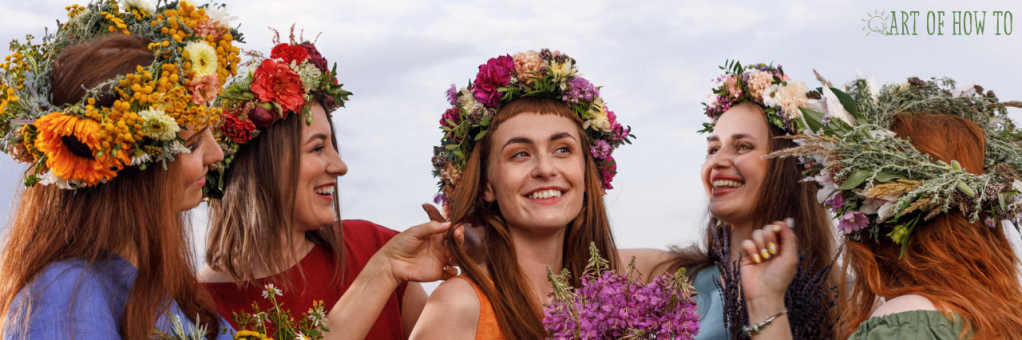
Engage in creative activities that reflect the spirit of summer. Make flower crowns, paint sun-inspired artwork, or create colourful decorations to brighten your living space.

10. Organize a summer solstice feast

Invite friends and family over for a special summer solstice feast. Prepare seasonal dishes using fresh ingredients and celebrate the flavours of summer. Share stories, laughter, and good company as you enjoy the season’s bounties.

Signing off with a quote I read that symbolizes the Summer Solstice beautifully: From all the misty morning air, there comes a summer sound. A murmur of waters from skies, trees, and ground. The birds they sing upon the wing, the pigeon’s bill, and coo.”

——

Priya is a quirky writer/photographer/closet poet, and singer who has traversed a non-conventional path. As a former entertainment journalist who has worked in print and online media for a decade, Priya loves talking to people and writing their unspoken stories. She is the single parent of an 8.5-year-old son settled in Tamil Nadu and a freelance Content Consultant. Priya is also an informal mentor to parents in her local parenting network. She dreams of being an author and maybe a scriptwriter someday!

Follow Priya Rajendran
Dipping In Colours Of Pride

June is my favourite month. There are many reasons for it – my birthday, my close buddies’ birthdays, and Pride Month. I am an unconditional ally of the queer community, standing firmly by each other. I am also proud that I celebrate my birthday in the same month as the LGBTQ+ (lesbian, gay, bisexual, transgender, and other queer communities) community does. 

The Official Humans of Queer, Humans of Bombay, and myriad Instagram and Facebook pages supporting the community are excellent. Legally, India has already taken a massive step in decriminalizing homosexuality. We are all waiting for the Indian government to legally allow couples to marry and get equal access to financial and legal rights like straight couples. It will be a moment of true Pride then for us Indians.

Pride symbolizes feelings of deep pleasure and satisfaction that you get seeing your and your loved ones’ success or from the qualities or possessions that you or others widely admire. Pride also refers to a group of lions where a lion is the leader, along with his lionesses and cubs. Symbolically, each community member is like the Lion’s Pride, protecting each other fiercely and firmly bonded. LGBT pride (also known as gay Pride or Pride) promotes the self-affirmation, dignity, equality, and enriched visibility of lesbian, gay, bisexual, and transgender (LGBT) people as a social group. Pride, the opposite of shame and social stigma, is the power behind all the LGBT rights movements worldwide. Pride is the name given to all LGBTQ+-themed organizations, institutes, foundations, book titles, periodicals, a cable TV channel, and the Pride Library. LGBTQ+ stands for lesbian, gay, bisexual, transgender, queer or questioning, intersex, asexual, and more. The initial four letters of the acronym have been utilized since the 1990s. However, in recent years, there has been a growing recognition (still not as required) of the importance of inclusivity and representation of other sexual identities.

Belonging to the LGBTQ+ (Lesbian, Gay, Bisexual, Transgender, Queer/Questioning, and others) community in India can involve challenges and progress. India has a complex and evolving social landscape regarding LGBTQ+ rights, and the experiences of individuals within the community can vary based on factors such as geographical location, social background, and personal circumstances.

Until September 2018, homosexuality was criminalized in India under Section 377 of the Indian Penal Code, a remnant of the colonial era. It significantly impacted the lives of LGBTQ+ individuals, often leading to discrimination, stigma, and a lack of legal protection. However, on September 6, 2018, the Supreme Court of India decriminalized consensual same-sex relationships, recognizing the rights of LGBTQ+ individuals to love and engage in relationships without fear of prosecution.

Despite this legal milestone, social acceptance and attitudes towards the LGBTQ+ community in India still vary widely. There is generally more openness and acceptance in urban areas and among younger generations, with visible LGBTQ+ communities, pride parades, and support networks. However, in more conservative and rural areas, traditional norms and societal pressures can challenge LGBTQ+ individuals, leading to isolation, discrimination, and limited access to resources.

Organizations and activists are working towards promoting LGBTQ+ rights, providing support, and advocating for legal protections against discrimination and harassment. Some cities have LGBTQ+ support centers, counseling services, and helplines that offer assistance and guidance to those in need.

In recent years, there have been positive developments regarding transgender rights in India. The Transgender Persons (Protection of Rights) Act, 2019, was enacted to protect the rights and welfare of transgender individuals, recognizing their gender identity and prohibiting discrimination. However, the act has also faced criticism for specific provisions and the lack of full representation and consultation with the transgender community during its drafting.

The Pride Palette

Pride has a vibrant colour palette. The Pride flag has the following colors – Red, Orange, Yellow, Green, Blue, Violet, Brown, and Black. 

Red

Red means life. It symbolizes the courage and resilience of LGBTQ+ individuals in the face of adversity. It serves as a reminder of their struggles and continues to overcome them.

Orange

Orange means healing. It represents the journey toward self-acceptance and the healing process many LGBTQ+ individuals experience. It also serves as a reminder of the ongoing work needed to create a world that embraces diversity and equality.

Yellow

Yellow means sunlight, which represents happiness, joy, and positivity. It symbolizes the optimism and hope of the LGBTQ+ community, emphasizing the importance of celebrating one’s true self and embracing the unique identities within the community.

Green

Green means nature. It symbolizes growth, renewal, and harmony. It serves as a reminder of the LGBTQ+ community’s deep connection to the natural world and the importance of nurturing and preserving it.

Blue

Blue means serenity and harmony. It represents peace and tranquillity, serving as a reminder of society’s need for acceptance and understanding. It also symbolizes the support and solidarity within the LGBTQ+ community. 

Violet

Violet means spirit. It embodies the unity and strength of the LGBTQ+ community. Violet is traditionally associated with spirituality and historically tied to LGBTQ+ activism, making it a significant color in the Pride Flag.

Gilbert Baker used these colors in 1978 for the San Francisco Gay Freedom Day Parade. Over time, the Pride Flag has changed and added more colors to represent diverse identities and experiences within the LGBTQ+ community.

Brown & Black

These colors were added to represent LGBTQ+ people of color. They show the unique challenges queer individuals of different races and ethnicities face. Including these colors is a powerful way to show solidarity and recognize the community’s diverse experiences.

Pink & Light Blue

These were added to represent transgender and non-binary individuals. The pink stripe shows femininity, and the light blue stripe represents masculinity. They remind us that all gender identities should be accepted and included. 

The Pride Flag is a powerful symbol that brings the community together. It reminds us that everyone, regardless of their sexual orientation or gender identity, deserves respect, love, and equal rights.

Gender No Bar

Pride also does not identify with genders – members choose pronouns like He/Him, She/Her, and They/Them to identify themselves. Most LGBTQ+ organizations have given options to employees to identify themselves this way vis a vis He or She or Male and Female.

Pride March

As we speak, there are zillions of pride marches worldwide in various countries. I am sure you have one in your city going on as well. Bright colours and peppy music and dances light up small corners to squares.  

The Pride March incorporates various elements contributing to its vibrant and empowering atmosphere. 

Pride Trivia: 
Pride Month they had started after the Stonewall riots broke out at the Stonewall Inn (riots named after the inn) in the United States in 1969 when a series of gay liberation protests broke out and had since then spread across the globe. Pride Month honours the movement for LGBTQ+ rights and also celebrates the vibrant LGBTQ+ culture.

Listed are some common elements you will find in Pride Marches:

1) Rainbow flags & banners

Rainbow flags feature the iconic colours of the LGBTQ+ Pride Flag. They can be seen throughout the march. They symbolise unity, diversity, and inclusivity within the community.

2) Floats & Parade entries: 

Colourful floats and parade entries are a highlight of all the pride marches. Creatively decorated colourful floats (or vehicles) showcase all LGBTQ+ organizations, community groups, businesses, and allies. Music, dance performances, and enthusiastic participants are the highlights.

3) Marching contingents

Different groups and organizations march together in organized contingents. These may include LGBTQ+ community centers, advocacy groups, healthcare organizations, educational institutions, social clubs, religious organizations, and more. Participants proudly display signs and banners and wear clothing representing their respective groups.

4) Bands and Performances

Marching bands, musical groups, and performers entertain and uplift the crowd with energetic music, dance routines, and artistic expressions. Their presence adds to the celebratory atmosphere and fosters a sense of joy and unity.

5) Costumes and Outfits 

Participants in pride marches often showcase their creativity and individuality through elaborate costumes and outfits. This includes many styles, from stylish, flamboyant attire to political statements and messages on clothing and accessories.

6) Chants, cheers & slogans

The Pride march is accompanied by chants, cheers, and slogans that express solidarity, Pride, and demands for equality and justice. These collective voices amplify the message of the LGBTQ+ community and reinforce the spirit of unity.

7) Activism & Awareness 

Pride marches are platforms for activism and raising awareness about LGBTQ+ issues. Participants may distribute flyers, hold signs to promote equality, and engage in peaceful protests to advocate for social change and visibility.

8) Allies & Supporters

Pride marches welcome people who stand in solidarity with the LGBTQ+ community. These individuals may not identify as LGBTQ+ but show their support by marching alongside and advocating for equal rights and acceptance.

9) Community Outreach and Resources

Pride marches often include booths and tents that offer information, resources, and support services related to LGBTQ+ rights, health, mental well-being, and other relevant topics. These provide an opportunity for community engagement and connection.

10) Celebration and Festivities

LGBTQ+ individuals and allies to come together, celebrate their identities, and honor the progress made towards equality.

While progress has been made regarding legal recognition and societal acceptance, challenges and disparities still exist for LGBTQ+ individuals in India. Efforts toward education, awareness, and social inclusivity are crucial for fostering a more equitable and accepting society for all.

My Pride lies in the fact that they are not scared of being looked down upon or scorned anymore, and what is heartwarming to know is that there are many gay and lesbian weddings happening in the country with the support of their families. Normalising sexual orientations and accepting love in all forms is significant progress. 

“Let’s go an extra mile, support them and be proud of our Pride.”

——

Priya is a quirky writer/photographer/closet poet, and singer who has traversed a non-conventional path. As a former entertainment journalist who has worked in print and online media for a decade, Priya loves talking to people and writing their unspoken stories. She is the single parent of an 8.5-year-old son settled in Tamil Nadu and a freelance Content Consultant. Priya is also an informal mentor to parents in her local parenting network. She dreams of being an author and maybe a scriptwriter someday!

Follow Priya Rajendran

A Birds Soliloquy


I was born in a nest on a tall tree. When I opened my eyes to the world, I heard squeals from my brothers and sisters. The “cheep-cheep” sounds around me were all I heard for the first few days. Our mother would fly away and bring us fresh worms to eat. Our father used to guard the nest, flying in and out to check on us. All we did was open our mouths when we were hungry and go to sleep. Then, barely a few days later, our mother started teaching us to fly. 

Our wings had grown, and we attempted to open and flutter them. Slowly, one by one, my brothers and sisters flew from the nest to newer places. The world outside the nest was unknown to me. Whenever some of my brothers and sisters came to visit, they would fill me with exciting stories – some scary and some exciting. I also wanted to explore the world, but…

So, I was one of the last ones remaining in the nest. My mother had tried to push me out of the nest many times but failed to. I would often reach the edge and retreat. Angrily, my mom finally made me off the perch with her sharp beak. I managed to fly a little but crashed to the ground. I almost thought I had broken my wings as I touched the soft mud. When I recovered from the fall, I looked around me. It was all green bushes around, and I heard shouts and excited squeals from tiny humans everywhere.

I saw many small pairs of eyes staring at me – some straining their necks to see me, reaching out to touch me with their hands. I got scared and retreated into the grass. I started feeling sleepy and went into a deep sleep. A while later, I found it all dark around me after I awoke. It had started raining heavily. I got scared and started crying. I became hungry and started shivering because of the cold too. I kept crying through the night. When I fell, I almost thought I would not have survived the fall. Throughout, I kept remembering the time my mother used to teach me to fly. Sigh! If only I had learned to fly! 

The first lights of the day opened my eyes. I got growly and hungry. I suddenly saw two tiny humans peeking at me and exchanging looks. My loud cries must have attracted their attention. There was a more significant human who had something in her hand. First, I got scared, thinking the human would attack me. After a few minutes, she dropped some water in my mouth and happily gulped it one after the other. The tiny humans looked happy and started jumping joyfully, looking at me drinking water. A bit later, I got a few rice grains in my mouth that I could barely swallow. I continued crying throughout that morning. Two humans scooped me up a while later and took me to another place. It looked like a bright place, and my humans placed me in a small room. The room had a small window too. They fed me food that I hungrily gobbled and water to drink. 

Soon, I fell fast asleep, deep in my dreams. I imagined my mom and dad with my brothers and sisters. We happily played until a bright light came, and all went dark suddenly. I awoke with a start, hearing loud sounds of tiny humans screaming around me. I peeked outside the window to see more eyes looking at me.

Sigh! I miss my family so much!

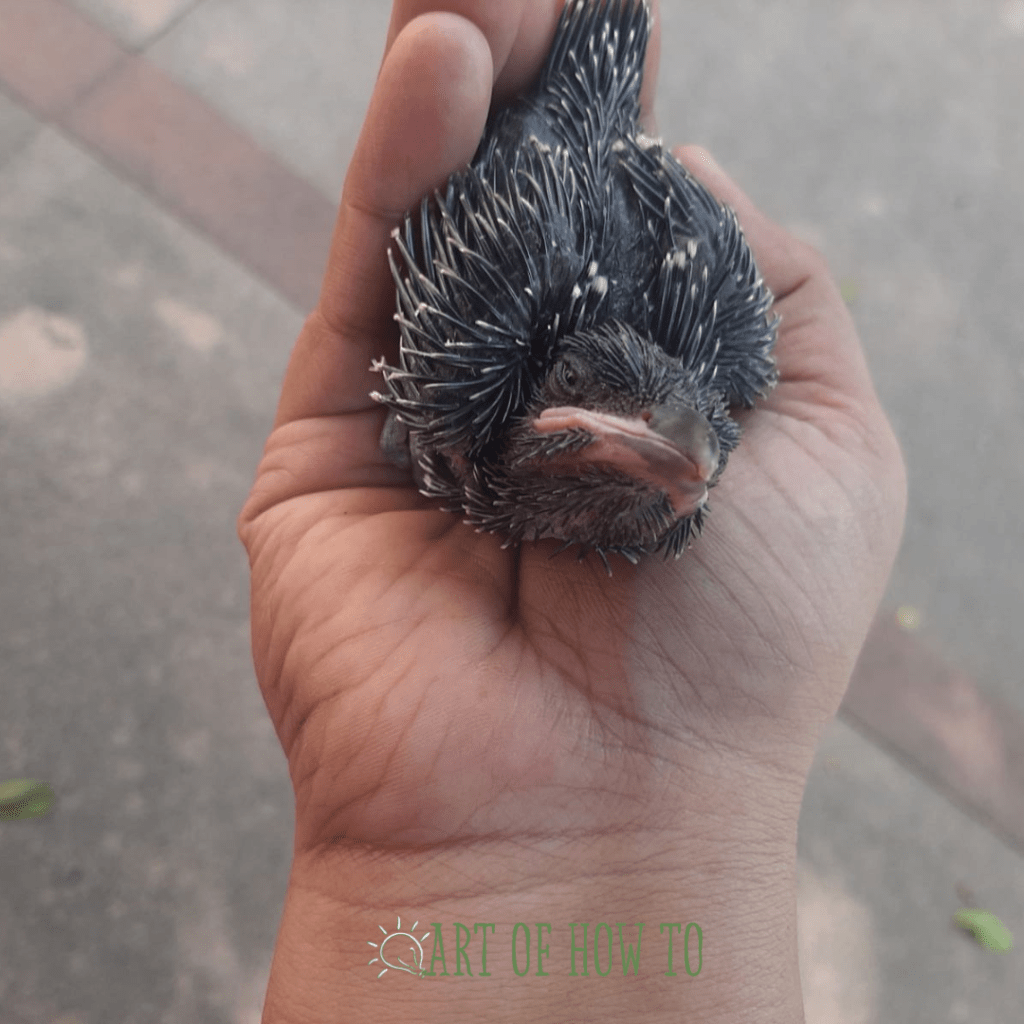
This is for all those tiny chicks who get separated from their mothers. The bird is a cuckoo baby who I am currently fostering. 

——

Priya is a quirky writer/photographer/closet poet, and singer who has traversed a non-conventional path. As a former entertainment journalist who has worked in print and online media for a decade, Priya loves talking to people and writing their unspoken stories. She is the single parent of an 8.5-year-old son settled in Tamil Nadu and a freelance Content Consultant. Priya is also an informal mentor to parents in her local parenting network. She dreams of being an author and maybe a scriptwriter someday!

Follow Priya Rajendran

The Vegetarian Halo

If you have travelled across the world or at least outside your region or state of residence, one exciting and glaring difference you may have found is the lifestyles and food habits of the natives. In fact, at times, that is the reason some people travel – to explore the nuances and differences in cuisines, flavours, ethnicity, and cultural heterogeneity.

Most of these diversities are indeed influenced by various factors like natural habitat, region, culture, religion, local availability, and personal choices! However, of these differences in lifestyles and dietary choices, the argument that hits the hardest is that of Vegetarian vs. Non-Vegetarian food!

Vegetarian vs. Non-Vegetarian 

It is a very tricky and sensitive topic. While dietary choices are very personal, they are influenced by several factors, some of which are outside the control domain of an individual. Therefore, to say that a specific diet is necessarily better than the other is a bit of self-flattery and delusional.

Today’s argument is not about which diet is better –veg or non-veg … But it is about the people that uphold a diet preference as ‘Holier than thou’!

It is about those who cringe at the sight of non-vegetarian food and may sometimes step on others’ feet to declare how the others must drop their preference and choose a diet similar to the propagators themselves. It is about the people who carry ‘The Vegetarian Halo.’

The Vegetarian Halo  

The vegetarian halo refers to the positive perception and assumptions associated with individuals who follow a vegetarian diet. It refers to the idea that some vegetarians see themselves as more virtuous, compassionate, and environmentally conscious than those who consume meat. These rare but present people feel their vegetarianism accords them with a sanctity that makes them a breed holier, more spiritual, and more sacred than others. Almost as if they walk with an invisible HALO above their heads.

You may routinely hear some joint statements from them, like:

“How can you be so heartless to eat meat?”

“I don’t contribute to the suffering of animals.”

“I’m more conscious, superior, and enlightened ….. because I choose not to eat meat.”

“Vegetarianism is a more compassionate, pious, and ethical choice.”

They walk the earth’s surface almost as if they were the chosen ones entrusted with the moral task of carrying the burden of all existential HUMAN SANCTITY. 

At this juncture, where I can almost sense debates arising, let me reiterate – The problem is not with them choosing a specific diet and style. The problem is the vegetarian narcissism they feel entitled to unleash onto others. They think that by merely choosing to eat vegetarian, they acquire moral rights to school the ‘unholy’ spirits about how wrong they are in choosing anything that is not plant-based. 

What they forget in the bargain is that dietary preferences are a person’s personal and fundamental right and that they need to approach such discussions with mutual respect and open-mindedness. Individuals need to realize that they may exercise their dietary choices without belittling or judging others who make different choices. What is an ‘unbearable’ sight for you is ‘FOOD’ for the other. It commands respect! 

They must understand that more than any personal choice, a food preference is primarily dictated by a fellow human’s cultural, geographical, and religious contexts. E.g., The natural habitat, geographical location, and climate of the region may affect the availability or abundance of certain foods. Like in the case of people living in coastal areas often have easy access to seafood, while inland regions may rely more on land-based produce. These shape dietary preferences.

Similarly, different cultures have their culinary traditions and food preferences. These cultural practices are often passed down through generations and shape routine dietary habits. So, suppose your ancestors were natives of Afghanistan. In that case, you are still more likely to continue savouring Mantu, Chapli Kebab, or Mahi Sefeed, even while nestled in a cozy-busy city in the plains. 

Regional food preferences are also heavily influenced by the local availability of ingredients. So, if you are an Afghani living in Japan, your Kabuli pulao may include Wagyu beef, or your Mahi Sefeed may be prepared with sashimi-grade tuna or even Unagi. Or if nothing non-vegetarian is available, a person might switch to vegetarianism based on what is quickly and locally available. Choosing local produce over specific food items is always advisable to maintain the sensitive ecological balance of the region you call home!

The ‘holier than thou’ tribe needs to realize that while vegetarianism is acceptable, it is more important to prioritize environmental sustainability and respectful mutual existence before discussing morality based on food preference. While vegetarians may pride themselves in leaving lesser carbon footprints, non-vegetarians can boast about restoring ecological balance by participating in ecosystems that rely on natural predator-prey relationships for credit. Imagine if all humanity were to eat only plant-based foods – you would soon run out of the earth’s natural resources. Or if everyone were to start eating meat or fish – the entire food chain would get disturbed, right?

The truth is that the diversity in food preferences works to balance the universe’s delicate and fragile mutual dependency. So, the next time someone tries to guilt-trip you about choosing to be non-vegetarian, show them this article!

Did you know that the diet you consider ‘vegetarian’ may not be as vegetarian as you would like to believe? Take a look at different diets that are considered ‘vegetarian’ the world over…

  • Lacto-ovo-vegetarian: This is the most common type of vegetarianism and involves avoiding meat, poultry, and fish but still includes dairy products like milk, butter, ghee, cheese, etc., and honey and eggs (animal products) in the diet.
  • Lacto-vegetarian: This type of diet involves primarily plant-based food, avoiding meat, poultry, fish, and eggs, but still includes dairy products like milk, butter, and cheese in the diet.
  • Veganism: Vegans avoid all animal products, including meat, poultry, fish, dairy, eggs, and honey. They also avoid any other products that come from animals, such as leather or wool. Some even practice raw veganism, which involves eating only foods that are not cooked or processed.
  • Plant-based diet: This refers to a diet consisting mainly of plant-based foods, including fruits, vegetables, whole grains, legumes, nuts, and seeds. Depending on the individual’s preferences and needs, it may or may not include small amounts of animal products.
  • Flexitarianism: Also known as a “casual vegetarian,” this approach involves reducing meat consumption but not eliminating it from the diet. Flexitarians often eat meat only occasionally or in small amounts.
  • Fruitarianism: This type of vegetarianism goes a step beyond raw veganism and involves only eating fruits, nuts, seeds, and other plant-based foods that can be harvested without harming the plant.
  • Jain vegetarianism: This type of vegetarianism is practiced by Jains, a religious group in India, and involves avoiding all animal products, including honey. They even avert vegetables that grow underground and those believed to contain microscopic life.

With so much going on with just defining a vegetarian diet, how does one even define one “right” way to be a vegetarian?

——

Veena Gupta, a homemaker, doting mother, and a loving wife, who takes pride in a long-standing career in Banking and Finance. While her life took shape and as she was pursuing all this, something kept tugging her creativity. This pull lead her to decide to express her thoughts through writing. True to her name, her words flow from her pen to resonate with the reader’s mind like the soothing music that the musical instrument Veena creates! For someone who likes to experiment in life through adventure sports, trekking, and other varied interests, Veena likes to bring her experience, background and perspective to her readers through her simple yet effective writing to push the fact home!

Follow Veena Gupta

Finding Zen In The Kitchen 


“I love cooking. It gives me a lot of peace.” 
“Cooking is therapy, and I feel good about it.” 
“Cooking gives me goals to do, things to think about. The process of cooking helps re-center me, diverting me from all negative thoughts.”
“Cooking is meditation.”

If you resonate with the above, you are a mindful cooking practitioner. In other words, when cooking, you only concentrate on the food, the pots and pans, and the kitchen. The kitchen is your sanctum sanctorum for making food, and you experience peace there. I know many friends who tell them that cooking helps them de-stress. It allows them to take time out for themselves. 

It is one space where they can be themselves. Of course, the condition being no one is around to disrupt their thoughts, and the place is not chaotic. To truly experience the aromas and flavours of every dish, one must be there whole and soul! Your mind must be in that place rather than elsewhere. They say you need not be a skillful or a good cook but a mindful cook. When you begin cooking, you know precisely what you put in the dish. 

1. Start grounding yourself

There is no better way to begin the day than going for a nature walk, letting the first rays of the sun fall on your face, walking on bare grass and earth, and spending time in the water. Grounding is the best way to absorb nature’s positive energies and nourish your food.

2. Practice Gratitude

Taking a moment before beginning cooking is a great way to bring in mindfulness during cooking. In addition, you can thank the Universe for giving you all the ingredients to cook and appreciating the nutrition you are receiving from the food grown. 

3. Set the intent  

What is intent? It is a purpose or goal that you set before beginning any task. The same goes for cooking. What do you want to prepare today? Is it something that you would like to eat? Is it for someone in your family? Either way, the intent must be positive in anything you cook – something that makes everyone happy, including yourself. For instance, you can say, “I want to prepare a nourishing, delicious meal for my family.” You can make similar statements or affirmations and display them in your head before beginning to cook.

4. Being in the present 

As you cook, feel the warmth in the kitchen, breathe in the aromas and flavours, and feel the taste of the texture of the food on the tastebuds. If you think of all these, you are entirely into cooking.  

5. Shut off external distractions

There were no gadgets in earlier times, so one leisurely did cooking. We knew what we were cooking and what we ate as well. Cooking minus any external distractions (of course, there can be emergency calls, but avoid social media distractions) is the best way to practice mindful cooking.

6. Make it a sensory experience

Using all your senses – sight, smell, taste, touch, and sound – helps immensely in mindful cooking. For instance, noticing the colour of the vegetables, feeling the texture of the grains before and during cooking, tasting the gravy after you add salt and spices, and finally listening to the sizzling pan or the spluttering of seeds in the hot oil before you do the garnish, and smelling in all the spices, will engage all your senses effectively during cooking. Old timers vouch that they could make food without tasting it.

7. Pen down recipes

You may say that you are looking at a YouTube channel for recipes, but most of the time (be honest!), you spend more time before the screen, browsing other videos. Once you select the recipe you like, you can copy the recipe/write it down in a diary first (old-fashioned pen and paper!) before entering the kitchen. You could even pick the ingredients out while watching the video. Then, when you begin the process of cooking, you can have the diary around with you. It was an excellent old-fashioned method used in the days of zero digital devices by our grandmothers and great-grandmothers. They often remembered recipes verbatim thanks to this habit. So that rules out your need for a gadget for cooking.

8. Slow cooking

Stirring a gravy, kneading the dough, boiling rice, making a salad, chopping vegetables, and setting the table are all a part of slow cooking. It sounds impractical to do slow cooking when you are running against time to complete your deadline. But the solution may be to keep some time off for cooking alone. In your limited time, consciously keep away all kinds of distractions. That is why many love slow cooking on an open fire as well. No wonder our parents always insisted on waking up at dawn!

“Cooking is not just about the food. It’s about the intention, the love, and the energy we infuse into every dish.” 

How accurate is this statement? Think about how many days you have practiced mindful cooking. If you still need to and are caught up in the daily, monotonous routine, it is time to reset and start all over. If food nourishes the body, soulfully made food enhances both mind and body! 

——

Priya is a quirky writer/photographer/closet poet, and singer who has traversed a non-conventional path. As a former entertainment journalist who has worked in print and online media for a decade, Priya loves talking to people and writing their unspoken stories. She is the single parent of an 8.5-year-old son settled in Tamil Nadu and a freelance Content Consultant. Priya is also an informal mentor to parents in her local parenting network. She dreams of being an author and maybe a scriptwriter someday!

Follow Priya Rajendran
Culinary Tourism Is Fun

Are you a foodie or a travel nomad? If you are both, you are the one to be all kicked up while enjoying varied multi-culinary experiences during all your travels. As you pass the streets, your tastebuds must get excited by various cuisines’ scintillating aromas and flavours. Whether street food or fine dining, you love trying new foods on the go.

I am a food traveler – I love sampling local delights. The last places I visited were Deolali (Nashik) and Kochi. Wherever I go, I love small street food corners and make it a point to mention in my social media posts as well about the local cuisine. So, I call myself a culinary traveler. Though I am not much into learning recipes, I love eating food from locals. Trust me; I look forward to traveling. Food is a brownie point for me and motivation to travel.

If you are a seasoned traveler, you must be the one to schedule a visit to the local streets of the place you intend to visit. But, even if you are not, you can still experiment with local foods. So, what is culinary tourism? It refers to travel experiences exploring local food and drinks in a region. Culinary tourism has caught up with all travel nomads interested in trying new, unique dishes and learning about the food, history, art and culture, and traditions of different regions of various countries. 

This is a different type of tourism genre that has suddenly become popular in India. For example, as a part of culinary tourism, food travellers go to food festivals, visit local markets, and attend cooking classes and food tours arranged by locals or startups. 

Farm-to-the plate

Many cities in India have opened local farms and markets where people can sample fresh produce or dine at restaurants specialising in local cuisine to promote culinary tourism in the region. This offers the opportunity to enjoy delicious food and drinks and provides better insight into the local culture and way of life. This way, tourists gain a better perspective of the history (passionate about heritage), traditions, and customs of the places they visit while supporting local businesses and farmers. In addition, home stays in hill stations will provide you with food made from fresh farm produce.

Eco-friendly

In addition, culinary tourism can have a positive impact on the environment. It promotes sustainable farming practices, thereby reducing the carbon footprint associated with food transport. Overall, it offers a unique and immersive way to explore new destinations and experience different cultures through food.

Local art forms and culture 

The best way to court the local art and culture of the place is to live in art villages. Most cities have started culture centers that promote music, fine arts, and the visual arts for tourists who want to know the place better. In addition, heritage walks and food walks are organized by government tourism organizations. While booking accommodation in a place you want to visit, you can check local attractions and events popular in the region. Many times, there may be folk artists who sing and dance. You may get a schedule on the region’s website for the same. 

Food tours

Some groups organize walks in areas of the city known for popular food joints catering to the local palate. It is the best way to scintillate taste buds. Some groups even allow people to learn the regional recipes cooked for generations. Then, you can observe the cooks make unique dishes.

Meet the natives

As a food explorer, you will love meeting people born and raised in the region. Imagine you are getting to meet the local tribes and getting to hear stories of the yore and local folklore, the legends, and the lesser-known mysteries of the region. The elders of the group would love to narrate their stories about the local culture and history that is unavailable on Google, Wikipedia, or any other search engines.

Food bloggers

These days, social media has become the Yellow Pages, Sulekha, and Just Dial of yesteryears. The 90s and 2k generation will relate to these websites, equivalent to phone directories for all local contacts in a city. The only difference is here. You get audio and visual details too of the said places. Influencers use Facebook and Instagram to share all travails and stories of various cities and countries they visit. Several food bloggers and V (video) bloggers regularly post videos and photographs of the food they eat and their top recommendations. If you follow them on social media, it can help you plan all your travels effectively. They even mention significant and popular events and festivals in their posts. You also can become one if you love food and traveling.

Tips from Culinary travellers

  • Make a schedule. You will not miss going to places
  • Prior research helps – blogs, reviews
  • Look for sites less visited
  • Avoid foods commonly available; choose local food that you will not get outside the region
  • Go on Food walks
  • Check for the appropriate season to see the area (avoid getting a heat stroke/ice bite!)
  • Lastly, be open to trying all foods and flavors

Signing off with a food byte. “You have to taste a culture to understand it.” – Deborah Caterer So go ahead and become a culinary traveler. Enjoy scintillating foods and join hands with the natives in promoting local cuisine this summer!

——

Priya is a quirky writer/photographer/closet poet, and singer who has traversed a non-conventional path. As a former entertainment journalist who has worked in print and online media for a decade, Priya loves talking to people and writing their unspoken stories. She is the single parent of an 8.5-year-old son settled in Tamil Nadu and a freelance Content Consultant. Priya is also an informal mentor to parents in her local parenting network. She dreams of being an author and maybe a scriptwriter someday!

Follow Priya Rajendran

Nodi, Nodi, Akka

As summer sets in, daily life and work wrangle people of their stamina. There is no trace of rain, wind, or chill. The UV index will increase these days, and the sun’s vertical glares will cause more discomfort. The annual experience of the horrible summer makes the children weary, and the only happiness during summer is having the mid-summer vacation. Recreation felt good, being away from schooling and examination. I had ample time but couldn’t enjoy it fully as outdoor games are unsafe. The villains, like allergies, prickly heat, sunburns, etc., made the situation more horrible.

In those olden days, the means of transportation were minimal. People usually prefer walking or going by hiring bullocks carts for long distances. As a gesture of benevolence, Nani (Grandma) usually made buttermilk, adding crushed ginger, green chili, and curry leaves, and poured it into a big jar with a glass tumbler placed next to it under the big jackfruit tree around 10 am daily till the end of the season. The passersby mainly were people riding bullock carts. They halted under the apparition and quenched their thirst by tying the bulls near the shadow.

I curiously scanned the people who visited my Nana’s (Grandpa’s) workshop to fix the iron shoes called Laadam (animal shoes) for the poor animals. Seeing the pain these poor animals endured while repairing it was terrifying. The legs were tied, and I was wondering and questioning my Nana about the purpose of the cruel masquerade.

Nana explained to me the benefits of fixing Laadam. Otherwise, walking on a hard surface took a lot of work. However, the pain would subside gradually, the Laadam would become like permanent shoes to them, and their journey became comfortable.

Nana playfully told me they couldn’t go and buy a chapel to wear, so we made one for lifelong use. Anyway, I decided not to go near the place or gaze at it again. The unbearable crying sound, the flowing saliva as foam from the mouth, and the tearful stares were like nightmares for me. The men stayed in the courtyard and prepared their meals, mostly rice gruel with jackfruit or tapioca curry, which they collected from our compound. The aroma of the masala and seasonings were stimulating, but we were used to something else in our home. They dug small pits in the ground and placed folded vatta leaves collected from the enclosure, and served kanji and curry, munching comfortably. Not far away, my watchful eyes followed every tiny fragment of their act. Although, after seeing me, they sometimes offered a share of their banquet, which I was dying to have, I knew my Nani didn’t like the idea of accepting anything from strangers, so I rejected their offer as if I didn’t want it.

As days pass-through, one day, a group of barely clad gypsies comprising women, children, and animals arrived with huge sacks on their shoulders. They sought permission to make a temporary shed and a place nearby to prepare an elixir made of black langur for business purposes. They claimed the potion is a delicious Rasayanam for health, and the ingredients include dried plant medicines, jaggary, ghee, etc., including the flesh of a black monkey.

The children were holding two restless monkeys tied to their legs. I was afraid of the animals having glossy black fur and golden brown on their heads. Their frightening sounds and the long sharp tooth were a cause of concern to me. After much discussion and the repeated plea of the men, my grandparents allowed them to stay in the backyard for a while, subject to certain conditions. Within no time, the place was turned into a visual treat for the onlookers. They gathered thatched coconut leaves, bamboo ply, logs, etc., and made a temporary shed for sleeping and keeping their things. While watching the monkeys, fear started creeping into my mind. I wanted to clarify it, so I asked my Nana, do they kill the monkey? Nana pacified me. No, dear, these are all their business tricks. I was thrilled to watch the men at work.

Even though my Nani wanted to keep me away from those people, I used to visit the place secretly whenever I got a chance. I liked seeing the small child with them, he was almost naked, and the only luxury was a black thread tied to his waist with a metal Elas fixed in it. He held a metal toy with a head and tail that produced a giggling sound while jerking, and he laughed upon hearing the sound. At first, he was reluctant to come near me but told his mother, “Nodi, nodi Akka” whenever he saw me. I didn’t know what he tried to say, but his mother told me he happily acknowledged my presence to her.

Slowly we became friends. I often shared the sweet snacks prepared by my nani with the child secretly. I saw Nani gave old clothes to those people, so I asked her to provide a pair of clothes for the baby too. But she was unhappy with me befriending them, which made me sad.
I noticed the small boy ate whatever was given to him with both his hands. I saw hunger and poverty in their eyes. Yet, even though they lacked basic amenities, moving from place to place for a living, they were always happy. I found out that those children seldom bathe. I followed them and saw the children scooped and dived like fishes into the nearby muddy water of the small stream, which I was not particularly eager to tread in.

As days passed, the atmosphere was filled with the smell of jaggery, ayurvedic medicines, ghee, etc. The elixir was in the enormous vessels under preparation. On seeing me near the place, they told me to give a bottle of the product for free as a token of gratitude. Hearing this, I felt thrilled.

But fate had in store some strange and unfortunate incident that shattered the whole lineage. One fateful night everything went upside down. A massive fire engulfed the shed. Smoke and blaze and frantic wailing of the people awakened me at midnight. I was trembling with fear and couldn’t understand anything. Help was not visible nearby. When people gathered, everything was over. With much compulsion on my part, after a couple of days, Nani took me to the accident site. Above a heap of ashes, I saw the orphaned metal toy.

After a while, I understood the painful truth. A feeble child, a weeping woman, the screaming men hung out in my dreams for several years. The sufferings of the victims and the unbelievable cruelty of nature made my holidays look like a horror movie that ravaged the innocent smile of the sweet baby forever. Those broken pieces never mended, but I could still listen to “Nodi, nodi, Akka” and the sweet giggling voice not far away from my memories.

——

Contributing Writer & Poet, Art Of How To,

Retired Finance Officer, Kerala State Electricity Board

Daydreamer, Traveller, Freelance Writer

Home Chef, Mother & Wife

An over-thinker who finds solace in the cathartic effect of writing.

Follow K. Syamala

Skidamarink Daisy

Cocomelon has taken over too much space in this generation’s musical kid’s rhymes in most houses worldwide. But there is something to it that grabs the child’s attention instantly. It is more magical than mysterious… The world’s biggest children’s entertainment production company must be doing something truly in the spirit of goodwill that their videos are viewed billions of times – and not just by kids!

For those still unaware, Cocomelon is a popular YouTube channel that produces educational and entertaining content for young children. It features animated nursery rhymes and songs that help children learn and develop various skills such as counting, colours, shapes, and more.

This global success has multiple benefits for children’s growth and development; yes, I noticed something else. There are love songs in Cocomelon, rhymes, and songs where the animated mom and dad characters show their children how to be intimate and affectionate in a family unit together! They also show the importance of having “couple time,” date nights, day offs, and peaceful rest time.

Cocomelon has positively impacted many families by providing a fun and educational resource for young children and helping parents navigate childcare challenges. While it is difficult to quantify the exact impact that Cocomelon has had on individual lives, it is clear that the channel has become a significant part of many children’s early development and entertainment. The channel’s engaging and educational content has helped young children learn essential skills and concepts in a fun and entertaining way. Cocomelon has also provided parents and caregivers with valuable resources for entertaining and educating their children. In addition, as many parents struggle to balance work, household chores, and childcare, Cocomelon has become a helpful tool for keeping young children occupied and engaged while parents attend to other tasks.

How many mothers and fathers would have noticed these videos while playing and sitting around their kids watching Cocomelon?

It sure rings a bell in me to focus on something that started differently. It is as essential as being wonderful parents to be wonderful spouses too. It is as crucial as being amazing parents to be a fantastic couple too! It is vital to show our children that true love is family and true love is home: and that true love exists. I thank Cocomelon company for being mindful of such intricate details of parenthood and husband-wife relationships that most couples forget about. Let’s keep that light shining!

——

Aakanksha Dinah, a passionate writer, orator, communicator focused on establishing a Training institution centered on creativity and innovation. Aakanksha is a true believer in loving the work we do and strongly believes in smart-work, the reason why creativity works better for her. Aakanksha is enormously focused on making a career in professional writing and publishing. She loves writing poems, self-help articles, and essays. An enthusiast when it comes to learning languages and in short, Aakanksha is a wanderer, an explorer, a mom, a dog-mom, a poet, a cook, a writer, and an influencer.

Follow Aakanksha Dinah

Believe in Ghosts

One of the stories from my never-peaceful past that I tell people is about the house I spent the longest part of my childhood. The house carried a lot of memories … and some nightmares! We moved into this house when I was seven, and the house was sealed with a notice stuck on the door. I never read or asked about the message or bill, but I remember walking into the house and spotting a blood-soaked (or so it seemed) torn shirt under the sink. At that age, I never understood the severity of it or what it could have meant, or how eerie that could sound to someone. 

But we were a huge family and desperately needed to move to a big house, and that house was the only option available. My father never believed in any rituals, so we never got any house-warming or house-blessing rituals done. We moved into it. 

Many years later, when I was an adolescent, I remember sleeping on my side and feeling a strong, hand holding my hand. The grip was so firm that it woke me up from my sleep, but I could barely open my eyes. I could still feel that grip, so much so, that I squeezed that hand just to convince myself that it was not a dream, and I could barely squeeze beyond a certain point. At that time, I felt what I was experiencing was real! 


I was experiencing ‘Paranormal!’ 

Well, at least I would believe so…

Many argue it could be a lucid dream, which is not altogether impossible—the existence of ghosts or paranormal falls in that grey area that can be debated for decades. Ancient folklore has spoken about ghosts, other-worldly souls, the supernatural, and the mystic. Whether it is the ‘The Dybbuk’ from Jewish folklore (the spirit of a dead person that possesses a living person) or ‘The White lady’ from European folklore (the mysterious woman in a white dress who roams around castles and graveyards), or ‘The Bhoot of Bhangarh Fort’ of Indian folklore (said to be of the many people who died there as a result of the curse of a sorcerer); all have one thing in common – The BELIEF of a supernatural presence!

But do ghosts exist for real… or are some random coincidences fusing in to create an eerie experience that adds up as ‘Ghostly’ or ‘Paranormal?’

Let’s examine some experiences that people usually describe as other-worldly and if there could be a possible metaphysical and scientific explanation.

1. Apparitions

What it means?

Apparitions are supernatural appearances of a person or thing and account for the most commonly reported experiences. You see these fleeting shadows or hazy human or animal forms floating around. These can be full or partial-body apparitions, sometimes headless or without legs. At times they may be vivid and static like a person standing or sitting while it’s not there.

Possible scientific explanation

Your brain is a powerhouse of suggestions, almost to an extent where it can create alternate realities for you. As severely as your mind and heart want to see an outcome, as powerfully and vividly, your mind can construct it for you. This is called ‘Motivated Perception’ or, in layman’s terms, ‘you see what you want to see.’ More serious conditions like substance abuse or delusional disorders can cause you to have hallucinations, which may seem like apparitions.

2. Shadow People

What it means?

Like apparitions, shadow people are humanoid, animal figures, or a combination of both. They are dark and are usually silhouettes. They can walk or float like apparitions, traditionally considered dark and negative energy. People typically associate shadow figures with death and harm.

Possible scientific explanation

Similar to apparitions, these could be a play of your perception, hallucination, or a trick of the light. Our brain also tends to find patterns and meanings in our vision. So even if you may have seen something random, your brain works overtime to find a match from your memory data warehouse. Whatever it can attribute it to, it does. At times it can be carbon monoxide poisoning causing you to have hallucinations and extra-sensory perceptions.

3. Unexplained noises

What it means?

Hearing voices, names being called out, hearing heavy footsteps, someone banging the door, or noises of things falling, doors and windows opening or closing or creaking are staples of horror stories. Many people report being called by someone, especially from behind, hearing whispers, and turning around to find no one. Interestingly, these usually happen when you are alone and not surrounded by people.

Possible scientific explanation

You can blame the wind for the noises. The acoustic vibrations could be at play, or a sudden breeze could cause certain sound waves that our brain may decipher as a ‘certain word’ or a sound vibration similar to your name. However, at times the proper frequencies are just infrasound. They are too low for your ears to pick up but can trigger physical and emotional responses that feel like a ‘paranormal experience.’ EVPs (electronic voice phenomena) pick up these infrasound vibrations that sound like ghostly voices!

4. Strange smells

What it means?

Many people report smelling a particular odour without reason for being there. Perfume sprays or odour of the person who unexpectedly died. Like rotting fish or flesh, many also report smells of something burning or rotting. These are primarily written from sites where a tragedy has taken place.

Possible scientific explanation

Our brains are definitely at play here. It could be conspiring with your senses to create fragrances you want to smell (like in the case of perfume fragrances of your loved ones). This is a ‘Coping mechanism’ your brain tricks you into. It tries to comfort you by creating the same scent you are used to. 

It could be chemicals or pheromones in the environment you may be picking up on that smell like rotting flesh or burning odours. A specific variety of mold can also cause you to hallucinate and experience odours while appearing spooky! 

5. Sudden cold or physical sensations

What it means?

This one is my favourite. A sudden drop in temperature, a particular spot feeling unusually cold, a feeling of cold air brushing past you, or even a cold hand touching you is commonly attributed to spirit presence in the area. A Portal opening is also said to have a cold spot around it. A portal is a doorway, gate, or entrance to the other world. A gate where people can come and go of free will (like a door or window in the house). In the metaphysical world, a spirit portal can be around anything that can pull or reflect energy (like a mirror) or at places where you transcend into a different form of energy (like a hospital or a morgue, or cemeteries). It could also be at a random location in the house or an open space where geomagnetic energy concentrates on the geological forces of the area.

Possible scientific explanation

Magnetic fields are more commonly to be blamed for such unexplained cold spots. We cannot see the earth’s magnetic spots and could misconstrue them as cold spots. A window direction, airflow dynamics, air currents, lighting layout, or your body’s temperature regulation system could trick you into experiencing cold spots.

6. Objects moving on their own

What it means?

This is said to be done by poltergeists. This is when things suddenly fly off from their places without any explainable cause. For example, the doors and windows may open and close. Or drawers may suddenly open and shut. Something you believe you kept in a particular place may be found elsewhere. Poltergeists are believed to be very violent and influential because they are tactile and can cause tangible things to move and, therefore, can be physically harmful to you.

Possible scientific explanation

Vibrations or infrasound can cause movement in unexpected areas. You may also have pranksters and hoaxers having fun at your expense. Or there could be sudden air-flow change causing things to move or fly off, which generally don’t.

7. Sleep Paralysis

What it means?

Sleep Paralysis is when you suddenly wake up and feel someone choking you or sitting on your chest. Your eyes and mind are open, but you cannot move. You can see and understand everything but are unable to scream or speak.

Possible scientific explanation

Sleep paralysis is a commonly reported condition. Narcolepsy or sleep apnoea can cause sleep paralysis. It lasts only a minute or two but can feel like a long time and frightening. 

There could be many other reasons behind a paranormal experience. Some are psychological, like personal beliefs, the power of suggestions, and sociocultural conditioning. In contrast, others may be as mundane as sleep deprivation causing you to have visions and experiences that feel other-worldly.

Even with many explanations in support and against the idea, there cannot be an absolute answer on whether ghosts or spirits exist. This remains, and will forever remain, a ‘grey’ area where you cannot say which argument could be actual.

It all eventually boils down to which part you lend credence to with the experiences you have been through. As for me, my experiences did push me to say…

Yes, I do believe in Ghosts! Do you?

Veena Gupta, a homemaker, doting mother, and a loving wife, who takes pride in a long-standing career in Banking and Finance. While her life took shape and as she was pursuing all this, something kept tugging her creativity. This pull lead her to decide to express her thoughts through writing. True to her name, her words flow from her pen to resonate with the reader’s mind like the soothing music that the musical instrument Veena creates! For someone who likes to experiment in life through adventure sports, trekking, and other varied interests, Veena likes to bring her experience, background and perspective to her readers through her simple yet effective writing to push the fact home!

Follow Veena Gupta

What In The Name Of LOVE

It’s a different morning today – colder than usual. I like it. It is a welcome change from how the climate has been playing for a while, and a little drop in temperatures has been something I have been looking forward to.

I peek out the window and am delighted to see a tiny film of haze clouding my view, and a few dew drops roll down my window pane. I feel elated. I can see the light hazy mist far in the open. I sigh with relief and am ready to start my day with a spring in my step. I am happy the day will not sap me of all my hydration due to excessive heat, as was the case for a few weeks.

I help myself to a cup of tea and sit beside my window to enjoy my cup and the morning newspaper. This is the time of the day I love the most. I am an early riser; everyone is still in bed, and the house is quiet, allowing me to tune into the sounds of nature, the birds chirping, and the swish-swoosh of the leaves swaying to the wind like a dance that is free of Care!

I look at the newspaper, go through a few pages, and stop at one. My heart starts to beat faster, and my eyes are consuming every piece written in this part. My ears have suddenly stopped listening to the sounds I love most, and I am somehow recreating the scene in my head that is described in this news piece. I am suddenly beginning to feel rage. Not anger, but RAGE!

I am looking at the news of one Shraddha Walker – a 26-year-old woman killed by her live-in partner Aftab Poonawalla. This is not a typical case of murder. It is gruesome, heartless, and devoid of any humanity. Yet, ultimately, this Man, who is all of 28 years old, has the guts, audacity, and bestiality to kill his partner, chop her body into pieces, keep it refrigerated in the same house for over four months, look at it every day and meticulously dispose of her parts little by little each day in the dead of the night! 

What is more enraging is that this woman had fought with her entire family, leaving her home and parents behind to be with this Man. She fought for her love and a future she thought was her ‘happily ever after.’ She fought with her family, who disapproved of her relationship and walked away, saying, ‘You may think your daughter is dead.’ And all this while she was already suffering abuse at his hands and writing to her boss that she was too bruised and beaten up to report to work. She was already writing to the cops that she suspected he would kill her one day and chop her off to pieces!

The guy kills his live-in and in-love partner because she wants to marry him, and he had probably fallen out of love and was already looking for his new dose of adrenalin rush. He was high on drugs, drinking, dating, and cheating. Let alone being remorseful or guilt-ridden for his barbaric act, he prides himself in being inspired by the OTT series ‘DEXTER.’

The dew drops rolling down the window pane till some time ago are now rolling down my cheeks…

I am wondering – WHAT, in the name of LOVE? 

She probably only wanted marriage and commitment—a social validation for her bold choice of HIM over everything else. To fulfill his promises while pursuing her promises to be faithful and loyal in good times and bad, in sickness and health – till death did them apart!

That did not happen. But what was she thinking? She did have rough episodes where she woke up from her dreams to a harsh and rude reality. She knew something was coming. Something was not as ‘fairy-tale as she would have loved to believe. Then WHY DIDN’T SHE LEAVE?

Love makes you blind, they say – I agree – Been there, done that. It makes your world go round, puts you head over heels, turns you into a Selenophile, blah blah… yes, but why didn’t she realize when the love ended, when things went downhill? Why did an independent woman like her continue an abusive relationship even though she wasn’t married, had no kids, and had no strings attached? And not just her… So many women are subjected to so much lovelessness, carelessness, violence, and brutality, yet we hold onto it. Women are Killed for Wanting to Marry; Not wanting to Marry; Killed over an Argument; Killed for wanting to move on; Killed because there was too much salt in the food! 

And it does not matter if you are dependent, illiterate, or challenging physical condition, independent women, highly educated and successful women, accomplished celebrities, and financially independent, It happens to all.

The question is, What are we doing wrong? Why are we doing this to ourselves? Why are we loving ourselves so little and looking for so much validation from people who have let us down? Why are so many women becoming Shraddha and Ankita and Vaishali Thakkar… What, in the name of love, are we accepting? 

Yes, love still makes the world go round, but I guess…we need to choose differently. Choose the right person to love. Choose ‘Yourself’ to love. “Love yourself first, and everything else falls into line. You have to love yourself to get anything done in this world.” — Lucille Ball

Promise to love yourself First.

Rest In Peace, Shraddha!

Follow Veena Gupta