Meet Our Pre Teen Explorers

I call them the “Why” generation (yes, I call my son Mater Why)! The ultra-curious of all generations and eras, the current pre-teens – the Alpha generation has out-of-the-world questions. They are little explorers exploring the world around them. Curiosity is forever piqued, and their sense of justice, too. What is right/wrong for them must be the same for everyone else. 

Pre-teens, or Tweens as they are dubbed, are between 9-12 years old. It is the best age for developing values, priorities, and the role of loved ones in their life. The last one – roles – for them, Mother, Father, grandmother, grandfather, uncle, and aunt have all been assigned specific roles by pre-teens. They begin recognizing the position each adult has in their life. Parents may not have as primary importance as they had as young ones, as now it is probably their cousins or aunts and uncles who are more critical.

They undergo significant physical, emotional, and cognitive changes while preparing for challenges and developments in their teenage years. While some experience growth spurts and body changes due to puberty, some develop an increased feeling of independence and autonomy. Emotionally, they might become more self-aware and develop a stronger sense of identity. They might become more sensitive to emotions and hence their emotional storms. They will cool down as fast as they get angry.  

If you are an Alpha generation parent, I am sure that you have or are fielding these questions:

“Why do I have to go to school?”

“Can I have a pet?”

“When can I get a phone?”

“Why do I have to do chores?”

“Can I have a sleepover at a friend’s house?”

“Why do people fall in love?”

“What is puberty?”

“Can I start wearing makeup?”

“Why do we have to eat vegetables?”

“When can I start making my own decisions?”

“What’s the difference between being popular and having real friends?”

“Why can’t I watch that movie/play that game?”

“How do babies come into the world?”

“Why do people have different skin colours?”

“What’s the point of saving money?”

“When can I start dating?”

“Why do people get divorced?”

“Why do I have to respect adults if they don’t respect me?”

“What’s the meaning of life?”

“Can I choose my career when I grow up?” 

The “Butterfly” stage

Just like the transition from a butterfly to a caterpillar is beautiful. Similarly, the transition from a child to a pre-teen is impressive to watch, too! It is magical how these children grow and evolve from being dependent (physically) on you to the “I am independent, and I can do everything on my own” phase. Let them be and allow them to do what they want, and they will bloom!

“Pre-teens are the melodies of tomorrow, each note representing a discovery and a step forward.”

But sadly, most parents find this the most annoying and challenging phase, too. This is a stage of “No” and “My way or the highway,” too. Using force and pressure will only widen the gap between you and them. Authority does not work with this generation – only reasoning and logic work. They are at that stage where they are still children, yet they want to experience being an adult. 

I have a pre-teen and trust me, it is a tightrope walk, but it is not that bad! 

Tips to help pre-teen parents navigate effectively

1. KISS them

KISS is Keep it simple and short. Long lectures will only drive them miles away from you. Make sure you use simple words/phrases/statements to get a message across. 

2. Open communication

Maintain open and honest communication with pre-teens. Create surroundings where they feel relaxed discussing their thoughts, feelings, and concerns with you. You must be their safe space as parents.

3. Active listening 

Pay attention when they talk to you – eye contact is essential, and avoid gadgets during the conversation. This shows that you value their opinions and helps you understand their perspective.

4. Respect independence & space 

Pre-teens are starting to develop a sense of independence. Allow them to make age-appropriate decisions. Please give them a sense of responsibility in all their choices while being there to guide them.

5. Set clear boundaries 

Setting clear rules and expectations helps set structure and consistency that makes them feel secure. In addition, make sure they are aware of the consequences of their actions.

6. Show empathy

Understand that pre-teens are dealing with their challenges. Show empathy and offer support when they encounter difficulties.

7. Encourage decision making 

Help pre-teens develop decision-making skills by involving them in discussions about choices and their potential outcomes.

8. Respect privacy

As they start to develop a stronger sense of self, respect their need for privacy. Balance this with your role as a guardian to ensure their safety.

9. Positive reinforcement 

Recognize and praise their accomplishments and efforts. Positive reinforcement can boost their self-esteem and motivation.

10. Walking the “role model” ramp

Demonstrate the values and behaviors you want them to adopt by practicing yourself. Pre-teens often learn by observing the adults around them.

11. Open chats about age-related changes 

Pre-teens are going through puberty. They are encountering physical and emotional shifts. Provide age-appropriate facts about these changes so that they can comprehend what is happening to their bodies.

12. Encourage hobbies & interests

Support their interests and encourage them to explore new activities. This helps them build skills, discover passions, and develop a sense of identity.

13. Teach problem-solving 

Helping and guiding them to solve problems and handle conflicts constructively will go a long way. This will empower them to navigate challenges independently.

14. Limit screen time 

While technology has benefits, monitoring and limiting their screen time is an excellent way to ensure a healthy balance with other activities. 

15. Quality time

Engaging in activities they enjoy is equivalent to spending better time with them, which can foster a stronger bond between you.

16. Be patient 

Pre-teens may be extraordinarily moody or exhibit erratic behavior due to hormonal changes. Stay patient and understanding even during challenging moments.

17. Support social relationships 

Pre-teens are developing social skills and friendships. Encourage healthy companies and guide them in resolving conflicts.

18. Encourage responsibility

Give them age-appropriate responsibilities at home. This fosters a sense of accomplishment and contributes to their development.

The above points are not written in stone necessarily, so keep it fluid and go with the flow! Remember that every pre-teen is unique, so tailor your approach to their personality and needs. By fostering a healthy, supportive, and communicative relationship, you can help them navigate this beautiful phase successfully. 

This quote truly sums up pre-teens:

“Pre-teens are the melodies of tomorrow, each note representing a discovery and a step forward.”

——
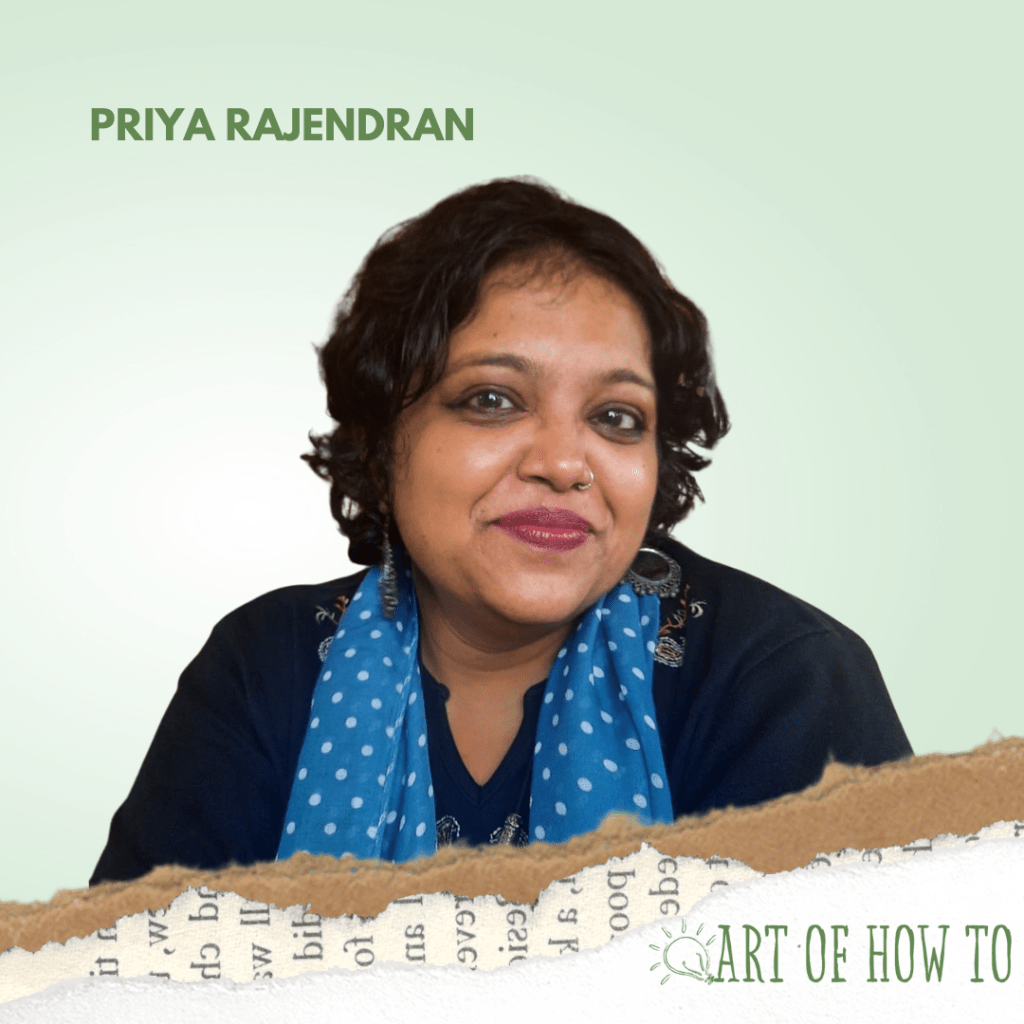
Priya is a quirky writer/photographer/closet poet, and singer who has traversed a non-conventional path. As a former entertainment journalist who has worked in print and online media for a decade, Priya loves talking to people and writing their unspoken stories. She is the single parent of an 8.5-year-old son settled in Tamil Nadu and a freelance Content Consultant. Priya is also an informal mentor to parents in her local parenting network. She dreams of being an author and maybe a scriptwriter someday!

Follow Priya Rajendran
Social Pressure A True Learning Curve

We are all caged in some way or the other. We are prisoners of our thoughts and ideas. We are warriors fighting for the liberation of our breaths. How cool would living in a world of radical ideas and liberated thoughts be? How awesome would it be to swoon among hearts that pave the way for a calmer society? How wonderful would it be not to be hindered by the constant societal and peer pressure?

In a way, isn’t it betraying ourselves by doing something we didn’t want to do by simply giving in to social pressures? Daily, whether we like it or not, we are affected by the influence that others have on us. This is evident in the cultural demands and aesthetic canons that tell us how to live if we want to be considered valid among the rest of the so-called “society.” We struggle to cope with social pressure even in our closest personal relationships. We all had to deal with peer pressure as early as school days.

How often have we agreed to plan an activity we didn’t want to partake in? How often have we said something we didn’t mean just to fit in or please others around us? What if I said that this is perfectly natural? This is because, at the end of the day, as a human, we are social beings. Hence we need to feel that we belong to a group to survive in this world. However, we might suffer unwanted significance if we don’t adequately manage this pressure.

When we give in to social pressure, we are disloyal to ourselves. We become muddled and feel uncomfortable. That’s because when we say something we don’t think or do something we don’t judge, we generate a dissonance that stops us from feeling alright.

However, setting boundaries, refusing, and contradicting others is not appealing and scary. We may fear being excluded, rejected, or judged – apt to the new age term – FOMO – Fear of Missing Out. On the other hand, if we give in to the desires of others, we feel guilty because we have betrayed ourselves.

Paradoxically, trying to please others can bring us problems on a social level. For instance, if we say we are going to do something we don’t want to do, we are likely to back down later, making us appear indecisive, irresponsible, and unreliable in the eyes of others. Indeed, our initial desire to please and avoid a conflict will turn against us, and we will face the exact consequences we were trying to avoid.

Social Pressure & How to Deal with It


Developing self-confidence is critical to dealing with social pressure. A confident person is hard to manipulate and hence stays strong in their character. Working on our self-esteem can be ideal for dealing with social anxiety and peer pressure. Self-love shows that we love ourselves; we validate and appreciate ourselves. No one except ourselves can get us to do something. On the other hand, if we feel insecure, fragile, and in need of others, it’s much more likely that we will end up giving in to social pressure – which is unhealthy in many ways.

Staying away from impulsive responses can help. If we act impulsively and respond without thinking, it’s probably our need to people-please! For this reason, it’s essential to take a few seconds to recall before answering any request, suggestion, or comment. Hopefully, in that time, we will realize that we were about to accept something we didn’t want, and we can change our decision accordingly.

Self-confident people don’t need this reflection period as they automatically consider their preferences. However, if we have been too accommodating to others for years, this moment can make a real difference and allow us to implement a new way of doing things and living life.

Most of us, keeping it gender biased, feel the need to justify our decisions, give explanations, or excuse ourselves when we don’t comply with what’s asked of us. A simple “no” doesn’t seem to be enough to us, and we offer justifications and excuses that, many times, aren’t even the real reason for us refusing something.

“I’d like to, but I can’t,” “I don’t have time,” “I’ll think about it, and I’ll tell you later.” Do these phrases sound familiar? If so, we must know that we have the right to say “no” and that our solutions and conclusions are valid and don’t require further grounds. This positively affects our development as an individual in society though people would prefer us not to know it.

Applying the above-said values will require a conscious effort on our part. We must cater to the needs and desires of our inner selves than please and make others around us happy. Only when we wholly appreciate ourselves can we understand the beauty of what is around us.

Dealing with social and peer pressure is a learning curve. We understand a lot about ourselves and what is happening around us. We learn and unlearn daily if we are sure to listen to our hearts. We must overcome the inertia of all those years when we were motivated by the desire to please others and the fear of rejection. However, with daily practice, it’ll get more accessible, and we will feel more satisfied with our work. How about starting right away?

——

Aakanksha Dinah, a passionate writer, orator, communicator focused on establishing a Training institution centered on creativity and innovation. Aakanksha is a true believer in loving the work we do and strongly believes in smart-work, the reason why creativity works better for her. Aakanksha is enormously focused on making a career in professional writing and publishing. She loves writing poems, self-help articles, and essays. An enthusiast when it comes to learning languages and in short, Aakanksha is a wanderer, an explorer, a mom, a dog-mom, a poet, a cook, a writer, and an influencer.

Follow Aakanksha Dinah

Happy We

Joy and happiness are experienced by many but understood by only a few. Happiness comes from within. We have all heard this phrase and have been told that our happiness is an emotion only we are responsible for. The moment we hold someone else accountable for us to feel happiness, that moment we fail to realize that being happy is a very personal issue.

Happiness is in different scenarios for different people. For some, it might be writing a book; for some, it might be watching a movie. For a few people, happiness may be simply lazing around at home; for some, they need loud music and people around them. For some people, satisfaction is spending time with their family; for some, it is spending time with their pets. Happiness can be experienced in food, music, books, movies, art, laughter, sharing stories, recollecting memories, talking to a friend, cuddling with an animal, walking in nature, swimming, or even cooking!

Happiness is an emotion. It can be emoted towards small things – momentary things when something specific happens. In a broader context, happiness can be a recollection of memories and life accomplishments of a person. Happiness is subjective well-being. One person’s “happy meal” may not be another’s. It is a personal and private emotion, like sadness and grief.

Happiness is primarily a result of contentment. When people are content and grateful for whatever they have in their lives, they tend to see the brighter side and be satisfied. That contentment leads to happiness. Only when we value who we are as an individual and are morally sound in society can we fully immerse ourselves in the bliss of happiness?

Along with being an emotion that encourages us to feel good, happiness enhances our idea of truth, relationships, and emotional and physical health, as well as increased contribution and social connection with others around us. There are several things you could practice to experience joy and happiness. Simple steps taken in our daily lives can enable us to reach the epitome of joy and glee.

Managing our stress is critical. If we get stressed about the simplest things in our day-to-day lives, we will never feel happiness and contentment. We tend to feel resentful all the time, and that feeling is not suitable for our physical and emotional state of mind.

Prioritizing ourselves and enjoying our company can be another step towards finding happiness. Self-care and self-love come in handy when finding joy in life. Only when we love ourselves and are happy with ourselves can we love others and be comfortable around others. Self-love reflects a lot of energy and aura that highlights our characteristics in this world. Only when we are happy from within can we speak wisdom and enlighten the world with our truth. Boosting our self-esteem and ensuring we get this is key to finding happiness.

A healthy lifestyle is critical to maintaining a healthy mind and body. A wholesome reason and body release hormones responsible for happiness – dopamine that creates the feeling of joy and bliss in us. Indulging in an unhealthy lifestyle can kill our dopamine levels, and we may never experience that eternal feeling of glory again.

Happiness is a choice. It is in the good and the bad we do in life. It is in our decisions and the subjects we are interested in. The more we indulge in things, people, and situations that enhance happiness, the merrier we are. It is a personal choice that we make in life. Therefore, moving towards a life filled with happiness is up to us. Also, just being happy and experiencing happy moments and glee is not life – life is an amalgam of every emotion – happiness, sadness, sound, and the bad. It is up to us how we perceive it.

——

Aakanksha Dinah, a passionate writer, orator, communicator focused on establishing a Training institution centered on creativity and innovation. Aakanksha is a true believer in loving the work we do and strongly believes in smart-work, the reason why creativity works better for her. Aakanksha is enormously focused on making a career in professional writing and publishing. She loves writing poems, self-help articles, and essays. An enthusiast when it comes to learning languages and in short, Aakanksha is a wanderer, an explorer, a mom, a dog-mom, a poet, a cook, a writer, and an influencer.

Follow Aakanksha Dinah

Timeless Influence Of The Shawshank Redemption

Few films have the power to resonate with audiences across generations, cultures, and backgrounds quite like “The Shawshank Redemption.” Released in 1994, this cinematic masterpiece directed by Frank Darabont and based on a novella by Stephen King has left an indelible mark on humanity’s collective consciousness. Its themes of hope, friendship, redemption, and the human spirit’s resilience against adversity have influenced people worldwide, making it an enduring source of inspiration.

The Tale of Resilience and Redemption

At its heart, “The Shawshank Redemption” is a story of two men, Andy Dufresne and Ellis “Red” Redding, whose lives intersect within the confines of Shawshank State Penitentiary. Andy, wrongly convicted of murder, maintains his innocence and becomes a symbol of hope and change for his fellow inmates. Red, a long-term prisoner, gradually transforms from a skeptic to a believer in the power of redemption. Through perseverance, friendship, and a relentless pursuit of justice, Andy escapes from Shawshank and eventually helps Red find his rescue outside.

Andy Dufresne’s life in “The Shawshank Redemption” imparts a powerful lesson on the resilience of the human spirit. His unwavering hope in the face of adversity teaches us that maintaining a positive outlook can help us overcome even the most challenging circumstances. Andy’s determination to seek justice and transform his environment underscores the significance of staying true to one’s principles, no matter the odds. His genuine friendships with fellow inmates remind us of the transformative power of connection, even in the bleakest of settings. Ultimately, Andy’s journey encourages us to believe in second chances, the capacity for personal growth, and the enduring possibility of redemption.

Themes That Transcend Time

  1. Hope Amidst Despair
    The film’s central message of hope in the face of despair is a universal theme. Andy’s unyielding optimism and ability to find purpose even in the bleakest of situations resonate with anyone who has ever faced adversity.

  2. Redemption and Second Chances
    The characters’ journeys reflect the innate human desire for redemption and the capacity for change. The film shows that mistakes don’t define a person; the choices made afterward truly matter.

  3. Friendship and Camaraderie
    The friendship between Andy and Red teaches us about the transformative power of genuine connections. Their bond is a reminder that human relationships can be a source of strength, even in the direst circumstances.

  4. Institutionalization and Freedom
    The portrayal of life within the prison walls also highlights the concept of institutionalization. The film prompts us to reflect on how individuals can become conditioned to accept a confined existence, mirroring broader societal constructs.

  5. Perseverance in the Face of Injustice
    Andy’s relentless pursuit of justice and his ability to outsmart a corrupt system inspire us to challenge injustice and stand up for what’s right, even when the odds are stacked against us.

Impact on Humanity

“The Shawshank Redemption” has had a profound impact on mankind since its release.

  1. Cultural Permeation
    The film’s dialogues, quotes, and scenes have become a part of popular culture, reinforcing its influence on modern society’s language and discourse.

  2. Cinematic Legacy
    The film’s critical acclaim and commercial success have solidified it as one of the greatest films in cinematic history. Its enduring popularity is a testament to its universal themes.

  3. Empowerment and Motivation
    Countless individuals have turned to the film for motivation during personal struggles. Andy’s determination has served as a source of inspiration for those seeking strength to overcome their own challenges.

  4. Discussion and Reflection
    “The Shawshank Redemption” encourages conversations about topics such as justice, resilience, and the human experience, fostering deeper self-awareness and empathy.

  5. Charitable Endeavours
    The film has also sparked various charitable initiatives and community projects that aim to provide second chances to individuals in need, mirroring the redemption themes of the movie.

“The Shawshank Redemption” is not merely a film; it’s a timeless masterpiece that has enriched mankind’s understanding of hope, friendship, redemption, and the indomitable human spirit. Its influence continues to be felt across generations, making it a beacon of light in a world sometimes overshadowed by darkness. As we reflect on its enduring legacy, we’re reminded that no matter the circumstances, there’s always room for redemption, growth, and the pursuit of a better tomorrow.

“The Shawshank Redemption” is a cinematic masterpiece transcending time and genre, making it a must-watch for all. Its universal themes of hope, friendship, and redemption resonate with people from all walks of life, offering a profound exploration of the human experience. The film’s captivating storytelling, exceptional performances, and thought-provoking narrative create an emotional connection long after the credits roll. Its message of resilience in the face of adversity, the pursuit of justice, and the transformative power of friendship make it a film that entertains and enriches our understanding of empathy, compassion, and the capacity for positive change. Whether you’re seeking inspiration, thought-provoking discourse, or a moving story, “The Shawshank Redemption” has something to offer everyone, solidifying its place as an essential piece of cinema that leaves an indelible impact on the hearts and minds of its viewers.

——

Chippy is a dreamer and optimist. She believes, we become what we hope, aspire, dream to be and knows how to make a dream or two happen. Seventeen years of experience, struggling, winning, failing, succeeding and failing again and making it, she knows what it takes to build a successful project, a business, and what it means by starting from the bottom up. It takes determination, dedication, and direction and that’s why her mission is to ‘step up & inspire.

Follow Art Of How To
Facebook
Instagram
Twitter
LinkedIn

A Universe Of Immense Dreams

We live in a universe of multiple dreams, desires, ideas, patterns, logic, ironies, and paradoxes. The world is a much smaller spectrum when compared to what hides behind. It is so powerful and wholesome when we finally realize that it takes a lifetime, and perhaps more, to really understand and appreciate the little things in life and not to worry too much about the whole thing! One thing we will not regret is the time we spend on ourselves, the efforts we put in to better ourselves, and the energy we invest in making joyful memories. What will not matter as much as the things we spend too much of ourselves on?

So live a little. It’s huge out there. Breathe a little. There is fresh air out there. Learn a lot. There’s so much more to uncover. Laugh a lot. We never know what lies ahead of us. This is it. This is life. To balance and live one day at a time. No haste. There’s nothing more important than keeping ourselves in ultimate peace and harmony. Nothing is more magical and necessary than maintaining mental health because we live and go: and when we go, we might as well have lived!

And with living, we must dream. Life is to experiment, explore, and experience. It is to feel and to emote. It is to touch and to take in. It is to see and to act. It is to affirm and bring our ideas, fantasies, thoughts, analysis, logic, reasoning, and potential into existence. Our purpose must take us places; it must influence and inspire.

Our love for experiences must give us memories. Our passion for adventure must provide us with energy. There must be complete use of the immense resources available to us – to make this world more liveable and to contribute to the progress of humankind.

We are empowered to produce and multiply – goodness, gratitude, kindness, love, compassion, fear, darkness, hatred, and hellfire. It is up to us what we want to explode into the universe with our aura. Our halo will shine through our character – our enormous knowledge of living in this world will be reflected in our actions. With all his wonderful dreams and desires, a man’s mind makes this world beautiful. In the same way, a man with a sense full of spirits of wickedness and hatred shall spread the same. The doors of heaven are open, and so are the ones to hell. It is, therefore, indispensable to impart the knowledge to people of what exit to take, for both might look the same from afar. Lost souls are plenty, and it is perhaps time for us to interfere and bring back those who fear the melancholy of thunderous storms. No matter what purpose, the spirit of goodwill, empathy, compassion, innocence, and discipline we are born with must be cherished, honored, deeply rooted, and spread to the coming generations to impart the importance of values and virtues.

The universe is vast. Make dreams a reality. People like Elon Musk show us daily that we can if we dare. Why not dare a little? Why not take that next step right away? Why not create the most out of the immense dreams spread across this universe? Ponder.

—–

Aakanksha Dinah, a passionate writer, orator, communicator focused on establishing a Training institution centered on creativity and innovation. Aakanksha is a true believer in loving the work we do and strongly believes in smart-work, the reason why creativity works better for her. Aakanksha is enormously focused on making a career in professional writing and publishing. She loves writing poems, self-help articles, and essays. An enthusiast when it comes to learning languages and in short, Aakanksha is a wanderer, an explorer, a mom, a dog-mom, a poet, a cook, a writer, and an influencer.

Follow Aakanksha Dinah

Rediscovering Your Wild Side

One of my resolutions about five years ago was to bring back my crazy, wild side. I was determined to do it, and this time, I did! I started living by my instincts and following my gut feelings. On a lighter note, having talked about my wild side, I know how you would envision me – hair standing, wild clothes, crazed eyes, and perhaps, whacking people (well, not so violent!) or holding a rope/lasso in hand, etc. But my definition of wild is doing what I want to do at that moment, and when I feel and want to do, going by my gut instincts, and not following any norms. It could differ for all of you.

Everyone who knows me closely knows about another wild, intense side of me – the opinionated and strong-willed part. They know I could go to any limit and extent to protect my loved ones and stand up for their right. My family even jokes that I was born wild. I had been stubborn from the beginning and argued wildly and endlessly like a lawyer as a child, so much so that my mom thought I would become one someday. Of course, I chose another route – the Word Route- to vent my wildness!

I was passionate about my wild side till I was in my 30s. Then suddenly, my domestic side surfaced, and for some reason, I became content to be in my comfort zone. I stopped being adventurous, a risk-taker, and spontaneous. I followed “rules,” became idealistic, and became a “planned” risk taker. Call it a phase or a sudden dip in confidence levels, and I thought, “This is it.” I guess many of us have these phases in life. These phases come as we cross some milestones in life. But it is not necessary to remain in this phase for too long. The circle of energy flows through all of us. So, no phase is constant and must not be too.

Similarly, if you have been stagnant, you will become dynamic someday. Sometimes stagnancy may symbolize you need a break or a pause to reflect on life. But it should not be a permanent break. Consider it temporary and ensure you break out of the phase too. You need to be conscious of your breaks.

You can do it anytime if you want to reclaim your wild side. Just ensure you do it because you want to and not for anyone else. There may be several reels on social media showing how you can claim your wild side, too, where influencers inspire. But go by your gut feelings!

So, what is the image you get when you imagine yourself being wild? Close your eyes and think. Each of us has a particular perception of how we want to be. Focus on that. Embracing the wild side can be a journey of self-discovery, a connection with nature, and celebrating the untamed spirit within us. “wild” often evokes images of untouched nature, freedom, and unpredictability. It could be going close to heart, going through an energy, food, and technology detox. So, are you any of these or a combination of these?

Sing aloud, offkey.

This is my way of expressing my wild. Singing is my passion, and sometimes I go offkey and have fun seeing reactions around me. Whoever accompanies me on a drive will witness me singing aloud to the loud music in the car. My partner-in-crime is my son, who also does the same.

Dance like crazy

Rains, romantic music, party music – any piece can make me dance. Even a visual of someone else dancing can make me get up and break into a dance! I need an excuse to move anywhere – parties, streets, or alone at home. Attend dance classes or workshops that encourage free expression and movement. Dancing can be a powerful way to unleash your wild energy and let go of inhibitions.

Dress as you like

At home or elsewhere, I like to try contrast-colored outfits. I do not believe in matching accessories and outfits at all! Trust me, and it’s fun to play dress-up! I am a sucker for selfies too.

Tastebuds goin’ wild

Trying new foods that stimulate my tastebuds and moods is another wild side of me. I am a moody cook, so I try crazy combinations when I crave something different. I am game for trying out fancy dishes or any new dishes recommended on social media/by friends. The pandemic was a time I discovered a lot of cuisine and quenchers that I had never heard of – thanks to social media.

Tread unknown paths

Nothing better than an unknown road. Cycling is one of my favourite outdoor activities, and I love exploring different routes. Thanks to Maps, I plug in my earphones and cycle away. It is exciting to go off-grid. Of course, I do look after my safety too. But yes, it gives me a thrill to do it. The same goes with driving too. I love driving off main roads and exploring in lanes. Choose activities that allow you to connect with nature and experience the untamed beauty of the wilderness.

Wilderness Retreats 

Join a wild retreat or a nature-based workshop focusing on self-discovery and personal growth. These retreats often involve mindfulness practices, guided hikes, and activities designed to help you reconnect with yourself and the natural world. Take slow walks, meditate outdoors, or sit silently, observing the natural world around you. Moonlit walks also can be a magical experience, connecting you with the cycles of nature. 

Solo Travel 

Pack your bags and go to a new destination without overthinking or over-planning. Allow yourself to immerse in the experience, meet new people, and embrace unexpected adventures. 

Creativity at its wildest best

Engage in artistic activities like painting, drawing, writing, or photography. Expressing your creativity can be a powerful way to tap into your wild side and explore your inner world. I love doodling and Mandala. You can choose yours too.

Wild Workouts

Try fitness activities that take you out of your comfort zone, such as outdoor yoga, trail running, or obstacle course training. Pushing your physical limits can help you feel more empowered and connected with your body.

Community Drum Circles

Drums, as percussion instruments, are quite meditative and relaxing. Join a drum circle in your community or form one with friends. Drumming can help you tap into your wild and instinctual nature.

Breaking cycles and patterns

All of us are conditioned to walk a particular path, do things in a specific manner, and lead our lives the way we were taught as children by adults. Some cycles are now redundant and need to be discarded. As part of the wild, we need to break these codes and form new ones that are more flexible. This is something I have been doing for years. 

Fire Ceremonies

Participate in fire ceremonies, which have been used for centuries to release negative emotions, connect with the elements, and embrace transformation.

Remember, reclaiming your wild self is a personal journey. Choose activities that echo with you and align with your interests and passions. Be open to new experiences and embrace the untamed aspects of your being.

Signing off with a quote by Rumi, “let yourself be silently drawn by the strange pull of what you love. It will not lead you astray.” 

——

Priya is a quirky writer/photographer/closet poet, and singer who has traversed a non-conventional path. As a former entertainment journalist who has worked in print and online media for a decade, Priya loves talking to people and writing their unspoken stories. She is the single parent of an 8.5-year-old son settled in Tamil Nadu and a freelance Content Consultant. Priya is also an informal mentor to parents in her local parenting network. She dreams of being an author and maybe a scriptwriter someday!

Follow Priya Rajendran
The Illusion Of Perfection

The strength to do something lies within. It takes more than willpower and determination to get that task done or to maintain that consistency you have been trying to bring into your life. It has more to do with discipline and the inner desire to get things right.

Perfection is an illusion. It is different for different people. Someone’s imperfection is another person’s absolute bliss and success. Judging or portraying someone for how they succeed in doing certain things in life is irrational. Life is more than quantitative achievements. Contradictory to what you have been told all your life, the best achievement in life is not in how many marks you scored in school or how many subjects you cleared in your college. It is about something other than what college or University you were placed in or in your organization. It is not even in how much more you earn than your competitors. It is in how much life you have lived – how many days you have spent basking in the warmth of your existence. How many lives you have touched through your being alive… how many people you have helped, and how many miracles you have created with your aura.

It is also in how good of a person you are and how much goodness goes around from you. It is in how empathetic and kind you are as an individual. It is in how you treat other people. Goodness, and absolute achievement in life are your characteristics. It is in how good you are when you are by yourself. It is in the spirituality you follow – not necessarily religious – spiritual in the purest form of being morally right. It is in how much love you have within – not lust, but platonic love that heals.

Perfection is a mirage that deceives us into believing that flawless existence is attainable. In reality, embracing imperfection is a liberating choice that allows us to break free from the shackles of unattainable expectations. By accepting ourselves and others with all our flaws and complexities, we pave the way for a more authentic and fulfilling life. Remember, it is in embracing imperfections that we truly find beauty and meaning in this imperfect, yet wonderful world.

In today’s fast-paced and competitive world, pursuing perfection has become a prevalent and unattainable goal for many individuals. We constantly strive for perfection in our careers, relationships, appearances, and various aspects of our lives. The truth is that perfection is nothing more than an elusive illusion.

The illusion of perfection has to be broken. No human in the face of this world is not sad. There is not a single person in the world who has it all right. It is, therefore, unreal and beyond foolish to believe in a world of plastic where people mostly only post about their good times. It is rare for someone to show their authentic self and their real life on social media; hence, it is illogical to live the social media way. It is detrimental to yourself if you believe that perfection is in somebody’s size or a celebrity’s attention from others. It is not about how you look on the outside – because, trust me, anyone can look amazingly stunning with a lot of makeup and an amazing hairstylist! The bigger picture is quite extensive. Going around the entire tree to see the reality isn’t easy. It is, however, not a mystery. It is appealing out there and open for all to understand that little things add up to make the bigger picture. The bigger picture is your true self – healing yourself and the world around us while knowing what life is genuinely all about.

——

Aakanksha Dinah, a passionate writer, orator, communicator focused on establishing a Training institution centered on creativity and innovation. Aakanksha is a true believer in loving the work we do and strongly believes in smart-work, the reason why creativity works better for her. Aakanksha is enormously focused on making a career in professional writing and publishing. She loves writing poems, self-help articles, and essays. An enthusiast when it comes to learning languages and in short, Aakanksha is a wanderer, an explorer, a mom, a dog-mom, a poet, a cook, a writer, and an influencer.

Follow Aakanksha Dinah

Cleaning My Kitchen or Decluttering My Mind

By the end of this read, some women may starkly disagree, and others may think I am borderline obsessed. However, I hope a significant section relates!

As women, we fight the norm every day (at least in our minds) that we don’t solely belong to the kitchen, and yet when your husband tries to help and keeps a utensil where it shouldn’t be, it irks us.

Some of us probably make a face, and others like me try to hide it because it risks that he may not even help me then. The whole point is once we get used to orderly maintenance of our kitchen space, it becomes akin to a sacred space that is supposed to be the way it is.

Wake me up, and I will know where I have kept the noodles, from where to refill the salt. Instead of my food items and kitchen essentials, I have set things in a specific order I remember.

So the following day, even half asleep, I don’t put salt instead of sugar in the tea.

As everything stays set, gradually, the dust starts settling in too. The windows I have kept open for a fresh whiff of air also bring along these thousands of tiny speckles that layer up against my containers. I SEE THE DUST SETTLE IN when I pick one up to take out the lentils. My laziness. overpowers my dormant urge to take a cloth and wipe it. I tell myself I will do it on my day off –mostly likely the weekend, which I dedicate to my dusty racks and container lids.

While that is my weekly chore, I have a daily ritual (for lack of a better word) to clean my kitchen top and marble slab every night. When my mother used to clean our kitchen slab, I filled the mug of water from the sink and handed it to her. She scrubbed off the stains and did it very late in the night because we did not have a fan in the kitchen back then, so the burner needed to be dried all night to be used the next day. I was not fond of this activity because I refused to understand what she enjoyed so much about it that she took so long to clean it. And look at me, years later, penning down a whole article on it!

Today, no matter how close my kitchen towel is, I instinctively clutch on my top/pants first and then wipe them off clean on the towel. Do you too?

Cleaning my steel gas burner, scrubbing off every stain off it and the tiles behind, using the citrusy soap to make sure it doesn’t smell, I apply most of my energy to make it spic and span. Or should I say reenergize? I could be tired at the end of the day, but cleaning out these stains makes me feel better. It serves as a conclusion that this day in the kitchen has ended. The next morning, when I make the first tea, I feel refreshed. On days there are no stains, I just
wipe it with a wet cloth.

I get into such detail about my kitchen cleaning routine because of how it makes me feel. I reclaim this space; I erase the chapter of food cooked today and, at the back of my mind, already prepared for what I will be cooking tomorrow. Although it is the end of the day, it does feel like a headstart to the next.

It does feel like decluttering my thoughts. I take this time to myself, sometimes even performing a little jig between the sink and the slab. I calculate my productivity for the day and wonder what has been my cause of botheration today. It makes me feel lighter. The final swipe of the mop that takes out all the dirty water, that part feels like closure.

At this point, I may sound obsessed about the cleaning technique, but if you think about it, it does give you a sense of control over having done things your way. At least acing it at cleaning, even if you have forgotten to put salt in your dish.

Woman, you may not belong to the kitchen, but don’t you like to have it your way?

——

Writer by day, an overthinker by night. I let my thoughts flow through my writing. As a definite misfit, I let my words speak louder than my actions. Welcome to my journey of sailing through emotions and experiences, with words as my paddles.

Follow Riddhi Jadhav

Crafting Life After A Break-Up

Much like an ever-evolving canvas, life can be beautiful and challenging. One of the most daunting challenges we may encounter on this journey is the painful experience of a break-up. It’s a universal truth that heartbreak is an inevitable part of life, but how we frame and navigate our lives after a break-up can significantly impact our growth and happiness. In this blog post, we will explore the art of crafting life after a break-up, discovering how to turn this emotional turmoil into an opportunity for personal transformation and rediscovery.

1. Acknowledge the Pain

The first step in framing life after a break-up is to acknowledge the pain and heartache. Allow yourself to feel the emotions that are valid and essential to the healing process. Cry, vent, or seek support from friends and family. Embrace vulnerability, as it is through acknowledging our emotions, that we can start healing and rebuilding.

2. Reflect and Learn

Amidst the pain, reflect on the relationship and the breakup. Understand that every relationship serves a purpose, and despite the ending, there were valuable lessons to be learned. Reflect on your growth and how the relationship has shaped you. Learning from past experiences can help us make better choices in the future.

3. Rediscover Yourself

After a break-up, losing sight of our individuality amid shared experiences is easy. Now is the perfect time to rediscover yourself. Engage in activities that bring you joy, pursue hobbies, and spend time with friends who uplift you. Embrace your passions and interests, allowing them to guide you towards a stronger sense of self.

4. Practice Self-Compassion

During this healing process, be kind to yourself. Practice self-compassion and avoid self-criticism. Understand that healing takes time, and there is no “right” way to recover. Treat yourself with the same love and care you would offer a friend going through a difficult time.

5. Letting Go of Bitterness

Resentment and bitterness can keep us emotionally tied to the past. To frame a brighter future, letting go of these negative emotions is essential. Forgiving doesn’t mean condoning past hurt, but it does free us from carrying the burden of anger. As the saying goes, “Holding onto anger is like drinking poison and expecting the other person to die.”

6. Focus on Personal Growth

Embrace this period as an opportunity for personal growth and self-improvement. Set new goals, explore different experiences, and challenge yourself. Whether pursuing further education, traveling, or adopting a healthier lifestyle, focusing on your growth will bring a renewed sense of purpose.

7. Surround Yourself with Positivity

Surround yourself with positive influences, whether supportive friends, family, or motivational literature. Negativity can hinder the healing process, so aim to build an uplifting support system that encourages your journey of self-discovery.

Framing life after a break-up is an art that requires patience, self-compassion, and a willingness to embrace change. It’s essential to remember that healing is not linear; there will be ups and downs, good and bad days. But just like an artist creates a masterpiece from a blank canvas, we have the power to create a fulfilling and beautiful life after a break-up. By acknowledging our emotions, learning from the past, rediscovering ourselves, practicing self-compassion, and focusing on personal growth, we can emerge stronger, wiser, and more resilient than ever. Embrace the process and trust that your canvas of life will evolve into something truly remarkable.

——

Chippy is a dreamer and optimist. She believes, we become what we hope, aspire, dream to be and knows how to make a dream or two happen. Seventeen years of experience, struggling, winning, failing, succeeding and failing again and making it, she knows what it takes to build a successful project, a business, and what it means by starting from the bottom up. It takes determination, dedication, and direction and that’s why her mission is to ‘step up & inspire.

Follow Art Of How To
Facebook
Instagram
Twitter
LinkedIn

Coping With The Empty Nest Syndrome

When your young ones fly away…“The empty nest syndrome is just the next chapter in the book of life. Embrace it, and write a beautiful story.” 

You know you are an older parent (parent to an older kid) when you are seeing them off for higher studies or preparing them for an independent life in another city for their new job or settling your married son/daughter about to move to their own space in the same or different city. Multiple scenarios can exist where your child moves out to be an independent adult. Either way, the pangs of your children moving out of your house can be painful. Till they turn adults, we parent our children to make them independent, but when they do become independent, it hits us hard that they are about to start their journeys like we did when we were young!

I haven’t reached that stage yet in my life, but I do feel it whenever my 9-year-old son suggests a nightcap with his friends or even says he wants to sleep with his grandparents for the weekend (they are in the same house, by the way!), I get frazzled and unsettled. Many of your parents may relate to what I am saying and even laugh it out. It happens because right from the time they are born, they are always with us. They are dependent on us for everything! So, feelings of attachment are natural, and separation becomes an unnatural thing to think of in our hearts and minds. How much ever we practically believe, our hearts overrule the mind and make us miss our young ones (the not-so-young ones, too!). 

Empty Nest is true to its literal meaning – nest referring to our homes and empty being our feelings. The Empty nest syndrome is a psychological and emotional condition that parents may experience when their children leave home to live independently, typically when they move out for college, work, or other personal reasons. It is called an “empty nest” because it describes the feeling of emptiness and loss that parents may experience when their children leave.

Parents who have been actively involved in their children’s lives may find it challenging to adjust to the significant changes that occur when their children move out. They may experience various emotions, including sadness, loneliness, grief, and loss. Some common feelings associated with empty nest syndrome include loss of purpose, loneliness, increased focus on self, and changes in relationships with their spouse or partner.  

Not all parents may experience the empty nest syndrome, and the intensity and duration of these feelings can vary significantly between individuals. 

10 Ways to Cope with The Empty Nest Syndrome

Each person has a different way of dealing with emotions at this stage of life. What our parents did also may not apply to what we want to do. So you can follow what resonates or vibes with you the most!

1. Acknowledge your feelings

It is essential to recognize and accept the emotions you are experiencing. Allow yourself to grieve the changes and accept and acknowledge that feeling a mix of sadness and excitement during this transition is expected.

Coping with the Empty Nest Syndrome can be a challenging experience for parents when their children leave home to pursue their own lives, such as going off to college or moving out to start their careers. Acknowledging your feelings during this transitional period is critical. Acknowledging your feelings during the Empty Nest Syndrome is critical for emotional processing, communication, coping strategies, reducing isolation, and promoting personal growth. It helps you navigate this significant life transition with greater self-awareness and resilience. Remember that seeking professional support from a therapist or counselor can also be beneficial if you struggle to cope with this period’s emotional challenges.

2. Stay connected 

Our world has shrunken to a small screen now. So, there are multiple ways to regularly keep in touch with your children through phone calls – audio and video, or occasional visits. 

Staying connected during the Empty Nest Syndrome is crucial for various reasons. When children leave home, parents may experience loss, loneliness, and a void in their daily lives. Maintaining connections can help parents cope with these emotions and navigate this life transition more smoothly. Here are some reasons why staying connected is critical. Staying connected during the Empty Nest Syndrome is essential for emotional support, reducing isolation, sharing experiences, distracting from negative thoughts, discovering new interests, and strengthening relationships. Building and maintaining connections can significantly contribute to your overall well-being as you navigate this new chapter in your life.

3. Start Self-Care Routines

Dedicate time to taking care of yourself physically, emotionally, and mentally. Engage in activities that bring you joy, such as hobbies, exercise, meditation, or spending time with friends.

For several reasons, starting self-care routines is critical to coping with the Empty Nest Syndrome. When children leave home, parents may experience a range of emotions, and it’s essential to prioritize self-care to navigate this life transition healthily and positively. Here are some reasons why self-care is crucial during this period. Starting self-care routines during the Empty Nest Syndrome is critical for emotional well-being, stress reduction, self-awareness, physical health, distraction from negative thoughts, building resilience, setting an example, improved relationships, a sense of purpose, and coping with the transition. By prioritizing self-care, you can navigate this phase of life with greater resilience, positivity, and overall well-being.

4. Reconnect with your partner or Friends 

Use this time to rekindle your relationship with your spouse, partner, or old friends. Plan date nights, friends’ day out, take up shared hobbies or embark on new adventures together. And even if you do not have a partner (separated/not alive), this may be a time to rekindle friendships, travel with like-minded people or find a new partner. This is the best time to go on dates too!

Reconnecting with your partner or friends is critical to coping with the Empty Nest Syndrome for several important reasons. When children leave home, it can create a void in your daily life and impact your relationships. By reconnecting with your partner or friends, you can find support, companionship, and a renewed sense of purpose. Here’s why it’s crucial. Reconnecting with your partner or friends during the Empty Nest Syndrome is critical for combatting loneliness, finding emotional support, strengthening relationships, rediscovering shared interests, improving communication, renewing a sense of purpose, strengthening support networks, shared planning for the future, and redefining your identity. These connections can be instrumental in helping you cope with the changes and challenges that come with this life transition.

5. Pursue new interests 

Explore activities or hobbies you did not have time for while parenting full-time. This is an excellent opportunity to discover new passions and invest in personal growth.

Pursuing new interests is critical to coping with the Empty Nest Syndrome because it offers numerous benefits that can help you navigate this life transition in a positive and fulfilling way. Parents often find more time and opportunities to explore new activities and passions when children leave home. Pursuing new interests during the Empty Nest Syndrome is critical for filling the void left by the children’s departure, rediscovering yourself, distracting from negative emotions, building self-esteem, meeting new people, promoting learning and growth, enhancing overall well-being, transitioning to a new life stage, finding opportunities for creativity, expanding horizons, and setting an example for your children. Embracing new activities and passions can enrich and transform coping with this significant life transition.

6. Volunteer or get involved in community work

Engaging in volunteer work or community activities can provide a sense of purpose and fulfillment. Helping others can be rewarding and satisfying.

Getting involved in volunteer work or community activities is critical to coping with the Empty Nest Syndrome. When children leave home, parents often find themselves with more time and a desire to contribute meaningfully to the community. Volunteering or getting involved in community work during the Empty Nest Syndrome is critical for finding a sense of purpose, building social connections, increasing well-being, gaining new skills and experiences, providing a positive distraction, strengthening the community, fostering a sense of belonging, utilizing skills and expertise, serving as a role model for your children, and enhancing resilience. Embracing community involvement can be a fulfilling and transformative part of coping with this significant life transition.

7. Socialize with friends 

Stay connected with friends and expand your social circles. Attend social events or join clubs or groups with similar interests. You need not have an extensive process. A small circle of like-minded folks is always good to infuse positive energy each day.

Socializing with friends is critical to coping with the Empty Nest Syndrome for several reasons. When children leave home, parents may experience feelings of loneliness, isolation, and a sense of loss. Maintaining social connections with friends can provide numerous benefits that contribute to emotional well-being and help navigate this transition. Socializing with friends is critical to cope with the Empty Nest Syndrome because it allows for emotional support, companionship, a distraction from negative thoughts, shared experiences, laughter, and joy, a sense of identity, stress reduction, strengthened friendships, a sense of belonging, opportunities for new activities, and increased resilience. Nurturing your social connections can be vital to navigating this life transition with greater emotional well-being and resilience.

8. Seek support 

Talk to friends or family members who have experienced empty nest syndrome. Sharing experiences and feelings can be therapeutic. If needed, consider joining support groups to connect with others going through similar experiences.

Seeking support to cope with the Empty Nest Syndrome is critical because this life transition can evoke a wide range of emotions and challenges that may be difficult to navigate alone. Seeking support from various sources can provide significant benefits in coping with this period of change and adjustment. Seeking support to cope with the Empty Nest Syndrome is critical for validation of feelings, emotional processing, coping strategies, alleviating loneliness, practical advice, gaining perspective, reducing stress, building resilience, connecting with others, and preventing emotional isolation. Whether it’s from friends, family, support groups, or professionals, reaching out for support can be a vital part of navigating this significant life transition with greater emotional well-being and resilience.

9. Set new goals 

Gone are the days when people (in India) retired at 60. Lifespan has extended thanks to sound healthcare systems. So even if you have hung the boots professionally, you can still use this time to set new personal and professional goals.

Reflect on what you want to achieve and create a plan to work towards those goals. Many organizations seek experienced, older people as consultants who can contribute positively to organizational growth. Working also keeps the brain active. You need not work full time, but you can also dedicate a few hours of the day to work. Setting new goals is critical to coping with the Empty Nest Syndrome because it provides a sense of purpose, direction, and focus during this period of significant life change. Parents may experience a sense of loss when children leave home, and their daily routines may undergo considerable adjustments. Establishing new goals can offer numerous benefits to help navigate this transition with a positive outlook. Setting new goals during the Empty Nest Syndrome is critical for providing a sense of purpose, redefining identity, focus, and motivation, coping with change, building resilience, fostering personal growth, overcoming emptiness, creating new experiences, improving well-being, connecting with others, and planning for the future. Embracing new goals can be an empowering and transformative part of coping with this transition and embarking on a fulfilling new phase.

10. Embrace the positives

Focus on the positive aspects of having an empty nest. Enjoy the freedom, flexibility, and independence that come with this new stage of life. 

Embracing the positives is critical to coping with the Empty Nest Syndrome because it allows you to shift your focus from what you may perceive as losses or challenges to the opportunities and positive aspects that this life transition can bring. When children leave home, it’s natural to experience a mix of emotions, including sadness and nostalgia. However, actively embracing the positives can offer numerous benefits to help you navigate this phase of life with greater resilience and contentment. Embracing the positives during the Empty Nest Syndrome is critical for promoting a positive mindset, enhancing well-being, reducing stress, fostering gratitude, facilitating personal growth, strengthening relationships, providing motivation, coping with change, setting an example for others, and embracing the natural life cycle. Embracing the positives can help you navigate this significant life transition with greater optimism, resilience, and contentment.

Remember, coping with empty nest syndrome takes time, and it is okay to have ups and downs. Be patient with yourself and allow yourself to adapt gradually to the changes. With time and a proactive approach, many parents find joy and fulfillment in this new chapter of life.

Many parents eventually adjust to their new phase of life and find satisfaction in other areas like pursuing hobbies, reconnecting with their partner or old friends, or exploring new passions and interests. Seeking support from friends, family, or professional counselors can also benefit those struggling with empty nest syndrome.

——

Priya is a quirky writer/photographer/closet poet, and singer who has traversed a non-conventional path. As a former entertainment journalist who has worked in print and online media for a decade, Priya loves talking to people and writing their unspoken stories. She is the single parent of an 8.5-year-old son settled in Tamil Nadu and a freelance Content Consultant. Priya is also an informal mentor to parents in her local parenting network. She dreams of being an author and maybe a scriptwriter someday!

Follow Priya Rajendran