Who Is Unhappier


Ah! THE MILLION-DOLLAR QUESTION!!!! Ideally, only some want to ask a married couple. Who is happier!!!

For the simple reason that some of us don’t want to admit that it is indeed an ‘Unhappy’ marriage. Somehow when it comes to a marriage, we want to be the quintessential Ostrich burying our heads underground and pretending IT’S NOT HAPPENING; or at least not to Us. Even if it means ignoring the elephant in the room, we don’t want to acknowledge or even suggest to the couple the ‘unhappiness’ in the union.

Nevertheless, not all marriages are fairy-tale, and no matter how much we want to pretend that all is well in our paradise, we know it is not. What makes it worse is when one partner reports being unhappy while the other is happily oblivious to anything going wrong in the relationship. Then, the dreaded question pops back: ‘Who is unhappier – The Wife or the Husband?

Many personal and individual factors, expectations, and aspirations drive the satiety you may report from a relationship. Your gender, too, plays a significant role in your expectations of a relationship. So let’s check that out in the marital context.

‘Wife’ Protests:

• “He does not help with the chores.”

• “His family dominates every decision”

• “Eats unhealthy/not mindful of health/drinks too much.”

• “Spends too much money/time with his friends.”

• “Has become insecure/changed after marriage.”

• “It’s either sex or nothing at all when it comes to ‘love’”

‘Husband’ Protests:

• “She keeps complaining all the time.”

• “Isn’t always ready for/happy with sex.”

• “Does not give space/me time.”

• “Is always suspicious/dominating/micro-managing.”

• “Doesn’t dress up/parties as she used to before marriage.”

• “She has changed a lot/isn’t as cool as she was before.”

So, what looked like a ‘perfect partnership,’ ‘a divine union,’ ‘the perfect match, and ‘the happily ever after relationship suddenly turned into a disappointing, lustreless, rote, and mechanical arrangement that hardly excites anyone. What goes wrong here?

Let’s look at what are the everyday stressors that force this question:

1. Libido Mismatch

As much as we want to push this topic under the carpet, this is the most common factor of Marital discord. Of course, no two individuals will have the same appetite for sex, at least not at the same time. Still, the most significant driving factor is the inability to acknowledge and address this carnal desire. While the man is commonly believed to have a higher libido than his spouse, the converse may also be accurate and a reason for the partner with the higher drive to report unhappiness.

2. Finances

The Second most significant problem is mismanaged finances. It is not earning more or less, blowing whatever you make as a household. Again, the wife and the husband may have different ideas on what issues need priority status. If a consensus is not reached early in marriage, it can be a significant cause of reported unhappiness.


3. Work/ Career Pressures

Marital discord is inevitable in a modern-day society where both partners want to pursue their respective careers and do not want to slow down or settle down for domestic demands on one’s time. No matter how much you want to believe ‘you can have it all,’ it is a myth. The more high-pressure your job is, the more unhappiness you and your partner are designed to report.

4. Household Chores’ Division

Well, this needs no introduction. An unfair division of chores is bound to result in rifts and discord, especially if it’s combined with balancing a career and home!

5. Sharing Rearing Children

Having and bringing up children puts a lot of demands and pressure on a relationship mentally and financially. Suppose there are unreal expectations, unclear work division, or unwillingness to accept the changes. In that case, this can have disastrous effects on a marriage, thereby reporting more stress and unhappiness in the union.

6. Family Interference

Believe it or not, the support you have (or don’t have) from your family is instrumental in your happiness experience quotient. Marriage requires a lot of effort, and a little bit of support goes a long way in restoring the wear and tear of the relationship: the more support, the more happiness.

7. Peer pressure And Society pleasing

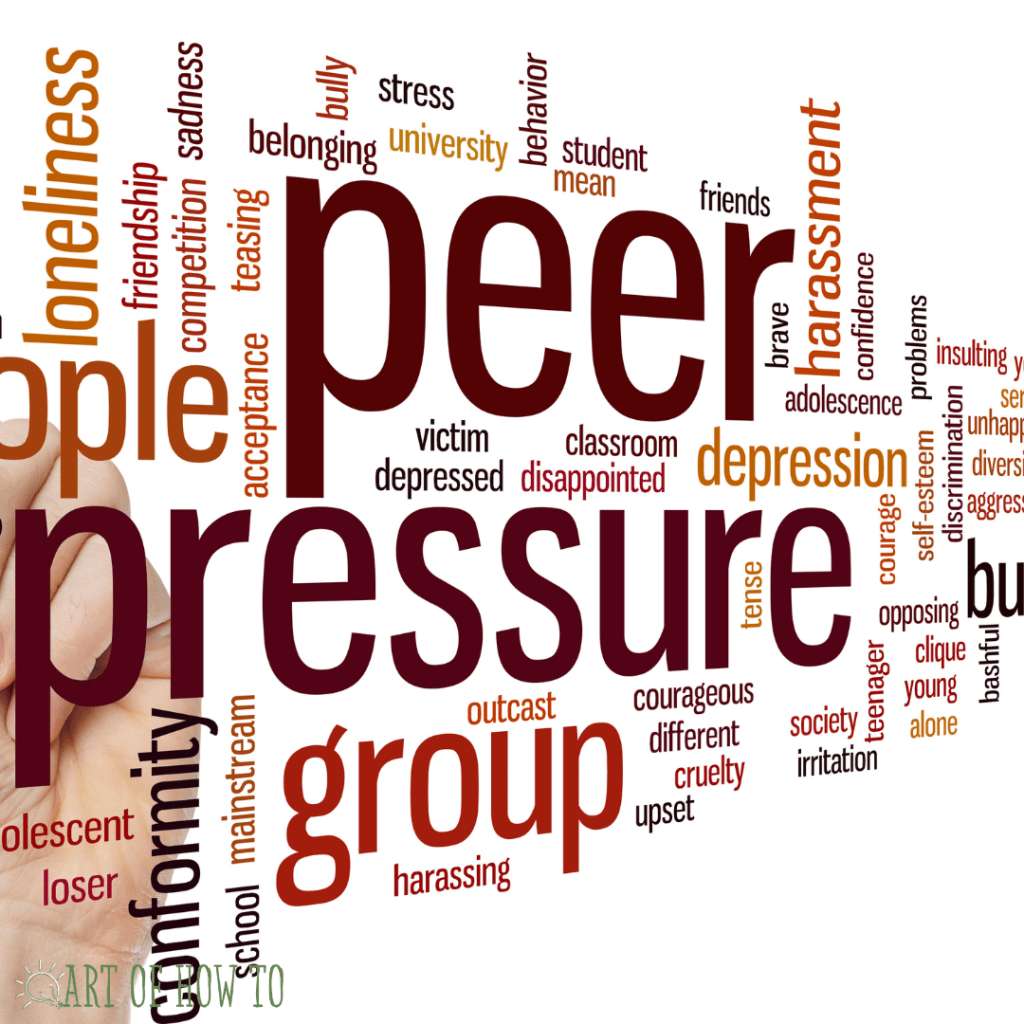
The demands on a relationship are abundant, and if any of you happens to be a people-pleaser, then peer pressure can bog you down. The more you give into this pressure of ‘looking picture perfect family, the more discontent you will report.

According to research by Population Reference Bureau, and Harvard Health Publishing, statistics suggest that married men report better health, life longevity, and happiness than their unmarried counterparts. In contrast, married women report worse health, inadequate mental health, and depression from unhappy marriages. They also form a significant chunk in writing a marriage as ‘Unhappy.’ So, if you believe statistics (not me), the ‘Wife’ wins the argument of being the ‘Unhappier’ one in a marriage!

And why does the wifey seem unhappier, you ask? It is pretty interesting to explore…What is common in both the Man and the Wife’s complaints is that ‘the other person is not what they thought/promised to be!’ 

The Man

Before Marriage, sees a girl who loves partying just like he does. But she doesn’t bother about the nitty-gritty, loves to dress up, gives freedom, and lives life like there’s no tomorrow! 


He thinks this is what he gets, and
SHE WILL NEVER EVER CHANGE!

The Woman

Before Marriage, sees a man who wants to protect her, chase her, care about her, follow her, lets her be who she is, compliments her, isn’t insecure, and loves her individuality. He isn’t the perfect Man yet, but he promises to be her brighter-than-sunshine Tomorrow!

She thinks he is not quite there but has the potential, and HE WILL CHANGE AFTER MARRIAGE.

Then Marriage happens ……

Everything around the woman changes – her surroundings, place, family, people, friends, and expectations of her…. And to keep up with the new reality, SHE CHANGES!!!

Everything around the Man does NOT change – same surroundings, same place, same family, same friends, expectations of him… And with no requirement to change, HE DOES NOT CHANGE!!!

Now that’s a perfect recipe for disaster called ‘MARRIAGE.’

Recently, I came across a social media post where a couple wished each other ‘Happy 2nd Marriage Unnecessary’ (Anniversary)!! …Well, I think they may be blessed with the divine knowledge of the Cosmos! 

Follow Veena Gupta

Ten Responsibilities Of A Dad 


A Dad’s role, defined, is one of a powerhouse from the day he becomes a dad. It never ends! The part of a dad is to provide a loving and supportive environment for their family. They should provide guidance and discipline to their children, serve as role models, and help them develop into responsible adults. Dads should also offer protection, security, and unconditional love for their families.

When does a man become a father? From the moment you know you are going to be a dad! Fact. A man can become an adequate father when he is ready to accept the commitment of being a father and willing to provide his children with love, support, and guidance. Unfortunately, some men sometimes take time to understand the seriousness of this duty. I urge every father and future father-to-be to take fatherhood to the next level and be part of the enormous responsibility of sharing responsibility with your partners and spouses in raising your beautiful creation.

A dad’s role in child development is significant. He plays a role in providing emotional security, teaching values, and setting boundaries. He also plays an essential role in providing guidance, support, and encouragement. A dad is an important role model, and through his actions, words, and attitude, he has a significant influence on his child’s development. He can also teach his child about problem-solving, decision-making, and other essential life skills.

Ten Responsibilities of a Dad 

1. Equal Financial Support –

This is not a hard and fast rule but a good rule of thumb. Supporting a family financially allows the father and mother to provide for their family’s needs, especially their kids’ future. 

2. Be a role model for children –

Fathers are, by default super heroes to their children. I say this without a shadow of a doubt. To me, to the day I move on to glory, my dad was, is, and will always be my superhero. And why? Everything about that man is excellent! He toiled all his life, saved as much as possible, and gave my brother and me extraordinary lives. I mean, we lacked for nothing. Hopefully, my son will say this to me one day!

3. Help Kids –

Getting involved with your children and helping with housework to homework is a great bonding experience. Of course, there will be times you need to learn a bit. But simply being with your child and learning together will be fun! I am waiting for my little man to go to school. I need to un-learn and re-learn a few matters!

4. Show unconditional love to children –

This is non-negotiable for any parent. Showing unconditional love does not mean being a pushover or a lesser man. It means knowing when to hold on to or let go of your kids. And by letting go, I mean allowing them to grow up. Being a parent is never easy, but it is worth it. Being your child’s or children’s safe place is the goal.

5. Spend quality time with children –

Make memories with them. Go on vacations, staycations, and workcations if needed. Take them away on magical trips. Help them learn the art of chillax! I can vouch for this. Thanks to my dad, my brother and I are super chilled and know how to work hard and vacation like the most incredible people on Earth.

6. Discipline children lovingly and respectfully –

Not complicated, but not easy. Disciplining a child means giving them some rules to live by and enforcing what needs to be done without being a bully. For example, not hitting a child but using an assertive tone to get them to understand right and wrong takes practice but works. 

7. Teach children right from wrong –

An add-on point from the previous one. Allow yourself and your children to learn what is right and wrong. They must be able to distinguish between the two and make educated decisions for their best.

8. Encourage children to develop their interests –

This goes without the need to be endorsed. I am lucky to have been allowed by my parents to follow my areas of interest, and so have my cousins and a few close friends. This helps a child grow confident that they are going down the right path. I have a cousin who is a musical therapist, a magazine editor, and a close friend who is a full-time fashion designer and an adventurer. All in mind, you have degrees and are well-educated!

9. Encourage children to take responsibility 

This helps build children’s character. As they grow, they become responsible and care for others as well. Also, this allows them to take their place in society as they grow up rightfully. As a result, children gain confidence, character, charisma, and, most of all, the ability to hold their space and be simple.

10. No Egos, Be Patient & Work as a Team –

A dad’s role in child development is significant. And for that to work, teamwork is paramount. Whether you are married, single, divorced, or separated, or even in situations of legal peril, you and your partner need to forgo all egos and work together for the progress and happiness of your kid. In raising a kid, one fact to always keep in mind is kids remember how they are treated when you are in crisis. So be patient and kind and work as a team with your partner and children in all surroundings and situations. 

The fact is a father, just like a mother, plays a role in providing emotional security, teaching values, and setting boundaries. He also plays an essential role in providing guidance, support, and encouragement. A dad is also an important role model; his actions, words, and attitude significantly influence child’s development. 

Follow Ignatius Deepak Stanley

To Blame or Not To


When a relationship fails, a zillion theories float about what transpired. Relatives and friends do a mini post-mortem. The moment spouses or partners part ways, judgments are passed, and the famous blame game begins. What, Why, When, and How are the favourite questions asked in turns? Ideally, what happened at the time must remain between the duo. But rarely is privacy maintained thanks to the “concerns” of families and friends.

There are myriad reasons for the disintegration of relationships, breakups, separation, and divorces. Once the honeymoon phase ends, the next stage is crucial. It is when the foundation of trust and mutual respect is built. The second phase of the relationship is where people start showing a side of themselves they never revealed during the initial days of dating or courtship. The feeling of being unwanted, taken advantage of, and abused by the partner mostly begins in this stage. Next, a lack of trust and misunderstandings make their way. Where there is abuse, the first instinct is often to forgive the first occurrence. The power play also spoils relationships. A sense of feeling superior overpowers the equality between partners. Then there are well-meaning friends, families, and relatives who decide who is right and wrong the moment they know a relationship is going awry. Finally, unwanted, unsolicited advice affects the couple’s ability to reason. As a result, it is a crazy mess of a beautiful bond that could have been saved if there had been clear communication.  

Recently, reading about the reasons behind marital discords and divorces in India provided some insights. Money ranked as the top cause of divorce. The other reasons were intimacy, deviant peers/buddies, poor division of labour at the house, parental ideological differences, addiction, and lack of communication. 

But I am sure the list is variable. It can differ in all relationships, including dating, marriages, and live-ins. But unions and live-ins are the only relationships that come under society’s scanner since they are the only ones legal in India now. Society generally perceives relationships other than marriage as casual; hence, they should not be taken seriously! 

While old-timers will blame an unmarried couple for having relationship issues because they aren’t married, ironically, married people are also accused of not treating their partners appropriately or doing “enough” for the relationship to be stable. In other words, no matter the relationship status, society is bound to blame them. Often, couples are judged and labeled unceremoniously when the relationship isn’t taking the route “it should be taking.” Then, instead of allowing the couple to sort their differences out, the connection gets further messy, with people interfering, offering unsolicited advice and pities.

As they say, “it takes two hands to clap” it does take two people in any relationship to put in equal effort to make it work. So if I were to rearrange the order and add some more to the reasons for marital or relationship discords/divorces, these would be my order:  

Intimacy –

When there is a lack of physical and emotional intimacy, especially physical, the relationship does suffer. The lack of connection between partners causes a rift between them. 

Poor communication – 

Relationships take a hit when communication breakdown and invisible walls are built between couples. No transparency and honesty remain in the relationship.

Lack of mutual trust – 

Walls between couples become a perfect recipe for a breakdown in faith.

Division of labour at home – 

When the responsibility of household chores and children falls on one person, the partner in question buckles under pressure. Frictions arise, and conflicts spiral into daily fights.

Parental ideological differences – 

There are inter-generational clashes, and more often than not, it affects relationships. Couples come under the pressure of family expectations to behave or live a certain way, much against their interests. As a result, more often than not, partners don’t see eye to eye and end up going their separate ways.

Substance abuse & addictions –

In almost every family, the following habits are commonly seen: gadgets, liquor, drugs, and even social media. Couples are getting distanced because of these addictions.

Poor peer influences – 

They say bad companies can destroy people and ruin good relationships. It is one reason most couples who parted ways on bad terms quoted. Interference by such “friends” can spoil everything around.

Out of all these mentioned above, I would say parental ideological differences and peer influence can be held as least responsible for a crumbling relationship. However, substance abuse (liquor and drugs) contributes significantly to deteriorating relationships. More often than not, people abusing substances get violent and abuse their partners. 

Domestic violence increased a lot because of this during the pandemic, and it was sad to see people remaining trapped in relationships thinking their partners would overcome the addictions and tolerate abuse. The recent cold-blooded murder of a girl by her live-in partner sent chills down the spine and shook the nation. It is a shocking example of one of the many cases where substance abuse proved fatal to the partner. She kept giving the benefit of the doubt to her live-in partner, a drug addict, thinking he would change. Sadly, her friends are now slowly opening up, saying they saw the red flags in the relationship but failed to stop her. She had rebelled against her family to live with her boyfriend. Following this, her family cut her off, and when she started suffering abuse, she couldn’t return to her own family, which was her safety net. This isn’t to say that live-in relationships are wrong but to make people aware that they need to see red flags when they enter a relationship.

After this horrific incident, more cases of abusive partners are reported, and people are opening up about the abuse they suffered in their relationships.

A healthy relationship entails open communication, trust, honesty, mutual respect, and unconditional support. Of course, love remains on top for a good relationship but with healthy boundaries and space set by each other at the beginning.   

Divorce/breakups must be the last option, but if it breaks you from within, it is excellent to walk away from it. Toxic relationships only scar you, so please do not blame yourself for it and walk off immediately. 

Signing off with a recipe for a happy Sunday. Take a big pot. Add a scoop of communication, respect, acceptance, empathy, unity, boundaries, choice (yes, u do have), efforts, honesty, and garnish with love. If you have the above ingredients in your relationship, ask yourself: “To be or Not to be” with your partner.

Follow Priya Rajendran

Canada Home To Many

With a breathtaking 9.984 million square kilometers and a 202,080-kilometre coastline, Canada is the world’s largest country in the Western Hemisphere. The second-largest country with the longest beachfront on the entire planet, with only four people per square kilometer. 

Canada’s vast tundra stretches towards the Arctic Circle and is sandwiched between the Arctic and the United States. Like the USA, it is divided in half; in the western part, the Rocky Mountains stretch from north to south, and the prairies offer extensive regions for cultivating canola and grains. Toronto, Montreal, and Ottawa, the country’s capital, are all in the eastern part of the country, considered its traditional heart.

It is a large country with harsh winters, breathtaking fall foliage, and a colourful, diversified population. Yet, it is undoubtedly one of the world’s most prosperous and peaceful nations. These are some of the reasons why so many individuals wish to live in Canada. By reading on, discover why Canada is more than just the Great White North.

The greater the number, the greater the delight

The immigration system in Canada is widely recognized as being among the most modern and advanced in the world. The land can accommodate a large population, but to ensure that Canada maintains its position as an economic powerhouse on a global scale, the nation must keep up with the technological, manufacturing, and trade demands of both domestic and international markets. As a result, the nation welcomes more than 300,000 new permanent citizens yearly. In addition, because the Canadian government views immigrants as a benefit to the country, it spends millions of dollars each year to assist newcomers in adapting to life in Canada and starting new employment.

Stability achieved through long-term residency

Canada is one of a minimal number of countries that genuinely give migrants the opportunity to apply for permanent residency from the very beginning of their time in the country. Most other countries only offer valid visas for a set number of years. So if you have permanent residency in Canada, you have the assurance that you can stay in the country for as long as you like, and you can construct a life there with the understanding that there is no time limit on your stay.

Accepting and tolerating diversity

The OECD ranks Canada at the top of the list of countries that lead the globe in terms of acceptance and tolerance of different ethnic and religious groups. Most of the country’s inhabitants are immigrants, resulting in a vibrant blend of ethnicities, cultural practices, linguistic varieties, and social norms. One out of every five Canadians is a migrant. More than twenty percent of the people living here were either born in another country or are of immigrant ancestry.

Great place to raise a family

The Best Countries to Raise Kids Survey ranked Canada as the fifth best country to raise children, trailing only the Nordic countries. Countries that received a passing grade scored highest in a compilation of eight country attributes: concern for human rights, family friendliness, gender equality, happiness, income equality, safety, a well-developed public education system, and a well-developed health care system. Countries that received a passing grade care about human rights, family friendliness, gender equality, and income equality.

Exceptional Natural Splendour

All of this and much more is waiting for you in Canada, including the Northern Lights, snow-covered landscapes, woods in full autumn colour, the majestic Rockey Mountain Range, Niagara Falls, some of the world’s most pristine coastlines, and the site of the second largest lake in the world. In addition, there are 44 national parks in Canada, one of which is the Great Bear Rain Forest, considered the most magnificent forest in the world. One can find the park on a remote island off the coast of Canada.

Universal Health Care

The publicly funded, universal health care system known as Medicare in Canada is a point of pride for the country. However, Canada is ranked 14th in the world by the World Health Organization, four positions ahead of the United States.

Canada Is Home to some of the world’s best-known tourist attractions

The nation is home to stunning natural beauties and thriving cities with a diverse cultural heritage. The Rocky Mountains, Vancouver, Victoria, and Calgary dominate most itineraries in Western Canada. Some of the most well-liked destinations in Central Canada are Niagara Falls, Toronto, Ottawa, Montreal, and Quebec City. The splendor of Gros Morne National Park, combined with the cities of Halifax and St. John’s, provides its distinctive character for visitors who go to Canada’s Maritime Provinces in the east. Off the beaten path, but no less impressive, is Canada’s North, where visitors can watch polar bears in their natural habitat and discover the remote beauty of locations like Nahanni National Park and the cities of Whitehorse and Yellowknife. Also worth noting is the Toronto CN Tower, which, at 553 meters high, offers unrivaled views and a rotating restaurant.

Check Out Canada if you are planning to migrate. It’s worth it.

Follow Naveeta Shokeen

Empathy In Classroom

Teachers and empathy. Teachers are a vital part of the educational system, responsible for nurturing the minds of the future. Tasked with educating and developing the child, including taking care of their emotional well-being. Therefore, it is paramount that teachers ought to have empathy. 

Empathy is the mastery of understanding and conveying the feelings of another. It is a fundamental skill for teachers to have, as it allows them to connect with their students on an emotional level. They can better understand their students’ feelings and challenges and provide support and guidance. Empathy also helps teachers create a safe, supportive learning environment for their kids. 

We have all been in classes where we either enjoyed the course or did not. And this was because some teachers made us feel confident, appreciated, and valued as students. And those are the same teachers we thank every day for allowing us to be ourselves and become who we are today!

By recognizing and responding to their students’ emotional needs, teachers can build trust and foster positive relationships. This will make students comfortable enough to take risks and be open to learning. Furthermore, empathy helps teachers be more adaptive to their student’s needs and learning styles. This adds to the previous paragraph. We are who we are today because a teacher believed we would someday change society, the world, or the universe. The last point is valid. Think of the scientists who put the Hubble telescope in space! Or the teachers who supported their students, and those very students made the Mars rover! 

They can better adjust their teaching strategies to meet the unique requirements of each student. It will help them to be more effective in helping students to reach their learning goals. Empathy also has a positive effect on student’s behaviour and academic performance. Students who feel understood and supported by their teachers. 

Here are five tips to help teachers have empathy for students

1. Get To Know Your Students

Take the time to get to know your students in person. Ask about their hobbies, interests, and goals. Knowing them in person means understanding them and getting a simple idea of their family and lives. All great movies about teachers who impacted their students are based solidly on this point.

2. Show You Care

Show your students you care about them by being patient and understanding. It is an attribute that cannot be faked. Youth today are well aware of who is nurturing and who is not. They respond very well to those who are understanding and patient. Sometimes you might think these kids are not listening to or paying attention to what you say. They might be acting up and being stubborn. It could be a cry out for help. Kids from troubled homes sometimes do not know how to react when someone genuinely cares for them.

3. Listen, Listen & Listen

Practice active listening when students speak, allowing them to express their feelings and perspectives. The devil is in the details, they say. Kids will open up to teachers they trust. Not at a topographic level, but more profound and more honest. That is because they see empathetic and kind teachers as trust ambassadors. They value the support they get and believe me. These kids do wonders. I know this because I live this and have been a student with some excellent teachers.

4. Acknowledge Each Student is Unique

Acknowledge each student's unique needs and abilities, and create an inclusive learning environment. This is a skill that very few teachers have. I say few because some teachers don't care for their students. I call them portions-driven teachers. And there are a few who are out there day in and day out, finding students that are diamonds in the rough and helping polish those gems.

5. Create Family & Teacher Partnership

Make an effort to understand each student's home and family life and create family-teacher partnerships. This is vital because a child's learning success lies in the league. The moment a child realizes that they will get support at home and school. Their interest level peak. Many brilliant children do not adhere to expected standards because normal does not challenge their intellect. Einstein is an example of this. 

Teachers should be a life-changing influencer for every child they come across. As they never know which child will change the world for the best! Be kind and let kids be.

Follow Augustus Stanley

Green Light To Moonlight

Moonlight is proof that there will always be light in the twilight. Whoever said it may have never meant it the way it is used in the neoteric sense in contemporary times! 

As we use it today, Moonlighting means having secondary employment to augment and supplement your primary income. It is like working a regular full-time job and getting paid for the work – which is your primary source of income and then having another work arrangement that pays you a little bit extra. It could be a freelancing arrangement, another full-time obligation, a contractual agreement, a hobby that pays you, or just some seasonal assignments you may undertake for some extra money. Extra money never hurt anyone, and for something you can do with your knowledge and experience and get paid for it, well… why not! But, as said, it’s not that simple.

Why the Name?


In the everyday context, you would be working a day job, say 9 am to 5 pm. And any employment you would take up additionally, post your usual working hours, will have to be done post sunset, i.e., under the moonlight; hence the name. It means ‘secret’ employment due to the notion that it is carried out while everyone else sleeps…but more commonly, it is used in the context of having a second job.

Especially in the last couple of years, when the pandemic struck, everything went haywire and normal life came to a screeching halt. For some, it was the end of the road, while for a few others, it was a complete re-router. What affected people most commonly was a hit in their incomes!!!

That gave rise to the Moon or, instead, ‘Moonlighting.’ But, just as moonlight lightens up a night, a moonlighting job lightens up dark clouds on your finances!

Moonlighting is not new; it has been around for ages. It has just been circumstantially put back in the limelight in the last couple of years. Almost every professional has had some side hustle running for them, especially when working on contractual terms. As it is usually called, a side business or a side gig has always been a favourite means of supplementing income…

An actor may always have some money-churning endorsements paying him an extra wage. Likewise, a doctor can earn additional fees through a home or online consultations, and a teacher may always be able to make an extra buck with personal coaching to students…but if a normal office-goer does this with his skill…….Oh Yes…it can be problematic for them. Why is it an Eye-Sore, and why are many worrying about it?

First, most feel it is ‘Cheating.’ They consider it an injustice to the employment terms offered to the employees for full-time work. Most believe there may be less attention to work, devotion, and focus when a second job is undertaken while employed under different organisation. Secondary employment possibly can put an organization at a data leak or breach risk. At the same time, some argue that the employee’s time during the work belongs to the company and anything outside of it is deception and disloyalty. Is it so?

Let me make some refreshing arguments…

Argument No. 1: 

To start with the basics, a company employs you after 18 for a skill they feel you possess that may help the company achieve its objective. This company was nowhere in the picture while you attained adulthood and acquired that skill set you can use. It is important to note that they did not hire just anyone and then teach them the skill. They hired you for your 'existing' talent. But as soon as they 'hire' you, You become their property! This is somehow unjust. The employee worked hard to educate himself, earn a degree, acquire a skill worth some earnings, and now his time, life, ideas, and experience all belong to a company that just happened some time ago; how does that work?
Argument No. 2: 

When the pandemic struck, everyone was affected in one manner or another. There were job losses; people had pay cuts ranging from 20-80%. Some just retrenched employees, citing zero business. Some fantastic companies did look after their employees well – hat's off to them for this, but there were many more which didn't or couldn't…What happened to company ethics and promises? Suddenly institutions were 'practical' and did 'what they had to run their businesses. FAIR… but then the employee is somehow a 'Cheat' when they get practical about earning an extra buck to support their income! 
Argument No. 3:  

Organizations have clauses stating that the ideas that an employee gets and those implemented while in employment are the company's property, and the employee shall not replicate or call them his own – FAIR!! But then, once the employee had clocked his time out, you cannot claim to own any part of his life. This is only asking to be fair on both sides. Whatever an employee does outside work is none of the company's business!
Argument No. 4: 

Companies feel okay with laying off employees to keep up with rising costs, prices, inflation, etc. They must do what they have to to keep afloat … so why not the employee? If the employee, too, is thinking about ways to stay afloat and keep their head above rising costs and inflation, why is it wrong?
Argument No. 5: 

Employment is a contract where the employer and the candidate come together and agree on specific terms for a mutually-beneficial working arrangement. The employee is paid for the work he does. Suppose somehow the employee's situation changes…. say. In that case, e.g., an earning family member expires, and suddenly the number of dependants on their salary increases, the employer will not double his wages to cover the additional dependants, right? They only continue to pay according to the terms agreed upon earlier, so if he joins/starts a second employment, it should, too, not ruffle any feathers.

My take is as long as the secondary employment does not hinder the primary employment’s discharge terms, it should not be a bone of contention for any organisations. Thats me.

Moonlighting Laws around the Biggest Economies

US: Moonlighting is legally permissible and quite common in the States. Self-employment, proxy employment, side hustles, dual employment, etc., are all common and rampant. 

UK: Similar to the US, no bar on holding secondary or third employments and side gigs for as long as they do not interfere with your primary duties.

Germany: Government categorically allows secondary employment for as long as it does not affect your primary employment obligations. However, taxation may be a little harsher on the secondary income. Furthermore, the second job must be outside the main job’s working hours.

China: Teachers and scientific researchers are allowed to moonlight openly – as they assumedly get paid low wages. Also, to spread knowledge and consultation are entitled. 

India: No separate laws prohibiting moonlighting. However, Section 27 of the Indian Contract Act 1872 does prohibit competing with the employer by starting a similar business or competitor’s offer. Usually, a prohibitive clause in the employment contract disallows dual employment. Most institutions in India forbid the practice of moonlighting and rigidly cap employees from taking a second job.

Most other countries, there are no particular laws prohibiting moonlighting, but generally not acceptable.

The Opinion

Changes in every sphere of our personal and professional lives and how we work and expect work are also undergoing fundamental changes. This should not just be accepted but also anticipated in advance. A secondary source of income has become a necessary evil in the modern world. It is no longer safe to bet your life on just one source of income. It’s similar to putting all your eggs in different baskets. It acts as a safety cushion or an airbag functionality in case of a ‘job-loss’ misfortune.

Just as you would ‘Diversify’ your investment portfolio, Moonlighting is just an attempt to diversify your INCOME portfolio! That shouldn’t be wrong, what do you think? Is it time yet! Time to show green light to moonlight!!! 

Follow Veena Gupta

I Am Possible


“I am fabulous.” “I am awesome.” “I am good at solving problems.” “I can do anything.” “I am strong.” How often do you say this to yourselves? Yes, you may have your good friend telling you this, but do you do this for yourself? If you answer yes, then it is impressive. But if not, please start doing this. 

The statements mentioned earlier are called affirmations. In other words, they mean “the action or process of affirming something.” It means statements reflecting positive energies with a focus and an end goal of achieving something. Affirmations are also linked to emotional wellness; to be an emotionally thriving adult, we must first be emotionally healthy as children. Gentle affirmations are not toxic. They are simple ways to remind ourselves we are going well. We can do it, a subtle way to boost our inner self – a moral boost to our confidence.

Children are the most affected in this competitive world and changing social fabric. Thanks to stress and pressure from adults and external surroundings, children subconsciously become shock absorbers of all negativity and negative emotions. As a result, children end up mimicking their caregiver’s and family members’ behaviours, little knowing how to deal with them. 


For instance, if kids see adults screaming at each other or going into silent mode, there is a high tendency for they will start doing the same. Likewise, if adults suffer from self-esteem and confidence issues and do not know how to cope, how do you think children will learn to manage? Whatever family structure the kids belong to – single parent, nuclear families, co-parenting families, or joint families, all are affected synonymous. 

So, how can we help our children grow in a healthy environment? How do we boost ourselves emotionally and pass on similar positive energy to our children? In other words: how do we self-empower? Adults do so by journaling, writing affirmations, self-care, quality sleep, physical activity, avoiding alcohol and caffeine in the evening, cutting chords with toxic people, etc. The tips mentioned above can be taught to children as well. They can be taught simple ways of expressing themselves and encouraging positivity.   

So, when can children start writing affirmations? Do we have any age/time limits to create positive affirmations? You guessed it right, as early as they began learning to write. 

quick tips for children to write affirmations

1. Request them to think about dreams/beliefs they want to include in their life. You can tell them to say it to themselves aloud. Most importantly, believe in them while saying.

2. Once you know what you want, start writing the messages in complete sentences.

3. Jot statements in the present tense with an active voice – "I am enjoying a stress-free vacation" or "I am building my blueprint the way I want it to be."

4. Use positive words in statements. Avoid using negative tones like expressing doubts in the comments you are writing – "I wish," "Not sure if it will happen," or even future statements like "I will do XYZ" or "I will start believing XYZ."

5. Keep telling them "Never indulge in self-shaming. Be proud of who you are." 

6. If writing differs from what your child likes, try asking them to draw on the mirror with their fingers or even draw anything they want to achieve on a piece of paper. 

7. If writing or drawing also doesn't interest your child, suggest the child orally frame affirmations, sing them aloud daily, and dance to their composed tunes.

8. Have you heard of a money box or a piggy bank? Make one colossal piggy bank of a cardboard box where affirmations (small one-liners) can be written on chits of paper/cardboard and dropped in as and when they write. They will be like currency. Every week, they can open it and re-read whatever they wrote. It can be one affirmation per day.

Children can read these statements daily when they begin their day. Another thing is you can continue to add to this list. Affirmations change with various milestones; hence, the child can be encouraged to form the statements minus grammatical corrections/any editing by an adult. After many years, these very statements will become beautiful memories for a child after turning an adult.

If your children are too young to write, you can write/frame the statements for them. Take their suggestions when you write them. You can use colourful sticky notes (with small messages) pinned on the refrigerator/soft boards/cupboards and all places where they are likely to see them. The more they read them, the more the positivity absorbed by them. As they say, children are akin to a sponge. They will absorb all that they are exposed to. So why not surround them with positive messages? Of course, it doesn’t mean you overprotect them with toxic positivity – avoiding reinforcing unrealistic beliefs. These positive messages must be realistic and achievable. They will keep them grounded and help them develop a healthy emotional relationship with themselves and others.

10 Reasons Why

affirmations are suitable for children

1. Builds self-confidence – As children, these statements mean a lot and help them take up challenges to do things they consider problematic. Since they are framing it themselves, it is an "extra edge" feeling for their self-esteem.

2. Helps handle big emotions – Affirmations can help children label their feelings better and cope with them.

3. Improves focus – Children can create goals for themselves by writing them down. It isn't only enough to list them. Affirmations can be framed so that the child knows they need to achieve the goal at any cost, and the only way is improved concentration.

4. Ability to resolve conflicts – Whenever they have a problem, these affirmations will come of help. They will find new methods to decide issues vis a vis running away from them.

5. Encourages positive self-talkEach time they hear a criticism, they will remember the affirmations, which will trigger inner positive conversations. This will help reaffirm their own beliefs.

6. Energizes the mind during classes – For students, these positive statements or phrases can be recalled at any point of time in the day, especially in school. It will help them re-focus on the subject they are learning, especially if it is difficult to master.

7. Helps in team motivation – Children can use affirmations to boost each other's spirits before beginning their group presentations and even use them effectively during the activity. 

8. Resolves body image issues – In almost every school, children tend to body shame others – some subtly, some directly. Children get badly affected by listening to such conversations. Affirmations help resolve body image issues and restore self-esteem.

9. Setting new challenges – While learning to do a new task or activity, positive phrases are a powerful tool to reinforce confidence to do new things they haven't done earlier.

10.  Self-Esteem matters – As a tool, these statements instill a feeling of accomplishing a task – big or small. That feeling remains for a lifetime. 

Leaving you with my favourite line – “Nothing is Impossible. The word itself says I’m Possible.”

Follow Priya Rajendran

H.R. and Metaverse


Our efforts to establish a meaningful online connection have been rekindled due to the pandemic. A virtual platform that resembles how we engage in the actual world but without the physical limits of that environment and that allows multiuser collaborations, training, education, and much more is the need of the hour to get over Zoom fatigue.

The “metaverse” is an online platform for real-time communication that blurs the line between the digital and physical worlds. As a result, it is becoming a more prevalent topic of conversation.

Even though many companies haven’t yet accepted the idea of remote work and are instead calling people back to the office, the future as we know it will be dominated by digital interactions that move from a two-dimensional camera to a three-dimensional space populated by digital avatars.

Because the Metaverse is going to revolutionize the way that we do our jobs entirely, there may be enormous repercussions for human resources, which will be the function driving this transformation.

1. Recruitment & Initial Orientation

Even if, because of advances in technology, we now have access to a talent pool on a worldwide scale, the growing popularity of the Metaverse will soon throw open the doors to a more diverse talent pool that transcends all geographical limits. Candidates can simulate their own onboarding and interview processes in a three-dimensional virtual world. Candidates will be overjoyed to get their travels underway if they are provided with a three-dimensional onboarding experience. Additionally, virtual reality (VR) can be used to evaluate potential applicants by modeling and testing their analytical skills, which are essential for the job. This can be accomplished by placing the candidates in a simulated environment.

2. Employee Engagement

Compared to the present pattern of remote and hybrid workforce models, we may predict an upward trajectory in positive employee engagement experiences with the introduction of Metaverse. But, again, this contrasts the tendency toward remote and hybrid workforce models.

Because employees no longer need to physically travel to different parts of the world to complete their work, businesses may save significant sums of money by having their workers complete their assignments using only virtual reality (VR) equipment. In addition, because of this, teams will be able to work together, develop, and plan with better communication, which may also boost employee productivity in a big way.

3. Training has a higher return on investment.

Training sessions enhanced with augmented reality (AR) technology can help employees better prepare for challenging circumstances. They will be able to handle stressful situations with more extraordinary tact and without losing motivation. The use of virtual reality in conjunction with gamified training sessions makes it possible to familiarise participants with scenarios they will most likely face as they progress through the organizational hierarchy.

4. Improve mental well-being

By utilizing technology such as augmented reality (AR) and virtual reality (VR), staff may better comprehend internal and external customers and easily manage difficult situations. Because of this, there will be a positive impact on reducing stress and conflicts, ultimately leading to improved mental well-being among employees.

5. The massive untapped potential exists in education and personal growth.

Learning and development in a company have a great deal of room for growth because of Metaverse’s enormous potential for improvement in these areas. Executive training programs, which were formerly inaccessible to all but a select few individuals, are now made possible by the generous financial support of numerous businesses on an annual basis. They can now be made available to anyone, regardless of their position in the hierarchy, who has aspirations of one-day becoming future leaders. This can be accomplished by participating in training based on simulations within a 3D learning experience platform. The staff will experience higher levels of engagement and motivation as a direct result of this change.

1. The cost of putting the plan into effect. Smaller enterprises may be unable to afford the implementation of Metaverse because of the costs involved. In addition, to function correctly in a metaverse setting, we would need a more incredible internet speed, which could be challenging to obtain in more rural places.

2. Concerns Regarding Jurisdiction: Residents of a virtual world can exist physically anywhere in the actual world, and the question arises: whose employment laws will govern?

3. Risk to confidential data. In the Metaverse environment, where “anyone might be anyone,” there is always the possibility of someone stealing data or conducting business espionage.

4. Health and safety considerations. Virtual reality (VR) equipment can make you mentally and physically tired when used for a long time.

Closing Thoughts

The potential of Metaverse’s capabilities in human resources and talent management is still being investigated. Still, continued efforts will be required to narrow down a select number of effective formulas that will engage employees, retain talent, and attract talent while upskilling them for their and the organization’s benefit.

Follow Naveeta Shokeen

Parental Burnout


Much as we love our kids, we have stages and moments when we want to unwind, sit calmly, and not have to do any of the baby commitments we have been doing for a very long time. Life changes entirely after a baby, and it’s nothing like earlier. We must give up on many things post-baby and sacrifice many habits and routines for the same. This is not very easy mentally, psychologically, and physically. It may not seem very difficult initially, but as time passes and parenthood settles in, it becomes more mundane, monotonous, and a little overwhelming.

When all the laughs and smiles slowly fade into everyday chores and milestones hit hard as it is a different and challenging phase for the child and the parents, things turn sides, and it’s not all that fancy anymore. For instance, teething – a tough period for both the parents and the baby – all we got to do is hold on and be as positive as possible.

Amidst all this chaos, we tend to feel pressurised and vulnerable. We feel exhaustion and irritation overpowering our parental instincts. We feel agitated, upset, depressed, anxious, and helpless, all at the same time. This phase is called parental burnout or mom burnout. It is valid for working moms too – they are not spared because they work at the office more – they feel the phase equally, if not more, with all the stress from the outside world and the world inside their homes!

To begin with, IT IS OKAY to feel overwhelmed and angry. It is natural, and it must be addressed. It is beautiful to share this with someone, understand what we are going through, and acknowledge that we need a break. Lying down what makes us anxious can be a start. Talk to someone who listens. Embrace what is left and take one step at a time. It helps deal with the feeling better. The baby does not know what is happening. There’s no point in holding the baby accountable for us feeling a certain way. All we have to do is be an adult and deal with this phase as cleverly as possible.

Take a break from being with the baby. Go on a date night or maybe a movie. Take a two days vacation and relax your mind. It’s alright to miss being with the baby, and it’s completely OK to feel a little weird – it’s just parental instincts! But we deserve a break, and we must take it when we can!

These things may seem modern, but they are not. Feeling exhausted and angry is something all women have dealt with, but no one addressed it or spoken about it. Today is when everyone is open to understanding emotions and helping people with mental well-being. Therefore, it is each one of our duty to appreciate parents and mothers and open up when they need. Do not shrug off their worries or concerns. We never know what someone’s going through.

Being a good mom or dad is not about never feeling odd or angry. It is about understanding feelings and acting according to them. So, for the baby’s benefit, parents, and the family… Happy parenting!

Follow Aakanksha Dinah

Powerful Ways To Overcome Fear


Sometimes even time does not help us get over and get through fears. Sweaty palms, palpitations, heaving breath, blank mind, perpetual fear of the ever so tricky exams. Been there and done that. However, I got some certificates that say I beat it. Exam fear is no joke. I struggled with it when I was growing up. Exams were never fun or happily awaited. I dreaded the awful end-of-term exams. And in my case, we had three terms. Oh, the horror. Imagine, if you like, in a little less than 90 days, I had to relive that torturous routine, and boy, did I dislike them. But, my parents had a solution for my exam fever or fear, and it helped me as I grew.

So let’s first figure out why kids fear exams and get sick or want to have the earth swallow them.
I have been on both sides, so I will share what I have learned.

1. Parents put excess pressure on kids to be the next big educational wonder – Now it is not harmful to want what’s best for your child. However, it is wrong to impose what you think they should have or should do what you did not. Living your dreams or life fantasies through your kids can be dangerous for them. In a surprising study, kids these days go through the highest stress ever known to us. Imagine a 10-year-old having pressure. I mean, ten is when the kid should have fun. You know, sports, watching cartoons, living the life that only kids can.

2. Poorly taught classes – When a child is pushed to a corner to achieve something they are not aware of or prepared to do, they will buckle under pressure. Fight or flight becomes a reality. One that no child should face at a tender age, at least not in academics. The world is not very lovely, but it does not need to have poorly taught kids punished for what their teachers or education systems lack. 

3. Lack of interest – Some kids don’t like specific subjects. Period. I read somewhere many years ago that in some European countries, kids have fun and have no exams till class 5. They get to have no curriculum; they are allowed to play and chill out. They attend school, but it is more to help them have child-sized fun and enable them to acclimate to using social skills in group settings. I have a hard time seeing kids break their backs carrying bags that will make a bodybuilder blush. 

Education is necessary but should not be a hassle for the little ones.

What are the remedies?

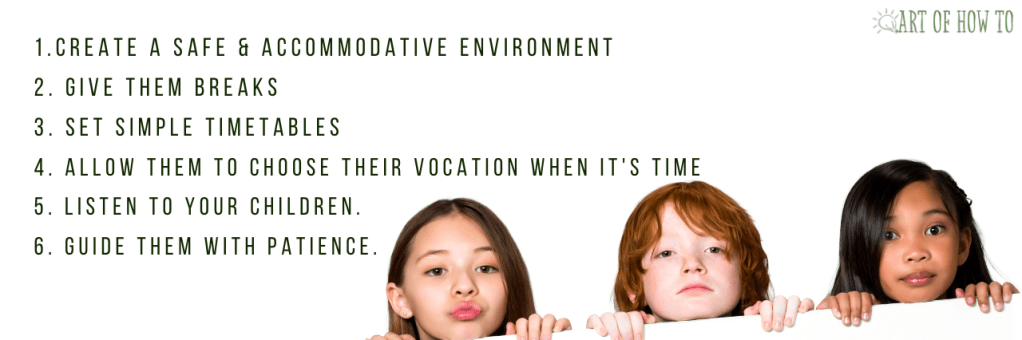
1. Create a safe and accommodative environment for the child at home to study and prepare. One with no judgment and full-on support, either with the parents being involved or tutors to guide the children where needed. 

2. Give them breaks as often as possible. Timeouts help keep them focused.

3. Set simple timetables.

4. Allow them to choose their vocation when it’s time. It is common for an art graduate to run a company just as good as an IIM graduate. Also, we all know a few school drop out who run multi-million dollar businesses. 

5. Listen to your children when they need you the most.

6. Guide them with patience and an eye for their best interests.

Exams are tools to test a child’s learning and not define the child’s intelligence. Some kids aren’t built to suit a system that does not work for their intelligence. Do not try to fit them in a box that life will later ask them to think out of. Grades will come and go or improve, should not damage a child’s mental well-being in getting them an education while equipping them for life.

Trust them, listen to them, guide them, and love them. Your child will surprise you with achievements you never knew existed! 

Follow Augustus Stanley