Riding The Waves Of Queer Pride


The football fever has hit hard. Two announcements that hit me harder than the loss of Argentina was the sudden ban on alcohol sale and the discrimination of LGBTQ+ individuals at the world cup arena. However, the ban on ‘OneLove’ anti-hate armbands at FIFA World Cup did not stop the rock sales of the armbands and how supportive the world reacted to it. 

"Pride is for everyone."
"We're here. We're queer."
"Celebrate Trans Pride."
"Not gonna hide my pride."
"We're all born naked, and the rest is drag."
"I fell out of the womb and landed in my mother's high heels."  

I am sure you all would have read these slogans and quotes in your cities during Pride Month (celebrated in India in June). However, the last quote is my favourite! It touched me and many others. 

In the last few years, many have shared how they or their friends were ready to come out about their sexual preferences and gender orientations. Though unfortunately, it wasn’t for me. A thought that disturbed me was: why we need permission to be what we are and who we want to be. It saddened me that gender and sexual discrimination did not allow so many of us to live our lives as we wanted.

In the same way, when you fall in love with someone or are attracted to someone, you are driven by instinct and your heart. It shouldn’t matter whether you love someone from the same sex or the opposite sex. So why be called queer for going against “norms”? Why be shamed for loving someone from the same sex? Love doesn’t change definitions whether you are a homosexual or a heterosexual. The feelings, emotions, and bodily reactions remain the same.

So, what is the meaning of queer? We all know queer is a word in the English dictionary to describe a person who is odd or different or did things differently. Interestingly, queer has been referred to as LGBTQ+ (Lesbian, Gay, Bisexual, Transgender, and Queer). 

But how did the word enter the LGBTQ+ lexicon? In the 19th century, “queer” came to be referred to as people in same-sex relationships. Back then, homophobia was widespread, and violence against the homosexual community increased. As a result, a group of activists enraged by the brutality wanted to raise their voices in protest. So, a group of HIV/AIDS activists formed the “Queer Nation” organization in New York on March 20, 1990.

Nearly 60 people from the LGBTQ+ community gathered for the event. Their message to the world was to accept them as they were and instill a sense of Pride among the community members. Many movements like these came later and encouraged them to get themselves as they are and come out of the closet to accept their sexuality. Hence the term “Queer Pride” was born. 

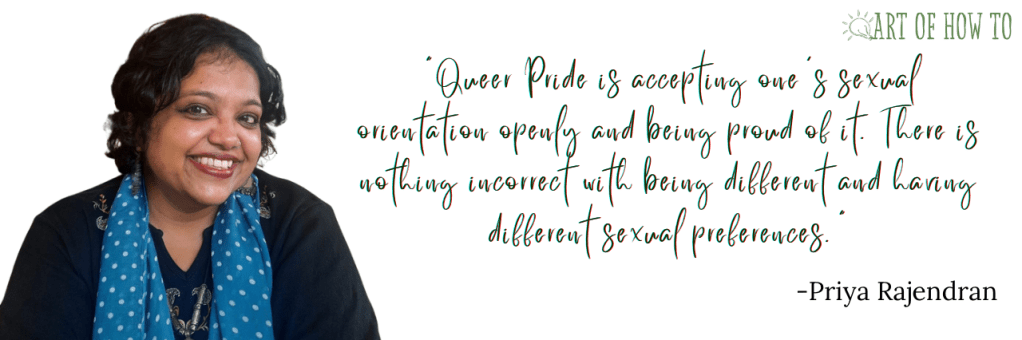
Queer Pride is accepting one’s sexual orientation openly and being proud of it. There is nothing incorrect with being different and having different sexual preferences. However, it doesn’t reflect on you as a person. This shouldn’t be a reason for discrimination. Each person has their personal choice and right to live their life as they want to. But ever since countries were born, boundaries were drawn, and they started drawing lines for citizens – how they must behave, dress in public, set rules and laws, and their gender and sexual preferences. 
Sadly, even spiritual sects, political forces, cults, and self-proclaimed moral police did not remain far behind in crusading against the LGBTQ+ community to date. People for centuries have been trying hard to “treat” or rather “cure” homosexuality. This “abnormality” supposedly goes against their idea of sexuality. Yet, they are still discriminated against and denied access to fundamental human rights like food and shelter. 

Even though it is hard, many opt to come out of the closet, face the world, and be who they indeed are. The world is more accepting now. Maybe a few… However, it takes time…more time to get a mindset change. Even more, time to gain acceptance. It is indeed a difficult road ahead in India. The number of Pride marches is increasing every year in most cities worldwide. There is better acceptance and more tolerance now in mainstream cities or metros. Smaller towns and cities in India are also beginning to organize seminars, conferences, and events for the public. It is crucial people are made aware of LGBTQ+ individuals and their struggles and gives space for them to share their life.

Of late, there are laws supporting LGBTQ+ Community. Gay and lesbian marriages have become legal in some parts of the world. Celebs are also coming out of their closet about their LGBTQ+ identities without worrying or fearing being judged. Recently, two former beauty pageant winners, Mariana Varela from Argentina and Fabiola Valentin from Puerto Rico, publicly announced their two-year-old relationship and marriage ceremony through social media. Their cute love story has left many more people to talk about their relationships openly. Public acceptance is slowly taking precedence in some countries, yet a long way to go. 

India has a long journey to bring up a sensitive and tolerant generation. Recently, the most horrifying case was that of a schoolboy in a leading Delhi school who committed suicide. He could not take in the atrocities of his seniors bullying him over his sexuality. It is heartbreaking to see how much intolerance is seeded by families who pre-define sexual and gender identities. Unfortunately, many such cases go unreported or shoved under the carpet. The only way things can change is when schools and academic institutions take the initiative to organize workshops and seminars to sensitize children. It will ensure lesser crimes and encourage inclusivity among children, irrespective of their gender or sexual preferences. 

Rainbow of Hope Expanding

Since the Supreme Court of India decriminalized consensual homosexual intercourse, it has proven to be a ray of hope for the LGBTQ+ community in India. Unfortunately, India is yet to legalize homosexual marriages, and there is still a long way to go for the complete acceptance of homosexuals. However, more stories about their identity and relationships emerge thanks to the ruling. Some have migrated abroad to LGBTQ+-friendly countries and got married there too. 

Social media accounts like Official Humans of Queer, Queers of India, and many more handles are helping more and more people get comfortable with their sex and gender identities and accept themselves for what they are. 

In an age where body shaming and toxic positivity are viral, these initiatives are a rainbow of hope for humans to walk with our heads held high on a road not taken at all. So, cheers to all of us who want to be what we are – pure, unfiltered! 

Do share your experiences/stories in our feedback box. We would love to feature them.

The top 10 countries ranked on the LGBTQ Global Acceptance Index (GAI) index developed by UCLA researchers in 2021 are in the following order – Iceland, Netherlands, Norway, Sweden, Canada, Spain, Denmark, Ireland, Great Britain, and New Zealand. In addition, Human Rights Watch, based in New York, has profiled 132 countries on its website. It gives information on human rights for the LGBTQ+ communities there. There are also maps accompanying these country profiles, showing countries that criminalize homosexuality and are ridden with gender-based crimes.

Most countries have different timelines for celebrating Pride Month. For example, India and the United States celebrate Pride Month every year in June. Others celebrate in February, August, and September. Pride Month is yet to be recognized internationally, hence the different timelines of celebrations too. India celebrates Pride Month every year in June.

Follow Priya Rajendran

Parenting, The Gender-Neutral Way


Pink for girls and blue for boys is passé now. Neither should colours determine the gender nor codes followed. Most of the globe now work towards (most) or has moved forward and are trying to leave behind stereotypes. Thanks to practicing gender-neutral parenting. Despite there are still people who follow stereotypes. A portion of the population still believes in gender-specific roles, professions, choices, and clothes. 

Gender-neutral parenting is defined as bringing up children in an environment minus inflicting typical norms, and gender-specific roles followed for generations. This parenting style focuses on developing characteristics and traits needed for a human without labeling them as “boy” or “girl.” It allows children to make choices without being influenced by society or norms. It allows children to make choices without being impacted by society or norms. No gender tags as well. And it does not mean not raising your kid without knowing their own body. To make it as simple as we can, ‘Gender – Neutral Parenting’ means raising your kids without gender stereotypes. 

On the other hand, in a traditional household, gender roles are instilled in young children, including choosing their professions and partners for them in the future. Children are given toys and clothes and assigned tasks based on gender. Sadly, children who grow up in this environment remain limited to norms and beliefs (followed by their family) that they carry forward as adults. Many cannot accept standards different from what they were brought up with. As a result, they become resistant to new changes and become either extraordinarily authoritarian or submissive in family roles and society. In addition, they quickly give in to and crumble under family pressures to adopt traditional choices.

A friend once told how her son was teased and made fun of while playing with his friends in their apartment playground. His friends poked fun and mocked him, calling him a girl. The reason was he was wearing a pair of pink socks. Her four-year-old son came crying and told her that he would not wear pink colour anymore because of all the teasing. My friend gently explained to her son and his friends that pink and blue are just colours and don’t belong to any gender. Yet those children stuck to their stance, saying that is what they learned at home. Finally, she told them to stop making fun of her son because he loves pink. This incident’s root cause came out – it all started at home. Upbringing matters a lot. 

It is shocking that parents still colour-code children so much! It begins from their cribs as newborn babies and continues till adulthood. After this incident, my friend pacified her son and told him to continue wearing what he loved and not be bothered by his friends’ comments. He did start wearing pink gradually but mostly restricted it when he went to play down.

As I pen this, I recall a similarly unsettling incident where a group of children teased a kid. They called him a girl. Why! He was made fun of for crying. He was just eight years old and is still learning to process his emotions and label them himself. How can he be expected to regulate or control them at this young age? The young boy was incredibly hurt and unhappy about the incident. I have come across grandparents, and more often than more, family members make fun of kids who cry, especially boys.

1. Avoiding Colour-Coded Pregnancy Announcements

In India, seeking information regarding the gender of your child is a crime. However, we do have traditional ceremonies where pregnant women are celebrated, appreciated and cared for. Gender-based announcements of pregnancies are followed as a tradition in most countries. People are increasingly using colours other than blue and pink to host baby showers. Traditionally, there are ceremonies where pink/blue is used to announce the child’s identity. A child’s room is designed according to gender, including toys, clothes, and other things. A change here could help bridge the gender bias and avoid building gender stereotypes. 

2. Gender-Neutral Toys & Clothes 

As we gender products for kids, we foster the notion that men and women are not the same and are different – for example, dolls for girls and trucks for boys. However, change can be seen in toy brands as they have presented toys that are no longer gender oriented. Let kids explore and find what they want to play with instead of choosing traditional dolls and blocks. In addition, entitling them to select their clothing style will give them a sense of identity and self-esteem.

3. Gender Neutral Pronouns

Pronouns and why? RESPECT. That’s it. Respecting and being mindful are valuable. Gender Neutral pronouns are inclusive pronouns that do not associate gender with a person – like “They, Them.” The pronouns “She/Her” and “He/Him” are associated with gender. In most personal and professional profiles, we can see individuals who specify how they associate themselves. Some parents refrain from mentioning the gender on their child’s birth certificate in some parts of the world. No labeling while addressing the child as well. The world is evolving, and society is and will embrace the change. 

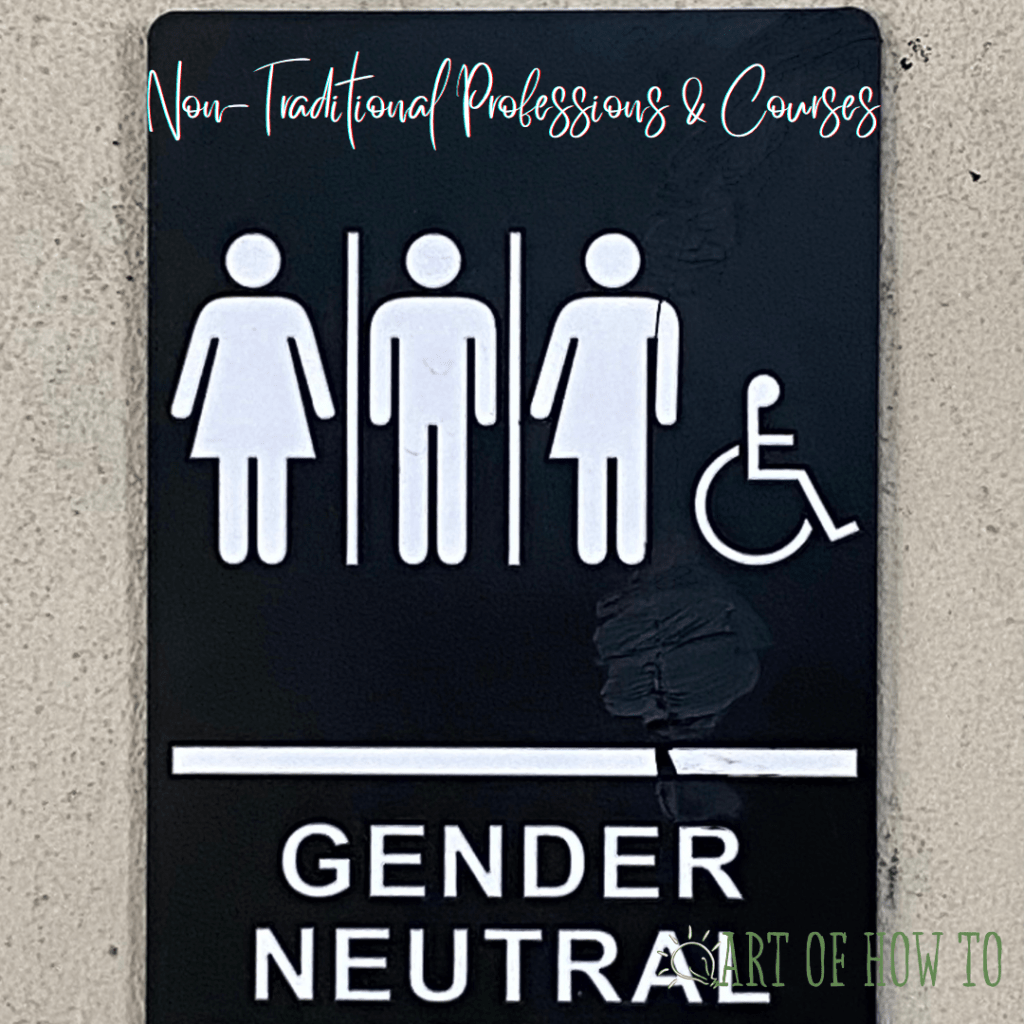
4. Non-Traditional Professions & Courses

More students are veering towards lesser traditional study programs and courses for higher studies. As a result, many schools and universities should slowly break students’ expected gender “codes.” It will expand the horizons for many who want to create their own professional identities and entrepreneurial ventures at a young age. So, circumstances, situations, and gender, no bar!

5. Introducing Labels for Emotions

Start teaching children to name their feelings and emotions. Please encourage them to express themselves and give them space for it. For instance, happy, jealous, angry, sad, joyful, and excited are some expressions you can teach your child. 

6. “Be You and Do You”

Children must be encouraged to express their sentiments and allow others around them to express themselves, especially their peers. For instance, say, “It is okay to cry/laugh/smile/feel sad whenever you feel like it.” It is okay to be themselves and do what they like at that moment. This will up their self-esteem and make them emotionally stronger.

7. Beyond Fairy Tales

It is exceptional to refrain from narrating old stories about princes and princesses or kings and queens with happy endings. New-age stories are full of real emotions with open-ended plots. These will encourage and stimulate the imagination in children. 

The 2021 Musical drama ‘Cinderella’ starring Camila Cabello, portrays an ambitious young girl with entrepreneurial dreams. Of course, love has presence, but finding yourself, finding happiness within the self, and standing up for yourself, and your goals took priority in this fairy tale climax. And a Price who stood by his love and her entrepreneurial dreams broke all gender stereotypes.

8. Reels Breaking Gender Stereotypes

There are excellent children’s movies and TV shows which have gender-neutral characters. Stories are straightforward and have a natural culmination. The cast can be genderless, similar to Big Hero, and roles can switch to any gender. Fantasy and sci-fi genres are becoming more credible, where roles and characters can be reversed. You can develop a script similar to Ridley Scott’s Alien, where all parts can be interchangeable for all genders. Alien for sure transformed gender neutrality in writing and casting characters in movies.

9. Conversations Begins At Home

Home is where the hearth and heart are. Home is also where values are seeded. Make sure your family is on the same page while having discussions at home on gender. If adults are sensitive and tolerant, children also absorb the same values.

10. Re-Writing Rules & Breaking Cycles

Cycles can be broken while helping children make informed choices and life decisions. So stand by them firmly and let them know you are with them.


The current state of society, where even tears are stereotyped. It reminded me of an adage, “Boys don’t cry.” This adage has been drilled into boys for centuries, since the time they are young kids. Crying has been seen as a weakness, and boys are specifically not supposed to cry since it makes them less manly or less of a boy. So, when I saw the said child being bullied and teased, I made it a point to tell the other children that it is perfectly okay to cry, whether it is a boy or a girl. But it is wrong to make fun of anyone linking to their way of talking, mannerisms, dressing, or emotions.

If children are sensitised at home and schools, society will have lesser bullies. Unknowingly we are encouraging gender stereotypes that will result in crimes when they grow up. Children will either think it is okay to hurt people or get hurt, making them grow up to become emotionally volatile and vulnerable adults. Let’s make a calculated change for a better tomorrow for our kids and the future of mankind.

Follow Priya Rajendran

Sway To The Beats And Tunes


Most of you would have heard of this: “Dance like nobody’s watching; love as you’ve never been hurt. Sing like nobody’s listening; live like it’s heaven on earth.” 

So how many of you sing and dance at home while doing work? Break into a jig while cooking? Just switch on the Music and sway? Have you ever been afraid someone’s going to watch you? Or do you plug in your headphones and Dance? You could sing too. It feels so good to be in this happy state when you dance! But Music and Dance have those magical effects on a terrible, lousy mood! Beating those blues becomes so important!

Which is your favourite Music? Do you have a go-to-playlist? Every person has at least one music app downloaded to their smartphone. It’s always plugged in during workouts, driving, cooking, etc. While Music awakens senses and activates happy hormones, Dance has similar effects, too – mobilizes the body, and shakes inertia. 

Research shows how physical activity increases the secretion of endorphins – the particular neurotransmitter substances in the brain. Dancing is one of the best physical activities, and once you add Music to the combo, it can help beat all your fatigue and sadness. Music and Dance are being considered therapy for those seeking professional mental health support.

1. Body Positivity

You will begin developing a better body image. Body positivity is unconditionally accepting your body as it is, in its proper form. Music and Dance help you do that. You switch on Music (any music according to your mood), close your eyes, and concentrate on the beats and sway. Good hormones start flowing in the body, and you will feel happier. Endorphins do this – boost spirits! The best part about Dance is you can create your steps. Music will do the rest. So be a dervish!

2. Meditation & Rooting

Have you watched videos of whirling dervishes (also called Sufi whirling)? It’s calming! They dance to Sufi beats in circles, in a meditative trance, listening to prayers for the prophet and peppy Turkish Music. These dancing circles are supposed to symbolise the planets revolving around the sun in the solar system. As a dancing dervish, you sacrifice your ego and personal desires and let your body go. The famous poet Rumi established this practice in the 13th century. The Whirling Dervishes of Istanbul have been recognized as UNESCO’s Intangible Heritage. You can sway the same way in your house with your eyes closed (of course, be mindful of the furniture around you!). 

These days, a few teachers’ training and corporates have started including body workshops and theatre in their programs. Participants are first made aware of their bodies and surroundings, similar to the dervishes. Then, a mild swaying of bodies to meditative Music creates wonders!

3. Helps You Express

There are specific programs to encourage participants to write songs, compose Music, and sing. Music can be used to modify behaviours and even bring good changes at the community level. For example, one of the therapies uses Music to motivate patients to express feelings, describe sensations in their body, and stimulate memories long hidden from the world and visuals formed after listening to the music piece. The same goes for Dance.

4. Shaking A Leg To Happiness

Any happy occasion is incomplete without a song and Dance across the globe – especially our big, fat Indian weddings! A lot of positive energy reverberates when a group of people dances. No fun can be compared to families of all ages shaking a hip to Bollywood, hip hop, Salsa, Latino, Bachata, Ballet, Ballroom, Jazz, Tap dance, Contemporary Dance, or any dance style of the world. You name it, and these styles are part and parcel of all happy occasions like weddings and births. Event planners make it a point to have a choreographer on their team who prepare family members for the experience. 

5. Boosts Cardiovascular Health 

Research says dancing reduces the chances of developing heart disease. Fitness enthusiasts recommend a moderate-intensity dance movement to remain fit. When stamina is good, one can always be active and do tasks irrespective of age.

6. Dance Movements Improve Core Strength

It helps build balance in the body and boosts muscle strength in the region between your upper and lower body. Various dance forms teach you to develop core strength in the body. It’s imperative to look after your body’s power for all activities! There are many ways to improve your core, and dancing is one of the best ways because it includes simple steps like lifting, bending, squatting, and raising your hands will help develop the best core.

7. Good Shot At Self-Esteem

Look at yourself in the mirror. Switch on Music and Dance away. Each twist and turn in every step will make you feel good about yourself. Make sure you shake your hips well ‘coz hips don’t lie, and neither does the mirror! 

8. Comfort & Strength To Conquer All Odds

Patients suffering from terminal illnesses have been known to battle illness thanks to Music and Dance. They help you gain confidence that you can beat it all! Music provides comfort other than human touch when you fight a battle with your body.

9. Lowers Anxiety

When you have a panic/anxiety attack, Music and Dance help calm down the pressure points in the body. Beats and pleasant Music fill you with warm sensations to bring down the overwhelming emotions you are undergoing.

10. Reduces Cognitive Decline

It has been found that both Music and Dance possess unique powers to help reduce memory loss and the aging process to a large extent. It keeps you youthful and lively! Remembering lyrics and dance steps helps maintain alert brain cells! Neural connections remain stronger.

So, what are you waiting for? Plug in your favourite Music. Do tell us your favourite genre of Music and Dance! What keeps you going – Music or Dance? Or Both!!!

Follow Priya Rajendran

Cycling On Recycling Path


By now, many of you would have completed all festivities. So let me ask you – what happens before and after a festival? How do you celebrate? Spring cleaning, decorating the house with flowers and festoons, lights lit, prayer rooms set. Let’s not forget the fun and food – playing cards on deck and eating yummy delicious sweets and savouries crafted by your mother or family. Finally, how can we forget the holiday shopping for gifts – for family, friends, and self?

As the holiday season approaches, you begin sorting and clearing undesirable items from the house. In Hindi (Indian language), there is a word called ‘kabaadi‘ (old things like plastic containers, vessels, books, newspapers, clothes, and even appliances). Now a few kabaadiwalas, people who help dispose of kabaadi for us are just a call away. They help a lot in sorting and clearing unwanted stuff too.

Since the digital age set in, websites and apps have been assisting in disposing of or selling used goods (in good and bad condition) at reduced prices or clear them from our premises for free. Unfortunately, things that are in highly damaged condition are discarded in trash bins. And then there is a bag of those things you do not wish to throw (painstakingly bought during an exhibition/sale) but must dispose of. But the good news for folks like me and you who refuse to let go of old things is that you can recycle them too. In India, if desired, we can recycle anything. These days no one is disposing of anything that fast. A path in home deco is in trend. You can evolve into an interior decorator. All you need is a practical aesthetic sense with the right combinations of colour palettes and design intent. Voila! You can revamp your house! “Reduce, Reuse, Recycle & Save” is the mantra these days. We call it “viral” and “trendy” in digital language. 

Recycling is a simple process of altering scrap into reusable material. Simply, it is gathering old things and giving them a new look or repurposing them for other use. It is suitable for accomplishing better environmental goals as well. For instance, recycling non-biodegradable things can be given a new look instead of disposing of them in waste containers. These things will take a million years to break down and decompose into the soil and may even damage the ecosystem if they get absorbed in water or soil. So why not give them a new look? Get creative!

India is a country of innovation. Almost every other house converts old things to new or makes an alternative to old things. Whenever I visit old friends and relatives’ homes during celebrations, I would often admire the décor and interiors. Once during a visit, I adored the curtains in a house. When asked, I was told it was designed by stitching old dupattas(shawls) together to make unique curtains! How simple and how resourceful was that!

Still remember the metallic shoe shelf (made of iron and painted) kept outside my house. A cloth was placed over the rack to shield the metal, stringing old greeting cards and wedding invitation cards (all sent by friends and family members over the years!) like a necklace. Colourful cards transformed the look of a plain-looking stand. We can reuse and recycle clothes, furniture, old photo frames, plastic and glass bottles, vessels in the kitchen, old plant pots, soft toys, and children’s toys. 

These days, mega brands sell recycled products. So look for those, buy recycled products, and collaborate with them to support the cause. Products like shopping bags and handbags made from old pieces of cloth, newspapers turned into table mats, earrings made from old plastic and wooden beads, money pouches and satchels made from old hosiery leggings, fancy paper bags embellished from old gold threads – you name it, and they sell it all!

We have to ensure the next generation comprehends to innovate and give a twist to old items. Schools and educational institutions are already doing it with their “Eco Clubs.” Mother Earth has given us so much. Time to give back to her! Non-biodegradable items are a challenge these days, especially e-waste. So why not find a way to give a new face to them? Take plastic pots, paint them and hang them on your balcony or gardens. Broad plastic containers can double up as planters. This will ensure the earth isn’t polluted! Utilize existing items instead of buying more. In this way, you are minimizing personal expenditure too. Try and recycle existing resources, and lower contamination too. Products packaged in recycled boxes also make a difference to the environment. 

Regular cleaning drives will ensure adequate waste segregation in societies. Sorting biodegradable and non-biodegradable waste reduces pollution, landfills, and water bodies. Apartments, offices, and independent houses must participate more actively in waste drives. 

Recycling also ensures that lesser waste is burnt. This means reduced air pollution too. Many people burn waste, thinking it will reduce the garbage around. But it simply adds to breathing and other health issues among people. If people find eco-friendly ways to convert waste or unwanted things at home, it will go a long way in preserving our planet. 

Why not donate old items to recycling centers? Charity begins at home, they say. So why not give away things you don’t need – old toys, clothes, machinery, appliances, and furniture?  

It takes 450 years for plastic to break down. So why wait for the earth to crumple? Instead, let’s take a pledge to detoxify our beloved planet. Instead of throwing plastic into waste bins, why not reuse it to reduce pollution? And why not recycle them for other purposes? 

Follow Priya Rajendran

Ever Been Gaslit


” I am successful, confident, beautiful, focused, and unstoppable.”
” I can be whatever I want to be.”
“I am grateful for everything I have in my life.”
“I am independent and self-sufficient.”

Chant this to yourself daily. These affirmations are optimistic messages to self. It helps us to uplift and boosts ourselves. So, as a part of your daily ritual, please chant this mantra. Often times it is more uncomplicated to affirm others than ourselves. However, we must remember to encourage ourselves more. You will know why I told you this by the time you finish reading this.

Ever heard the term “gaslighting”? Imagine if someone coaxes you to believe what you saw you did not see! Better, what you heard, you did not hear! Or what you sense, you are not feeling! Picture this, what if someone is always trying to convince you that your reality, truth, and facts are entirely inaccurate.” 


Gaslighting is manipulating someone psychologically by making them doubt their sanity. Just like a gas stove is being lit and extinguished, you end up in the same way with the knob in the abuser’s hands. The abuser knows which buttons to press to make you happy or unhappy and tests all your emotions. A point to note, the abuser finds happiness as long as their ego is massaged. Therefore, they can be wholly indifferent and oblivious to your emotions and feelings. As a result, you will often be confused, unhappy, and depressed as a victim. There will often be a haze around you, and you will doubt every decision you take. 

This happened a while back. One time, a mommy friend confided in me that she wanted to learn swimming, and we spoke in detail about the classes around where she could go to learn. After a few days, we met again, and I happened to ask her if she had started swimming lessons. ‘My husband told me I shouldn’t learn swimming because I might drown while learning,’ said my friend. My jaw dropped, and I expressed, ‘the whole point we should learn to swim is to stay afloat.’  By then, she had already decided she won’t learn to swim. Since I knew the couple, I recognized what was going on. He had body-shamed her and convinced her that she could never learn it. Slowly, no answer to my calls, and she started ignoring my messages, and ultimately our friendship faded. Her husband had convinced her to believe, ‘I am a bad influence.’ 

An abuser has the incredible ability to convince the victim that their friends or anyone close to them are no good, and they persuade them to stop talking to them. These are classic signs of a person who gaslights. They want all the limelight and attention for themselves and ensure the victim is always isolated. If the abusers find a well-meaning friend trying to expose them, they make sure they are out of the picture by convincing the victim that it is the friend who is rotten. So “praise a little, criticize more in the name of love and live in denial” is their policy to keep the victim next to them. After each abuse cycle, they will tell their victim how precious they are to them.

Identifying A “Gaslighter”

Following are a few classic statements that a gaslighter makes. You can get an estimate of the ploy they use to control victims. Many a time, you wouldn’t even know you are gas-lit. They very cleverly abuse you without your knowledge for years. But victims who are the survivors will vouch for these below statements:

"You know I tell this for your good" 
"I love you a lot, so I am telling you this. You don't know what the others say behind your back."
"Hey, I never said all this. I am sure you imagined all this."
"So, you think you are the best? You don't know anything about yourself, then."
If you participate in this contest, our family will be cut off from us."
"If you do not listen to me, you will land in hell someday."
"I am sick and tired of listening to you complain. I will leave you someday. You don't know how lucky you are that I tolerate you daily."
"I will tell your friends about you, and soon they will stop talking to you if you don't stop telling me what to do."
"Have you seen yourself in the mirror? Don't wear this, or people will make fun of you."
"You are insecure and jealous." 
 "It would be best if you did not talk to XYZ. She is not a good friend. She wants to spoil our relationship. Beware of her."
" I can take better care of the child than you. You are irresponsible." 

These are a few statements I have listed. But there are many more. So, what are the elements you noticed in these statements? Doubt, fear, body shaming, slut shaming, insecurity, anger, and jealousy. See if you can find more. 

Often, their statements will begin with how much they love and care about you and finally taper down to insulting you. Ultimately, the gaslighter will guilt-trip you for something you never did and may even get convinced. If you do happen to call out their actions, they will deny it altogether – even call you a liar. If you don’t get confident on the first day or the first few days, this pattern will persist until the remote control of your feelings falls into their hands. Once the remote control falls into their hands, they will press the buttons and make you dance to their tunes.  

“Love Bombing,” Their Tactic

Love bombing is praising you excessively. They may often compliment your looks and attitude. However, you will get surprises as well. Once the “honeymoon” phase ends, they will start criticizing you for no reason. You may start feeling bad initially, and when you call out their critical behaviour, you may even receive a volley of abuses for doing so. After abusing – physical/verbal, they will approach you again with gifts or come to soothe your hurt. Beware when this begins. 

Walking On Eggshells!

The abuser suddenly starts finding fault in the victim and shaming them internally. Later, they make them liars and guilt trip the victims. The aim is to debilitate the victim and keep control of them. There are many ways of weakening them, too – cutting off the victims from families and friends to draining them mentally, emotionally, and financially.

Psychologists are talking about this term a lot now, and many can identify with the word. They can detect the toxic patterns and trails left behind by “gaslighters” on their victims. The perpetrator will initially begin with “love bombing” and then pull you down so badly that you will live in constant fear and walk on eggshells. 

A rational or logical human being will be willing to listen to you and want to know why you are upset and probably even rectify your behaviour. You will even find consistent changes as well. But in a gaslighter’s case, you will find extreme inconsistency and mood swings. They will leave you dumbfounded and stunned by their behaviour. One minute, they will be critical, angry, and grumpy. You will see them upbeat and happy the next minute, praising your behaviour. An outsider is more likely to detect this pattern easily. They will ensure you do not walk away from them using this “stick-carrot” method. Stick refers to the verbal/emotional/physical abuse, and carrot refers to the compliments/gifts/surprises that will shower on you post every cycle. 

The Abusers’ Lies & Ego Massage

We all have such characters – family members, friends, acquaintances, and relatives who may initially praise you and later start commenting on your appearance, make negative or sarcastic remarks about your behaviour and judge anything you do. They will lie to you and even spread lies about you to your immediate family, so much so that you will be resented by friends because they will also get convinced by the abuser.

Their timing is always perfect! You will notice that you hear these critical remarks right when you have achieved something significant, crossed a career milestone, and even celebrated your birthday. These folks cannot just restrain themselves from passing statements that will hurt other people. They will even be extraordinarily smug and happy doing this. You may even find them smiling at the end of the conversation. But, ultimately, they will conveniently tell you (if you happen to protest or call out their behaviour) that something is wrong with you. 

Constructive Criticism vs. Toxicity

One may argue that constructive criticism is good, but how do you draw the line between both criticisms – constructive and toxic? After all, we are conditioned to believe that any kind of criticism is good for self-grooming. We must correct our “unacceptable” behaviours, especially if it is our life partner or any older authoritative person like a parent. Many gaslighters may even call these critical remarks “constructive criticism.” 

So, what exactly is destructive, you may ask in your mind instantly. In the English language, destructive is the opposite of constructive. In other words, it is essentially toxic criticism and may have a damaging effect on people or even scar someone for life. For instance, my friend, a victim of gaslighting (whom I mentioned above), did not pursue her passion for swimming and many more things she could have followed. Instead, her husband decided things for her and controlled all her actions, decisions, and movements. This will be a repeated phenomenon. So, do take note of this pattern next time you hear it.

Whatever you do, identify the red flags. Anything that brings down your self-esteem or damages your will to do things by a “person you love” is the first sign to retrace your steps back from the relationship – marriage/ dating/even family or acquaintances. It is good to cut off from toxicity as soon as possible.

Remember… the affirmations.

” I am successful, confident, beautiful, focused, and unstoppable.”
” I can be whatever I want to be.”
“I am grateful for everything I have in my life.”
“I am independent and self-sufficient.”

Follow Priya Rajendran

5 Ways to Beat Back-to-Work Blues


BACK TO the OFFICE!!! I am sure many of you have started working from the office now. So, how are you coping with the transition? After the double vaccinations and booster shots, most people have opted to work from the office, and most establishments have opened their doors again. There has been a mixed bag of responses from employees responding to the transition from “Work from home” to Hybrid to the “In person” office mode. At the same time, many found it a relief to begin work in the office since they could meet in person and catch up with their teams now. It was back to mingling as well. 

The truth is many secretly were happy to be out of their homes because they did not have to multitask between work and household chores anymore (gender, no bar!). However, some, surprisingly, were unhappy too. They felt they had to go through the daily grind of waking up early, getting ready, and spending time on the road. All this while, remote working had saved them this commute. 

Ever since the Pandemic struck in 2020, most companies announced remote working. It was a sudden transition for people then, and hard to cope. People struggled to focus on work, and many fought to keep calm because of multitasking at home and during office work. Gradually people got used to this system of work. Zero commutes to work got people relaxed, laid back, and lazier than before. There were no more wearing formal attire. Some struggled to cope with virtual work, while some enjoyed the same. A lot of work got done by companies. Work productivity increased since more employees saved commute time and used that time to work better. It couldn’t have been a more fertile ground for organisations to mushroom and flourish. Not all sectors bloomed. Entrepreneurs started their own start-ups and ventures while working with existing companies. Many defined this era as a golden era for the corporate workforce! A lot of international collaborations began. Zoom and various cloud-based peer-to-peer communication platforms became the most sought-after platforms for companies across the globe to merge and collaborate better. The world suddenly shrunk, and the timings of communication ceased to matter for people hosting meetings at all times of the day and night. 

Many who lived near work moved their base to their hometown, living with their parents or in-laws, and have set up a remote work style and set their family and kids schooling away from the physical office. Convenient for the person who works but inconvenient for all those living with them. Some parents and partners secretly hope their spouses or kids move out of their homes so that they can have their life back and breathing space. 

The pain is real for those with complex relationships, and it worsens. The rise in domestic violence cases during the Pandemic has immensely changed home dynamics. Mental health experts state that cocooned life, lengthy and untimely work-from-home style, and growing stress levels due to the Pandemic are the reasons for the rise of domestic violence from 2020 till today. While many women are facing domestic abuse from their partners – married or living in a relationship; many men also face the same abuse. Unfortunately, men find it harder to speak about these situations than women. The other group who are vulnerable are children in these circumstances.

IMPORTANT MESSAGE
Don't hesitate to contact a crisis resources center near your area if you or anyone you know needs help and support.
Seeking help is human, and it is the first step to recovery.

Initial productivity slowly declined. Businesses want to handle concerns about productivity loss and higher stress levels while working from home. Now, however, offices are happier to re-host their employees, and bosses are equally satisfied for this to happen so that companies can restore work culture and build the team culture again. Team breakfast, lunch, and dinner have to be brought back. A work-life balance lost has to be restored.

Cut to 2022, post-pandemic, slowly the scene is transforming. Many companies have slowly started this transition from work-from-home to the in-person mode by beginning the hybrid mode. Hybrid is essentially partial work from office. For instance, a five-day work with three days works from the office and the rest work from home. Sometimes, four days at work and one from the home office. It differs from company to corporation, employer to entrepreneur. 

As companies move towards the hybrid mode, many people are forced to cope psychologically with these changes. It is taking time to process new work and home routines for many. Organisations have ‘Return to Office Guides’ to help employees with the transition. Workplaces are slowly reverting to methods of team bonding – team lunches, activities, and camps to reignite work productivity. Just like most prepared our children to return to school post-pandemic, it is time we did the same to return to the office.

5 Ways to re-gear yourself Back-to-Work

1. Reset old routines

Focus on getting the routine of waking up early, working on yourself – exercising, meditating, or what it is that you love. Re-establish healthy sleep and meal routines. Plan meals ahead so you don’t spend too much time thinking about what to cook. One good routine most people learned during the Pandemic was meal prep, so continue that or take on meal prep as a practice and plan your meals to take to the office. Meal prep will change your life.

Commuting to work is back, which means planning. Try to talk to friends and colleagues living in the suburbs to share the car and go to the office. Pool in resources and save time, fuel, and energy to commute to work. This way, you won’t burn yourself out driving to work daily.

2. Arrange for childcare 

Any parents, married, single, or divorced, every parent have to make arrangements to look after their children when work is essential. Until the Pandemic, we all took turns being with our children. However, after schools have reopened, most families are now seeking support or stay-at-home support systems for children because both parents have to go to work now. One real struggle every parent goes through is the struggle to find good child care. But, indeed, the new normal is here to stay, and we need to make arrangements for our kids so that we, as a parent, can work peacefully. We can send kids of school-going age to school, and thankfully, the school is now open for good. Those who have infants and toddlers have a particular problem, finding childcare providers.

The childcare cost is skyrocketing post-pandemic, and those without the means to a supportive family or a home system will have to rely on a childcare provider. Some hire domestic help to stay at home to manage the house and children, and some hire childcare helpers to take care of the child alone. 

3. Prepare yourself (use the Big B mirror method) 

Once the above structural or physical changes have been done, we must mentally prepare ourselves. You can motivate yourself by talking to yourself (no, nothing is abnormal!). It is good to prepare yourself to go back to work mentally. Start listing out things to be done before leaving home.

New routines can take a toll, so starting the routine a week before joining work is advisable.

4. Go shopping

New clothes are a sure-shot way to pep yourself to look good and sashay into your workplace with a refurbished wardrobe. Retail therapy is priceless, even though you will burn your budget slightly more than usual. We have made our bid on online shopping in the last two years. Nonetheless, the feeling of trailing something you love in a physical store is priceless too. Shopping makes us happy for a short period, and we know that. It sure gives us an emotional boost. Yet, buying new clothes and shoes is okay.

Dress for yourself to impress yourself. Wear what you like and be comfortable. When you do that, it gives you the confidence to be yourself and who you are. Please do it for yourself. 

5. Icebreaker

Since returning to the job after a long gap, it will be nice to be part of the icebreaker and fun sessions to kickstart back to work. So, try to make time to join the team-arranged breakfast, lunch, or dinner, and make an effort to be part of office events and activities if possible. This is something we should make a step to be part of when we all return to our workspaces. Team bonding helps to know each other and will help to work better together. In addition, a celebration, cheering, and lightness during a casual team catch-up with teammates can make life lighter, work more attractive, and increase productivity.

Since returning to the job after a long gap, it will be nice to be part of the icebreaker and fun sessions to kickstart back to work. So, try to make time to join the team-arranged breakfast, lunch, or dinner, and make an effort to be part of office events and activities if possible. This is something we should make a step to be part of when we all return to our workspaces. Team bonding helps to know each other and will help to work better together. In addition, a celebration, cheering, and lightness during a casual team catch-up with teammates can make life lighter, work more attractive, and increase productivity.

The Pandemic gave workers a sense of freedom and belongingness, so any team leader needs to work towards providing this feeling to team members. They had the autonomy to work at a comfortable pace. Whether hybrid work model or full-time work from the office, every workforce should be mindful of the sense of independence the employee experienced. It is hard to ignore it. 

Mental health is an important aspect to address. Every organisation, if they have the avenue for and financial capacity for this support, should provide support and assistance to workers. Loneliness, exhaustion, and unhappiness have affected people more than ever. The two-year Pandemic, the forced lockdown, and the prolonged cocooned life has increased stress levels. It will need a lot of unlearning; unlearning anything needs support, help, and proper recommendation. 

As they say, there is resistance to every change, and humans take time to accept new things. This phase will also pass, and things will be back to normalcy. So, let’s beat our post-pandemic work blues!

Follow Priya Rajendran

Shefali Shah: Breaking Convention

The essay is about the ‘Journey of a Woman of Substance,’ and I say she deserves a standing ovation. For all her hard-hitting movies and roles, she sure is a woman who inspires and motivates me. After subtly making her way into the ‘World of Indian Cinema,’ she captured hearts with her acting mastery and a genuine sense of satire and humour. In 1993, she debuted in Gujarati Theatre, and her latest role in 2022 was in the Hindi movie Darlings. Let me take this moment to compliment her on completing twenty-nine years in an industry where most people find it hard to stay relevant. Shefali Shah is one of the few women in the Indian Film Industry who stood their ground and played parts that impacted people of all forms and with no gender divide.

The 2022 TV Series, ‘Delhi Crime,’ has added one more feather to her cap. Shefali has always played vital female lead roles that break conventional codes. Those from the 1990s will remember her quite well for her many of her roles. For an outsider like myself, it feels like an exciting journey from stage dramas to TV Series to Cinema. Her roles in these series were outstanding- Ant Vagarni Antakshari, Tara, Doctor Tame Pan, Mano Ya Na Mano, Aarohan, Banegi Apni Baat, Kabhie Kabhie, and Hasratein.

One of her earlier roles was a character named Savi in the 1997 television soap Hasratein. The show concentrates on extramarital relationships at a time in India such topics were dreaded to be spoken about. She played the role of Savi with aplomb. This role brought her into the spotlight for portraying a non-conventional position when women in traditional roles were considered ideals. This show was top-rated because it broke all time-honoured codes of relationships at the time. The same year, she played a lawyer Radha Pathak in Kabhie Kabhie. It was a tale about friendship and the professional feud between two friends in the law fraternity who fall in love with the same man. Oops!

Bollywood became her canvas, where she painted her characters successfully. In 2001, Shefali played a pivotal role in the movie Monsoon Wedding as Ria Verma, an abuse survivor. Ria stays in every one of us; we felt her pain and saw through her agony, helplessness, shame, anger, and every emotion one can fathom. Even after twenty-one years, Ria stays with me. The character Shefali portrayed is unforgettable. Another influential role was Pyari Mhatre in the movie Satya, and she got the Best Actress award in the Critics category of the 44th Filmfare Awards in 1999. Shefali has always been highly selective in choosing her roles and has an extensive filmography in her pot. She has won hearts in each of her roles and parts. 

In the Indian Film Industry, Ageism is obvious. The casting of women half the age of the film’s famous mannish protagonist as their mothers or partners is accepted. For Shefali, age was never a bar to recreating any role. In 2005, she played Amitabh Bachchan’s wife and leading man’s mother in Waqt: A Race Against Time. She proved beyond doubt that if you have passion for the craft, being typecast in a specific role will not affect your career. I am sure she must have worked harder than most not to get stereotyped. 

Her role as Kasturba Gandhi in the 2007 biographical drama Gandhi, My Father won international recognition when she bagged the Best Actress award at the Tokyo International Film Festival. Her next movie in 2007 was opposite Amitabh Bachchan, who plays a veteran theatre artist passionate about Shakespeare in the Last Lear, directed by Rituparno Ghosh. Her film with Rahul Bose, Kuch Luv Jaisa, brought out the mixed elements of a frustrated rich housewife whose birthday is forgotten by her family, yet she decides to celebrate solo. Her understated charm and calmness in every character reveal her subtlety in each role she essays. Her character in the film Lakshmi as a brothel owner struggling to get her daughter educated, is significant, especially as she helps the protagonist to expose the world of child trafficking.

Ensemble dramas usually have diverse characters; standing amidst those characters is no mean feat. For example, the 2015 movie Dil Dhadakne Do had an ensemble cast of all stellar actors. Her role as Neelam Kamal Mehra, the wealthy Socialite, stuck in patriarchal matrimony and a stereotypical business family, brought out the inner conflicts of a woman who wanted to liberate her daughter from her toxic marriage. However, she couldn’t, or wouldn’t, because of the elite societal intimidations and peer pressures. Her characterization was impressive. 

The 2017 short film ‘Juice‘ won the Filmfare Short Film Award for Fiction stays with me, especially Manju’s final stare. The short film attempts to stress the gender roles in our homes and how the route to transforming it does not need to be filled with noisy rallies but straightforward silences as hard and penetrating as Manju’s stare. The film disclosed the misogyny hidden in every nook and corner of the male-dominated society. Shefali won Best Actress in a Short Film.

In 2020, she did two short films, Someday (her maiden directorial venture) and Happy Birthday, Mummyji, a women-oriented movie scripted by Shefali. Shefali’s 2021 crime drama Delhi Crime, directed by Richie Mehta, left a deep impression on the audience as she played the real-life cop DCP Vartika Chaturvedi, who investigates the true story behind the gang rape that shocked the world. The seven-episode drama in the first Season won Best series at the 48th Emmy International Awards and four Asian Creative Awards. In addition, Shefali won the Best Actress award. This drama proved to be a turning point in her career.

In the 2021 Anthology film ‘Ajeeb Dastan‘, Shefali plays Natasha in the fourth film Ankahi. She depicts Natasha as a woman who struggles to keep a truce at home and her misery to let go of an accidental friendship that blooms into love and the betrayal she had to give, all with no words. The power of her eyes and how she communicates with them in a few seconds take your breath away.

Other noteworthy mentions are ‘Human‘, a medical TV Series where she plays a ruthless neurosurgeon, and Shefali as Ruksana in ‘Jalsa‘, a slow-burn, suspense-filled, shocking must-watch. Her latest venture, the dark comedy Darlings, has swept the audience off their feet with the two lead women stealing the limelight as a mother-daughter duo.

Apart from acting, she has an artist in her. Shefali once said, “art has made me content.” She is an artist who plays on canvas with acrylic and ink. Black, red and white are her favourite colours. Do check out her work on Shefali Shah.

Shefali Shah, Actor & Artist in Indian Film, Television, and Theatre, has proven that one can make it big, break conventional codes and shine in an industry riddled with whatnot! So let us wish to see more amazing performances and characters that will inspire and navigate us to be a better version of ourselves through her roles and more and more accolades her way, local, national, and international. Shefali Shah, the sky’s the limit. Keep glowing.

Follow Priya Rajendran
Re-Parenting And Healing

You must have heard these as a kid or yelled at for asking questions – “why are you asking silly questions” or “Don’t waste my time. I don’t have time for your questions.” You are stupid” or “you cannot do anything right.” To make you do things, did you hear this: “It’s my way or the highway!”? How could you cry? You will never have a good relationship because you are not good enough.

The above list can be endless. These are a few of the myriad statements most of us heard as children and during our growing years. Sad, if you did listen to them! Over time, we have normalized these statements and are now saying the same to our children. These are essentially damaging lines that can scar anyone for life.

If you think you have undergone the above, please observe your behaviour towards your children. At times, we subconsciously incorporate toxic parenting styles due to the neglect and abuse we faced/suffered as children. The same statements are repeated in déjà vu mode to our children and get transferred to every generation.

Before you label yourselves as “bad parents,” you must know that recognizing toxic patterns is a sign of a sensitive parent and that most of us subconsciously do it. Hence the need to Reparent ourselves. Treat yourself with lots of love and care.

A child’s self-esteem, confidence, and personality are crucial early years. The adult version of the child has a lot to do with what they are ingrained in their young years. So, parents must be cautious in their speech, body language, and non-verbal communication. The child’s brain catches these sensitive things quickly, and they will end up normalising them as adults because their parents or caregivers did it. Society often mistakes authority as ” ideal,” and social conditioning happens in that name. Hence it is vital to “Reparent us” using professional help.

What is Reparenting? According to the world wide web’s definition: Re-parenting is a state of psychotherapy in which the therapist actively assumes the function of a new or surrogate parental figure for the client to treat psychological disruptions caused by inadequate, even abusive, parenting.

In my earlier article on Cycle Breakers,” I mentioned how vicious cycles need to be broken. Unfortunately, a parent can have an equally abusive relationship with the child. Gaslighting and emotional abuse are normalized in most families. The questions/statements that I listed above are examples of toxic parenting. Reparenting is one way of helping a damaged adult heal. 

One reason toxic parenting continues to date is the abuse of authority, encouragement of toxic gratitude, and forced apologies in families. Older generations think it is good to “teach” kids to say “thank you” and “sorry” without the children feeling it. I am sure all of you, at some point, have told your children to “be respectful” towards adults who visit your home or relatives who visit too. “Beta, come and say hi to XYZ uncle/aunt” – is extremely common. Children who don’t do it are labeled “bad” kids or “mannerless.” This is just one of the few examples that happen when you are a child. We carry forward these when we are adults and do the same to our children. Some cycle breakers like me will be labeled as “bad parents,” too, since we do not teach our kids to be “good” to everyone! 

The worst is hearing the “bad kid” label aloud from the visiting adult and the parents instead of speaking for the child and agreeing with the person. It can affect the child the most since the innermost voice tears up thinking: “oh, my parent doesn’t love me.” It is the worst you can do to any child at that time. Even if you do not hit the child, this inner child is “hit” virtually for life!

The concept of Reparenting came about in the 1960s by an unconventional psychotherapist Jacqui Lee Schiff. She and her husband pioneered a therapy based on the transactional analysis theory in psychology. It is a form of treatment that involves assessing and analyzing an individual’s social interactions as a Parent, Adult, and Child. Social interactions were considered “transactions,” The therapist generally empowers the client to become more robust and independent in their approach towards life, minus blaming the caregivers or guardians in their life. Schiff and her husband called the therapy (that they formulated) Total Regression Reparenting. They claimed to have cured Schizophrenic patients using regression. The patients were in their care for years till they got fixed entirely. Their therapy was, however, rejected back then by leading psychologists and psychoanalysts. This concept is coming back, though, and is being termed “New Age Psychotherapy.” There were many variations of Reparenting introduced by psychologists after Schiff. 

Modern Transactional Analysis or TA includes elements of “psychoanalytic, humanist, and cognitive ideas.” It uses a person’s “ego” state to heal them. It helps the person to alter the ego state (Parent-Adult-Child) and learn new life skills to move away from “pity” mode, mind games, compulsive behaviours or OCDs, poor problem-solving skills, and other issues affecting an individual. The therapist sort of dons the role of a parent and helps the “inner child” in you to deal and cope with the problems mentioned above in an improved way. 

Once we identify our behaviour towards children – how we react to them in various situations, we will get a fair idea about our parenting style (no need for a quiz). But yes, do examine the statements right at the beginning of the article. 

Activity: 

Consider doing a role play with your children and ask questions to them. For instance, ask your child to imagine themselves as a parent and you as a child. Give hypothetical situations to them:

  1. I spill milk on the table. What will you do?
  2. I scream and sing at the top of my voice. What will you do?
  3. I get low marks on my tests. What will be your reaction?
  4. What would you do if I did something wrong and refused to apologize?
  5. What would you do if I did something for you and did not say “thank you”?
  6. What would you do if I watched TV twice a day without your permission?
  7. How would you react if I went out with my boyfriend and came back late?
  8. I lie to you and go out for a movie with friends. You come to know later that I lied. How will you react?

The sample of questions you can set for your children. Be open to hearing their responses and answers. Keep an open mind.

Remember that you will get honest replies and must be mentally prepared for them since they will await your reactions too. I will not predict the answers for you here. But this is an exercise I practice with my 8-year-old regularly and keep checking for my behaviour from time to time. 

Disclaimer: These are not indicators that you are a terrible parent. You need not be obsessive about doing this all the time. But may give you an indication that you need to re-examine parenting. It may give you an idea of the primary signs of parental neglect you may have faced based on the answers your children give. You may also revisit your childhood voices, who may have heard these statements above at one point.

Sending healing vibes to all unhealed parents out there. Signing off with this thought: “A happy parent means a happier child and a joyous childhood”!

Follow Priya Rajendran

A Maratha’s Food Memoirs

Chai corners, melas (village festivals), forts, temples, ancient houses, and loads of greenery to feast your eyes on. The Deolali-Nashik Road belt looks like – a melange of cultures, including the native Maratha culture. Once you board the train from Mumbai to Nashik, it is a different picture and food aroma at every station the train halts. 

Having spent my childhood in Maharashtra (born and brought up in Mumbai and Nagpur) and being away from the state for nearly 12 years, this visit filled me with nostalgia and flooded me with fond food memories. 

Our journey started from Coimbatore to Mumbai on a flight, and the second part of the journey to Nashik was by train (most awaited!) from Mumbai. While I was in my birth city Mumbai, the first meal was the delicious Vada pavs (packed lovingly by my favourite aunt) that I dug in shamelessly! After spending three precious hours with her, our train adventure began. We boarded the train to Nashik.

It was Navratri, and we were visiting my aunts who live in Deolali, a quaint little town near Nashik, with a culture and life of its own. Morning and evening walks are a delight looking at the greens around; most importantly, you can breathe fresh air that you rarely get in city limits. A market across the road is within walking distance, and you get to feast your eyes on tiny accessory stalls, small kitchen items, dresses, footwear, colourful Diwali lamp stalls, and stalls with wooden and plastic toys. There was a fantastic mela, a fair full of Giant Wheels, and all the fun rides for adults and children. The place wore a festive look, dotted with aromatic food stalls. It felt like I was in another time zone altogether. No one was in a hurry to rush home, prepare dinner, put kids to sleep, or prepare for school or work the next day. Lazy strolls around the market are all you need for your dose of unfiltered joy and happiness. All everyone wanted was to enjoy the ambiance. This place will make you pause and reflect on life – a perfect breather in a highly stressed life.

Even the police officers guarding the mela (fair) area were calm and relaxed while navigating and controlling crowds (extremely crowded). It was a stark difference from the city police officers, who would be stressed and burnt out while managing groups. The people around also respecting the law and following rules was a pleasure to watch. This made the environment peaceful. As they say, it takes two to tango! 

Saptashrungi Devi Temple 

We reserved a day for sightseeing in and around Nashik. The Sahyadris were blissfully green post the showers a day before and abundantly moist. So, we decided to explore a place called Vani, where the famous Saptashrungi Devi temple is located atop a hill surrounded by sapta, or seven mountain peaks in one of the ranges of the Sahyadris. Thousands of pilgrims throng the temple in trucks, minivans, cars, and even rickshaws. In addition, there are buses to take pilgrims atop the hill temple. This temple is known for its powerful Devi presence; hence, pilgrims vow to visit the temple once it is fulfilled. 

As we started driving again, we spotted small tea stalls at almost every corner. Most boards had “Amrut Tulya Chai” written, which excited me since I finally got to taste this particular chai I wrote about. ‘A Chai Lover’s Soliloquy.’

Amrut Tulya in Marathi means equivalent to nectar. Honestly, these are small cups or chai shots of nectar (small paper cups), and you will not be satisfied with one cup. Here the nectar is pure organic jaggery that they use to sweeten this special masala tea (the tea shop owner said the suppliers and makers are secretive about the ingredients!). They get these tea packs which they use to brew tea for customers.

Sula Vineyards

Our next halt was at the most famous and not-to-be-missed Sula Vineyards. This is an out-of-the-world experience every wine lover must have! The moment you enter it until you are out is as surreal as possible. You can experience a reel version of the Vineyards in a movie, get a tour of where the wine is made – first-hand knowledge from how the grapes are grown till their production and processing, and a wine tasting room where you can select the wine of your choice. They even have several multicuisine restaurants where tourists can relax with a glass of wine and delectable cuisine. We returned with bottles of my favourite wine and lots of pictures for wine memories! 
P.S.: The place is a visual treat for photography lovers! 

Homemade Delights

Being a foodie (and a native), authentic Maharashtrian cuisine is something I have been craving for. So this time, I satiated every bit of my tastebuds; with my aunts’ yummy meals – Sabudana khichdiPohaZunka bhakarPithlaBhakar vadi, traditional lasun (garlic-dry coconut-red chillies) chutney and Misal-roti and gravies using Goda masala (a Maharashtrian specialty). 

Deolali’s History

Historically, Deolali is a small hill station, one of the oldest military centers in the country to have begun the Air Force station, the School of Artillery of the Indian Army. It used to be an old British camp and is currently a part of the Nashik Metropolitan Region. You can spot army officers and guards in uniforms as you walk around. They coexist beautifully with civilians who respect the military area boundaries. Deolali is just 12 km (roughly half an hour’s drive) away from Nashik city. One can explore homestays too in Deolali and Nashik – traditional old houses converted for guests to enjoy the native culture. 

Back to Mumbai & Then Home

Our five days in Deolali and Nashik flew past, and it was time to bid farewell. Our flight was scheduled from Mumbai. We boarded the morning train from Nashik, heavy with memories of the visit. The next part of the journey was even more exciting. Minus our delay in getting our cab thanks to the infamous Mumbai traffic!

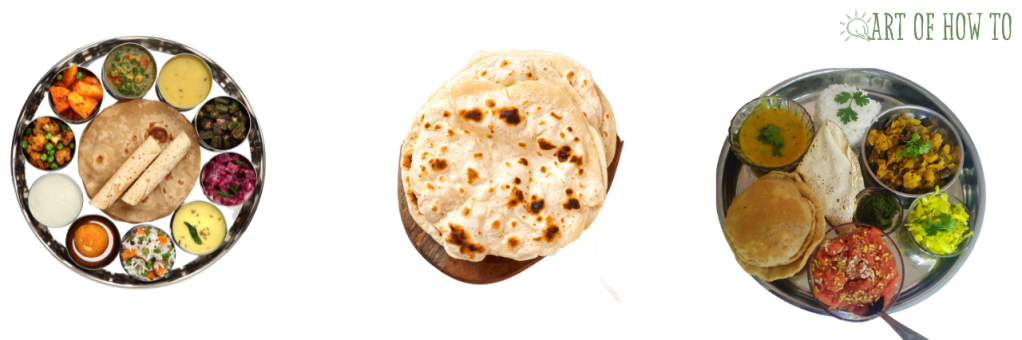
Our first stop was at a leading Gujarati eatery called Thakkar’s Bhojanalaya in Kalbadevi. The traditional Gujarati thali is sumptuous and fills you with aromas as soon as you enter the place. A huge thali was kept, and we feasted on every dish placed on the plate. Beginning with the jaggery rotis (wheat and bhakri) drizzled in ghee to the various sabzis (dry cooked vegetables), gravies and savouries (pakodas), and the delectable desserts – Gulab jamun, special barfi, shrikhand, and fruit custard. This thali is worth every penny you pay! 

Following this, we visited the Gateway of India and walked around the Queen’s necklace – lazily enjoying the breezy sea air, soaked enough to take us back home.

Anyone visiting Maharashtra, do make it a point to visit offbeat places there so that you get to taste native delicacies better and interact with the locals who will give you a lot about the history and culture of the place. Festivals are the best time, though!

Travelling is an incredible adventure; everyone must take a break from their routine and plan a trip to a favorite ! This time was indeed a foodie’s memoir for a lifetime! So signing off till I visit yet another exciting city and flood you with more food.

Follow Priya Rajendran

Ever Been Ghosted

A person listening to this term for the first time will think it is an actual ghost lurking around them. Is it not? It is somewhat the same in terms of semantics, but here, we are talking about the human ghost. Flummoxed? While the other ghost is not absolute and a figment of your imagination or perhaps supernatural, this human ghost is someone who will be around you all the time and suddenly vanish from your radar! You will not hear from the person or be able to see or access them. You might keep wondering: what just happened? The worst part about this “ghost” is that you do not know whether they will return and, if they do come back, how to pick up the threads lost in the time gap. 

How many have experienced the above? Do you also have a human ghost like the one mentioned above? If yes, then stay away from the person. Ghosting a person means breaking the other person’s trust too. You do not know why they did so and the circumstances, which makes us even warier about remaining friends with them. How do we build trust with such people? 

We often make friends because we connect with them, bond closely, and sync with their thoughts (and vice versa). However, when you feel you can open up to someone and be friends with them, they suddenly go off the radar without giving any reasons. It can be the most frustrating experience since we are caught unawares – off the hook.

If this ghost is your boyfriend/girlfriend, spouse or partner it can leave you hurt and traumatized. So, once you know that they are ghosting you, please maintain boundaries (unless there is a severe reason) with the person. Ghosting comes in the form of all types of relationships. Sometimes, it could be a parent or a spouse as well. They can stop talking to you and not be bothered by explaining. The victim, aka you, will be poorly left guilt-tripping, thinking you are the one who did something wrong or imagining the worst about the missing person. 

Social Media “Ghosts.”

Ghosting can be highly toxic to any individual – reel or real life. In virtual life, ever since social media has become essential for everyone, ghosting has become somewhat of a simple affair. On social media, people can create fake profiles and chat with you like genuine friends (all genders), and one day, when you go to check your chats, the person’s profile itself would have vanished – perhaps deleted. These “ghosts” are dangerous ‘coz they get close to you only when they need information and to scam people financially as well. Cyber security experts also advise everyone to be cautious of social media contacts. They say unless you know them personally (even friends of friends of friends don’t count as personal), please do not share sensitive information about family or finances with the person. Mostly this happens during dating too. You get attracted to people on social media and fall in love. After a few months, the chats may get intimate too. They ask for photographs of you in intimate poses, and after a while, they will suddenly vanish – an extremely dangerous ploy to trap vulnerable people. So, beware of such “ghosts” as well. 

In the guise of friendship and later love, these ghosts take advantage of your weaknesses and even may reach your house or other family members. But, they will not be seen anywhere on the horizon after a few days.

Familial “Ghosts”

There can be spouses and even parents ghosting you. In many cases observed across India, men exited their marriage, leaving wives soon after the wedding, and went to a foreign land. Eventually, they cut off ties silently, and the girls are left to fend for themselves. The husband’s families refuse to show accountability and do not reveal their son’s location or job details. This phenomenon of ghosting is rampant across certain northern and southern parts of India, where sons are married off to procure dowry money for sending them abroad for a promising future while the wives are left behind. Once they go abroad, the “husbands” become inaccessible, and there is no way that anyone can trace them as well. The trick is simple. Before marriage, they trick the girl’s family into believing the husband will settle abroad and take their wives with them once they marry. But this never happens. Wives are permanently left behind. Many men are known to get married again and settle with natives of the foreign country too. Even after Police complaints and criminal cases submitted, the law has punished very few ghosts. Similarly, some parents abandon their children too and ghost them completely. They leave children on the pretext of earning better wages and never returning. 

Sadly, there are few laws to punish these criminals, and ghosting continues. The person who is the victim of ghosting has a lifetime of traumas to endure. It becomes tough, especially for married women, to move on and lead lonely lives in the false hopes that their spouses will return to them someday. In some cases, these ghosts leave children behind too fatherless/parentless. Victims are unaware of the fact that they are married and settled elsewhere.

  1. Constantly canceling plans with you.
  2. Avoiding social gatherings/parties with you.
  3. Don’t want to be seen together with you in public spaces.
  4. Rarely or never responding to calls or texts when not meeting you.
  5. They don’t share personal details or information.
  6. Receiving suspicious calls when they meet you and not revealing who it was.
  7. Flaky conversations. (that lack any depth) 
  8. Refusing to talk about any conflicts.
  9. Avoid interacting with those with blank profile pictures or pictures of symbols/pictures/paintings on social media. Most of the time, while beginning to interact with you, there will be a human picture. Eventually, that picture gets replaced. So, beware!
  10.  RUN! If they ask you for your bank account/Aadhaar card details, run as far as possible.

Often, ghosting could be a fear of getting attached to people, avoiding conflicts – a fight/flight reaction to situations, lack of familiar friends between you and the ghost. Lastly, people also ghost because it is a toxic relationship. Whatever the reason, one should not ghost anyone without having an open conversation. A healthy discussion before exiting a relationship gives proper closure to both people. Even if the connection is highly abusive and toxic, you can find a common friend/relative to convey your message of why you exited the relationship. Ghosting is common during dating. You vanish or delete your profiles when you find that the person you are dating is incompatible with you, especially on dating apps. But a better way would be to convey your thoughts and then move on. You can probably wish your date good luck in finding a suitable partner. 

Follow Priya Rajendran