
Observed every year on the 10th of October, 2023’s official theme is “Mental Health is a Universal Human Right.” Established in 1948, the World Federation for Mental Health (WFMH) began with associates ‘not of individuals or countries, but of societies’ from 46 nations. Today, with members and contacts in over 90 countries, the organization chronicles the emergence of a global movement that has tirelessly championed the cause of mental health awareness, shattered stereotypes around mental disorders, and kindled a beacon of hope for individuals worldwide.
“The world was sick, and the ills from which it was suffering were mainly due to the perversion of man, his inability to live at peace with himself,” said George Brock Chisholm, the first Director-General of the World Health Organization (WHO), whom also suggested that the World Federation of Mental Health (WFMH) be devised. George Brock Chisholm, a Canadian psychiatrist, envisaged the WFMH as a global, non-governmental body to provide a link to grassroots mental health organizations and United Nations agencies. A radical thinker, Chisholm’s view that “health is a state of complete physical, mental and social well-being and not merely the absence of disease or infirmity” gave an early direction to the WHO and the WFMH.
As the theme states, a “universal human right” is the right of every individual to seek help from mental health professionals when required. Most mental health illnesses increase in proportion or multiply when kept within oneself. It is considered more dangerous than physical ailments. A majority across the globe die from undetected mental disorders vis a vis physical ailment.
How many times has it happened that when you spoke on mental health or shared your problems with your friends, family, peers, or colleagues, you felt invalidated and rejected? Did they feel the same way? When you spoke about being low or depressed, how did your loved ones or others around you react to it?
Did they tell you the following –
“It is okay. This too shall pass”?
“Deal with it and move on.”
“It is normal. It happens. Don’t take it too seriously.”
“It is all in the mind. Could you not listen to it? It is confusing you.”
“You are alright. Keep telling yourself you are fine.”
Try counting the number of times your friends spoke about them silently suffering from depression, insomnia, or unhealed psychological wounds – they feared being judged if they talked to a counselor, psychologist, psychiatrist, or a therapist.
It is high time we normalized the importance of being healthy emotionally and mentally. Let us not wish away any mental ailments and disorders. They must be treated with as much care as physiological conditions and illnesses. Going to a therapist, psychotherapist, psychologist, or psychiatrist must be accepted as going to a general physician. Mental health is often associated with disorders and syndromes only. But it goes beyond all these. There are many more.
10 Reasons Why talk On Mental Health
Talking about mental health is crucial for several reasons. Here are ten important reasons why we need to address mental health openly and honestly:

1. Destigmatizing mental illness
Open conversations help break the stigma surrounding mental health conditions. When we talk openly, it normalizes the experiences of those dealing with mental health issues. Everyone’s journey is different – some have a happy life, some suffer traumas, and some are frustrated because of a lack of purpose and goal.
2. Raising awareness
Social media, public platforms, TEDx talks, television, and web series increasingly focus on spreading mental health awareness through shows and movies. Social media influencers are creating reels on Instagram, openly discussing their life experiences and the importance of therapy.


3. Encouraging help
Many of us have issues seeking help since we are conditioned to “straighten our crowns” on our own. Many families discourage their children from discussing problems by invalidating them or making them look small. But when things spiral out of proportion, the suffering children or the said adults are labeled as “gone cases” or “stressed individuals.” If mental health is openly discussed, individuals are more likely to search for help when they need it, leading to timely interventions and better outcomes. Radio stations in the country have become a haven for people to air their views or vent anonymously. They have shows aired for the same.
4. Promoting understanding
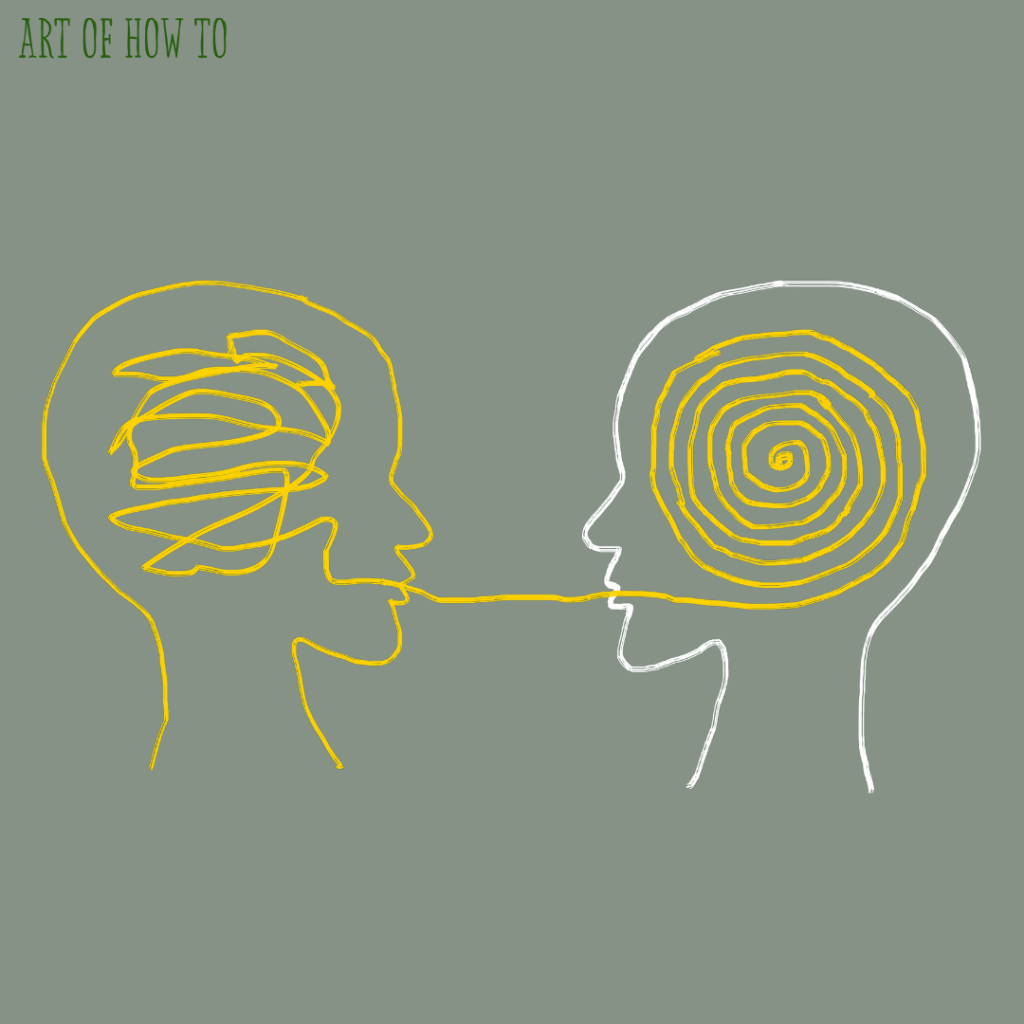
Open conversations promote understanding among family, friends, and communities. Understanding mental health fosters empathy and support for individuals dealing with mental health challenges.

5. Preventing suicide
Suicide helplines and various mental health organizations – government and private are helping individuals fight depression and extreme suicidal thoughts. These are available 24/7 for anyone who wants to talk to someone anonymously. Many suicides have been prevented by certified counselors, psychologists, and psychiatrists just through conversations with the suffering individuals. Talking openly about mental health can help identify signs of suicidal thoughts or behaviours, allowing for timely intervention and support.
6. Improving relationships
Families that share a healthy and transparent atmosphere at home ensure a healthy generation to thrive. Children in such families benefit a lot from open communication about mental health without fearing judgment. This leads to stronger bonds and better support systems.


7. Reducing discrimination
Talking openly about mental health can reduce judgemental tendencies among people to judge others and help fight prejudice faced by people with mental health conditions. This will enable them to lead more fulfilling lives minus the baggage created by society. The words “therapist,” “psychologist,” and “psychiatrist” will not be spoken in hushed tones.
8. Enhancing overall health
If you are emotionally and mentally in good health, then physically, there will be no issues as well. Talking about your inner wounds, hurt, and disappointments will help.


9. Boosting productivity
Mental health problems can affect productivity at work or school. Addressing mental health openly can lead to supportive environments, which, in turn, can enhance productivity and creativity.
10. Advocating for policies & resources
Countries are now opening doors for healthy discussions on serving better mental health services and policies. When more people talk about mental health, it becomes a societal priority, leading to improved resources and support systems.

——

Priya is a quirky writer/photographer/closet poet, and singer who has traversed a non-conventional path. As a former entertainment journalist who has worked in print and online media for a decade, Priya loves talking to people and writing their unspoken stories. She is the single parent of an 8.5-year-old son settled in Tamil Nadu and a freelance Content Consultant. Priya is also an informal mentor to parents in her local parenting network. She dreams of being an author and maybe a scriptwriter someday!
Follow Priya Rajendran
 Art of How To