June is my favourite month. There are many reasons for it – my birthday, my close buddies’ birthdays, and Pride Month. I am an unconditional ally of the queer community, standing firmly by each other. I am also proud that I celebrate my birthday in the same month as the LGBTQ+ (lesbian, gay, bisexual, transgender, and other queer communities) community does.
The Official Humans of Queer, Humans of Bombay, and myriad Instagram and Facebook pages supporting the community are excellent. Legally, India has already taken a massive step in decriminalizing homosexuality. We are all waiting for the Indian government to legally allow couples to marry and get equal access to financial and legal rights like straight couples. It will be a moment of true Pride then for us Indians.
Pride symbolizes feelings of deep pleasure and satisfaction that you get seeing your and your loved ones’ success or from the qualities or possessions that you or others widely admire. Pride also refers to a group of lions where a lion is the leader, along with his lionesses and cubs. Symbolically, each community member is like the Lion’s Pride, protecting each other fiercely and firmly bonded. LGBT pride (also known as gay Pride or Pride) promotes the self-affirmation, dignity, equality, and enriched visibility of lesbian, gay, bisexual, and transgender (LGBT) people as a social group. Pride, the opposite of shame and social stigma, is the power behind all the LGBT rights movements worldwide. Pride is the name given to all LGBTQ+-themed organizations, institutes, foundations, book titles, periodicals, a cable TV channel, and the Pride Library. LGBTQ+ stands for lesbian, gay, bisexual, transgender, queer or questioning, intersex, asexual, and more. The initial four letters of the acronym have been utilized since the 1990s. However, in recent years, there has been a growing recognition (still not as required) of the importance of inclusivity and representation of other sexual identities.

Belonging to the LGBTQ+ (Lesbian, Gay, Bisexual, Transgender, Queer/Questioning, and others) community in India can involve challenges and progress. India has a complex and evolving social landscape regarding LGBTQ+ rights, and the experiences of individuals within the community can vary based on factors such as geographical location, social background, and personal circumstances.
Until September 2018, homosexuality was criminalized in India under Section 377 of the Indian Penal Code, a remnant of the colonial era. It significantly impacted the lives of LGBTQ+ individuals, often leading to discrimination, stigma, and a lack of legal protection. However, on September 6, 2018, the Supreme Court of India decriminalized consensual same-sex relationships, recognizing the rights of LGBTQ+ individuals to love and engage in relationships without fear of prosecution.
Despite this legal milestone, social acceptance and attitudes towards the LGBTQ+ community in India still vary widely. There is generally more openness and acceptance in urban areas and among younger generations, with visible LGBTQ+ communities, pride parades, and support networks. However, in more conservative and rural areas, traditional norms and societal pressures can challenge LGBTQ+ individuals, leading to isolation, discrimination, and limited access to resources.
Organizations and activists are working towards promoting LGBTQ+ rights, providing support, and advocating for legal protections against discrimination and harassment. Some cities have LGBTQ+ support centers, counseling services, and helplines that offer assistance and guidance to those in need.
In recent years, there have been positive developments regarding transgender rights in India. The Transgender Persons (Protection of Rights) Act, 2019, was enacted to protect the rights and welfare of transgender individuals, recognizing their gender identity and prohibiting discrimination. However, the act has also faced criticism for specific provisions and the lack of full representation and consultation with the transgender community during its drafting.

The Pride Palette
Pride has a vibrant colour palette. The Pride flag has the following colors – Red, Orange, Yellow, Green, Blue, Violet, Brown, and Black.
Red
Red means life. It symbolizes the courage and resilience of LGBTQ+ individuals in the face of adversity. It serves as a reminder of their struggles and continues to overcome them.
Orange
Orange means healing. It represents the journey toward self-acceptance and the healing process many LGBTQ+ individuals experience. It also serves as a reminder of the ongoing work needed to create a world that embraces diversity and equality.
Yellow
Yellow means sunlight, which represents happiness, joy, and positivity. It symbolizes the optimism and hope of the LGBTQ+ community, emphasizing the importance of celebrating one’s true self and embracing the unique identities within the community.
Green
Green means nature. It symbolizes growth, renewal, and harmony. It serves as a reminder of the LGBTQ+ community’s deep connection to the natural world and the importance of nurturing and preserving it.
Blue
Blue means serenity and harmony. It represents peace and tranquillity, serving as a reminder of society’s need for acceptance and understanding. It also symbolizes the support and solidarity within the LGBTQ+ community.
Violet
Violet means spirit. It embodies the unity and strength of the LGBTQ+ community. Violet is traditionally associated with spirituality and historically tied to LGBTQ+ activism, making it a significant color in the Pride Flag.
Gilbert Baker used these colors in 1978 for the San Francisco Gay Freedom Day Parade. Over time, the Pride Flag has changed and added more colors to represent diverse identities and experiences within the LGBTQ+ community.
Brown & Black
These colors were added to represent LGBTQ+ people of color. They show the unique challenges queer individuals of different races and ethnicities face. Including these colors is a powerful way to show solidarity and recognize the community’s diverse experiences.
Pink & Light Blue
These were added to represent transgender and non-binary individuals. The pink stripe shows femininity, and the light blue stripe represents masculinity. They remind us that all gender identities should be accepted and included.
The Pride Flag is a powerful symbol that brings the community together. It reminds us that everyone, regardless of their sexual orientation or gender identity, deserves respect, love, and equal rights.
Gender No Bar
Pride also does not identify with genders – members choose pronouns like He/Him, She/Her, and They/Them to identify themselves. Most LGBTQ+ organizations have given options to employees to identify themselves this way vis a vis He or She or Male and Female.
Pride March
As we speak, there are zillions of pride marches worldwide in various countries. I am sure you have one in your city going on as well. Bright colours and peppy music and dances light up small corners to squares.
The Pride March incorporates various elements contributing to its vibrant and empowering atmosphere.
Pride Trivia:
Pride Month they had started after the Stonewall riots broke out at the Stonewall Inn (riots named after the inn) in the United States in 1969 when a series of gay liberation protests broke out and had since then spread across the globe. Pride Month honours the movement for LGBTQ+ rights and also celebrates the vibrant LGBTQ+ culture.
Listed are some common elements you will find in Pride Marches:
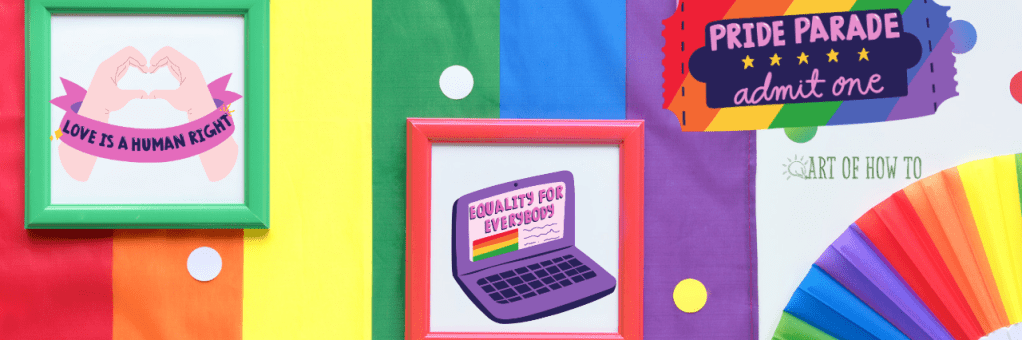
1) Rainbow flags & banners
Rainbow flags feature the iconic colours of the LGBTQ+ Pride Flag. They can be seen throughout the march. They symbolise unity, diversity, and inclusivity within the community.
2) Floats & Parade entries:
Colourful floats and parade entries are a highlight of all the pride marches. Creatively decorated colourful floats (or vehicles) showcase all LGBTQ+ organizations, community groups, businesses, and allies. Music, dance performances, and enthusiastic participants are the highlights.
3) Marching contingents
Different groups and organizations march together in organized contingents. These may include LGBTQ+ community centers, advocacy groups, healthcare organizations, educational institutions, social clubs, religious organizations, and more. Participants proudly display signs and banners and wear clothing representing their respective groups.
4) Bands and Performances
Marching bands, musical groups, and performers entertain and uplift the crowd with energetic music, dance routines, and artistic expressions. Their presence adds to the celebratory atmosphere and fosters a sense of joy and unity.
5) Costumes and Outfits
Participants in pride marches often showcase their creativity and individuality through elaborate costumes and outfits. This includes many styles, from stylish, flamboyant attire to political statements and messages on clothing and accessories.
6) Chants, cheers & slogans
The Pride march is accompanied by chants, cheers, and slogans that express solidarity, Pride, and demands for equality and justice. These collective voices amplify the message of the LGBTQ+ community and reinforce the spirit of unity.
7) Activism & Awareness
Pride marches are platforms for activism and raising awareness about LGBTQ+ issues. Participants may distribute flyers, hold signs to promote equality, and engage in peaceful protests to advocate for social change and visibility.
8) Allies & Supporters
Pride marches welcome people who stand in solidarity with the LGBTQ+ community. These individuals may not identify as LGBTQ+ but show their support by marching alongside and advocating for equal rights and acceptance.
9) Community Outreach and Resources
Pride marches often include booths and tents that offer information, resources, and support services related to LGBTQ+ rights, health, mental well-being, and other relevant topics. These provide an opportunity for community engagement and connection.
10) Celebration and Festivities
LGBTQ+ individuals and allies to come together, celebrate their identities, and honor the progress made towards equality.
While progress has been made regarding legal recognition and societal acceptance, challenges and disparities still exist for LGBTQ+ individuals in India. Efforts toward education, awareness, and social inclusivity are crucial for fostering a more equitable and accepting society for all.
My Pride lies in the fact that they are not scared of being looked down upon or scorned anymore, and what is heartwarming to know is that there are many gay and lesbian weddings happening in the country with the support of their families. Normalising sexual orientations and accepting love in all forms is significant progress.
“Let’s go an extra mile, support them and be proud of our Pride.”
——
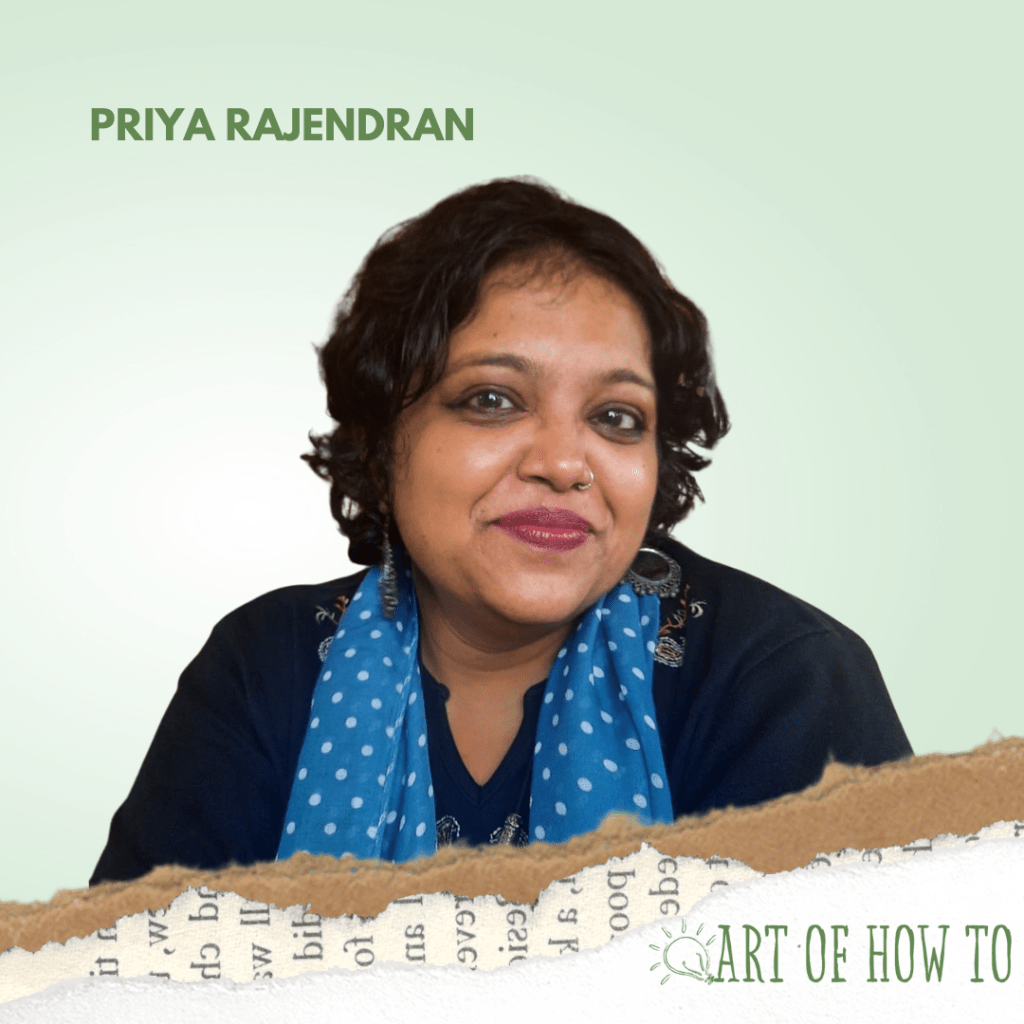
Priya is a quirky writer/photographer/closet poet, and singer who has traversed a non-conventional path. As a former entertainment journalist who has worked in print and online media for a decade, Priya loves talking to people and writing their unspoken stories. She is the single parent of an 8.5-year-old son settled in Tamil Nadu and a freelance Content Consultant. Priya is also an informal mentor to parents in her local parenting network. She dreams of being an author and maybe a scriptwriter someday!
Follow Priya Rajendran
 Art of How To