
Yes, it is perfectly okay to say “no.” And saying “no” is integral to maintaining boundaries and taking care of oneself in life. Saying “no” allows you to set limits on what you are willing and able to do, whether in your personal or professional life. By being assertive and saying “no” when necessary, you can avoid overcommitting yourself, becoming overwhelmed, or engaging in activities that are not aligned with your values or goals.
In addition, saying “no” can help you preserve your mental and emotional well-being. By declining requests or obligations, you feel uncomfortable with, you can reduce stress and prevent burnout.
Furthermore, saying “no” is a way to assert your autonomy and make decisions in your best interest. By doing so, you can take control of your life and create a more fulfilling and balanced existence.

How to say No?
Saying “no” can be challenging, especially if you are a people-pleaser or feel guilty about declining requests or invitations. However, it is a valuable skill to develop to maintain healthy boundaries and take care of yourself. Here are some tips for saying “no” effectively:
- Be clear and direct
When declining a request or invitation, it is essential to be clear and straightforward. Avoid using vague or non-committal language, and state your refusal in a firm yet polite manner. - Give a reason
A reason for saying “no” can help the other person understand your perspective and reduce potential tension. However, it is not necessary to give a detailed explanation, and it is okay to state that you cannot do something now. - Be assertive, NOT aggressive
Saying “no” does not mean being rude or aggressive. Maintaining a respectful tone and demeanour is essential, even if the other person may be disappointed or upset. - Practice self-care
Saying “no” can sometimes be emotionally challenging, especially if you feel guilty or worried about how the other person may react. It is important to practice self-care and engage in activities that help you feel good about yourself and reinforce your self-worth. - Find alternative solutions
If you are declining a request or invitation, it may be helpful to suggest an alternative solution. For example, if you cannot attend a meeting, you could offer to contribute differently or attend a future meeting.

What should I worry about when I say No?
When saying “no,” it is natural to have concerns about how the other person will react or about the potential consequences of your refusal. Some worries include
- Damaging relationships
You may worry that saying “no” will damage your relationship with the person making the request or invitation. - Hurting someone’s feelings
You may worry about offending or hurting the other person’s feelings. - Being perceived as rude or uncooperative
You may be concerned that saying “no” will make you appear rude, uncooperative, or challenging to work with. - Missing out on opportunities
You may worry that saying “no” will lead to missing out on opportunities or causing regret later. - Facing the consequences
You may worry that saying “no” could result in adverse effects such as lost opportunities, job loss, or social exclusion.
While these concerns are understandable, it is essential to remember that saying “no” is a healthy and necessary part of maintaining boundaries and self-care. By being transparent and direct and practicing self-care and self-compassion, you can reduce your worries and feel more confident in your decision to say “no.”
Saying “no” is a skill that takes time and practice to develop. However, by being transparent, direct, and respectful, you can effectively communicate your boundaries and take care of yourself. In short saying “no” is essential for self-care, setting boundaries, and preserving your well-being. It can help you avoid overcommitting and avert burnout and let you assert your autonomy and push decisions that are in your best interest.
——
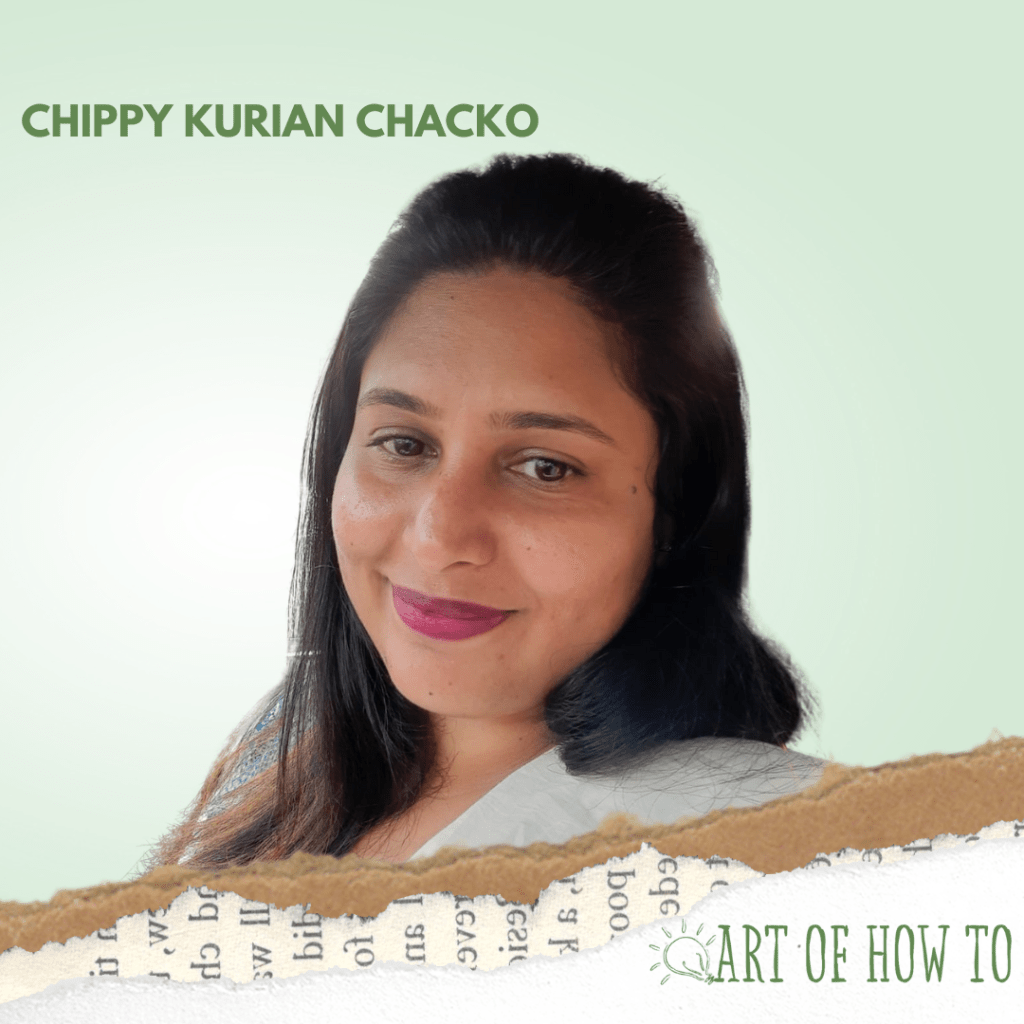
Chippy is a dreamer and optimist. She believes, we become what we hope, aspire, dream to be and knows how to make a dream or two happen. Seventeen years of experience, struggling, winning, failing, succeeding and failing again and making it, she knows what it takes to build a successful project, a business, and what it means by starting from the bottom up. It takes determination, dedication, and direction and that’s why her mission is to ‘step up & inspire.’
Follow Art Of How To
Facebook
Instagram
Twitter
LinkedIn
 Art of How To