We live in a strange world, may I dare to say! Sadly, people still believe that women are responsible for their safety in this society. Recent news on a security guard raping and murdering a young 18-year-old hosteller in a city like Mumbai has shaken me so much that it urged me to write about it. I am not a reporter or a journalist to write news here; rather an adult woman who is petrified and sickened with such instances constantly occurring in a democratic, free nation like India!
Instead of warning and taking strict actions against the “security” of the hostel, the typical mentality of the hostel warden made her restrict the girls even more. From barring them from going out at night to reducing the ‘in-time’ for the girls, all actions were taken against them to “protect” them. How is it even fair? Someone else is misusing their position and behaving horribly, yet no one says a word – until it’s too late! Are girls responsible for their own safety, or are they free enough to survive in this so-called “man’s world” fearlessly? The concern here is, how long will we allow this to happen? How long will we hold the victim responsible for someone else’s hideous actions? Is there a time we change how we perceive the whole scenario? Ponder so that we can make a difference!
This is just one instance where – there are many more girl children wearing frocks and women wearing burkas and sarees being raped and molested in our country and the world. Women are not safe anywhere – WHY is the question?
Is it better to be safe than sorry or create a world where one need not worry about being “safe”? Is it better to deprive women of their freedom or allow them to shine bright and live without fear of dark streets? Honestly, it is always better to acknowledge the real issue and hold the person violating the basic human right of feeling simply ‘human’! Women are no different than men, and they need not fear for their safety. May we someday make this world a much better place for women! Amen to that!
——
Aakanksha Dinah, a passionate writer, orator, communicator focused on establishing a Training institution centered on creativity and innovation. Aakanksha is a true believer in loving the work we do and strongly believes in smart-work, the reason why creativity works better for her. Aakanksha is enormously focused on making a career in professional writing and publishing. She loves writing poems, self-help articles, and essays. An enthusiast when it comes to learning languages and in short, Aakanksha is a wanderer, an explorer, a mom, a dog-mom, a poet, a cook, a writer, and an influencer.
Children are a reflection of who we are. Our responsibility is to care for them and instill in them goodness and great values. Children learn from us how to handle situations, how to react to circumstances, and how to balance their emotions. Therefore, it is our duty to show them what the new world needs – good people with pure intentions and good behaviour. Kids are born innocent – life circumstances mold them. As parents, we ought to show them how to survive in this wonderful world with love and respect.
To begin with, useful qualities are better shown through actions than a million words spoken. Through our constant influence through our actions and lifestyle, they learn what it is to be in a healthy environment. Showing them mutual respect and basic life intricacies through our actions enables them to be better adults in the future. Portraying acts of affection and love is healthy for children. Kids learn from their parents how to love and be understanding in a relationship. Constantly fighting and arguing in front of them lead them to think that this is how they resolve conflicts.
Instead, showing them healthy ways of communicating and solving a situation maturely encourages them to live and find solutions more sensibly and reasonably. Other things we can practice at home are sitting together for meals, talking things out peacefully, resolving family issues calmly in the house, handling finances carefully, being inclusive in all aspects of life with all family members, respecting elders, using love languages that are meaningful and respectful and influencing them with kindness, positivity, and empathy.
Another essential aspect of raising a healthy generation is to focus on them rather than fulfilling personal interests through them. For instance, if we force them to perceive a course or education they once wanted to do, which is not in their interest, it is healthier to let them decide what they want to do with their lives. Of course, as parents, we must guide them and show them the consequences of their actions: however, not forcing them or influencing them too much will allow them to rationalize and logically make decisions.
Our future is in our hands. Our future lies in the lives of our children. Our legacy lives on through them – let us hence raise a healthy and mentally stable world.
——
Aakanksha Dinah, a passionate writer, orator, communicator focused on establishing a Training institution centered on creativity and innovation. Aakanksha is a true believer in loving the work we do and strongly believes in smart-work, the reason why creativity works better for her. Aakanksha is enormously focused on making a career in professional writing and publishing. She loves writing poems, self-help articles, and essays. An enthusiast when it comes to learning languages and in short, Aakanksha is a wanderer, an explorer, a mom, a dog-mom, a poet, a cook, a writer, and an influencer.
How many of you are nature lovers? If you are one, you must worship nature (unlike modern poojas today). Still, you would celebrate every moment with small flowers to garland-making rituals, keeping flowers at home, tending to your gardens, making small figures from mud or clay, praying with water daily, enjoying nature walks barefoot, and occasionally exploring the forests of your land and even enjoying your children playing in the mud, rains, and the sun. Then you would also know that June 21 marked the Summer Solstice (also known as the Estival Solstice).
As the days grow longer and the sun’s warmth envelops us, nature announces the arrival of summer with a mesmerizing celestial event called the Summer Solstice. This fascinating phenomenon falls on June 21 and marks the year’s longest day and shortest night. It invites us to bask in the sun’s radiant energy and connect with the deep rhythms of the natural world. It is a time when nature thrives, and human spirits soar. The summer solstice occurs twice a year – one in each hemisphere.
“Solstice” is derived from the Latin words – “sol” (meaning sun) and “sistere” (telling “to stand still”). A Solstice symbolizes the change in season in many countries. The Earth is blessed with two solstices – summer and winter. On the other hand, the winter solstice falls on December 21. It is the shortest day of sunlight for the northern hemisphere and the longest day of the sun for the southern hemisphere.
The cosmic dance of light & shadows
Every year, this day in the northern hemisphere holds special astronomical importance. It signifies the precise moment when the sun reaches its highest point in the sky, bathing the Earth in extended daylight and casting striking, elongated shadows. This celestial event showcases the Earth’s axial tilt and its delicate interplay with the sun, allowing us to witness the captivating dance of light and shadows that shapes the seasons.
Celebrating life & abundance
Ancient cultures have recognized it as a joyous occasion of life’s abundance and the generous gifts bestowed upon us. This occasion has been marked with various rituals and festivities revolving around nature, fertility, and life-giving solar energy. Interestingly, the summer solstice celebrations have been traced to the Neolithic era. Many ancient monuments in Europe, the Middle East, Asia, and the Americas, have been made according to the sun’s position at sunrise or sunset.
Honouring the Sun
The sun has long been revered as a symbol of vitality and strength. The summer solstice is an opportunity to honour and acknowledge the sun’s life-sustaining force, which embraces us Earthlings with warmth, light, and energy. Communities come together to express gratitude for the sun’s nourishing radiance and deep impact on our planet’s ecosystems. Traditionally, many have worshipped the sun as a ritual for centuries in India.
In rhythm with Nature
The summer solstice presents a perfect moment to immerse ourselves in the wonders of nature. Many across the globe, especially in colder regions, spend this day outdoors, engaging in activities such as sunrise or sunset gatherings, picnics, or serene nature walks. We deepen our connection with the Earth by aligning ourselves with the natural world’s cycles, fostering unity and harmony.
Traditional vs. modern celebrations
From ancient civilizations’ mystical rituals to the vibrant festivities of contemporary societies, the summer solstice has inspired diverse cultural traditions. The Druids’ gatherings at Stonehenge in England, the Mid-summer celebrations in Scandinavian countries, and Native American sun dances are the biggest examples of celebrating the Summer Solstice. In today’s times, we have music festivals, bonfires, and communal gatherings that are popular ways to celebrate the solstice, infusing the occasion with joy and camaraderie.
Reflection & renewal
The summer solstice offers a moment for self-reflection and renewal. As the sun reaches its zenith, we can contemplate our aspirations, set intentions for the months ahead, and embrace opportunities for personal growth and transformation. The solstice serves as a reminder to align our inner selves with the outer world, finding balance and embracing the richness of life.
10 Ways to Celebrate the Summer Solstice
Cultures worldwide gather with loved ones, witness the sun’s majestic radiance, and partake in traditions passed down through generations. It reminds them of the profound harmony between themselves and the natural world. Like the winters, the summer solstice also invites us to revel in the season’s beauty, igniting spirits and inspiring us to shine our inner lights brightly.
This is a list of things practiced by people across the globe. You could recreate one of these in your town/city.
1. Attend a Summer Solstice festival
Many cities and towns host festivals to celebrate the year’s longest day. Enjoy live music, traditional dances, local cuisine, and cultural activities.
2. Host a bonfire or beach party
Gather your friends and family for a bonfire or beach party to celebrate the Summer Solstice. Enjoy a barbecue, roast marshmallows, play games and share stories around the fire.
3. Watch the sunrise or sunset
Find a scenic location and witness the beauty of the Summer Solstice by watching the sunrise or sunset. Take a blanket, sit back, and enjoy the breathtaking colors of the sky.
4. Create a summer-themed ritual
Design your ritual to honour the Summer Solstice. It can involve meditation, setting intentions for the season, or engaging in activities that symbolize growth and renewal.
5. Take a nature hike
Get outside and explore nature on the longest day of the year. Find a local trail or park and go for a hike. Take in the sights, listen to the sounds of nature, and appreciate the abundance of life around you.
6. Have a picnic in the park
Pack a delicious picnic basket with your favourite summer foods and head to a nearby park. Enjoy the sun’s warmth, tasty treats, and relax with your loved ones.
7. Plant a summer garden
Embrace the energy of the Summer Solstice by starting a summer garden. Plant flowers, herbs, or vegetables that thrive in the summer months. Connect with the earth and witness the growth and beauty of your garden throughout the season.
8. Practice outdoor yoga or meditation
Find a peaceful outdoor spot and practice yoga or meditation to celebrate the Summer Solstice. Connect with your body and mind, and embrace the energy of the sun to rejuvenate and recharge.
9. Make summer-themed crafts
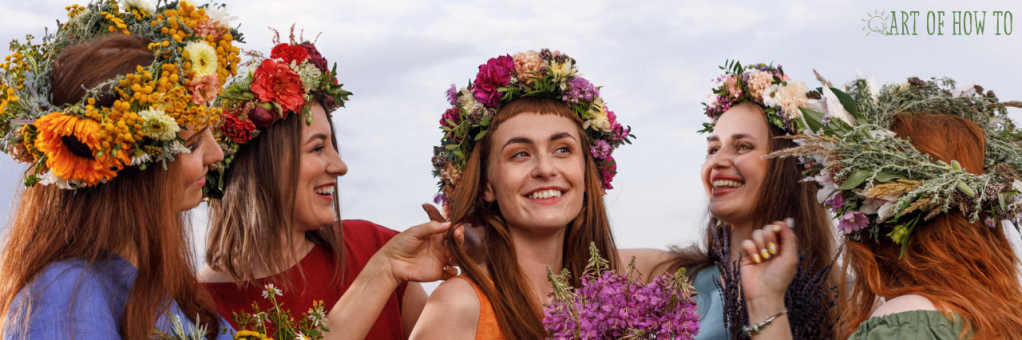
Engage in creative activities that reflect the spirit of summer. Make flower crowns, paint sun-inspired artwork, or create colourful decorations to brighten your living space.
10. Organize a summer solstice feast
Invite friends and family over for a special summer solstice feast. Prepare seasonal dishes using fresh ingredients and celebrate the flavours of summer. Share stories, laughter, and good company as you enjoy the season’s bounties.
Signing off with a quote I read that symbolizes the Summer Solstice beautifully: From all the misty morning air, there comes a summer sound. A murmur of waters from skies, trees, and ground. The birds they sing upon the wing, the pigeon’s bill, and coo.”
——
Priya is a quirky writer/photographer/closet poet, and singer who has traversed a non-conventional path. As a former entertainment journalist who has worked in print and online media for a decade, Priya loves talking to people and writing their unspoken stories. She is the single parent of an 8.5-year-old son settled in Tamil Nadu and a freelance Content Consultant. Priya is also an informal mentor to parents in her local parenting network. She dreams of being an author and maybe a scriptwriter someday!
June is my favourite month. There are many reasons for it – my birthday, my close buddies’ birthdays, and Pride Month. I am an unconditional ally of the queer community, standing firmly by each other. I am also proud that I celebrate my birthday in the same month as the LGBTQ+ (lesbian, gay, bisexual, transgender, and other queer communities) community does.
The Official Humans of Queer, Humans of Bombay, and myriad Instagram and Facebook pages supporting the community are excellent. Legally, India has already taken a massive step in decriminalizing homosexuality. We are all waiting for the Indian government to legally allow couples to marry and get equal access to financial and legal rights like straight couples. It will be a moment of true Pride then for us Indians.
Pride symbolizes feelings of deep pleasure and satisfaction that you get seeing your and your loved ones’ success or from the qualities or possessions that you or others widely admire. Pride also refers to a group of lions where a lion is the leader, along with his lionesses and cubs. Symbolically, each community member is like the Lion’s Pride, protecting each other fiercely and firmly bonded. LGBT pride (also known as gay Pride or Pride) promotes the self-affirmation, dignity, equality, and enriched visibility of lesbian, gay, bisexual, and transgender (LGBT) people as a social group. Pride, the opposite of shame and social stigma, is the power behind all the LGBT rights movements worldwide. Pride is the name given to all LGBTQ+-themed organizations, institutes, foundations, book titles, periodicals, a cable TV channel, and the Pride Library. LGBTQ+ stands for lesbian, gay, bisexual, transgender, queer or questioning, intersex, asexual, and more. The initial four letters of the acronym have been utilized since the 1990s. However, in recent years, there has been a growing recognition (still not as required) of the importance of inclusivity and representation of other sexual identities.
Belonging to the LGBTQ+ (Lesbian, Gay, Bisexual, Transgender, Queer/Questioning, and others) community in India can involve challenges and progress. India has a complex and evolving social landscape regarding LGBTQ+ rights, and the experiences of individuals within the community can vary based on factors such as geographical location, social background, and personal circumstances.
Until September 2018, homosexuality was criminalized in India under Section 377 of the Indian Penal Code, a remnant of the colonial era. It significantly impacted the lives of LGBTQ+ individuals, often leading to discrimination, stigma, and a lack of legal protection. However, on September 6, 2018, the Supreme Court of India decriminalized consensual same-sex relationships, recognizing the rights of LGBTQ+ individuals to love and engage in relationships without fear of prosecution.
Despite this legal milestone, social acceptance and attitudes towards the LGBTQ+ community in India still vary widely. There is generally more openness and acceptance in urban areas and among younger generations, with visible LGBTQ+ communities, pride parades, and support networks. However, in more conservative and rural areas, traditional norms and societal pressures can challenge LGBTQ+ individuals, leading to isolation, discrimination, and limited access to resources.
Organizations and activists are working towards promoting LGBTQ+ rights, providing support, and advocating for legal protections against discrimination and harassment. Some cities have LGBTQ+ support centers, counseling services, and helplines that offer assistance and guidance to those in need.
In recent years, there have been positive developments regarding transgender rights in India. The Transgender Persons (Protection of Rights) Act, 2019, was enacted to protect the rights and welfare of transgender individuals, recognizing their gender identity and prohibiting discrimination. However, the act has also faced criticism for specific provisions and the lack of full representation and consultation with the transgender community during its drafting.
The Pride Palette
Pride has a vibrant colour palette. The Pride flag has the following colors – Red, Orange, Yellow, Green, Blue, Violet, Brown, and Black.
Red
Red means life. It symbolizes the courage and resilience of LGBTQ+ individuals in the face of adversity. It serves as a reminder of their struggles and continues to overcome them.
Orange
Orange means healing. It represents the journey toward self-acceptance and the healing process many LGBTQ+ individuals experience. It also serves as a reminder of the ongoing work needed to create a world that embraces diversity and equality.
Yellow
Yellow means sunlight, which represents happiness, joy, and positivity. It symbolizes the optimism and hope of the LGBTQ+ community, emphasizing the importance of celebrating one’s true self and embracing the unique identities within the community.
Green
Green means nature. It symbolizes growth, renewal, and harmony. It serves as a reminder of the LGBTQ+ community’s deep connection to the natural world and the importance of nurturing and preserving it.
Blue
Blue means serenity and harmony. It represents peace and tranquillity, serving as a reminder of society’s need for acceptance and understanding. It also symbolizes the support and solidarity within the LGBTQ+ community.
Violet
Violet means spirit. It embodies the unity and strength of the LGBTQ+ community. Violet is traditionally associated with spirituality and historically tied to LGBTQ+ activism, making it a significant color in the Pride Flag.
Gilbert Baker used these colors in 1978 for the San Francisco Gay Freedom Day Parade. Over time, the Pride Flag has changed and added more colors to represent diverse identities and experiences within the LGBTQ+ community.
Brown & Black
These colors were added to represent LGBTQ+ people of color. They show the unique challenges queer individuals of different races and ethnicities face. Including these colors is a powerful way to show solidarity and recognize the community’s diverse experiences.
Pink & Light Blue
These were added to represent transgender and non-binary individuals. The pink stripe shows femininity, and the light blue stripe represents masculinity. They remind us that all gender identities should be accepted and included.
The Pride Flag is a powerful symbol that brings the community together. It reminds us that everyone, regardless of their sexual orientation or gender identity, deserves respect, love, and equal rights.
Gender No Bar
Pride also does not identify with genders – members choose pronouns like He/Him, She/Her, and They/Them to identify themselves. Most LGBTQ+ organizations have given options to employees to identify themselves this way vis a vis He or She or Male and Female.
Pride March
As we speak, there are zillions of pride marches worldwide in various countries. I am sure you have one in your city going on as well. Bright colours and peppy music and dances light up small corners to squares.
The Pride March incorporates various elements contributing to its vibrant and empowering atmosphere.
Pride Trivia:
Pride Month they had started after the Stonewall riots broke out at the Stonewall Inn (riots named after the inn) in the United States in 1969 when a series of gay liberation protests broke out and had since then spread across the globe. Pride Month honours the movement for LGBTQ+ rights and also celebrates the vibrant LGBTQ+ culture.
Listed are some common elements you will find in Pride Marches:
1) Rainbow flags & banners
Rainbow flags feature the iconic colours of the LGBTQ+ Pride Flag. They can be seen throughout the march. They symbolise unity, diversity, and inclusivity within the community.
2) Floats & Parade entries:
Colourful floats and parade entries are a highlight of all the pride marches. Creatively decorated colourful floats (or vehicles) showcase all LGBTQ+ organizations, community groups, businesses, and allies. Music, dance performances, and enthusiastic participants are the highlights.
3) Marching contingents
Different groups and organizations march together in organized contingents. These may include LGBTQ+ community centers, advocacy groups, healthcare organizations, educational institutions, social clubs, religious organizations, and more. Participants proudly display signs and banners and wear clothing representing their respective groups.
4) Bands and Performances
Marching bands, musical groups, and performers entertain and uplift the crowd with energetic music, dance routines, and artistic expressions. Their presence adds to the celebratory atmosphere and fosters a sense of joy and unity.
5) Costumes and Outfits
Participants in pride marches often showcase their creativity and individuality through elaborate costumes and outfits. This includes many styles, from stylish, flamboyant attire to political statements and messages on clothing and accessories.
6) Chants, cheers & slogans
The Pride march is accompanied by chants, cheers, and slogans that express solidarity, Pride, and demands for equality and justice. These collective voices amplify the message of the LGBTQ+ community and reinforce the spirit of unity.
7) Activism & Awareness
Pride marches are platforms for activism and raising awareness about LGBTQ+ issues. Participants may distribute flyers, hold signs to promote equality, and engage in peaceful protests to advocate for social change and visibility.
8) Allies & Supporters
Pride marches welcome people who stand in solidarity with the LGBTQ+ community. These individuals may not identify as LGBTQ+ but show their support by marching alongside and advocating for equal rights and acceptance.
9) Community Outreach and Resources
Pride marches often include booths and tents that offer information, resources, and support services related to LGBTQ+ rights, health, mental well-being, and other relevant topics. These provide an opportunity for community engagement and connection.
10) Celebration and Festivities
LGBTQ+ individuals and allies to come together, celebrate their identities, and honor the progress made towards equality.
While progress has been made regarding legal recognition and societal acceptance, challenges and disparities still exist for LGBTQ+ individuals in India. Efforts toward education, awareness, and social inclusivity are crucial for fostering a more equitable and accepting society for all.
My Pride lies in the fact that they are not scared of being looked down upon or scorned anymore, and what is heartwarming to know is that there are many gay and lesbian weddings happening in the country with the support of their families. Normalising sexual orientations and accepting love in all forms is significant progress.
“Let’s go an extra mile, support them and be proud of our Pride.”
——
Priya is a quirky writer/photographer/closet poet, and singer who has traversed a non-conventional path. As a former entertainment journalist who has worked in print and online media for a decade, Priya loves talking to people and writing their unspoken stories. She is the single parent of an 8.5-year-old son settled in Tamil Nadu and a freelance Content Consultant. Priya is also an informal mentor to parents in her local parenting network. She dreams of being an author and maybe a scriptwriter someday!
Honourable people, this is the era of refined taste and lifestyle, so “reel.” Times have changed, and we are at the brim of technological and global progress. Humans have smartened up with AIs enabled to do everything man has been doing for centuries! Advancements have become surreal, and generations are blessed with more comfort and prowess in all fields – good and bad! When all this vast progress builds the world to be a “home,” little do they know that there is a boundary of time that tests the patience of nature in demanding too much of herself for the mere selfishness of man! Let us not forget that tomorrow, we have to see a world with lush green meadows and tall trees – yes, concrete buildings mark the dawn of a new era and a modern world, but green is the core; it is the life, it is the air that helps survive!
When that air is destroyed, and that green is grayed, when that warm air is heated, and when real winters never came when mountains are tunneled. Hills are shortened when roads are laid, vehicles are honked at, animals are denied access to their habitat, and the man takes over the ocean, the sky, and the land; that is when mother nature infuriates in rage and perhaps sweeps the people off their feet for they need to realize what harm they are causing to this ball of life that enables survival of so many different creatures apart from humans!
Look at man’s audacity – millions of small and big creatures equally entitled to this earth are mauled by homo sapiens! Ironically, man is the most intelligent animal in the world who steals, murders, sheds the world of its light, and disrespects nature with his actions. Monkeys, chimpanzees, ostriches, crocodiles, birds, and plants do not seem to be doing such things! They live and let live. They survive and are in harmony.
What a world we shall make if all men spoke of love. What a wonderful world it would be if there is enough for all and if all find everything available. It would be a world of no hate and freedom – freedom from the constant hammering of basic survival! Therefore, honourable people, it is time to wake up. It is time to create a generation that understands the justification of respecting nature to get the best out of it. It would be beautiful if people realized that absolute modernity comes with affection and consideration of how we use nature. There is a fine line between using and exploiting. Once a man understands the difference, there shall be a change!
——
Aakanksha Dinah, a passionate writer, orator, communicator focused on establishing a Training institution centered on creativity and innovation. Aakanksha is a true believer in loving the work we do and strongly believes in smart-work, the reason why creativity works better for her. Aakanksha is enormously focused on making a career in professional writing and publishing. She loves writing poems, self-help articles, and essays. An enthusiast when it comes to learning languages and in short, Aakanksha is a wanderer, an explorer, a mom, a dog-mom, a poet, a cook, a writer, and an influencer.
Strong rooted beliefs and customs of adorning a woman with pearls, rubies, diamonds, and gold have lost their most valuable essence of how she should be treated. People are taken for granted in this fast-paced world, and women are most often trampled and crippled when she reaches where she wishes to be. She is beaten up and judged for believing in herself, questioned for questioning, silenced for dreaming, and shattered into a million pieces before she can get up straight.
This is a world of hypocrites who know nothing about the depth of what each gender means. Gender is not a barricade that separates humans from their higher purpose and place in the world. It is instead just positioning that purpose and physically reasoning the responsibilities of each. A man’s goal is different from that of a woman’s. For this mere difference, the world is running extremely slow, walking on eggshells when it comes to progressing in terms of evolution.
After years of being pushed down to being submissive, women are rightfully moving forward and pushing boundaries today. This is more challenging than it may seem. Women face inequality in every walk of their lives. However, reality check comes when there is no need for women to find it challenging to survive in this world because it is not a man’s world alone. It is just a norm so conveniently created by people years back to ensure equality regarding simple survival. Men are physically stronger than women (in most cases), which makes them the better choice to go outside and bring “food.” To get this straight, we must consider how things were centuries ago. Humans had to hunt for food and survive – like any other animal. Females were responsible for caring for their young, while the males were to bring home the hunted prey. As time passed, the same norm was carried forward. Men did most of the work that required physical strain, while women looked after their children and made a home. Now humans do not need to hunt for food or follow animalistic rituals for survival. Times have changed, and people have evolved. Jobs have changed, and the mode of survival has become modern. While everything has modernized, the crux of gender bias has not!
You need to keep her in her true spirit by showing her some affection, giving her space, and encouraging her to do what her heart desires. All the sacrifices she’s expected to make, all the chores she’s “entitled” to do only because of her gender, are honestly reversible if all people realize that times have changed and the world needs more effort from each gender equally. This is for the smooth survival of the entire species and not just a specific gender. Gone are the days when women wanted jewels and handed down privileges. Women wish for opportunities; they want justice and fair treatment. They want their efforts to be appreciated. They want to be seen for their values and heard for their wisdom. They do not want to be held down or kept submissive. They want to fly and do not wish to seek permission to do so. They want to live on their terms and not be judged for being themselves – wholly and naturally.
Women are more than just homemakers, teachers, wives, sisters, nurses, nannies, and caretakers. They are fighters who do not want their male colleagues to think they can’t fight on the border. They are actors who do not want their male co-actors to take the limelight. They are professionals who do not wish to be paid less than their male colleagues. They are survivors who do not want to listen to how they have it all so easy when it honestly is not!
Women do not get anything quickly. From bleeding continuously every month to surviving childbirth, keeping up with stomach cramps, having constant mood swings and hormonal imbalances, to being wholly frustrated for no reason – women deal with many physical, mental, and psychological changes that men cannot even fathom. Therefore, kudos to being women and kudos to those men who try and make it a little easy for them.
——
Aakanksha Dinah, a passionate writer, orator, communicator focused on establishing a Training institution centered on creativity and innovation. Aakanksha is a true believer in loving the work we do and strongly believes in smart-work, the reason why creativity works better for her. Aakanksha is enormously focused on making a career in professional writing and publishing. She loves writing poems, self-help articles, and essays. An enthusiast when it comes to learning languages and in short, Aakanksha is a wanderer, an explorer, a mom, a dog-mom, a poet, a cook, a writer, and an influencer.
Have you heard of Chinese whispers? If you know the game, it is about sitting in a circle. One person begins by whispering a word/sentence to one person, then repeats what they hear to the next one until it reaches the last person, who finally screams the entire sentence aloud. The results are always hilarious since the sentence differs from how it began.
Similarly, you can create the “Positive whisper” game at home with children. The only difference is that they must read it verbatim and repeat it to themselves/someone. Ask children to write one line/short statement that tells what they want to do on paper. Create multiple chits and fold them into a box. For instance, you can make seven chits for seven days. Each morning, ask the child to mindlessly take one of the chits out and whisper it at least 7-8 times to themselves or the mirror. They can even whisper to you if they wish to. You can change the chits every week and create more affirmations. At the end of the month, you will have made a big jar or bottle of whispers. It can even be played with their friends.
In this world of negativity and negative news, we adults forget that we have little beings looking up to us for positive words of hope and affirmation. Each day, as they wake up, it is either to commands or demands by adults. Have we ever thought about raising emotionally healthy children? Are we raising a generation that will constantly doubt themselves? Are we bringing up children who will always depend on others or us adults for validation? So why not begin positive whispers to spread happiness around you and raise confident, bold children?
How many of you whisper sweet nothings to your better halves? Have you done the same to your children? I agree that we all are caught up in the daily rut and grinding routines of “school-office-home.” Amidst all this, don’t we crave that pat on our back or a tight hug when we start our day or come home tired at the end? If adults want it, even children do. They also feel good, just like us. So why not play positive whispers daily with them?
So, what exactly are positive whispers? Whispering magical words that reflect confidence, hope, and self-love. All these rolled into one mean affirmation or positive statement.
You are unique and special just the way you are.
Believe in yourself because you have incredible potential.
Your imagination knows no bounds. Let it soar and create wonders.
Every day is a chance for new adventures and discoveries.
Kindness is a superpower. Spread it wherever you go.
Mistakes are opportunities to learn and grow. Embrace them with courage.
Your dreams are like stars—reach for them and make them shine.
You have a heart full of love that can improve the world.
Be proud of your accomplishments, big and small. You are doing amazing things.
Remember to take care of yourself—body, mind, and spirit. You deserve it.
The above are a few examples of positive whispers you can do.
The benefits of why positive tales are good!
1. Boosts self-esteem
A child’s confidence levels are boosted if you tell them you are proud of them no matter what they do. This is why positive statements must be repeated like chants for them. It helps build positive body images and self-beliefs in them.
2. Foster’s sense of belonging
Positive whispers can create a supportive and nurturing environment for children. When they hear positive statements from their caregivers or peers, they feel valued and accepted, contributing to their overall sense of belonging and emotional well-being.
3. Encourages resilience
Positive words improve the ability to bounce back from setbacks or adverse situations. When faced with obstacles or failures, hearing affirmations can remind them that they have the strength and perseverance to overcome difficulties and keep going.
4. Promotes growth
They emphasize values like kindness, empathy, and compassion. By regularly hearing affirmations promoting these qualities, children will internalize and exhibit them in their interactions.
5. Motivation and Goal setting
These words are magical. They can help set goals too. If your child knows he can do something he wants, they can help him draw a vision or map out goals too. Don’t mistake goals only being career goals. These can be small milestones such as completing learning spellings, formulas, or multiplication tables, helping with chores at home, learning to fold one’s clothes, organizing their own toy and clothes cupboard beginning projects with friends in their community.
6. Empathy and sensitivity toward others
If they learn to love and be kind to themselves, they will start being kind and sensitive to others. There are some affirmations and positive words that help daily. Please help your child write them and read them out aloud as well. Role modeling helps a lot too. You could dedicate some time to write each affirmation daily and read them aloud to your child. You can do it as a joint exercise daily.
Apart from our children, our inner child also deserves positive whispers. So why not begin this with ourselves and help our kids too?
Positive whispers can be initiated in schools, too – preschools till they pass out.
Let’s empower our children with these spells. We will surely see a magical generation of resilient, self-confident, independent children who will love themselves more!
Leaving you with my favourite magical chants:“You are brave, strong, and capable of overcoming any challenge.””You are unique, and that’s what makes you extraordinary.”
——
Priya is a quirky writer/photographer/closet poet, and singer who has traversed a non-conventional path. As a former entertainment journalist who has worked in print and online media for a decade, Priya loves talking to people and writing their unspoken stories. She is the single parent of an 8.5-year-old son settled in Tamil Nadu and a freelance Content Consultant. Priya is also an informal mentor to parents in her local parenting network. She dreams of being an author and maybe a scriptwriter someday!
Under the deep darkness of the ocean, over the starry night sky, above the flirty mountains and crystal-clear daylight, you and I are mere playdates that cherish the warmth of a good night! When several people long for what they naturally had in their lives years before, several others know nothing about the serenity of nature and the beauty of untouched earth.
We are a generation that has made quite a transition in terms of how nature, architecture, development, and progress in all ways are perceived globally. We have touched heights that we never expected. We have built walls against stories our ancestors left behind for us to know. We have touched base with little to no expertise in preserving what has to be. We have among us nature activists and environmentalists who teach us about the importance of maintaining what we have for the benefit of others who come after us. However, merely going to deaf ears and unhinged souls, the world is raped over and over again, not allowing mother nature even to cry out loud!
This is when a man faces abnormal waves of nature’s wrath – pretty cliché and fair for all the trees we cut down, all the water we waste, all the animals we harm, and all the ground we clear! Tsunamis, earthquakes, tornadoes, and volcanoes; storms, rains, droughts, heat waves, extreme winters, and harsh weather accompanied by endangered fauna and flora nearing extinction – we have together destroyed the calmness of nature only to witness what would be left behind centuries later if we go at this rate.
From building modern architectural marvels to finding progress in even the most minor household discoveries, harming nature has become an inevitable part of human survival. We are clearing forests to build luxury resorts that sell the “best of nature,” we carve out wood to witness the prosperity of human-made deities inside human-built walls; we harm creatures inside waterbodies to entertain people who are least bothered about the difference between a turtle and a tortoise! We have uselessly abused nature so much that it is quite an irreversible task to bring back what once was! It is humanly impossible to revert to what has been done to mother nature in the last one or two centuries. Humans have overused the earth and all its resources, and we face adverse effects like extreme heat, weather changes, soil erosion, quality agriculture degradation, drinkable water depletion, and so on. We must start consciously choosing not to harm and overuse the earth but contribute to its survival.
It is, instead, a significant gift to nature if each of us decides to grow a tree in remembrance of all the different things she has given us. From the food we enjoy to the medicines that aid us in healthy survival, mother nature has contributed too much for humans to take things for granted. It is high time we step out of our comfort zone to make a change. Let us skip taking notes in schools and colleges and make a difference at home. Let us close faucets when not in use and distribute waste according to their nature of disposal. Let us unite and see that nature is not harmed in any way. Let us make an effort to collect unused water, recycle waste and paper, reuse resources that can be reused, and honour mother nature for all the blessing she is.
Let us consciously say no to plastic and non-degradable waste that is highly hazardous to nature. Let us hold tight to all our social responsibilities as citizens of this EARTH in maintaining and conserving all that we get from nature! Let us together start a change today and make this world more beautiful without all this global waste that hinders pure air from traveling around. Let us make a difference in all those parts of the world where proper drinking water is deficient. Let us move forward and be there for stomachs left hungry when we waste tons of food daily. Let us shine bright for those farmers who toil in the dirt to feed mouths that don’t speak for them! Let us increase the volume and bless this world with heavy metal, trance, and melodies that birds and rhinos can relate to. Let us promote the healthy cohabitation of insects, animals, reptiles, birds, and other creatures that comprise this vast world’s predominant part! For a change, let us humble ourselves in front of the vibrancy and velocity of this world and make a slight change in how people perceive survival and modernity. Let us paint the modern world green and not grey, for green makes much more sense in the end!
——
Aakanksha Dinah, a passionate writer, orator, communicator focused on establishing a Training institution centered on creativity and innovation. Aakanksha is a true believer in loving the work we do and strongly believes in smart-work, the reason why creativity works better for her. Aakanksha is enormously focused on making a career in professional writing and publishing. She loves writing poems, self-help articles, and essays. An enthusiast when it comes to learning languages and in short, Aakanksha is a wanderer, an explorer, a mom, a dog-mom, a poet, a cook, a writer, and an influencer.
Every one of us has one dear memory of our favorite summer vacations. For some, it’s the beach; for some, within the mountains; for others, it’s just running around in the courtyard of their humble native homes. Summer vacations are the first trips we take with our family, with no worries about itineraries because they have mapped the routes, distances, accommodations, and everything. You craft memories, you have captured some on a film camera, you look them up once in a while and relive the good old days. But, then, years pass; you all grow up, you lose some family members, and things are not the same again.
My favorite summer days have been spent exploring the beaches in our native town with my late father. The connections he made with the locals here over the years transformed into thicker-than-blood relatives. From special course meals to trips into the sea, we enjoyed the ‘privileges’ of his ability to form such special bonds. We don’t own a native home, but we have people here who make us feel we are home. He almost had a distant family here, which took care of his ailments when he visited solo. Unfortunately, the conditions eventually got the better of him, and he left on his journey.
This May, I took a trip with my family to the same place, knowing that it won’t be easy for us, especially for my mother and me. We have spent some of the best moments here, and knowing that we won’t get to relive it again creates a more bottomless void than we already experience. But our healing journey needs such prickly moments to make you realize what you had and that you will always hold it dear to you. My mother and I sat by the beach every evening, saying not many words but only narrating to one another the little moments we remember spending here with my father. He was an ardent beach lover who spent hours along the coast. On his last few visits, he would only express sitting by the seaside bench to hear the waves because his vision diminished. In his process to prepare us, he had told my mother, “Let my ashes free into the closest ocean, and I know I will reach where I belong.”
We couldn’t visit here since the pandemic, but when we walked into the same hotel last month, the owners expressed they don’t feel he is gone. Instead, they say he might come and stay with them again. I don’t even have the exact words, but it felt like a reassurance that he is just around somewhere. We ensured we met or at least spoke to all the relations he had formed among the locals, and everyone was happy to see us back. My mother couldn’t stop recalling how they would spend their days here. While I feared she would spiral into the pit of his memories, I realized it gives her happiness to remember him fondly and brings a smile.
Grieving takes different forms, and reminiscing the memories is one of the most common ways. While you may delve into it, you must also hold on to them as your anchor to move forward. If you have lost someone close to you, visit the places you have been with them. It will be challenging but eventually comfort you like an invisible hug. Like how this ocean did to me. You cannot recreate the same memories again, but now you appreciate them as your best time ever.
You can never bring back the dead, but you can always live the way they taught you. My father told me never to be scared of the ocean, to hold my ground with my toes tucked deep into the sand, to fall, rise, and face the water with a smile. But, what he also permeated was a lesson for life.
Grieving gets tougher on some days and simpler on others. On some days, it is both. You cannot even choose a side to it. You must remember that healing is not your journey alone but of those who are just as immediately close to the departed member. Someone has lost their son, someone their husband, someone their father, and someone their best friend. Heal with them, and hold their hand when you visit the places that bring back their memories. It is a rugged closure but refreshing to see them alive in your memories.
——
Writer by day, an overthinker by night. I let my thoughts flow through my writing. As a definite misfit, I let my words speak louder than my actions. Welcome to my journey of sailing through emotions and experiences, with words as my paddles.
Yes, it is perfectly okay to say “no.” And saying “no” is integral to maintaining boundaries and taking care of oneself in life. Saying “no” allows you to set limits on what you are willing and able to do, whether in your personal or professional life. By being assertive and saying “no” when necessary, you can avoid overcommitting yourself, becoming overwhelmed, or engaging in activities that are not aligned with your values or goals.
In addition, saying “no” can help you preserve your mental and emotional well-being. By declining requests or obligations, you feel uncomfortable with, you can reduce stress and prevent burnout.
Furthermore, saying “no” is a way to assert your autonomy and make decisions in your best interest. By doing so, you can take control of your life and create a more fulfilling and balanced existence.
How to say No?
Saying “no” can be challenging, especially if you are a people-pleaser or feel guilty about declining requests or invitations. However, it is a valuable skill to develop to maintain healthy boundaries and take care of yourself. Here are some tips for saying “no” effectively:
Be clear and direct When declining a request or invitation, it is essential to be clear and straightforward. Avoid using vague or non-committal language, and state your refusal in a firm yet polite manner.
Give a reason A reason for saying “no” can help the other person understand your perspective and reduce potential tension. However, it is not necessary to give a detailed explanation, and it is okay to state that you cannot do something now.
Be assertive, NOT aggressive Saying “no” does not mean being rude or aggressive. Maintaining a respectful tone and demeanour is essential, even if the other person may be disappointed or upset.
Practice self-care Saying “no” can sometimes be emotionally challenging, especially if you feel guilty or worried about how the other person may react. It is important to practice self-care and engage in activities that help you feel good about yourself and reinforce your self-worth.
Find alternative solutions If you are declining a request or invitation, it may be helpful to suggest an alternative solution. For example, if you cannot attend a meeting, you could offer to contribute differently or attend a future meeting.
What should I worry about when I say No?
When saying “no,” it is natural to have concerns about how the other person will react or about the potential consequences of your refusal. Some worries include
Damaging relationships You may worry that saying “no” will damage your relationship with the person making the request or invitation.
Hurting someone’s feelings You may worry about offending or hurting the other person’s feelings.
Being perceived as rude or uncooperative You may be concerned that saying “no” will make you appear rude, uncooperative, or challenging to work with.
Missing out on opportunities You may worry that saying “no” will lead to missing out on opportunities or causing regret later.
Facing the consequences You may worry that saying “no” could result in adverse effects such as lost opportunities, job loss, or social exclusion.
While these concerns are understandable, it is essential to remember that saying “no” is a healthy and necessary part of maintaining boundaries and self-care. By being transparent and direct and practicing self-care and self-compassion, you can reduce your worries and feel more confident in your decision to say “no.”
Saying “no” is a skill that takes time and practice to develop. However, by being transparent, direct, and respectful, you can effectively communicate your boundaries and take care of yourself. In short saying “no” is essential for self-care, setting boundaries, and preserving your well-being. It can help you avoid overcommitting and avert burnout and let you assert your autonomy and push decisions that are in your best interest.
——
Chippy is a dreamer and optimist. She believes, we become what we hope, aspire, dream to be and knows how to make a dream or two happen. Seventeen years of experience, struggling, winning, failing, succeeding and failing again and making it, she knows what it takes to build a successful project, a business, and what it means by starting from the bottom up. It takes determination, dedication, and direction and that’s why her mission is to ‘step up & inspire.’













 Art of How To