Observed every year on the 10th of October, 2023’s official theme is “Mental Health is a Universal Human Right.” Established in 1948, the World Federation for Mental Health (WFMH) began with associates ‘not of individuals or countries, but of societies’ from 46 nations. Today, with members and contacts in over 90 countries, the organization chronicles the emergence of a global movement that has tirelessly championed the cause of mental health awareness, shattered stereotypes around mental disorders, and kindled a beacon of hope for individuals worldwide.
“The world was sick, and the ills from which it was suffering were mainly due to the perversion of man, his inability to live at peace with himself,” said George Brock Chisholm, the first Director-General of the World Health Organization (WHO), whom also suggested that the World Federation of Mental Health (WFMH) be devised. George Brock Chisholm, a Canadian psychiatrist, envisaged the WFMH as a global, non-governmental body to provide a link to grassroots mental health organizations and United Nations agencies. A radical thinker, Chisholm’s view that “health is a state of complete physical, mental and social well-being and not merely the absence of disease or infirmity” gave an early direction to the WHO and the WFMH.
As the theme states, a “universal human right” is the right of every individual to seek help from mental health professionals when required. Most mental health illnesses increase in proportion or multiply when kept within oneself. It is considered more dangerous than physical ailments. A majority across the globe die from undetected mental disorders vis a vis physical ailment.
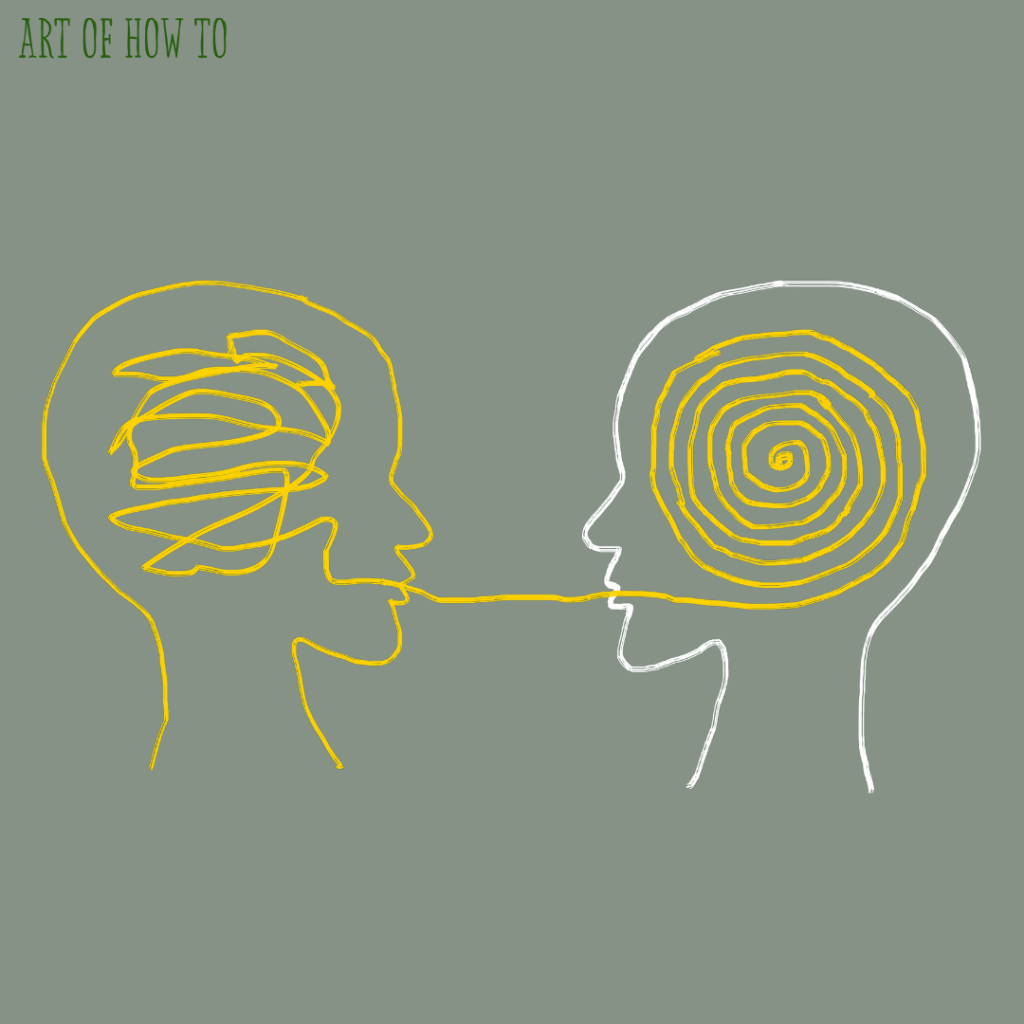
How many times has it happened that when you spoke on mental health or shared your problems with your friends, family, peers, or colleagues, you felt invalidated and rejected? Did they feel the same way? When you spoke about being low or depressed, how did your loved ones or others around you react to it?
Did they tell you the following –
“It is okay. This too shall pass”?
“Deal with it and move on.”
“It is normal. It happens. Don’t take it too seriously.”
“It is all in the mind. Could you not listen to it? It is confusing you.”
“You are alright. Keep telling yourself you are fine.”
Try counting the number of times your friends spoke about them silently suffering from depression, insomnia, or unhealed psychological wounds – they feared being judged if they talked to a counselor, psychologist, psychiatrist, or a therapist.
It is high time we normalized the importance of being healthy emotionally and mentally. Let us not wish away any mental ailments and disorders. They must be treated with as much care as physiological conditions and illnesses. Going to a therapist, psychotherapist, psychologist, or psychiatrist must be accepted as going to a general physician. Mental health is often associated with disorders and syndromes only. But it goes beyond all these. There are many more.
10 Reasons Why talk On Mental Health
Talking about mental health is crucial for several reasons. Here are ten important reasons why we need to address mental health openly and honestly:
1. Destigmatizing mental illness
Open conversations help break the stigma surrounding mental health conditions. When we talk openly, it normalizes the experiences of those dealing with mental health issues. Everyone’s journey is different – some have a happy life, some suffer traumas, and some are frustrated because of a lack of purpose and goal.
2. Raising awareness
Social media, public platforms, TEDx talks, television, and web series increasingly focus on spreading mental health awareness through shows and movies. Social media influencers are creating reels on Instagram, openly discussing their life experiences and the importance of therapy.
3. Encouraging help
Many of us have issues seeking help since we are conditioned to “straighten our crowns” on our own. Many families discourage their children from discussing problems by invalidating them or making them look small. But when things spiral out of proportion, the suffering children or the said adults are labeled as “gone cases” or “stressed individuals.” If mental health is openly discussed, individuals are more likely to search for help when they need it, leading to timely interventions and better outcomes. Radio stations in the country have become a haven for people to air their views or vent anonymously. They have shows aired for the same.
4. Promoting understanding
Open conversations promote understanding among family, friends, and communities. Understanding mental health fosters empathy and support for individuals dealing with mental health challenges.
5. Preventing suicide
Suicide helplines and various mental health organizations – government and private are helping individuals fight depression and extreme suicidal thoughts. These are available 24/7 for anyone who wants to talk to someone anonymously. Many suicides have been prevented by certified counselors, psychologists, and psychiatrists just through conversations with the suffering individuals. Talking openly about mental health can help identify signs of suicidal thoughts or behaviours, allowing for timely intervention and support.
6. Improving relationships
Families that share a healthy and transparent atmosphere at home ensure a healthy generation to thrive. Children in such families benefit a lot from open communication about mental health without fearing judgment. This leads to stronger bonds and better support systems.
7. Reducing discrimination
Talking openly about mental health can reduce judgemental tendencies among people to judge others and help fight prejudice faced by people with mental health conditions. This will enable them to lead more fulfilling lives minus the baggage created by society. The words “therapist,” “psychologist,” and “psychiatrist” will not be spoken in hushed tones.
8. Enhancing overall health
If you are emotionally and mentally in good health, then physically, there will be no issues as well. Talking about your inner wounds, hurt, and disappointments will help.
9. Boosting productivity
Mental health problems can affect productivity at work or school. Addressing mental health openly can lead to supportive environments, which, in turn, can enhance productivity and creativity.
10. Advocating for policies & resources
Countries are now opening doors for healthy discussions on serving better mental health services and policies. When more people talk about mental health, it becomes a societal priority, leading to improved resources and support systems.
——
Priya is a quirky writer/photographer/closet poet, and singer who has traversed a non-conventional path. As a former entertainment journalist who has worked in print and online media for a decade, Priya loves talking to people and writing their unspoken stories. She is the single parent of an 8.5-year-old son settled in Tamil Nadu and a freelance Content Consultant. Priya is also an informal mentor to parents in her local parenting network. She dreams of being an author and maybe a scriptwriter someday!
All those who are parents or grandparents will be familiar with this. A room scattered with paper planes and other paper crafts, some sheets of paintings lying in the closet, and pieces of paper left after the cutting and pasting work. You walk into your child’s room and almost step onto some craftwork, or when you open their cupboard, a painting falls on your head (maybe just paper and not the canvas paintings, hopefully). You badly want to organize and keep it, but space constraints exist.
Most of them will be school projects and personal craftwork done by children. You do not even want to throw them because you or your child have worked hard at making those creations. Children feel sad and heartbroken if you mention that their artwork/craft needs to be thrown away because there is no more space left. Spaces are far more limited in small apartments and flats vis-a-vis independent houses. Also, if there is more than one child in the house, there will inevitably be a constant fight for space to keep their belongings.
So how do you cut the cake and eat it too?
Make a digital archive
Scan or photograph the artwork and create a digital archive. You can organize these digital files by date or theme on your computer. This way, you can easily access and enjoy their creations without taking up physical space.
Turn art into a calendar
Choose the best pieces of your kids’ art (drawings/paintings) and create a custom calendar for the upcoming year. Each month can feature a different piece of their artwork, adding a personal touch to your daily routine. Dates can be written, resembling a calendar.
Make collages
Create collages using smaller pieces of artwork and even paper crafts. Cut out exciting elements and arrange them in a visually pleasing way on a large canvas or poster board. This way, you can display multiple art pieces in one unified piece.
Transform art into personalized gifts
Children’s artwork can be used to create personalized gifts for family and friends. You can turn their art into custom greeting cards, wrapping paper, or even print it on mugs, tote bags, or puzzles to give as unique presents.
Design your art gallery wall
Choose a dedicated wall in your home to use your kids’ art and craft work in rotation. Use frames or create a dynamic gallery with removable adhesive hooks so you can easily change and update the display as they make new pieces.
Paper mâché sculptures
Use paper boats and planes as a base for paper mâché sculptures. Add newspaper strips soaked in glue and water to create new shapes and forms. Once dry, paint and decorate your sculptures.
Collage art
Cut paper boats and planes into various shapes and use them in collage art projects. Incorporate them into new artwork by arranging and gluing them onto canvases, cardboard, or wooden surfaces.
Unique gift tags
Transform paper planes and boats into gift tags. Cut out smaller sections of the paper crafts and punch a hole at the top. Attach a string or ribbon, and you have a charming and personalized gift tag.
Paper mosaic
A mosaic is a work of art or design brought to life by arranging small, colorful fragments of various materials, including paper, tiles, glass, and others. You can cut the paper boats and planes into small, uniform pieces and create a colorful paper mosaic. Arrange the pieces to form patterns, images, or even abstract designs. Glue them onto the surface to create visually appealing artwork.
Origami
If the paper boats and planes are still in relatively good condition, you can fold them into new origami creations. Turn paper boats into swans or frogs and fold paper planes into cranes or butterflies. There are many origami tutorials available online to guide you through the process.
Handmade greeting cards
Use paper boats and planes as decorative elements on homemade greeting cards. Cut, fold, or glue them onto cardstock or plain cards to create personalized and eco-friendly greetings.
Decorative mobile
Suspend paper boats and planes from a wooden or wire frame to create a decorative mobile. Hang it in a child’s room or any space needing a playful touch.
Papier-Mâché Pinata
If you have a paper boats and planes collection, you can repurpose them to make a papier-mâché pinata. Cover a balloon or mold with layers of paper using a flour-water mixture. Once dry, paint and decorate it, then fill it with candies or small toys for a fun party activity.
Upcycled jewellery
Cut interesting paper boats and plane sections into unique jewelry pieces. Seal them with clear nail polish or a waterproof sealant to protect them from wear and tear. These can be good gifts, too!
Remember to recycle any paper scraps or remnants you cannot repurpose into new creations to minimize waste. Recycling and upcycling can be a fun and creative way to extend the life of your paper boats and planes while reducing their environmental impact. The key is to strike a balance between preserving the sentimental value of the artwork and decluttering your space. You can also involve your kids in selecting their favorite pieces for these creative projects. This is another way of spending time with your children minus screen time.
So, let us inspire our children to recycle and reuse their art! After all, recycling artwork is not just a practice of repurposing materials. It is a celebration of creativity, sustainability, and the boundless potential of the human spirit. With each piece of art crafted from discarded materials, we breathe new life into the forgotten and elevate the ordinary into the extraordinary. It is a powerful reminder that the art world knows no boundaries and that even in our pursuit of beauty, we can be stewards of our planet. So, let us continue to explore the possibilities, challenge our imaginations, and embrace the art of recycling as a meaningful and impactful way to shape a more vibrant and sustainable world, one masterpiece at a time!
——
Priya is a quirky writer/photographer/closet poet, and singer who has traversed a non-conventional path. As a former entertainment journalist who has worked in print and online media for a decade, Priya loves talking to people and writing their unspoken stories. She is the single parent of an 8.5-year-old son settled in Tamil Nadu and a freelance Content Consultant. Priya is also an informal mentor to parents in her local parenting network. She dreams of being an author and maybe a scriptwriter someday!
In a world where technology continues to reshape our lives, how we consume entertainment has undergone a revolutionary shift, thanks to the rise of Over-The-Top (OTT) platforms. These platforms have transformed our viewing habits and significantly impacted how we perceive, access, and enjoy content. In this blog, we’ll delve into the world of OTT platforms, explore how they have changed our lives, and provide some notable examples of their influence.
The Rise of OTT Platforms
Over-The-Top platforms, commonly referred to as OTT platforms, have gained immense popularity in recent years. These platforms deliver video content directly to viewers over the Internet, bypassing traditional cable or satellite television services. This convenience has allowed users to access their favorite shows, movies, documentaries, and even live events at their own pace and convenience.
Unparalleled Convenience OTT platforms have given us the power to choose what we watch and when. No longer bound by TV schedules, we can binge-watch entire series, pause and resume at will, and create personalised viewing routines.
Global Content Access OTT platforms have broken down geographical barriers, granting us access to content worldwide. We can now explore international movies, TV shows, and documentaries, broadening our cultural horizons.
Diverse Content Catalog These platforms offer vast content across genres and languages. There’s something for everyone, from classic films to niche documentaries, from mainstream blockbusters to independent productions.
Original Content Boom Many OTT platforms produce original content, leading to a surge in high-quality series and movies that traditional studios might have yet to highlight. It has given rise to a new era of creativity and storytelling.
Device Flexibility With OTT apps on various devices – smartphones, tablets, smart TVs, and more – we can seamlessly transition from one device to another, ensuring that our entertainment experience remains uninterrupted.
Navigating the Streaming Seas
OTT Platforms and the Shared Challenges Across Generations
The digital revolution has brought about a seismic shift in how we consume entertainment, with Over-The-Top (OTT) platforms emerging as dominant players in content delivery. While these platforms have introduced unprecedented convenience and variety, they also present unique challenges across generations.
We’ll explore the typical troubles different age groups face regarding OTT platforms.
1. Generation Z: The Paradox of Choice
The youngest generation is growing up in an era of boundless content choices. While this variety is a boon, it can also be overwhelming. Generation Z often needs help deciding what to watch amidst an ocean of options. The paradox of choice can lead to decision fatigue, wasting precious leisure time and dampening the viewing experience. Additionally, the pressure to keep up with the latest trends and discuss popular shows with peers can create a sense of FOMO (Fear Of Missing Out).
2. Millennials: Subscription Fatigue
For millennials, the rise of OTT platforms has led to subscription fatigue. Costs can quickly add up, with each forum offering exclusive content and requiring a separate subscription. The challenge lies in managing multiple subscriptions while ensuring the content justifies the expense. Juggling subscriptions can be both financially draining and mentally exhausting, leading to a need for careful budgeting and prioritization.
3. Generation X: Content Discovery and Time Constraints
Generation X faces the dual challenge of content discovery and time constraints. While these individuals appreciate the convenience of OTT platforms, finding shows that align with their tastes can be time-consuming. Moreover, the responsibilities of family, work, and other commitments leave them with limited leisure time. Striking between exploring new content and making the most available time becomes a constant challenge.
4. Baby Boomers: Technological Intimidation
For baby boomers who did not grow up with the digital landscape, embracing OTT platforms can be intimidating. Navigating the user interfaces, understanding streaming terminologies, and troubleshooting technical issues can feel daunting. However, as these platforms become increasingly integral to entertainment consumption, learning to use them can empower this generation to stay connected with the changing times.
5. Cross-Generational Challenge: Quality Time Together
Finding content that bridges generational gaps can be challenging in an era of individualized content consumption. Families often struggle to see shows or movies that cater to diverse age preferences and sensitivities. The ability to have quality bonding time while watching content that appeals to all generations can be a complex puzzle to solve.
OTT platforms have undoubtedly transformed the way we experience entertainment. The convenience, variety, and freedom they offer have made them an integral part of our daily lives. As the landscape continues to evolve, it’s clear that OTT platforms have ushered in an era where entertainment is not just passively consumed but actively curated. From long weekend marathons to international film discoveries, our lives have been enriched by the vast and diverse world of OTT entertainment.
While OTT platforms have revolutionized how we experience entertainment, they come with shared challenges that cut across generations. Each age group faces unique difficulties, from overwhelming choices to the struggle with subscription costs and content discovery. It’s essential to recognize these challenges and work towards finding solutions that allow everyone to make the most of the opportunities OTT platforms offer. As technology continues to shape our lives, bridging the gaps between generations and fostering a more inclusive entertainment experience is critical to ensuring that the benefits of OTT platforms are accessible to all.
——
Chippy is a dreamer and optimist. She believes, we become what we hope, aspire, dream to be and knows how to make a dream or two happen. Seventeen years of experience, struggling, winning, failing, succeeding and failing again and making it, she knows what it takes to build a successful project, a business, and what it means by starting from the bottom up. It takes determination, dedication, and direction and that’s why her mission is to ‘step up & inspire.’
I call them the “Why” generation (yes, I call my son Mater Why)! The ultra-curious of all generations and eras, the current pre-teens – the Alpha generation has out-of-the-world questions. They are little explorers exploring the world around them. Curiosity is forever piqued, and their sense of justice, too. What is right/wrong for them must be the same for everyone else.
Pre-teens, or Tweens as they are dubbed, are between 9-12 years old. It is the best age for developing values, priorities, and the role of loved ones in their life. The last one – roles – for them, Mother, Father, grandmother, grandfather, uncle, and aunt have all been assigned specific roles by pre-teens. They begin recognizing the position each adult has in their life. Parents may not have as primary importance as they had as young ones, as now it is probably their cousins or aunts and uncles who are more critical.
They undergo significant physical, emotional, and cognitive changes while preparing for challenges and developments in their teenage years. While some experience growth spurts and body changes due to puberty, some develop an increased feeling of independence and autonomy. Emotionally, they might become more self-aware and develop a stronger sense of identity. They might become more sensitive to emotions and hence their emotional storms. They will cool down as fast as they get angry.
If you are an Alpha generation parent, I am sure that you have or are fielding these questions:
“Why do I have to go to school?”
“Can I have a pet?”
“When can I get a phone?”
“Why do I have to do chores?”
“Can I have a sleepover at a friend’s house?”
“Why do people fall in love?”
“What is puberty?”
“Can I start wearing makeup?”
“Why do we have to eat vegetables?”
“When can I start making my own decisions?”
“What’s the difference between being popular and having real friends?”
“Why can’t I watch that movie/play that game?”
“How do babies come into the world?”
“Why do people have different skin colours?”
“What’s the point of saving money?”
“When can I start dating?”
“Why do people get divorced?”
“Why do I have to respect adults if they don’t respect me?”
“What’s the meaning of life?”
“Can I choose my career when I grow up?”
The “Butterfly” stage
Just like the transition from a butterfly to a caterpillar is beautiful. Similarly, the transition from a child to a pre-teen is impressive to watch, too! It is magical how these children grow and evolve from being dependent (physically) on you to the “I am independent, and I can do everything on my own” phase. Let them be and allow them to do what they want, and they will bloom!
“Pre-teens are the melodies of tomorrow, each note representing a discovery and a step forward.”
But sadly, most parents find this the most annoying and challenging phase, too. This is a stage of “No” and “My way or the highway,” too. Using force and pressure will only widen the gap between you and them. Authority does not work with this generation – only reasoning and logic work. They are at that stage where they are still children, yet they want to experience being an adult.
I have a pre-teen and trust me, it is a tightrope walk, but it is not that bad!
Tips to help pre-teen parents navigate effectively
1. KISS them
KISS is Keep it simple and short. Long lectures will only drive them miles away from you. Make sure you use simple words/phrases/statements to get a message across.
2. Open communication
Maintain open and honest communication with pre-teens. Create surroundings where they feel relaxed discussing their thoughts, feelings, and concerns with you. You must be their safe space as parents.
3. Active listening
Pay attention when they talk to you – eye contact is essential, and avoid gadgets during the conversation. This shows that you value their opinions and helps you understand their perspective.
4. Respect independence& space
Pre-teens are starting to develop a sense of independence. Allow them to make age-appropriate decisions. Please give them a sense of responsibility in all their choices while being there to guide them.
5. Set clear boundaries
Setting clear rules and expectations helps set structure and consistency that makes them feel secure. In addition, make sure they are aware of the consequences of their actions.
6. Show empathy
Understand that pre-teens are dealing with their challenges. Show empathy and offer support when they encounter difficulties.
7. Encourage decision making
Help pre-teens develop decision-making skills by involving them in discussions about choices and their potential outcomes.
8. Respect privacy
As they start to develop a stronger sense of self, respect their need for privacy. Balance this with your role as a guardian to ensure their safety.
9. Positive reinforcement
Recognize and praise their accomplishments and efforts. Positive reinforcement can boost their self-esteem and motivation.
10. Walking the “role model”ramp
Demonstrate the values and behaviors you want them to adopt by practicing yourself. Pre-teens often learn by observing the adults around them.
11. Open chats about age-related changes
Pre-teens are going through puberty. They are encountering physical and emotional shifts. Provide age-appropriate facts about these changes so that they can comprehend what is happening to their bodies.
12. Encourage hobbies & interests
Support their interests and encourage them to explore new activities. This helps them build skills, discover passions, and develop a sense of identity.
13. Teach problem-solving
Helping and guiding them to solve problems and handle conflicts constructively will go a long way. This will empower them to navigate challenges independently.
14. Limit screen time
While technology has benefits, monitoring and limiting their screen time is an excellent way to ensure a healthy balance with other activities.
15. Quality time
Engaging in activities they enjoy is equivalent to spending better time with them, which can foster a stronger bond between you.
16. Be patient
Pre-teens may be extraordinarily moody or exhibit erratic behavior due to hormonal changes. Stay patient and understanding even during challenging moments.
17. Support social relationships
Pre-teens are developing social skills and friendships. Encourage healthy companies and guide them in resolving conflicts.
18. Encourage responsibility
Give them age-appropriate responsibilities at home. This fosters a sense of accomplishment and contributes to their development.
The above points are not written in stone necessarily, so keep it fluid and go with the flow! Remember that every pre-teen is unique, so tailor your approach to their personality and needs. By fostering a healthy, supportive, and communicative relationship, you can help them navigate this beautiful phase successfully.
This quote truly sums up pre-teens:
“Pre-teens are the melodies of tomorrow, each note representing a discovery and a step forward.”
——
Priya is a quirky writer/photographer/closet poet, and singer who has traversed a non-conventional path. As a former entertainment journalist who has worked in print and online media for a decade, Priya loves talking to people and writing their unspoken stories. She is the single parent of an 8.5-year-old son settled in Tamil Nadu and a freelance Content Consultant. Priya is also an informal mentor to parents in her local parenting network. She dreams of being an author and maybe a scriptwriter someday!
Building a home is a momentous journey that allows us to create a space that resonates with our hopes and aspirations. Vastu Shastra, an ancient Indian architectural science, offers profound insights into the art of designing and constructing a home that fosters positive energy and harmony.
Vastu Shastra strives to harmonize energy flow in a living space. Remember that while Vastu Shastra can offer valuable insights into creating a harmonious living space, balancing Vastu principles and modern practicalities is essential. It is only sometimes feasible to follow all guidelines rigidly, but implementing as many as possible can contribute to a sense of balance and well-being in your new home. Consulting a Vastu expert or architect experienced in Vastu can help you achieve the best results.
10 essential guidelines to consider, Drawing from the principles of Vastu, when building your dream abode.
1. Directional Orientation
The cardinal direction in which your home faces plays a vital role in determining energy flow. According to Vastu, an east-facing entrance is considered auspicious, as it invites the radiance of the rising sun, symbolizing new beginnings and prosperity. However, if east-facing access is impossible, the northeast direction is the next preferred choice.
2. The Power of Five Elements
Vastu is deeply rooted in the concept of the five elements – Earth, Water, Fire, Air, and Space. These elements are associated with specific directions, and balancing them is crucial for harmonious living. Incorporate colours, materials, and design elements representing each element, creating a balanced environment.
3. Ideal Room Placement
To make the most of Vastu principles, consider the placement of various rooms. For instance, the master bedroom is ideally located in the southwest direction, fostering stability and promoting good health. The kitchen in the southeast ensures a harmonious flow of energies related to nourishment and sustenance.
4. Mindful Toilet and Bathroom Placement
Toilets and bathrooms should be placed in the northwest or southeast corners of the house. Avoid having them adjacent to the kitchen or dining area, as it is believed to generate negative energy.
5. Embrace Natural Light and Ventilation
Maximize windows and open spaces in the north and east directions. These openings allow ample natural light and fresh air to enter, invigorating your living spaces with positive vibrations.
6. Avoid Obstructions
When selecting a plot, avoid irregular shapes or plots with obstructive elements like large trees, poles, or neighboring buildings that might block positive energy flow.
7. Staircase Placement
The staircase placement can significantly impact the energy flow within the house. It is advised to have the staircase ascending clockwise in the south, southwest, or west direction.
8. Harmonious Colours and Décor
Vastu recommends specific colours for different rooms to enhance their positive effects. For instance, using light pastel shades in the bedroom promotes tranquility and relaxation, while vibrant colours in the living room can stimulate social interactions.
9. The Auspicious Prayer Room
If you plan to have a prayer room, the northeast corner of the house is considered the most auspicious. This positioning is believed to attract divine energies and blessings.
10. Embrace Minimalism and Organization
Clutter disrupts the flow of energy, hindering the positive effects of Vastu. Embrace minimalism and maintain a clutter-free environment to create a peaceful and harmonious living space.
As you build your dream home, incorporating Vastu Shastra principles can infuse it with positive energy and create an environment of harmony and well-being. While it may not always be feasible to adhere strictly to all Vastu guidelines, embracing as many as possible can significantly impact your abode’s overall ambiance and energy flow. Remember that Vastu Shastra is a guide to aligning your living spaces with nature’s forces and embracing a holistic approach to living. You can craft a home that nurtures your body, mind, and soul by combining modern architectural practices with ancient wisdom.
——
Chippy is a dreamer and optimist. She believes, we become what we hope, aspire, dream to be and knows how to make a dream or two happen. Seventeen years of experience, struggling, winning, failing, succeeding and failing again and making it, she knows what it takes to build a successful project, a business, and what it means by starting from the bottom up. It takes determination, dedication, and direction and that’s why her mission is to ‘step up & inspire.’
We are all caged in some way or the other. We are prisoners of our thoughts and ideas. We are warriors fighting for the liberation of our breaths. How cool would living in a world of radical ideas and liberated thoughts be? How awesome would it be to swoon among hearts that pave the way for a calmer society? How wonderful would it be not to be hindered by the constant societal and peer pressure?
In a way, isn’t it betraying ourselves by doing something we didn’t want to do by simply giving in to social pressures? Daily, whether we like it or not, we are affected by the influence that others have on us. This is evident in the cultural demands and aesthetic canons that tell us how to live if we want to be considered valid among the rest of the so-called “society.” We struggle to cope with social pressure even in our closest personal relationships. We all had to deal with peer pressure as early as school days.
How often have we agreed to plan an activity we didn’t want to partake in? How often have we said something we didn’t mean just to fit in or please others around us? What if I said that this is perfectly natural? This is because, at the end of the day, as a human, we are social beings. Hence we need to feel that we belong to a group to survive in this world. However, we might suffer unwanted significance if we don’t adequately manage this pressure.
When we give in to social pressure, we are disloyal to ourselves. We become muddled and feel uncomfortable. That’s because when we say something we don’t think or do something we don’t judge, we generate a dissonance that stops us from feeling alright.
However, setting boundaries, refusing, and contradicting others is not appealing and scary. We may fear being excluded, rejected, or judged – apt to the new age term – FOMO – Fear of Missing Out. On the other hand, if we give in to the desires of others, we feel guilty because we have betrayed ourselves.
Paradoxically, trying to please others can bring us problems on a social level. For instance, if we say we are going to do something we don’t want to do, we are likely to back down later, making us appear indecisive, irresponsible, and unreliable in the eyes of others. Indeed, our initial desire to please and avoid a conflict will turn against us, and we will face the exact consequences we were trying to avoid.
Social Pressure & How to Deal with It
Developing self-confidence is critical to dealing with social pressure. A confident person is hard to manipulate and hence stays strong in their character. Working on our self-esteem can be ideal for dealing with social anxiety and peer pressure. Self-love shows that we love ourselves; we validate and appreciate ourselves. No one except ourselves can get us to do something. On the other hand, if we feel insecure, fragile, and in need of others, it’s much more likely that we will end up giving in to social pressure – which is unhealthy in many ways.
Staying away from impulsive responses can help. If we act impulsively and respond without thinking, it’s probably our need to people-please! For this reason, it’s essential to take a few seconds to recall before answering any request, suggestion, or comment. Hopefully, in that time, we will realize that we were about to accept something we didn’t want, and we can change our decision accordingly.
Self-confident people don’t need this reflection period as they automatically consider their preferences. However, if we have been too accommodating to others for years, this moment can make a real difference and allow us to implement a new way of doing things and living life.
Most of us, keeping it gender biased, feel the need to justify our decisions, give explanations, or excuse ourselves when we don’t comply with what’s asked of us. A simple “no” doesn’t seem to be enough to us, and we offer justifications and excuses that, many times, aren’t even the real reason for us refusing something.
“I’d like to, but I can’t,” “I don’t have time,” “I’ll think about it, and I’ll tell you later.” Do these phrases sound familiar? If so, we must know that we have the right to say “no” and that our solutions and conclusions are valid and don’t require further grounds. This positively affects our development as an individual in society though people would prefer us not to know it.
Applying the above-said values will require a conscious effort on our part. We must cater to the needs and desires of our inner selves than please and make others around us happy. Only when we wholly appreciate ourselves can we understand the beauty of what is around us.
Dealing with social and peer pressure is a learning curve. We understand a lot about ourselves and what is happening around us. We learn and unlearn daily if we are sure to listen to our hearts. We must overcome the inertia of all those years when we were motivated by the desire to please others and the fear of rejection. However, with daily practice, it’ll get more accessible, and we will feel more satisfied with our work. How about starting right away?
——
Aakanksha Dinah, a passionate writer, orator, communicator focused on establishing a Training institution centered on creativity and innovation. Aakanksha is a true believer in loving the work we do and strongly believes in smart-work, the reason why creativity works better for her. Aakanksha is enormously focused on making a career in professional writing and publishing. She loves writing poems, self-help articles, and essays. An enthusiast when it comes to learning languages and in short, Aakanksha is a wanderer, an explorer, a mom, a dog-mom, a poet, a cook, a writer, and an influencer.
Did you celebrate the first birthday of your little one? Welcome to the toddlerhood of their lives! Shoutout for surviving the first year happily and finding it easy to handle a kid – I felt the same! Well, the best is yet to come! Children between the age of one and three are called toddlers. They are little curious atom bombs, may I dare to say? They are all over the house, your mind, and your body – and I mean it literally!
These years are a wonderful time of significant cognitive, emotional, and social development of the child and the parent, in a way! From unconventional running and falling to scribbling on the walls and making screeching, loud noises at home, you can think of anything, and they would do it all…
Toddlers begin to understand themselves physically now. They are curious about their bodies as well as the people around them. They are interested in jumping, exploring, running, touching, feeling, playing, and even talking! They mimic more often and throw tantrums if you do not understand what they want! Now, the good news is tantrums are normal in child development. The not-so-great information is tantrums are hard to manage and control.
Temper tantrums in toddlers vary from whimpering and hollering to screaming, booting, hitting, and breath-holding spells. They are common in boys as well as girls equally. Some kids may have tantrums often, and others have them rarely.
What can you do as parents? A LOT!
Reading a book to your toddler is one of the most satisfying things you could do as a parent. Your toddler will begin to understand the importance of concentrating while something significant occurs.
Be gentle as you try and teach them how to identify objects, body parts, and family members. This will increase their thinking ability and their memory power.
Play matching games with your toddler, like shape sorting and uncomplicated puzzles, enhancing their motor skills and rational thinking.
Please encourage them to explore and try new things. Only then will they become independent adults in the future.
Support to develop your toddler’s language by talking with them. For instance, if your toddler says “Bobo,” you can respond, “Yes, you are right―that is a bottle.”
Encourage their growing independence by letting them help with dressing and feeding themselves.
Inspire your toddler’s curiosity and ability to recognize everyday objects by bringing field trips together to the park or garden nearby.
Temper tantrums usually start at around 18 months and are common in toddlers. Hitting and biting are common, too. This may be the answer to why your toddler hits you or bites you in response to something they are trying to communicate. This may sometimes be frustrating, but you must be patient and handle it correctly.
One reason for increased physical tantrums is that they want to express themselves but find it difficult. They feel frustrated, and the frustration comes out as a tantrum – it may be crying, shouting, whining, hitting, biting, etc.
Once a child can talk more, they’re less likely to have tantrums. By the age of 4, tantrums are far less common. This is simply because they know how to communicate what they want verbally.
What can you do to reduce tantrums?
Find out the reason for the tantrum. Is it because they are hungry or sleepy? One of the biggest lessons you must learn as parents is to stay calm and positive. You do not have to give in to their tantrums all the time. Caress them and be gentle. They probably want you to stick around, hug and love them. Think about it.
Understanding and accepting that your child may be angry is critical to gentle yet powerful parenting. It is not just the adults feeling rage and anger. Kids feel those emotions too. They think feelings are as valid as adults – like anger, jealousy, possessiveness, frustration, sadness, and more. While adults have ways of dealing with their emotions, kids have their own. While their world rests on your laps as their parents, they come to you with all those built-up emotions.
Finding a distraction is vital. When your child is whining continuously about something, the best thing you can do is find a distraction. Find something to distract them with straight away. This could be something you can see out of the window. For instance, you could say, “Look! A dog”. Make yourself sound as surprised and interested as possible – and you will see the magic!
It’s alright to wait for it to stop on their own. Letting them let out all that emotion when nothing works is okay. Hug them as they cry and whine. Hold them close and tell them that it’s alright. I know it’s easier at home when no one is watching. However, even when outside, when your child is out of control, staying calm and healthily ignoring the tantrum is alright. Ignore not just the tantrums but also the glaring stares people give you – it is okay! It is way better than shouting back and getting agitated.
Do not give in – for your own and your toddler’s good! Giving into their tantrums will not help in the long run. The show is simply momentary, and it shall pass. Giving into their tempers when they throw one will allow them to think that crying too loudly can get them away with anything they want, and they shall begin to use that to their advantage. This is wrong teaching and will kill your peace in the long run.
Give them attention – one of the needs of a toddler is attention. They need all your attention. Talk to them and help them understand that being aggressive and crying too hard is useless. You can assure them with a hug and nice words. It would help if you were not aggressive with the child when they throw a tantrum because they will feel that is the right way of dealing with someone angry or upset. Instead, show them how else you could be calm. Show them that there is a lot of love in your heart for them, but not their behaviour.
Much as we love them, we must learn the art of sometimes ignoring them to stay sane and healthy! Truly!
Tantrums must be identified and handled differently depending on why your child is upset. At times, you may need to comfort them. If your toddler is hungry or tired, it’s time for a nap or a meal/snack. While at other times, it is best to ignore an outburst or distract your child with a new activity, as mentioned above.
If a tantrum happens after you refuse something to your toddler, stay calm and don’t explain why they can’t have what they want. Move on to another activity with them.
If a tantrum happens after they are told to do something they don’t want to do, it’s best to ignore the tantrum. However, ensure you follow through on having them complete the task after they’re calm.
Much as we love them and think of them as harmless, some kids are in danger of hurting themselves or others during tantrums. They must be taken to a quiet, safe place to calm down. This also applies to tantrums in public places like shops and malls.
If a safety issue is involved and a toddler repeats the forbidden behaviour after being told to stop, use a time-out by sitting the child on a designated chair or in the corner for just a few minutes to discipline them. This is more necessary than it may seem. Old school, but the key to a well-behaved child is discipline. Be nearby so that you can supervise, but only interact once they are calm. Be consistent. Never give in on safety issues.
——
Aakanksha Dinah, a passionate writer, orator, communicator focused on establishing a Training institution centered on creativity and innovation. Aakanksha is a true believer in loving the work we do and strongly believes in smart-work, the reason why creativity works better for her. Aakanksha is enormously focused on making a career in professional writing and publishing. She loves writing poems, self-help articles, and essays. An enthusiast when it comes to learning languages and in short, Aakanksha is a wanderer, an explorer, a mom, a dog-mom, a poet, a cook, a writer, and an influencer.
We live in a universe of multiple dreams, desires, ideas, patterns, logic, ironies, and paradoxes. The world is a much smaller spectrum when compared to what hides behind. It is so powerful and wholesome when we finally realize that it takes a lifetime, and perhaps more, to really understand and appreciate the little things in life and not to worry too much about the whole thing! One thing we will not regret is the time we spend on ourselves, the efforts we put in to better ourselves, and the energy we invest in making joyful memories. What will not matter as much as the things we spend too much of ourselves on?
So live a little. It’s huge out there. Breathe a little. There is fresh air out there. Learn a lot. There’s so much more to uncover. Laugh a lot. We never know what lies ahead of us. This is it. This is life. To balance and live one day at a time. No haste. There’s nothing more important than keeping ourselves in ultimate peace and harmony. Nothing is more magical and necessary than maintaining mental health because we live and go: and when we go, we might as well have lived!
And with living, we must dream. Life is to experiment, explore, and experience. It is to feel and to emote. It is to touch and to take in. It is to see and to act. It is to affirm and bring our ideas, fantasies, thoughts, analysis, logic, reasoning, and potential into existence. Our purpose must take us places; it must influence and inspire.
Our love for experiences must give us memories. Our passion for adventure must provide us with energy. There must be complete use of the immense resources available to us – to make this world more liveable and to contribute to the progress of humankind.
We are empowered to produce and multiply – goodness, gratitude, kindness, love, compassion, fear, darkness, hatred, and hellfire. It is up to us what we want to explode into the universe with our aura. Our halo will shine through our character – our enormous knowledge of living in this world will be reflected in our actions. With all his wonderful dreams and desires, a man’s mind makes this world beautiful. In the same way, a man with a sense full of spirits of wickedness and hatred shall spread the same. The doors of heaven are open, and so are the ones to hell. It is, therefore, indispensable to impart the knowledge to people of what exit to take, for both might look the same from afar. Lost souls are plenty, and it is perhaps time for us to interfere and bring back those who fear the melancholy of thunderous storms. No matter what purpose, the spirit of goodwill, empathy, compassion, innocence, and discipline we are born with must be cherished, honored, deeply rooted, and spread to the coming generations to impart the importance of values and virtues.
The universe is vast. Make dreams a reality. People like Elon Musk show us daily that we can if we dare. Why not dare a little? Why not take that next step right away? Why not create the most out of the immense dreams spread across this universe? Ponder.
—–
Aakanksha Dinah, a passionate writer, orator, communicator focused on establishing a Training institution centered on creativity and innovation. Aakanksha is a true believer in loving the work we do and strongly believes in smart-work, the reason why creativity works better for her. Aakanksha is enormously focused on making a career in professional writing and publishing. She loves writing poems, self-help articles, and essays. An enthusiast when it comes to learning languages and in short, Aakanksha is a wanderer, an explorer, a mom, a dog-mom, a poet, a cook, a writer, and an influencer.
The strength to do something lies within. It takes more than willpower and determination to get that task done or to maintain that consistency you have been trying to bring into your life. It has more to do with discipline and the inner desire to get things right.
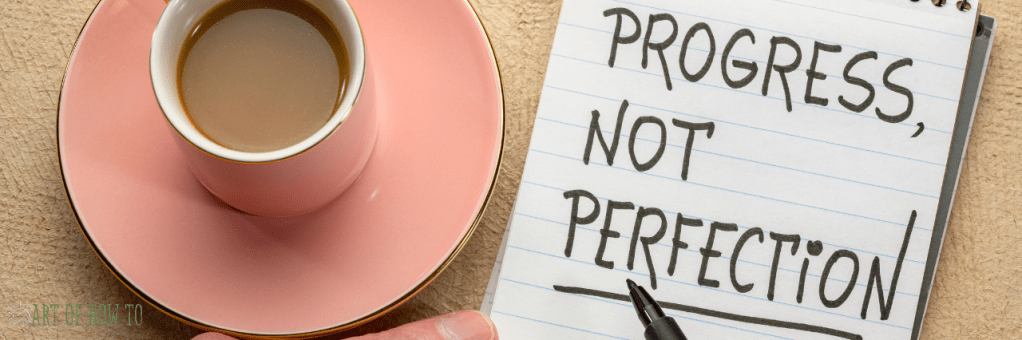
Perfection is an illusion. It is different for different people. Someone’s imperfection is another person’s absolute bliss and success. Judging or portraying someone for how they succeed in doing certain things in life is irrational. Life is more than quantitative achievements. Contradictory to what you have been told all your life, the best achievement in life is not in how many marks you scored in school or how many subjects you cleared in your college. It is about something other than what college or University you were placed in or in your organization. It is not even in how much more you earn than your competitors. It is in how much life you have lived – how many days you have spent basking in the warmth of your existence. How many lives you have touched through your being alive… how many people you have helped, and how many miracles you have created with your aura.
It is also in how good of a person you are and how much goodness goes around from you. It is in how empathetic and kind you are as an individual. It is in how you treat other people. Goodness, and absolute achievement in life are your characteristics. It is in how good you are when you are by yourself. It is in the spirituality you follow – not necessarily religious – spiritual in the purest form of being morally right. It is in how much love you have within – not lust, but platonic love that heals.
Perfection is a mirage that deceives us into believing that flawless existence is attainable. In reality, embracing imperfection is a liberating choice that allows us to break free from the shackles of unattainable expectations. By accepting ourselves and others with all our flaws and complexities, we pave the way for a more authentic and fulfilling life. Remember, it is in embracing imperfections that we truly find beauty and meaning in this imperfect, yet wonderful world.
In today’s fast-paced and competitive world, pursuing perfection has become a prevalent and unattainable goal for many individuals. We constantly strive for perfection in our careers, relationships, appearances, and various aspects of our lives. The truth is that perfection is nothing more than an elusive illusion.
The illusion of perfection has to be broken. No human in the face of this world is not sad. There is not a single person in the world who has it all right. It is, therefore, unreal and beyond foolish to believe in a world of plastic where people mostly only post about their good times. It is rare for someone to show their authentic self and their real life on social media; hence, it is illogical to live the social media way. It is detrimental to yourself if you believe that perfection is in somebody’s size or a celebrity’s attention from others. It is not about how you look on the outside – because, trust me, anyone can look amazingly stunning with a lot of makeup and an amazing hairstylist! The bigger picture is quite extensive. Going around the entire tree to see the reality isn’t easy. It is, however, not a mystery. It is appealing out there and open for all to understand that little things add up to make the bigger picture. The bigger picture is your true self – healing yourself and the world around us while knowing what life is genuinely all about.
——
Aakanksha Dinah, a passionate writer, orator, communicator focused on establishing a Training institution centered on creativity and innovation. Aakanksha is a true believer in loving the work we do and strongly believes in smart-work, the reason why creativity works better for her. Aakanksha is enormously focused on making a career in professional writing and publishing. She loves writing poems, self-help articles, and essays. An enthusiast when it comes to learning languages and in short, Aakanksha is a wanderer, an explorer, a mom, a dog-mom, a poet, a cook, a writer, and an influencer.
When your young ones fly away…“The empty nest syndrome is just the next chapter in the book of life. Embrace it, and write a beautiful story.”
You know you are an older parent (parent to an older kid) when you are seeing them off for higher studies or preparing them for an independent life in another city for their new job or settling your married son/daughter about to move to their own space in the same or different city. Multiple scenarios can exist where your child moves out to be an independent adult. Either way, the pangs of your children moving out of your house can be painful. Till they turn adults, we parent our children to make them independent, but when they do become independent, it hits us hard that they are about to start their journeys like we did when we were young!
I haven’t reached that stage yet in my life, but I do feel it whenever my 9-year-old son suggests a nightcap with his friends or even says he wants to sleep with his grandparents for the weekend (they are in the same house, by the way!), I get frazzled and unsettled. Many of your parents may relate to what I am saying and even laugh it out. It happens because right from the time they are born, they are always with us. They are dependent on us for everything! So, feelings of attachment are natural, and separation becomes an unnatural thing to think of in our hearts and minds. How much ever we practically believe, our hearts overrule the mind and make us miss our young ones (the not-so-young ones, too!).
Empty Nest is true to its literal meaning – nest referring to our homes and empty being our feelings. The Empty nest syndrome is a psychological and emotional condition that parents may experience when their children leave home to live independently, typically when they move out for college, work, or other personal reasons. It is called an “empty nest” because it describes the feeling of emptiness and loss that parents may experience when their children leave.
Parents who have been actively involved in their children’s lives may find it challenging to adjust to the significant changes that occur when their children move out. They may experience various emotions, including sadness, loneliness, grief, and loss. Some common feelings associated with empty nest syndrome include loss of purpose,loneliness, increased focus on self, and changes in relationships with their spouse or partner.
Not all parents may experience the empty nest syndrome, and the intensity and duration of these feelings can vary significantly between individuals.
10 Ways to Cope with The Empty Nest Syndrome
Each person has a different way of dealing with emotions at this stage of life. What our parents did also may not apply to what we want to do. So you can follow what resonates or vibes with you the most!
1. Acknowledge your feelings
It is essential to recognize and accept the emotions you are experiencing. Allow yourself to grieve the changes and accept and acknowledge that feeling a mix of sadness and excitement during this transition is expected.
Coping with the Empty Nest Syndrome can be a challenging experience for parents when their children leave home to pursue their own lives, such as going off to college or moving out to start their careers. Acknowledging your feelings during this transitional period is critical. Acknowledging your feelings during the Empty Nest Syndrome is critical for emotional processing, communication, coping strategies, reducing isolation, and promoting personal growth. It helps you navigate this significant life transition with greater self-awareness and resilience. Remember that seeking professional support from a therapist or counselor can also be beneficial if you struggle to cope with this period’s emotional challenges.
2. Stay connected
Our world has shrunken to a small screen now. So, there are multiple ways to regularly keep in touch with your children through phone calls – audio and video, or occasional visits.
Staying connected during the Empty Nest Syndrome is crucial for various reasons. When children leave home, parents may experience loss, loneliness, and a void in their daily lives. Maintaining connections can help parents cope with these emotions and navigate this life transition more smoothly. Here are some reasons why staying connected is critical. Staying connected during the Empty Nest Syndrome is essential for emotional support, reducing isolation, sharing experiences, distracting from negative thoughts, discovering new interests, and strengthening relationships. Building and maintaining connections can significantly contribute to your overall well-being as you navigate this new chapter in your life.
3. Start Self-Care Routines
Dedicate time to taking care of yourself physically, emotionally, and mentally. Engage in activities that bring you joy, such as hobbies, exercise, meditation, or spending time with friends.
For several reasons, starting self-care routines is critical to coping with the Empty Nest Syndrome. When children leave home, parents may experience a range of emotions, and it’s essential to prioritize self-care to navigate this life transition healthily and positively. Here are some reasons why self-care is crucial during this period. Starting self-care routines during the Empty Nest Syndrome is critical for emotional well-being, stress reduction, self-awareness, physical health, distraction from negative thoughts, building resilience, setting an example, improved relationships, a sense of purpose, and coping with the transition. By prioritizing self-care, you can navigate this phase of life with greater resilience, positivity, and overall well-being.
4. Reconnect with your partner or Friends
Use this time to rekindle your relationship with your spouse, partner, or old friends. Plan date nights, friends’ day out, take up shared hobbies or embark on new adventures together. And even if you do not have a partner (separated/not alive), this may be a time to rekindle friendships, travel with like-minded people or find a new partner. This is the best time to go on dates too!
Reconnecting with your partner or friends is critical to coping with the Empty Nest Syndrome for several important reasons. When children leave home, it can create a void in your daily life and impact your relationships. By reconnecting with your partner or friends, you can find support, companionship, and a renewed sense of purpose. Here’s why it’s crucial. Reconnecting with your partner or friends during the Empty Nest Syndrome is critical for combatting loneliness, finding emotional support, strengthening relationships, rediscovering shared interests, improving communication, renewing a sense of purpose, strengthening support networks, shared planning for the future, and redefining your identity. These connections can be instrumental in helping you cope with the changes and challenges that come with this life transition.
5. Pursue new interests
Explore activities or hobbies you did not have time for while parenting full-time. This is an excellent opportunity to discover new passions and invest in personal growth.
Pursuing new interests is critical to coping with the Empty Nest Syndrome because it offers numerous benefits that can help you navigate this life transition in a positive and fulfilling way. Parents often find more time and opportunities to explore new activities and passions when children leave home. Pursuing new interests during the Empty Nest Syndrome is critical for filling the void left by the children’s departure, rediscovering yourself, distracting from negative emotions, building self-esteem, meeting new people, promoting learning and growth, enhancing overall well-being, transitioning to a new life stage, finding opportunities for creativity, expanding horizons, and setting an example for your children. Embracing new activities and passions can enrich and transform coping with this significant life transition.
6. Volunteer or get involved in communitywork
Engaging in volunteer work or community activities can provide a sense of purpose and fulfillment. Helping others can be rewarding and satisfying.
Getting involved in volunteer work or community activities is critical to coping with the Empty Nest Syndrome. When children leave home, parents often find themselves with more time and a desire to contribute meaningfully to the community. Volunteering or getting involved in community work during the Empty Nest Syndrome is critical for finding a sense of purpose, building social connections, increasing well-being, gaining new skills and experiences, providing a positive distraction, strengthening the community, fostering a sense of belonging, utilizing skills and expertise, serving as a role model for your children, and enhancing resilience. Embracing community involvement can be a fulfilling and transformative part of coping with this significant life transition.
7. Socialize with friends
Stay connected with friends and expand your social circles. Attend social events or join clubs or groups with similar interests. You need not have an extensive process. A small circle of like-minded folks is always good to infuse positive energy each day.
Socializing with friends is critical to coping with the Empty Nest Syndrome for several reasons. When children leave home, parents may experience feelings of loneliness, isolation, and a sense of loss. Maintaining social connections with friends can provide numerous benefits that contribute to emotional well-being and help navigate this transition. Socializing with friends is critical to cope with the Empty Nest Syndrome because it allows for emotional support, companionship, a distraction from negative thoughts, shared experiences, laughter, and joy, a sense of identity, stress reduction, strengthened friendships, a sense of belonging, opportunities for new activities, and increased resilience. Nurturing your social connections can be vital to navigating this life transition with greater emotional well-being and resilience.
8. Seek support
Talk to friends or family members who have experienced empty nest syndrome. Sharing experiences and feelings can be therapeutic. If needed, consider joining support groups to connect with others going through similar experiences.
Seeking support to cope with the Empty Nest Syndrome is critical because this life transition can evoke a wide range of emotions and challenges that may be difficult to navigate alone. Seeking support from various sources can provide significant benefits in coping with this period of change and adjustment. Seeking support to cope with the Empty Nest Syndrome is critical for validation of feelings, emotional processing, coping strategies, alleviating loneliness, practical advice, gaining perspective, reducing stress, building resilience, connecting with others, and preventing emotional isolation. Whether it’s from friends, family, support groups, or professionals, reaching out for support can be a vital part of navigating this significant life transition with greater emotional well-being and resilience.
9. Set new goals
Gone are the days when people (in India) retired at 60. Lifespan has extended thanks to sound healthcare systems. So even if you have hung the boots professionally, you can still use this time to set new personal and professional goals.
Reflect on what you want to achieve and create a plan to work towards those goals. Many organizations seek experienced, older people as consultants who can contribute positively to organizational growth. Working also keeps the brain active. You need not work full time, but you can also dedicate a few hours of the day to work. Setting new goals is critical to coping with the Empty Nest Syndrome because it provides a sense of purpose, direction, and focus during this period of significant life change. Parents may experience a sense of loss when children leave home, and their daily routines may undergo considerable adjustments. Establishing new goals can offer numerous benefits to help navigate this transition with a positive outlook. Setting new goals during the Empty Nest Syndrome is critical for providing a sense of purpose, redefining identity, focus, and motivation, coping with change, building resilience, fostering personal growth, overcoming emptiness, creating new experiences, improving well-being, connecting with others, and planning for the future. Embracing new goals can be an empowering and transformative part of coping with this transition and embarking on a fulfilling new phase.
10. Embrace the positives
Focus on the positive aspects of having an empty nest. Enjoy the freedom, flexibility, and independence that come with this new stage of life.
Embracing the positives is critical to coping with the Empty Nest Syndrome because it allows you to shift your focus from what you may perceive as losses or challenges to the opportunities and positive aspects that this life transition can bring. When children leave home, it’s natural to experience a mix of emotions, including sadness and nostalgia. However, actively embracing the positives can offer numerous benefits to help you navigate this phase of life with greater resilience and contentment. Embracing the positives during the Empty Nest Syndrome is critical for promoting a positive mindset, enhancing well-being, reducing stress, fostering gratitude, facilitating personal growth, strengthening relationships, providing motivation, coping with change, setting an example for others, and embracing the natural life cycle. Embracing the positives can help you navigate this significant life transition with greater optimism, resilience, and contentment.
Remember, coping with empty nest syndrome takes time, and it is okay to have ups and downs. Be patient with yourself and allow yourself to adapt gradually to the changes. With time and a proactive approach, many parents find joy and fulfillment in this new chapter of life.
Many parents eventually adjust to their new phase of life and find satisfaction in other areas like pursuing hobbies, reconnecting with their partner or old friends, or exploring new passions and interests. Seeking support from friends, family, or professional counselors can also benefit those struggling with empty nest syndrome.
——
Priya is a quirky writer/photographer/closet poet, and singer who has traversed a non-conventional path. As a former entertainment journalist who has worked in print and online media for a decade, Priya loves talking to people and writing their unspoken stories. She is the single parent of an 8.5-year-old son settled in Tamil Nadu and a freelance Content Consultant. Priya is also an informal mentor to parents in her local parenting network. She dreams of being an author and maybe a scriptwriter someday!



































 Art of How To