Let’s Talk De Stigmatize Mental Health


Observed every year on the 10th of October, 2023’s official theme is “Mental Health is a Universal Human Right.” Established in 1948, the World Federation for Mental Health (WFMH) began with associates ‘not of individuals or countries, but of societies’ from 46 nations. Today, with members and contacts in over 90 countries, the organization chronicles the emergence of a global movement that has tirelessly championed the cause of mental health awareness, shattered stereotypes around mental disorders, and kindled a beacon of hope for individuals worldwide. 

“The world was sick, and the ills from which it was suffering were mainly due to the perversion of man, his inability to live at peace with himself,” said George Brock Chisholm, the first Director-General of the World Health Organization (WHO), whom also suggested that the World Federation of Mental Health (WFMH) be devised. George Brock Chisholm, a Canadian psychiatrist, envisaged the WFMH as a global, non-governmental body to provide a link to grassroots mental health organizations and United Nations agencies. A radical thinker, Chisholm’s view that “health is a state of complete physical, mental and social well-being and not merely the absence of disease or infirmity” gave an early direction to the WHO and the WFMH.

As the theme states, a “universal human right” is the right of every individual to seek help from mental health professionals when required. Most mental health illnesses increase in proportion or multiply when kept within oneself. It is considered more dangerous than physical ailments. A majority across the globe die from undetected mental disorders vis a vis physical ailment. 

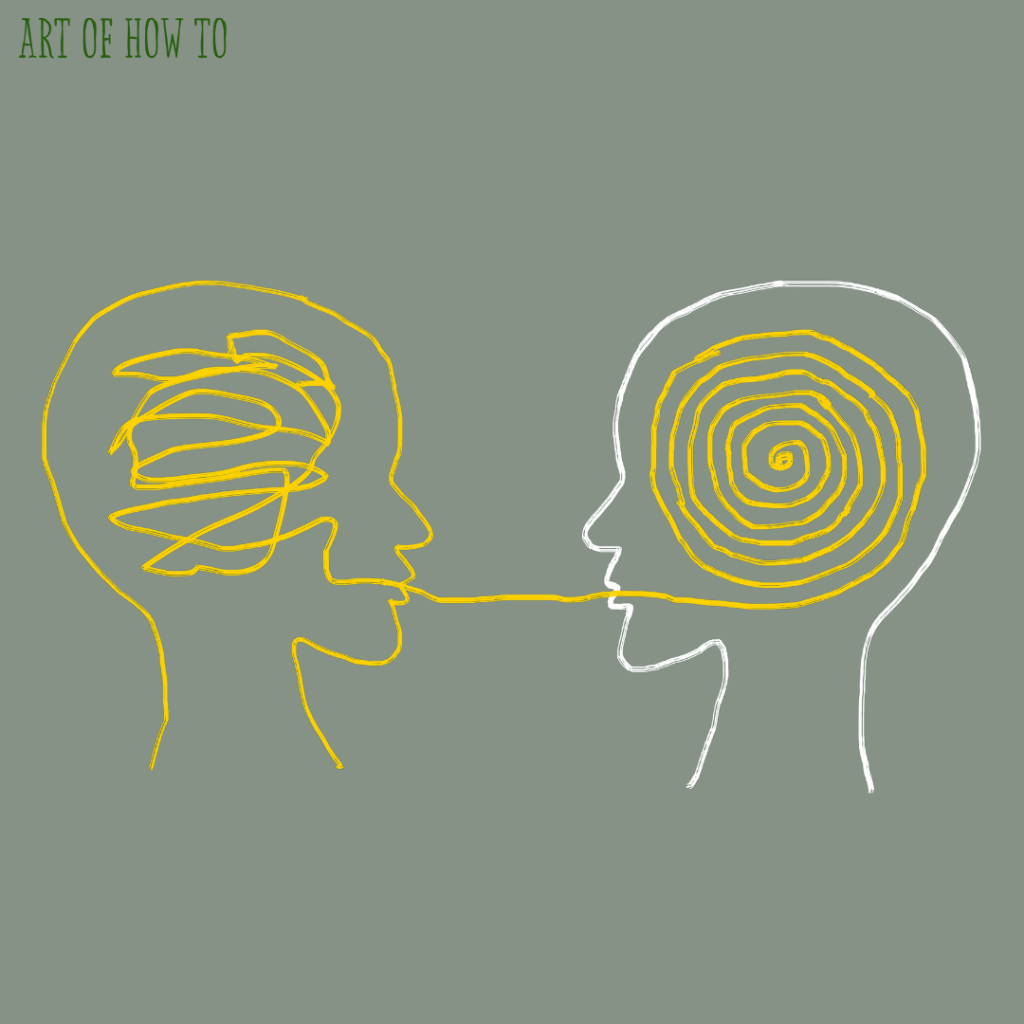
How many times has it happened that when you spoke on mental health or shared your problems with your friends, family, peers, or colleagues, you felt invalidated and rejected? Did they feel the same way? When you spoke about being low or depressed, how did your loved ones or others around you react to it? 

Did they tell you the following – 

“It is okay. This too shall pass”? 

“Deal with it and move on.” 

“It is normal. It happens. Don’t take it too seriously.” 

“It is all in the mind. Could you not listen to it? It is confusing you.”

“You are alright. Keep telling yourself you are fine.”

Try counting the number of times your friends spoke about them silently suffering from depression, insomnia, or unhealed psychological wounds – they feared being judged if they talked to a counselor, psychologist, psychiatrist, or a therapist. 

It is high time we normalized the importance of being healthy emotionally and mentally. Let us not wish away any mental ailments and disorders. They must be treated with as much care as physiological conditions and illnesses. Going to a therapist, psychotherapist, psychologist, or psychiatrist must be accepted as going to a general physician. Mental health is often associated with disorders and syndromes only. But it goes beyond all these. There are many more. 

10 Reasons Why talk On Mental Health

Talking about mental health is crucial for several reasons. Here are ten important reasons why we need to address mental health openly and honestly:

1. Destigmatizing mental illness

Open conversations help break the stigma surrounding mental health conditions. When we talk openly, it normalizes the experiences of those dealing with mental health issues. Everyone’s journey is different – some have a happy life, some suffer traumas, and some are frustrated because of a lack of purpose and goal. 

2. Raising awareness

Social media, public platforms, TEDx talks, television, and web series increasingly focus on spreading mental health awareness through shows and movies. Social media influencers are creating reels on Instagram, openly discussing their life experiences and the importance of therapy.


3. Encouraging help 

Many of us have issues seeking help since we are conditioned to “straighten our crowns” on our own. Many families discourage their children from discussing problems by invalidating them or making them look small. But when things spiral out of proportion, the suffering children or the said adults are labeled as “gone cases” or “stressed individuals.” If mental health is openly discussed, individuals are more likely to search for help when they need it, leading to timely interventions and better outcomes. Radio stations in the country have become a haven for people to air their views or vent anonymously. They have shows aired for the same.

4. Promoting understanding

Open conversations promote understanding among family, friends, and communities. Understanding mental health fosters empathy and support for individuals dealing with mental health challenges.
5. Preventing suicide

Suicide helplines and various mental health organizations – government and private are helping individuals fight depression and extreme suicidal thoughts. These are available 24/7 for anyone who wants to talk to someone anonymously. Many suicides have been prevented by certified counselors, psychologists, and psychiatrists just through conversations with the suffering individuals. Talking openly about mental health can help identify signs of suicidal thoughts or behaviours, allowing for timely intervention and support.

6. Improving relationships 

Families that share a healthy and transparent atmosphere at home ensure a healthy generation to thrive. Children in such families benefit a lot from open communication about mental health without fearing judgment. This leads to stronger bonds and better support systems.

7. Reducing discrimination 

Talking openly about mental health can reduce judgemental tendencies among people to judge others and help fight prejudice faced by people with mental health conditions. This will enable them to lead more fulfilling lives minus the baggage created by society. The words “therapist,” “psychologist,” and “psychiatrist” will not be spoken in hushed tones.

8. Enhancing overall health

If you are emotionally and mentally in good health, then physically, there will be no issues as well. Talking about your inner wounds, hurt, and disappointments will help.


9. Boosting productivity 

Mental health problems can affect productivity at work or school. Addressing mental health openly can lead to supportive environments, which, in turn, can enhance productivity and creativity.

10. Advocating for policies & resources 

Countries are now opening doors for healthy discussions on serving better mental health services and policies. When more people talk about mental health, it becomes a societal priority, leading to improved resources and support systems.

——

Priya is a quirky writer/photographer/closet poet, and singer who has traversed a non-conventional path. As a former entertainment journalist who has worked in print and online media for a decade, Priya loves talking to people and writing their unspoken stories. She is the single parent of an 8.5-year-old son settled in Tamil Nadu and a freelance Content Consultant. Priya is also an informal mentor to parents in her local parenting network. She dreams of being an author and maybe a scriptwriter someday!

Follow Priya Rajendran

Laugh Out Loud

It is so much fun to share a good laugh with your friends and family and, sometimes, just with yourself! Besides being fun and engaging, did you know that laughter is one of the essential parts of your life? It is vital to relieve you from any mental stress and crucial for your physical health and overall well-being. Laughing out loud can help you boost your immune system, strengthening you physically. Talking about laughter and how it enables you to maintain a healthy lifestyle also increases your mood and makes you emotionally intense. It is known as a powerful antidote for conflict and pain, easing mental pressure off you.

Laughing and having many health benefits also aids in developing a more positive personality. You can draw people towards you positively by being a joyful person. You can heal people and yourself with a peal of good laughter! The act lightens your burdens and mood, enlightens you deeper, inspires hope, keeps you more focused, and helps you forgive and forget easily.

Haha! The best part is that this beautiful medicine is free and easy to use! With abundant power to renew and heal, laughter mightily enhance your relationship with people and yourself! Laughter also helps defuse conflicts, strengthen teamwork, and promote group bonding, essential for social life. It is no joke that you can relieve your stress from laughter. Some giggles and guffaws are all you need to do you some good!

As cliché as ‘laughter is the best medicine’ sounds, it sure is a fact! Laughing releases feel-good endorphins in your body, keeping you happy! Happy you are the best version of yourself! Also, laughing out loud helps you burn calories – now you know what to add to your weight loss routine!

Depression is something people fight today. With immense work and lifestyle stress and pressure, depression has crept into the lives of many. Laughing and practicing to be happy consciously directly affects how you fight depression. It may not be easy, but it is worth giving a try.

Watching a happy, feel-good movie or a comedy show can help. Reading funny stories or lavishly joking with friends could help. Whatever enables you to laugh works best! How you would like to receive this joyous experience is up to you. Laughing is a natural reaction to feeling and being happy. It is a powerful and intense expression that is often contagious. Laughing does good for your physical and mental health and creates a positive energy and aura around you. You will unintentionally touch the lives of others by being a vibrant person yourself.

According to Norwegian research, people with a good sense of humour outlive others who don’t laugh nearly as much – laughter can prolong your life! Sounds interesting. Especially for patients with chronic diseases, the results of laughing out loud were startling! Laughing is an expression God has instilled in each one. You don’t need a reason to laugh. You may have laughed your lungs out for no significant reason as a kid. As you grow up and life hits you hard, humor, laughter, and finding joy in little things all vanish. As an adult, you are often drowned in your daily routine and the stresses of work and so on. It is not as usual you get to share a good laugh with someone. It is alright. You are not alone. However, it is essential to take some time off those stresses and laugh your heart out. It can drastically change the way you perceive things! You will become more open to newness and will be able to welcome challenges and be more optimistic. You will focus better and perform better. You will be able to weigh what is important and what is not.

You will find a way when it is difficult to do so. Being happy and finding joy in the little things in life completes you as a person. Being content is one of the most significant gifts you can give yourself. Being joyful and happy is priceless. Your hustle and success are only worth a dime if you are content and comfortable at the end of the day!

Laugh out loud because you deserve it. Laugh out loud because you can! Laugh out loud because it is the right way to live. Laugh out loud because you can inspire many more to do so. Laugh out loud because you are born to live and live happily!

——

Aakanksha Dinah, a passionate writer, orator, communicator focused on establishing a Training institution centered on creativity and innovation. Aakanksha is a true believer in loving the work we do and strongly believes in smart-work, the reason why creativity works better for her. Aakanksha is enormously focused on making a career in professional writing and publishing. She loves writing poems, self-help articles, and essays. An enthusiast when it comes to learning languages and in short, Aakanksha is a wanderer, an explorer, a mom, a dog-mom, a poet, a cook, a writer, and an influencer.

Follow Aakanksha Dinah

Grief A Lonely Road

August has always been so fulfilling and joyous for me because, to each person, their birth month is particular. By the end of July, my excitement would soar about turning a year older and anticipating all the celebrations that would take me through the day. That was until I turned twenty-five. Then, it dawned upon me that childhood and its naiveness must peel out its layers. For the last five years, I have barely felt any excitement about my birthday, at least not on that day. And then, precisely two years ago, I spent nearly 20 days of my supposedly favourite month in the hospital ICU tending to my ailing father.

With a strong memory of each day I spent walking through that door, even at non-visitor hours, August just started piercing more and more. I remember my birthday with the darkest thoughts coming over me, when I went with evening soup for him and the electricity went off. As the fire alarm beeped every three seconds, I felt trapped inside, already imagining the worst. Back then, my phone had beeped with yet another text, “Happy Birthday, have a great one,” that snapped me out of that dark hole. The lights were
back on 10 minutes later, but I still felt blinded by where my thoughts had led me.

My father had spoken two sentences to me that day. Of course, he did not remember it was my birthday after a brain hemorrhage, and I did not feel the need to remind him. He asked about the doctor’s visit before the heavy medication dozed him off. So, his last birthday wish was technically three years ago. August, which gave me some of my happiest memories of friendship day and birthday celebrations, also took my strength away.

This month, this year marks my father’s second death anniversary. These two years went by without seeing him, hearing his voice, receiving his texts, or fighting with him have whizzed past, but not without leaving me lonely for many days. It is interesting how grief has such a strong hold over you that it can really shake up the fond, happy memories of almost 30 years you shared to take place as a stinging replacement.

Grief doesn’t take time to settle in. It just arrives and stays with you. It almost becomes a part of your emotions; it sits behind on most days. But on days when you feel low, it comes forward to take you to a phase where you have been sadder. All it needs is a minute trigger of your negative mind space, and it instantly offers an unwanted company. The real struggle is now navigating your way out from your initial trigger and unlatching the grief alongside.

Things going bad at work, having a fight with your spouse, messing something up, and your grief starts convincing you – that this could have been avoided had the person you lost been alongside you. Your logical mind knows this is your mind playing with you, and you let it. You start missing them, the tears flow, and you wonder how they persuaded you today. This is especially true in the case of losing parents.

One thing I’ve learned with my ways of dealing with grief is that you won’t always have the support you thought you would. And on most days, it is YOUR battle. And alone.

The loss is personal, so you should find your shield to protect it from forbearing it on others. Because others may or may not have had their grief encounters yet, their convincing attempts with, “Whatever happened, happened for good,” “He was suffering, it was what he wanted to,” “Stop crying over it, he won’t like it” and so on feel so lackluster and sick.

It has been two years, and people expect things to improve for me. It can make the bearer feel they are falling behind because it has been ‘x’ number of ‘years.’ I know they are, but it is my road to progress, and you cannot measure it in the bulk of 365 days.

The absence of the person does not feel physical but emotional. The loneliness intensifies before it starts lessening. Your grief has got you on a new terrain, and you must walk the path back, leaving the suffering aside and retaking the lonely road. This differs from the road you have been on; it comes with ridges, downward slopes, and upward trails. This is no less than a trek of emotions.

August – I remember most days that were spent speaking to doctors, running around for test results, seeking second/third opinions, having hard conversations with other family members, and the exhaustion of being the first bearer of the eventual bad news to come. I also remember wearing party hats, dressing special, cutting cakes, smiling through pictures, and leaning to seek my parents’ blessings, only to be held by my father midway and hugged.

He would say, “My blessings are always with you.” This rings true as he now blesses me from his abode above. Grief will make you walk this lonely road because you are supposed to be here alone. Only you can take your road to recovery back.

——

Writer by day, an overthinker by night. I let my thoughts flow through my writing. As a definite misfit, I let my words speak louder than my actions. Welcome to my journey of sailing through emotions and experiences, with words as my paddles.

Follow Riddhi Jadhav

Cleaning My Kitchen or Decluttering My Mind

By the end of this read, some women may starkly disagree, and others may think I am borderline obsessed. However, I hope a significant section relates!

As women, we fight the norm every day (at least in our minds) that we don’t solely belong to the kitchen, and yet when your husband tries to help and keeps a utensil where it shouldn’t be, it irks us.

Some of us probably make a face, and others like me try to hide it because it risks that he may not even help me then. The whole point is once we get used to orderly maintenance of our kitchen space, it becomes akin to a sacred space that is supposed to be the way it is.

Wake me up, and I will know where I have kept the noodles, from where to refill the salt. Instead of my food items and kitchen essentials, I have set things in a specific order I remember.

So the following day, even half asleep, I don’t put salt instead of sugar in the tea.

As everything stays set, gradually, the dust starts settling in too. The windows I have kept open for a fresh whiff of air also bring along these thousands of tiny speckles that layer up against my containers. I SEE THE DUST SETTLE IN when I pick one up to take out the lentils. My laziness. overpowers my dormant urge to take a cloth and wipe it. I tell myself I will do it on my day off –mostly likely the weekend, which I dedicate to my dusty racks and container lids.

While that is my weekly chore, I have a daily ritual (for lack of a better word) to clean my kitchen top and marble slab every night. When my mother used to clean our kitchen slab, I filled the mug of water from the sink and handed it to her. She scrubbed off the stains and did it very late in the night because we did not have a fan in the kitchen back then, so the burner needed to be dried all night to be used the next day. I was not fond of this activity because I refused to understand what she enjoyed so much about it that she took so long to clean it. And look at me, years later, penning down a whole article on it!

Today, no matter how close my kitchen towel is, I instinctively clutch on my top/pants first and then wipe them off clean on the towel. Do you too?

Cleaning my steel gas burner, scrubbing off every stain off it and the tiles behind, using the citrusy soap to make sure it doesn’t smell, I apply most of my energy to make it spic and span. Or should I say reenergize? I could be tired at the end of the day, but cleaning out these stains makes me feel better. It serves as a conclusion that this day in the kitchen has ended. The next morning, when I make the first tea, I feel refreshed. On days there are no stains, I just
wipe it with a wet cloth.

I get into such detail about my kitchen cleaning routine because of how it makes me feel. I reclaim this space; I erase the chapter of food cooked today and, at the back of my mind, already prepared for what I will be cooking tomorrow. Although it is the end of the day, it does feel like a headstart to the next.

It does feel like decluttering my thoughts. I take this time to myself, sometimes even performing a little jig between the sink and the slab. I calculate my productivity for the day and wonder what has been my cause of botheration today. It makes me feel lighter. The final swipe of the mop that takes out all the dirty water, that part feels like closure.

At this point, I may sound obsessed about the cleaning technique, but if you think about it, it does give you a sense of control over having done things your way. At least acing it at cleaning, even if you have forgotten to put salt in your dish.

Woman, you may not belong to the kitchen, but don’t you like to have it your way?

——

Writer by day, an overthinker by night. I let my thoughts flow through my writing. As a definite misfit, I let my words speak louder than my actions. Welcome to my journey of sailing through emotions and experiences, with words as my paddles.

Follow Riddhi Jadhav

Crafting Life After A Break-Up

Much like an ever-evolving canvas, life can be beautiful and challenging. One of the most daunting challenges we may encounter on this journey is the painful experience of a break-up. It’s a universal truth that heartbreak is an inevitable part of life, but how we frame and navigate our lives after a break-up can significantly impact our growth and happiness. In this blog post, we will explore the art of crafting life after a break-up, discovering how to turn this emotional turmoil into an opportunity for personal transformation and rediscovery.

1. Acknowledge the Pain

The first step in framing life after a break-up is to acknowledge the pain and heartache. Allow yourself to feel the emotions that are valid and essential to the healing process. Cry, vent, or seek support from friends and family. Embrace vulnerability, as it is through acknowledging our emotions, that we can start healing and rebuilding.

2. Reflect and Learn

Amidst the pain, reflect on the relationship and the breakup. Understand that every relationship serves a purpose, and despite the ending, there were valuable lessons to be learned. Reflect on your growth and how the relationship has shaped you. Learning from past experiences can help us make better choices in the future.

3. Rediscover Yourself

After a break-up, losing sight of our individuality amid shared experiences is easy. Now is the perfect time to rediscover yourself. Engage in activities that bring you joy, pursue hobbies, and spend time with friends who uplift you. Embrace your passions and interests, allowing them to guide you towards a stronger sense of self.

4. Practice Self-Compassion

During this healing process, be kind to yourself. Practice self-compassion and avoid self-criticism. Understand that healing takes time, and there is no “right” way to recover. Treat yourself with the same love and care you would offer a friend going through a difficult time.

5. Letting Go of Bitterness

Resentment and bitterness can keep us emotionally tied to the past. To frame a brighter future, letting go of these negative emotions is essential. Forgiving doesn’t mean condoning past hurt, but it does free us from carrying the burden of anger. As the saying goes, “Holding onto anger is like drinking poison and expecting the other person to die.”

6. Focus on Personal Growth

Embrace this period as an opportunity for personal growth and self-improvement. Set new goals, explore different experiences, and challenge yourself. Whether pursuing further education, traveling, or adopting a healthier lifestyle, focusing on your growth will bring a renewed sense of purpose.

7. Surround Yourself with Positivity

Surround yourself with positive influences, whether supportive friends, family, or motivational literature. Negativity can hinder the healing process, so aim to build an uplifting support system that encourages your journey of self-discovery.

Framing life after a break-up is an art that requires patience, self-compassion, and a willingness to embrace change. It’s essential to remember that healing is not linear; there will be ups and downs, good and bad days. But just like an artist creates a masterpiece from a blank canvas, we have the power to create a fulfilling and beautiful life after a break-up. By acknowledging our emotions, learning from the past, rediscovering ourselves, practicing self-compassion, and focusing on personal growth, we can emerge stronger, wiser, and more resilient than ever. Embrace the process and trust that your canvas of life will evolve into something truly remarkable.

——

Chippy is a dreamer and optimist. She believes, we become what we hope, aspire, dream to be and knows how to make a dream or two happen. Seventeen years of experience, struggling, winning, failing, succeeding and failing again and making it, she knows what it takes to build a successful project, a business, and what it means by starting from the bottom up. It takes determination, dedication, and direction and that’s why her mission is to ‘step up & inspire.

Follow Art Of How To
Facebook
Instagram
Twitter
LinkedIn

Revisiting Places And Grieving Through Memories

Every one of us has one dear memory of our favorite summer vacations. For some, it’s the beach; for some, within the mountains; for others, it’s just running around in the courtyard of their humble native homes. Summer vacations are the first trips we take with our family, with no worries about itineraries because they have mapped the routes, distances, accommodations, and everything. You craft memories, you have captured some on a film camera, you look them up once in a while and relive the good old days. But, then, years pass; you all grow up, you lose some family members, and things are not the same again.

My favorite summer days have been spent exploring the beaches in our native town with my late father. The connections he made with the locals here over the years transformed into thicker-than-blood relatives. From special course meals to trips into the sea, we enjoyed the ‘privileges’ of his ability to form such special bonds. We don’t own a native home, but we have people here who make us feel we are home. He almost had a distant family here, which took care of his ailments when he visited solo. Unfortunately, the conditions eventually got the better of him, and he left on his journey.

This May, I took a trip with my family to the same place, knowing that it won’t be easy for us, especially for my mother and me. We have spent some of the best moments here, and knowing that we won’t get to relive it again creates a more bottomless void than we already experience.
But our healing journey needs such prickly moments to make you realize what you had and that you will always hold it dear to you. My mother and I sat by the beach every evening, saying not many words but only narrating to one another the little moments we remember spending here with my father. He was an ardent beach lover who spent hours along the coast. On his last few visits, he would only express sitting by the seaside bench to hear the waves because his vision diminished. In his process to prepare us, he had told my mother, “Let my ashes free into the closest ocean, and I know I will reach where I belong.”

We couldn’t visit here since the pandemic, but when we walked into the same hotel last month, the owners expressed they don’t feel he is gone. Instead, they say he might come and stay with them again. I don’t even have the exact words, but it felt like a reassurance that he is just around somewhere. We ensured we met or at least spoke to all the relations he had formed among the locals, and everyone was happy to see us back. My mother couldn’t stop recalling how they would spend their days here. While I feared she would spiral into the pit of his memories, I realized it gives her happiness to remember him fondly and brings a smile.

Grieving takes different forms, and reminiscing the memories is one of the most common ways. While you may delve into it, you must also hold on to them as your anchor to move forward. If you have lost someone close to you, visit the places you have been with them. It will be challenging but eventually comfort you like an invisible hug. Like how this ocean did to me. You cannot recreate the same memories again, but now you appreciate them as your best time ever.

You can never bring back the dead, but you can always live the way they taught you. My father told me never to be scared of the ocean, to hold my ground with my toes tucked deep into the sand, to fall, rise, and face the water with a smile. But, what he also permeated was a lesson for life.

Grieving gets tougher on some days and simpler on others. On some days, it is both. You cannot even choose a side to it. You must remember that healing is not your journey alone but of those who are just as immediately close to the departed member. Someone has lost their son, someone their husband, someone their father, and someone their best friend. Heal with them, and hold their hand when you visit the places that bring back their memories. It is a rugged closure but refreshing to see them alive in your memories.

——

Writer by day, an overthinker by night. I let my thoughts flow through my writing. As a definite misfit, I let my words speak louder than my actions. Welcome to my journey of sailing through emotions and experiences, with words as my paddles.

Follow Riddhi Jadhav

Finding Zen In The Kitchen 


“I love cooking. It gives me a lot of peace.” 
“Cooking is therapy, and I feel good about it.” 
“Cooking gives me goals to do, things to think about. The process of cooking helps re-center me, diverting me from all negative thoughts.”
“Cooking is meditation.”

If you resonate with the above, you are a mindful cooking practitioner. In other words, when cooking, you only concentrate on the food, the pots and pans, and the kitchen. The kitchen is your sanctum sanctorum for making food, and you experience peace there. I know many friends who tell them that cooking helps them de-stress. It allows them to take time out for themselves. 

It is one space where they can be themselves. Of course, the condition being no one is around to disrupt their thoughts, and the place is not chaotic. To truly experience the aromas and flavours of every dish, one must be there whole and soul! Your mind must be in that place rather than elsewhere. They say you need not be a skillful or a good cook but a mindful cook. When you begin cooking, you know precisely what you put in the dish. 

1. Start grounding yourself

There is no better way to begin the day than going for a nature walk, letting the first rays of the sun fall on your face, walking on bare grass and earth, and spending time in the water. Grounding is the best way to absorb nature’s positive energies and nourish your food.

2. Practice Gratitude

Taking a moment before beginning cooking is a great way to bring in mindfulness during cooking. In addition, you can thank the Universe for giving you all the ingredients to cook and appreciating the nutrition you are receiving from the food grown. 

3. Set the intent  

What is intent? It is a purpose or goal that you set before beginning any task. The same goes for cooking. What do you want to prepare today? Is it something that you would like to eat? Is it for someone in your family? Either way, the intent must be positive in anything you cook – something that makes everyone happy, including yourself. For instance, you can say, “I want to prepare a nourishing, delicious meal for my family.” You can make similar statements or affirmations and display them in your head before beginning to cook.

4. Being in the present 

As you cook, feel the warmth in the kitchen, breathe in the aromas and flavours, and feel the taste of the texture of the food on the tastebuds. If you think of all these, you are entirely into cooking.  

5. Shut off external distractions

There were no gadgets in earlier times, so one leisurely did cooking. We knew what we were cooking and what we ate as well. Cooking minus any external distractions (of course, there can be emergency calls, but avoid social media distractions) is the best way to practice mindful cooking.

6. Make it a sensory experience

Using all your senses – sight, smell, taste, touch, and sound – helps immensely in mindful cooking. For instance, noticing the colour of the vegetables, feeling the texture of the grains before and during cooking, tasting the gravy after you add salt and spices, and finally listening to the sizzling pan or the spluttering of seeds in the hot oil before you do the garnish, and smelling in all the spices, will engage all your senses effectively during cooking. Old timers vouch that they could make food without tasting it.

7. Pen down recipes

You may say that you are looking at a YouTube channel for recipes, but most of the time (be honest!), you spend more time before the screen, browsing other videos. Once you select the recipe you like, you can copy the recipe/write it down in a diary first (old-fashioned pen and paper!) before entering the kitchen. You could even pick the ingredients out while watching the video. Then, when you begin the process of cooking, you can have the diary around with you. It was an excellent old-fashioned method used in the days of zero digital devices by our grandmothers and great-grandmothers. They often remembered recipes verbatim thanks to this habit. So that rules out your need for a gadget for cooking.

8. Slow cooking

Stirring a gravy, kneading the dough, boiling rice, making a salad, chopping vegetables, and setting the table are all a part of slow cooking. It sounds impractical to do slow cooking when you are running against time to complete your deadline. But the solution may be to keep some time off for cooking alone. In your limited time, consciously keep away all kinds of distractions. That is why many love slow cooking on an open fire as well. No wonder our parents always insisted on waking up at dawn!

“Cooking is not just about the food. It’s about the intention, the love, and the energy we infuse into every dish.” 

How accurate is this statement? Think about how many days you have practiced mindful cooking. If you still need to and are caught up in the daily, monotonous routine, it is time to reset and start all over. If food nourishes the body, soulfully made food enhances both mind and body! 

——

Priya is a quirky writer/photographer/closet poet, and singer who has traversed a non-conventional path. As a former entertainment journalist who has worked in print and online media for a decade, Priya loves talking to people and writing their unspoken stories. She is the single parent of an 8.5-year-old son settled in Tamil Nadu and a freelance Content Consultant. Priya is also an informal mentor to parents in her local parenting network. She dreams of being an author and maybe a scriptwriter someday!

Follow Priya Rajendran

Sitting The New Smoking

The expression “sitting is the new smoking” has become popular recently. Studies have shown that prolonged sitting can have adverse health effects like smoking. While smoking and sitting are different activities, both can severely impact your health.

Sitting long periods has been linked to many health problems, including heart disease, obesity, type 2 diabetes, high blood pressure, and cancer. In addition, studies have found that sitting for long periods can lead to poor circulation, causing blood clots and increasing the risk of deep vein thrombosis (DVT).

Conversely, smoking is a well-known health hazard that can cause cancer, lung disease, heart disease, stroke, and other health problems. While the risks of smoking are much more severe than sitting, both activities can lead to various health problems, and both are preventable with lifestyle changes.

Sitting for a prolonged span can be dangerous, leading to various health issues. For example, when you sit for an extended period, your body burns fewer calories, leading to weight increase, obesity, and related fitness problems such as heart condition, increased blood pressure, diabetes, and cancer.

Sitting for long periods can also cause poor circulation, directing to blood clots in the legs or deep vein thrombosis (DVT), which can be life-threatening. Sitting for too long can also lead to poor posture, back pain, and neck pain.

While sitting for a long time is not as harmful as smoking, studies have shown that prolonged sitting can have adverse health effects, especially if it’s a regular habit. So it’s essential to get up and regularly move, even if it’s just for a few minutes every hour.

To minimize the adverse health effects of sitting, taking frequent breaks is recommended to stand up, stretch, and move around throughout the day. It’s also a good idea to incorporate regular exercise into your routine, such as walking, jogging, or biking, to maintain a healthy weight and reduce the risk of related health problems.

Sitting for lengthy periods can be detrimental to your health. Here are some probable threats associated with prolonged sitting

  1. Increased risk of obesity Sitting for long periods can slow your metabolism and lead to weight gain, increasing your risk of obesity.
  2. Increased risk of heart disease Prolonged sitting can increase blood pressure and cholesterol levels, increasing your risk of heart disease.
  3. Increased risk of diabetes Sitting for extended periods can lead to insulin resistance, increasing your risk of developing diabetes.
  4. Increased risk of back pain Sitting for prolonged periods can put pressure on your lower back and lead to back pain.
  5. Increased risk of muscle atrophy Sitting for long periods can cause your muscles to weaken and waste away over time.
  6. Increased risk of cancer Studies has shown that prolonged sitting can increase your risk of certain types of cancer, such as colon, breast, and endometrial cancer.
  7. Increased risk of depression and anxiety Sitting for long periods can negatively affect your mental health, leading to increased feelings of depression and anxiety.

To mitigate these risks, it’s essential to take breaks from sitting every hour or so, stand up and stretch, and move around for a few minutes. Regular exercise and maintaining a healthy diet can also help reduce the adverse effects of prolonged sitting.

“Sitting is the new smoking” is intended to raise awareness of the health risks of a sedentary lifestyle and encourage people to reduce the time spent sitting each day. This may include standing up and walking around more frequently, using a standing desk, or incorporating more physical activity into your daily routine.

——

Chippy is a dreamer and optimist. She believes, we become what we hope, aspire, dream to be and knows how to make a dream or two happen. Seventeen years of experience, struggling, winning, failing, succeeding and failing again and making it, she knows what it takes to build a successful project, a business, and what it means by starting from the bottom up. It takes determination, dedication, and direction and that’s why her mission is to ‘step up & inspire.

Follow Art Of How To
Facebook
Instagram
Twitter
LinkedIn

Human Or Pets Grieve The Loss


I started understanding grief and realised the different stages of grieving after losing someone from my immediate family. But that did not mean I had not grieved before.

Growing up as a pet-owning family, we raised over eight dogs. The death of every pet we had over the years made me feel lost and angry. I could understand it better because people around me did not seem so affected, and I had to keep up. When you lose a person, you find a lot of support from family and friends, but if you lose a pet, people, unfortunately, do not know what it is. They even quip, So what? It was going to die someday! It was very matter-of-factly presented to me that pets do not live forever and have a shorter life span than humans.

I recall losing my first dog when I was a 14-year-old. I cried. But a few days later, it was my then-best friend’s birthday, so I even forgot about my grief. As another dog entered my life, my love for it grew stronger and stronger. I did not realise that someday I would bid goodbye to this one too. And I did. The cycle continued with six more pets, and I somehow overcame it. Some days, I would cry to bed, looking at their old photos and wishing how tall they had grown today. But I knew that as my parents grew older, I would not have been able to take care of everything with work all by myself.

It was until my last dog, who lived her whole life of 13 years with us, chose to depart at the same time that my father was admitted for the final time to the hospital. Our hopes were vanishing, and her death felt like she was preparing us for what was coming next. Coming to
terms with her did not feel right because she managed to take her Master (my father) precisely a week later.

The loss of a pet is so undermined that grieving for it feels weird. Since not every second person is a pet owner, they do not understand the attachment you share with a non-human. About a decade ago, having pets meant privilege in some families. Not everybody was comfortable with the idea that a dog is your family. Thankfully, that has changed for good. So when a pet passed away, the kind of treatment meted out was like, Sorry for your loss; it will happen someday.

In such situations, acceptance comes naturally, even if you want to resist it. However, the lows post losing a pet are more profound and longer because few people understand your feelings. If someone cannot relate to your situation, they cannot console you. The loss of a pet is thus more of a lone battle. You miss their presence around. You look at their chewy toy and wonder if you throw it, will they somehow come back to fetch it? You want to hear their sound but need help to. When I was growing up, I did not have a lot of photos of my pets to look back at. Phones with cameras did not exist.

Thankfully, in current times, you will have many memories occupying the space on your smartphones. You can always look back on them. You have funny videos of their tactics and some doing nothing at all. It all sparks such joy until you realise it is only what you have left of them.

Grieving a pet is very similar to grieving a person. The stages and the feelings do not discriminate if it is an animal or a human. There is nothing to be ashamed of it. But, unfortunately, today, not all relationships can help you develop that sense of trust, comfort, and loyalty you can experience with a pet.

There is enough research to prove how pets help people’s mental well-being by keeping them in a comfortable, upbeat mood. So when you do not have them around anymore, it is bound to trigger intense reactions of sadness.

One thing that can help you move forward is keeping people from telling you how to feel about it. It was just a cat/dog. You can get a new one is the most dismissive approach that can come your way. We are now a society that is more accepting of pets as family members and have thus progressed to sharing the loss with comfort.

Today, I do not own a pet, but I still have a particular attachment to pets on social media. So I watch these dog and cat videos whenever I force myself to smile.

Back of my mind, what if I see a sombre post from their owner about their demise? I am going to cry again, too, probably. But this time, I will be reminded of grief and why it is valid to feel it – for a human or a four-legged creature. To all my beloved pets I have lost over the years – we have a sticker over the kitchen wall and named the birds after my dogs. It again may sound silly to many, but you know what? It gives me a little comfort to have it around.

——

Writer by day, an overthinker by night. I let my thoughts flow through my writing. As a definite misfit, I let my words speak louder than my actions. Welcome to my journey of sailing through emotions and experiences, with words as my paddles.

Follow Riddhi Jadhav

Accepting Greys

On Head and In Life

I went shopping for a handbag the other day in an all-in-one store, and while I passed the cosmetic section, the lady said, “Ma’am, any makeup?” I nodded a No (not the Indian nod, the proper nod for a No), and as I walked ahead, she quipped, “Ma’am, any mehndi-based natural colour for your hair?” I didn’t feel the need to acknowledge her and walked straight ahead to the bags section. I wish I could have retorted, “No, I love how it is!”

Growing up as girls, we tend to look in the mirror far more often, every time conscious of our looks, at least a bit, if not wholly. So when the first strand of grey hair appears, we silently curse or instinctively pluck it. But then the not-so-golden words of a distant aunt start ringing in, “The more you pluck your grey hair, the more will appear.” And guess what? They do!

No one discusses the problematic narrative of how ladies at the parlour give unsolicited advice about one’s skin and hair. Why can’t you do my eyebrows and let me go instead of going on and on about my blackhead and tanned skin? Please don’t try to sell me your organic facial and natural hair serums. I am right now just trying to keep my eyebrows in one consistent shape.

Unasked opinions often fuel our biggest insecurities about body image, skin tan, and thinning hair. Body positivity and changing beauty standards are active conversations on social media, but they do not reach the grass root levels of what begins them. Being kind customers, we politely ignore the comments from the parlour lady. We do not try explaining to them that these statements could play along in the mind when you have walked past the door. You return home and look in the mirror, closely observing your blackheads, wondering if you should have just finished the facial. You should have booked an appointment for a mehndi application too.

Grey hair has been stigmatised, especially in our country, as you’re becoming old! However, it’s another reason for stress if you are in your mid-20s and have grey hair. “You are not even 40. What tension do you have?” the questions come in every time you meet someone who can see your prominent greys.

The core of this problem is the sheer negligence of understanding that lifestyles have changed, hormones are acting up, and hair turning grey is entirely natural and based on one’s genetic makeup! No amount of applying dyes and root touch-ups could alter that.

Today, I have a lot of grey hair, but I, too, had my share of insecurities with them, trying to hide them under the crown, changing my partition, and so on. As a result, I coloured them just once, a couple of years ago, when I was to be a bride. But I am happy to report that a few pictures from my wedding still show my grey hair, but my smile is the brightest.


Even today, when I visit the local parlour, the lady asks me, “Don’t you do anything to your hair?” I quip, “Because I learned that acceptance is cheaper than repeated hair treatments.” But I am lucky enough to have a hairdresser who, on my first visit, told me, your greys and hair texture are beautiful. You should rock it! Along with busting a few myths about greying hair, I walked out of the salon with confidence that greys are fashionable. People out there pay to get their hair done grey, and I am transforming it for free.

When we learn our lessons through life, we know it cannot be painted in black and white alone. We all have moments of greys, where some good and not-so-good things coexist. If we try to compartmentalise everything into set structures, then how are we different from the archaic norms?

We all adapt to accept the grey moments in our life, so how about we become more accepting
towards grey hair too? This recent tweet I read about greying hair has stuck with me as a solace of acceptance:

It is ultimately the comfort of knowing that I am embracing the natural which empowers me every time I see a new grey on my head. If you are someone who has been hiding them for too long, it may be time to show off a bit. We have been behind makeup foundations and facials for a while. So let’s let our hair be loose and grey.

——

Writer by day, an overthinker by night. I let my thoughts flow through my writing. As a definite misfit, I let my words speak louder than my actions. Welcome to my journey of sailing through emotions and experiences, with words as my paddles.

Follow Riddhi Jadhav