Observed every year on the 10th of October, 2023’s official theme is “Mental Health is a Universal Human Right.” Established in 1948, the World Federation for Mental Health (WFMH) began with associates ‘not of individuals or countries, but of societies’ from 46 nations. Today, with members and contacts in over 90 countries, the organization chronicles the emergence of a global movement that has tirelessly championed the cause of mental health awareness, shattered stereotypes around mental disorders, and kindled a beacon of hope for individuals worldwide.
“The world was sick, and the ills from which it was suffering were mainly due to the perversion of man, his inability to live at peace with himself,” said George Brock Chisholm, the first Director-General of the World Health Organization (WHO), whom also suggested that the World Federation of Mental Health (WFMH) be devised. George Brock Chisholm, a Canadian psychiatrist, envisaged the WFMH as a global, non-governmental body to provide a link to grassroots mental health organizations and United Nations agencies. A radical thinker, Chisholm’s view that “health is a state of complete physical, mental and social well-being and not merely the absence of disease or infirmity” gave an early direction to the WHO and the WFMH.
As the theme states, a “universal human right” is the right of every individual to seek help from mental health professionals when required. Most mental health illnesses increase in proportion or multiply when kept within oneself. It is considered more dangerous than physical ailments. A majority across the globe die from undetected mental disorders vis a vis physical ailment.
How many times has it happened that when you spoke on mental health or shared your problems with your friends, family, peers, or colleagues, you felt invalidated and rejected? Did they feel the same way? When you spoke about being low or depressed, how did your loved ones or others around you react to it?
Did they tell you the following –
“It is okay. This too shall pass”?
“Deal with it and move on.”
“It is normal. It happens. Don’t take it too seriously.”
“It is all in the mind. Could you not listen to it? It is confusing you.”
“You are alright. Keep telling yourself you are fine.”
Try counting the number of times your friends spoke about them silently suffering from depression, insomnia, or unhealed psychological wounds – they feared being judged if they talked to a counselor, psychologist, psychiatrist, or a therapist.
It is high time we normalized the importance of being healthy emotionally and mentally. Let us not wish away any mental ailments and disorders. They must be treated with as much care as physiological conditions and illnesses. Going to a therapist, psychotherapist, psychologist, or psychiatrist must be accepted as going to a general physician. Mental health is often associated with disorders and syndromes only. But it goes beyond all these. There are many more.
10 Reasons Why talk On Mental Health
Talking about mental health is crucial for several reasons. Here are ten important reasons why we need to address mental health openly and honestly:
1. Destigmatizing mental illness
Open conversations help break the stigma surrounding mental health conditions. When we talk openly, it normalizes the experiences of those dealing with mental health issues. Everyone’s journey is different – some have a happy life, some suffer traumas, and some are frustrated because of a lack of purpose and goal.
2. Raising awareness
Social media, public platforms, TEDx talks, television, and web series increasingly focus on spreading mental health awareness through shows and movies. Social media influencers are creating reels on Instagram, openly discussing their life experiences and the importance of therapy.
3. Encouraging help
Many of us have issues seeking help since we are conditioned to “straighten our crowns” on our own. Many families discourage their children from discussing problems by invalidating them or making them look small. But when things spiral out of proportion, the suffering children or the said adults are labeled as “gone cases” or “stressed individuals.” If mental health is openly discussed, individuals are more likely to search for help when they need it, leading to timely interventions and better outcomes. Radio stations in the country have become a haven for people to air their views or vent anonymously. They have shows aired for the same.
4. Promoting understanding
Open conversations promote understanding among family, friends, and communities. Understanding mental health fosters empathy and support for individuals dealing with mental health challenges.
5. Preventing suicide
Suicide helplines and various mental health organizations – government and private are helping individuals fight depression and extreme suicidal thoughts. These are available 24/7 for anyone who wants to talk to someone anonymously. Many suicides have been prevented by certified counselors, psychologists, and psychiatrists just through conversations with the suffering individuals. Talking openly about mental health can help identify signs of suicidal thoughts or behaviours, allowing for timely intervention and support.
6. Improving relationships
Families that share a healthy and transparent atmosphere at home ensure a healthy generation to thrive. Children in such families benefit a lot from open communication about mental health without fearing judgment. This leads to stronger bonds and better support systems.
7. Reducing discrimination
Talking openly about mental health can reduce judgemental tendencies among people to judge others and help fight prejudice faced by people with mental health conditions. This will enable them to lead more fulfilling lives minus the baggage created by society. The words “therapist,” “psychologist,” and “psychiatrist” will not be spoken in hushed tones.
8. Enhancing overall health
If you are emotionally and mentally in good health, then physically, there will be no issues as well. Talking about your inner wounds, hurt, and disappointments will help.
9. Boosting productivity
Mental health problems can affect productivity at work or school. Addressing mental health openly can lead to supportive environments, which, in turn, can enhance productivity and creativity.
10. Advocating for policies & resources
Countries are now opening doors for healthy discussions on serving better mental health services and policies. When more people talk about mental health, it becomes a societal priority, leading to improved resources and support systems.
——
Priya is a quirky writer/photographer/closet poet, and singer who has traversed a non-conventional path. As a former entertainment journalist who has worked in print and online media for a decade, Priya loves talking to people and writing their unspoken stories. She is the single parent of an 8.5-year-old son settled in Tamil Nadu and a freelance Content Consultant. Priya is also an informal mentor to parents in her local parenting network. She dreams of being an author and maybe a scriptwriter someday!
All those who are parents or grandparents will be familiar with this. A room scattered with paper planes and other paper crafts, some sheets of paintings lying in the closet, and pieces of paper left after the cutting and pasting work. You walk into your child’s room and almost step onto some craftwork, or when you open their cupboard, a painting falls on your head (maybe just paper and not the canvas paintings, hopefully). You badly want to organize and keep it, but space constraints exist.
Most of them will be school projects and personal craftwork done by children. You do not even want to throw them because you or your child have worked hard at making those creations. Children feel sad and heartbroken if you mention that their artwork/craft needs to be thrown away because there is no more space left. Spaces are far more limited in small apartments and flats vis-a-vis independent houses. Also, if there is more than one child in the house, there will inevitably be a constant fight for space to keep their belongings.
So how do you cut the cake and eat it too?
Make a digital archive
Scan or photograph the artwork and create a digital archive. You can organize these digital files by date or theme on your computer. This way, you can easily access and enjoy their creations without taking up physical space.
Turn art into a calendar
Choose the best pieces of your kids’ art (drawings/paintings) and create a custom calendar for the upcoming year. Each month can feature a different piece of their artwork, adding a personal touch to your daily routine. Dates can be written, resembling a calendar.
Make collages
Create collages using smaller pieces of artwork and even paper crafts. Cut out exciting elements and arrange them in a visually pleasing way on a large canvas or poster board. This way, you can display multiple art pieces in one unified piece.
Transform art into personalized gifts
Children’s artwork can be used to create personalized gifts for family and friends. You can turn their art into custom greeting cards, wrapping paper, or even print it on mugs, tote bags, or puzzles to give as unique presents.
Design your art gallery wall
Choose a dedicated wall in your home to use your kids’ art and craft work in rotation. Use frames or create a dynamic gallery with removable adhesive hooks so you can easily change and update the display as they make new pieces.
Paper mâché sculptures
Use paper boats and planes as a base for paper mâché sculptures. Add newspaper strips soaked in glue and water to create new shapes and forms. Once dry, paint and decorate your sculptures.
Collage art
Cut paper boats and planes into various shapes and use them in collage art projects. Incorporate them into new artwork by arranging and gluing them onto canvases, cardboard, or wooden surfaces.
Unique gift tags
Transform paper planes and boats into gift tags. Cut out smaller sections of the paper crafts and punch a hole at the top. Attach a string or ribbon, and you have a charming and personalized gift tag.
Paper mosaic
A mosaic is a work of art or design brought to life by arranging small, colorful fragments of various materials, including paper, tiles, glass, and others. You can cut the paper boats and planes into small, uniform pieces and create a colorful paper mosaic. Arrange the pieces to form patterns, images, or even abstract designs. Glue them onto the surface to create visually appealing artwork.
Origami
If the paper boats and planes are still in relatively good condition, you can fold them into new origami creations. Turn paper boats into swans or frogs and fold paper planes into cranes or butterflies. There are many origami tutorials available online to guide you through the process.
Handmade greeting cards
Use paper boats and planes as decorative elements on homemade greeting cards. Cut, fold, or glue them onto cardstock or plain cards to create personalized and eco-friendly greetings.
Decorative mobile
Suspend paper boats and planes from a wooden or wire frame to create a decorative mobile. Hang it in a child’s room or any space needing a playful touch.
Papier-Mâché Pinata
If you have a paper boats and planes collection, you can repurpose them to make a papier-mâché pinata. Cover a balloon or mold with layers of paper using a flour-water mixture. Once dry, paint and decorate it, then fill it with candies or small toys for a fun party activity.
Upcycled jewellery
Cut interesting paper boats and plane sections into unique jewelry pieces. Seal them with clear nail polish or a waterproof sealant to protect them from wear and tear. These can be good gifts, too!
Remember to recycle any paper scraps or remnants you cannot repurpose into new creations to minimize waste. Recycling and upcycling can be a fun and creative way to extend the life of your paper boats and planes while reducing their environmental impact. The key is to strike a balance between preserving the sentimental value of the artwork and decluttering your space. You can also involve your kids in selecting their favorite pieces for these creative projects. This is another way of spending time with your children minus screen time.
So, let us inspire our children to recycle and reuse their art! After all, recycling artwork is not just a practice of repurposing materials. It is a celebration of creativity, sustainability, and the boundless potential of the human spirit. With each piece of art crafted from discarded materials, we breathe new life into the forgotten and elevate the ordinary into the extraordinary. It is a powerful reminder that the art world knows no boundaries and that even in our pursuit of beauty, we can be stewards of our planet. So, let us continue to explore the possibilities, challenge our imaginations, and embrace the art of recycling as a meaningful and impactful way to shape a more vibrant and sustainable world, one masterpiece at a time!
——
Priya is a quirky writer/photographer/closet poet, and singer who has traversed a non-conventional path. As a former entertainment journalist who has worked in print and online media for a decade, Priya loves talking to people and writing their unspoken stories. She is the single parent of an 8.5-year-old son settled in Tamil Nadu and a freelance Content Consultant. Priya is also an informal mentor to parents in her local parenting network. She dreams of being an author and maybe a scriptwriter someday!
From August, it marks the beginning of major Indian festivals and the wedding season – back-to-back celebrations, ceremonies, poojas, presents, festivals, and festivities. Bridal stores and markets are flooded with vibrant and colourful outfits with the snazziest designs. It is a time to go bling-bling!
Beginning with Independence Day, Raksha Bandhan, Krishna Janmashtami, Teej, Onam, and Ganesh Chaturthi in August, the next few months are dotted with fun-filled festivals!
Online retail is at its peak now, with most stores putting up sales and discounts for the festive season. You name it, and they have it! The garment demands are increasing, and no one is shying from buying more. It is not just buying to fill the wardrobe, mind you! It is a time for everyone to detox their wardrobe and refill it with fresh prints, patterns, and designs to suit all occasions.
Apart from readymade garment retail stores, many boutiques have sprung up online and offline. Open your Instagram and Facebook, and you will find the choicest outfit options. Not to mention, social media influencers are promoting various brands, including their labels too.
Clothes boost the mood and bring a different kind of hormone rush during retail therapy. It sets the tone for every occasion. Whether it is children, teens, young adults, or senior citizens, the market embraces one and all with its unique colours.
Tips To look stylish & comfortable For festivals
All Indian festivals are known for their vibrant and diverse traditions, including the beautiful outfits people wear for all rituals.
Mix & Match
Do not hesitate to mix and match different pieces from your wardrobe to create a unique outfit. Combine traditional elements like a kurta or blouse with modern bottoms or accessories.
Drape dupattas in style
If you are wearing a suit or lehenga, experiment with different ways to drape your dupatta. Try the classic over-the-shoulder drape, a front pallu style, or even wear it like a scarf for a contemporary twist.
Pair with statement jewelry
Pair your outfit with statement jewelry pieces like jhumkas (dangling earrings), maang tikka (forehead ornament), choker necklaces, statement rings or stacked bangles to add a touch of elegance and tradition.
Pre-stitched sarees
If you are not uncomfortable draping a traditional saree, opt for a pre-stitched or ready-to-wear saree. These are easy to put on and maintain the elegant look of a saree without the hassle.
Chic, comfy footwear
Indian festivals often involve a lot of walking and standing. Choose comfortable footwear like juttis, mojaris, or wedges that complement your outfit while providing comfort.
Layering
Consider layering your outfit with a stylish jacket, shrug, or cape if the weather is cooler. This not only adds a fashionable element but also keeps you warm.
Splash around with colours
Indian festivals are all about vibrant colours. Don’t shy away from experimenting with bold and contrasting color combinations to make your outfit stand out.
Hair n makeup
Your hairstyle and makeup can significantly enhance your festival look. Opt for traditional hairstyles like braids, buns, or open curls. For makeup, focus on accentuating your eyes and lips while keeping the rest of the look fresh and natural.
Comfortable fabric
Choose breathable and comfortable fabrics, especially if you spend a lot of time outdoors. Fabrics like cotton, silk, and lightweight chiffon are good options.
Belt it up
Adding a belt to your ethnic outfit can help define your waist and add a touch of modernity. It works particularly well with dresses, sarees, and lehengas.
Anarkali or long kurtas
Anarkali suits or long kurtas paired with leggings or palazzos are comfortable yet elegant choices. They offer freedom of movement and a regal look.
Saree with a twist
Try unique draping styles for your saree, such as the dhoti-saree or pant-style saree, for a contemporary and stylish appearance.
Bespoke Tailoring
Sometimes, getting your outfit tailored to fit you perfectly can make a huge difference in your overall appearance. A well-fitted outfit looks more polished and stylish.
Remember, the key is to embrace your style while incorporating elements of tradition. Indian festivals celebrate diversity, so feel free to experiment and have fun with your festival outfits. It’s time for me to rush off to get ready! Signing off with a festival wish from me to all of you: “As we light the festive lamps of hope and love, may your life be blessed with joy and prosperity.”
——
Priya is a quirky writer/photographer/closet poet, and singer who has traversed a non-conventional path. As a former entertainment journalist who has worked in print and online media for a decade, Priya loves talking to people and writing their unspoken stories. She is the single parent of an 8.5-year-old son settled in Tamil Nadu and a freelance Content Consultant. Priya is also an informal mentor to parents in her local parenting network. She dreams of being an author and maybe a scriptwriter someday!
I call them the “Why” generation (yes, I call my son Mater Why)! The ultra-curious of all generations and eras, the current pre-teens – the Alpha generation has out-of-the-world questions. They are little explorers exploring the world around them. Curiosity is forever piqued, and their sense of justice, too. What is right/wrong for them must be the same for everyone else.
Pre-teens, or Tweens as they are dubbed, are between 9-12 years old. It is the best age for developing values, priorities, and the role of loved ones in their life. The last one – roles – for them, Mother, Father, grandmother, grandfather, uncle, and aunt have all been assigned specific roles by pre-teens. They begin recognizing the position each adult has in their life. Parents may not have as primary importance as they had as young ones, as now it is probably their cousins or aunts and uncles who are more critical.
They undergo significant physical, emotional, and cognitive changes while preparing for challenges and developments in their teenage years. While some experience growth spurts and body changes due to puberty, some develop an increased feeling of independence and autonomy. Emotionally, they might become more self-aware and develop a stronger sense of identity. They might become more sensitive to emotions and hence their emotional storms. They will cool down as fast as they get angry.
If you are an Alpha generation parent, I am sure that you have or are fielding these questions:
“Why do I have to go to school?”
“Can I have a pet?”
“When can I get a phone?”
“Why do I have to do chores?”
“Can I have a sleepover at a friend’s house?”
“Why do people fall in love?”
“What is puberty?”
“Can I start wearing makeup?”
“Why do we have to eat vegetables?”
“When can I start making my own decisions?”
“What’s the difference between being popular and having real friends?”
“Why can’t I watch that movie/play that game?”
“How do babies come into the world?”
“Why do people have different skin colours?”
“What’s the point of saving money?”
“When can I start dating?”
“Why do people get divorced?”
“Why do I have to respect adults if they don’t respect me?”
“What’s the meaning of life?”
“Can I choose my career when I grow up?”
The “Butterfly” stage
Just like the transition from a butterfly to a caterpillar is beautiful. Similarly, the transition from a child to a pre-teen is impressive to watch, too! It is magical how these children grow and evolve from being dependent (physically) on you to the “I am independent, and I can do everything on my own” phase. Let them be and allow them to do what they want, and they will bloom!
“Pre-teens are the melodies of tomorrow, each note representing a discovery and a step forward.”
But sadly, most parents find this the most annoying and challenging phase, too. This is a stage of “No” and “My way or the highway,” too. Using force and pressure will only widen the gap between you and them. Authority does not work with this generation – only reasoning and logic work. They are at that stage where they are still children, yet they want to experience being an adult.
I have a pre-teen and trust me, it is a tightrope walk, but it is not that bad!
Tips to help pre-teen parents navigate effectively
1. KISS them
KISS is Keep it simple and short. Long lectures will only drive them miles away from you. Make sure you use simple words/phrases/statements to get a message across.
2. Open communication
Maintain open and honest communication with pre-teens. Create surroundings where they feel relaxed discussing their thoughts, feelings, and concerns with you. You must be their safe space as parents.
3. Active listening
Pay attention when they talk to you – eye contact is essential, and avoid gadgets during the conversation. This shows that you value their opinions and helps you understand their perspective.
4. Respect independence& space
Pre-teens are starting to develop a sense of independence. Allow them to make age-appropriate decisions. Please give them a sense of responsibility in all their choices while being there to guide them.
5. Set clear boundaries
Setting clear rules and expectations helps set structure and consistency that makes them feel secure. In addition, make sure they are aware of the consequences of their actions.
6. Show empathy
Understand that pre-teens are dealing with their challenges. Show empathy and offer support when they encounter difficulties.
7. Encourage decision making
Help pre-teens develop decision-making skills by involving them in discussions about choices and their potential outcomes.
8. Respect privacy
As they start to develop a stronger sense of self, respect their need for privacy. Balance this with your role as a guardian to ensure their safety.
9. Positive reinforcement
Recognize and praise their accomplishments and efforts. Positive reinforcement can boost their self-esteem and motivation.
10. Walking the “role model”ramp
Demonstrate the values and behaviors you want them to adopt by practicing yourself. Pre-teens often learn by observing the adults around them.
11. Open chats about age-related changes
Pre-teens are going through puberty. They are encountering physical and emotional shifts. Provide age-appropriate facts about these changes so that they can comprehend what is happening to their bodies.
12. Encourage hobbies & interests
Support their interests and encourage them to explore new activities. This helps them build skills, discover passions, and develop a sense of identity.
13. Teach problem-solving
Helping and guiding them to solve problems and handle conflicts constructively will go a long way. This will empower them to navigate challenges independently.
14. Limit screen time
While technology has benefits, monitoring and limiting their screen time is an excellent way to ensure a healthy balance with other activities.
15. Quality time
Engaging in activities they enjoy is equivalent to spending better time with them, which can foster a stronger bond between you.
16. Be patient
Pre-teens may be extraordinarily moody or exhibit erratic behavior due to hormonal changes. Stay patient and understanding even during challenging moments.
17. Support social relationships
Pre-teens are developing social skills and friendships. Encourage healthy companies and guide them in resolving conflicts.
18. Encourage responsibility
Give them age-appropriate responsibilities at home. This fosters a sense of accomplishment and contributes to their development.
The above points are not written in stone necessarily, so keep it fluid and go with the flow! Remember that every pre-teen is unique, so tailor your approach to their personality and needs. By fostering a healthy, supportive, and communicative relationship, you can help them navigate this beautiful phase successfully.
This quote truly sums up pre-teens:
“Pre-teens are the melodies of tomorrow, each note representing a discovery and a step forward.”
——
Priya is a quirky writer/photographer/closet poet, and singer who has traversed a non-conventional path. As a former entertainment journalist who has worked in print and online media for a decade, Priya loves talking to people and writing their unspoken stories. She is the single parent of an 8.5-year-old son settled in Tamil Nadu and a freelance Content Consultant. Priya is also an informal mentor to parents in her local parenting network. She dreams of being an author and maybe a scriptwriter someday!
Most have lost their inner wild child versions in the whole routine and life’s patterns. Instead, we have entered a monotonous existence of work-home and back to work. The in-between time is spent sleeping or catching up with movies/soaps on our couch. Every year, whenever we regroup with friends, we curse our routines and work and, in the end, make resolutions to go wild. But does that happen? The going wild part? Most of us end up continuing our career graphs or fulfilling family duties. We forget about those resolutions. I confess I did forget these resolutions, too – the New Year resolutions.
One of my resolutions about five years ago was to bring back my crazy, wild side. I was determined to do it, and this time, I did! I started living by my instincts and following my gut feelings. On a lighter note, having talked about my wild side, I know how you would envision me – hair standing, wild clothes, crazed eyes, and perhaps, whacking people (well, not so violent!) or holding a rope/lasso in hand, etc. But my definition of wild is doing what I want to do at that moment, and when I feel and want to do, going by my gut instincts, and not following any norms. It could differ for all of you.
Everyone who knows me closely knows about another wild, intense side of me – the opinionated and strong-willed part. They know I could go to any limit and extent to protect my loved ones and stand up for their right. My family even jokes that I was born wild. I had been stubborn from the beginning and argued wildly and endlessly like a lawyer as a child, so much so that my mom thought I would become one someday. Of course, I chose another route – the Word Route- to vent my wildness!
I was passionate about my wild side till I was in my 30s. Then suddenly, my domestic side surfaced, and for some reason, I became content to be in my comfort zone. I stopped being adventurous, a risk-taker, and spontaneous. I followed “rules,” became idealistic, and became a “planned” risk taker. Call it a phase or a sudden dip in confidence levels, and I thought, “This is it.” I guess many of us have these phases in life. These phases come as we cross some milestones in life. But it is not necessary to remain in this phase for too long. The circle of energy flows through all of us. So, no phase is constant and must not be too.
Similarly, if you have been stagnant, you will become dynamic someday. Sometimes stagnancy may symbolize you need a break or a pause to reflect on life. But it should not be a permanent break. Consider it temporary and ensure you break out of the phase too. You need to be conscious of your breaks.
You can do it anytime if you want to reclaim your wild side. Just ensure you do it because you want to and not for anyone else. There may be several reels on social media showing how you can claim your wild side, too, where influencers inspire. But go by your gut feelings!
So, what is the image you get when you imagine yourself being wild? Close your eyes and think. Each of us has a particular perception of how we want to be. Focus on that. Embracing the wild side can be a journey of self-discovery, a connection with nature, and celebrating the untamed spirit within us. “wild” often evokes images of untouched nature, freedom, and unpredictability. It could be going close to heart, going through an energy, food, and technology detox. So, are you any of these or a combination of these?
Sing aloud, offkey.
This is my way of expressing my wild. Singing is my passion, and sometimes I go offkey and have fun seeing reactions around me. Whoever accompanies me on a drive will witness me singing aloud to the loud music in the car. My partner-in-crime is my son, who also does the same.
Dance like crazy
Rains, romantic music, party music – any piece can make me dance. Even a visual of someone else dancing can make me get up and break into a dance! I need an excuse to move anywhere – parties, streets, or alone at home. Attend dance classes or workshops that encourage free expression and movement. Dancing can be a powerful way to unleash your wild energy and let go of inhibitions.
Dress as you like
At home or elsewhere, I like to try contrast-colored outfits. I do not believe in matching accessories and outfits at all! Trust me, and it’s fun to play dress-up! I am a sucker for selfies too.
Tastebuds goin’ wild
Trying new foods that stimulate my tastebuds and moods is another wild side of me. I am a moody cook, so I try crazy combinations when I crave something different. I am game for trying out fancy dishes or any new dishes recommended on social media/by friends. The pandemic was a time I discovered a lot of cuisine and quenchers that I had never heard of – thanks to social media.
Tread unknown paths
Nothing better than an unknown road. Cycling is one of my favourite outdoor activities, and I love exploring different routes. Thanks to Maps, I plug in my earphones and cycle away. It is exciting to go off-grid. Of course, I do look after my safety too. But yes, it gives me a thrill to do it. The same goes with driving too. I love driving off main roads and exploring in lanes. Choose activities that allow you to connect with nature and experience the untamed beauty of the wilderness.
Wilderness Retreats
Join a wild retreat or a nature-based workshop focusing on self-discovery and personal growth. These retreats often involve mindfulness practices, guided hikes, and activities designed to help you reconnect with yourself and the natural world. Take slow walks, meditate outdoors, or sit silently, observing the natural world around you. Moonlit walks also can be a magical experience, connecting you with the cycles of nature.
Solo Travel
Pack your bags and go to a new destination without overthinking or over-planning. Allow yourself to immerse in the experience, meet new people, and embrace unexpected adventures.
Creativity at its wildest best
Engage in artistic activities like painting, drawing, writing, or photography. Expressing your creativity can be a powerful way to tap into your wild side and explore your inner world. I love doodling and Mandala. You can choose yours too.
Wild Workouts
Try fitness activities that take you out of your comfort zone, such as outdoor yoga, trail running, or obstacle course training. Pushing your physical limits can help you feel more empowered and connected with your body.
Community Drum Circles
Drums, as percussion instruments, are quite meditative and relaxing. Join a drum circle in your community or form one with friends. Drumming can help you tap into your wild and instinctual nature.
Breaking cycles and patterns
All of us are conditioned to walk a particular path, do things in a specific manner, and lead our lives the way we were taught as children by adults. Some cycles are now redundant and need to be discarded. As part of the wild, we need to break these codes and form new ones that are more flexible. This is something I have been doing for years.
Fire Ceremonies
Participate in fire ceremonies, which have been used for centuries to release negative emotions, connect with the elements, and embrace transformation.
Remember, reclaiming your wild self is a personal journey. Choose activities that echo with you and align with your interests and passions. Be open to new experiences and embrace the untamed aspects of your being.
Signing off with a quote by Rumi, “let yourself be silently drawn by the strange pull of what you love. It will not lead you astray.”
——
Priya is a quirky writer/photographer/closet poet, and singer who has traversed a non-conventional path. As a former entertainment journalist who has worked in print and online media for a decade, Priya loves talking to people and writing their unspoken stories. She is the single parent of an 8.5-year-old son settled in Tamil Nadu and a freelance Content Consultant. Priya is also an informal mentor to parents in her local parenting network. She dreams of being an author and maybe a scriptwriter someday!
When your young ones fly away…“The empty nest syndrome is just the next chapter in the book of life. Embrace it, and write a beautiful story.”
You know you are an older parent (parent to an older kid) when you are seeing them off for higher studies or preparing them for an independent life in another city for their new job or settling your married son/daughter about to move to their own space in the same or different city. Multiple scenarios can exist where your child moves out to be an independent adult. Either way, the pangs of your children moving out of your house can be painful. Till they turn adults, we parent our children to make them independent, but when they do become independent, it hits us hard that they are about to start their journeys like we did when we were young!
I haven’t reached that stage yet in my life, but I do feel it whenever my 9-year-old son suggests a nightcap with his friends or even says he wants to sleep with his grandparents for the weekend (they are in the same house, by the way!), I get frazzled and unsettled. Many of your parents may relate to what I am saying and even laugh it out. It happens because right from the time they are born, they are always with us. They are dependent on us for everything! So, feelings of attachment are natural, and separation becomes an unnatural thing to think of in our hearts and minds. How much ever we practically believe, our hearts overrule the mind and make us miss our young ones (the not-so-young ones, too!).
Empty Nest is true to its literal meaning – nest referring to our homes and empty being our feelings. The Empty nest syndrome is a psychological and emotional condition that parents may experience when their children leave home to live independently, typically when they move out for college, work, or other personal reasons. It is called an “empty nest” because it describes the feeling of emptiness and loss that parents may experience when their children leave.
Parents who have been actively involved in their children’s lives may find it challenging to adjust to the significant changes that occur when their children move out. They may experience various emotions, including sadness, loneliness, grief, and loss. Some common feelings associated with empty nest syndrome include loss of purpose,loneliness, increased focus on self, and changes in relationships with their spouse or partner.
Not all parents may experience the empty nest syndrome, and the intensity and duration of these feelings can vary significantly between individuals.
10 Ways to Cope with The Empty Nest Syndrome
Each person has a different way of dealing with emotions at this stage of life. What our parents did also may not apply to what we want to do. So you can follow what resonates or vibes with you the most!
1. Acknowledge your feelings
It is essential to recognize and accept the emotions you are experiencing. Allow yourself to grieve the changes and accept and acknowledge that feeling a mix of sadness and excitement during this transition is expected.
Coping with the Empty Nest Syndrome can be a challenging experience for parents when their children leave home to pursue their own lives, such as going off to college or moving out to start their careers. Acknowledging your feelings during this transitional period is critical. Acknowledging your feelings during the Empty Nest Syndrome is critical for emotional processing, communication, coping strategies, reducing isolation, and promoting personal growth. It helps you navigate this significant life transition with greater self-awareness and resilience. Remember that seeking professional support from a therapist or counselor can also be beneficial if you struggle to cope with this period’s emotional challenges.
2. Stay connected
Our world has shrunken to a small screen now. So, there are multiple ways to regularly keep in touch with your children through phone calls – audio and video, or occasional visits.
Staying connected during the Empty Nest Syndrome is crucial for various reasons. When children leave home, parents may experience loss, loneliness, and a void in their daily lives. Maintaining connections can help parents cope with these emotions and navigate this life transition more smoothly. Here are some reasons why staying connected is critical. Staying connected during the Empty Nest Syndrome is essential for emotional support, reducing isolation, sharing experiences, distracting from negative thoughts, discovering new interests, and strengthening relationships. Building and maintaining connections can significantly contribute to your overall well-being as you navigate this new chapter in your life.
3. Start Self-Care Routines
Dedicate time to taking care of yourself physically, emotionally, and mentally. Engage in activities that bring you joy, such as hobbies, exercise, meditation, or spending time with friends.
For several reasons, starting self-care routines is critical to coping with the Empty Nest Syndrome. When children leave home, parents may experience a range of emotions, and it’s essential to prioritize self-care to navigate this life transition healthily and positively. Here are some reasons why self-care is crucial during this period. Starting self-care routines during the Empty Nest Syndrome is critical for emotional well-being, stress reduction, self-awareness, physical health, distraction from negative thoughts, building resilience, setting an example, improved relationships, a sense of purpose, and coping with the transition. By prioritizing self-care, you can navigate this phase of life with greater resilience, positivity, and overall well-being.
4. Reconnect with your partner or Friends
Use this time to rekindle your relationship with your spouse, partner, or old friends. Plan date nights, friends’ day out, take up shared hobbies or embark on new adventures together. And even if you do not have a partner (separated/not alive), this may be a time to rekindle friendships, travel with like-minded people or find a new partner. This is the best time to go on dates too!
Reconnecting with your partner or friends is critical to coping with the Empty Nest Syndrome for several important reasons. When children leave home, it can create a void in your daily life and impact your relationships. By reconnecting with your partner or friends, you can find support, companionship, and a renewed sense of purpose. Here’s why it’s crucial. Reconnecting with your partner or friends during the Empty Nest Syndrome is critical for combatting loneliness, finding emotional support, strengthening relationships, rediscovering shared interests, improving communication, renewing a sense of purpose, strengthening support networks, shared planning for the future, and redefining your identity. These connections can be instrumental in helping you cope with the changes and challenges that come with this life transition.
5. Pursue new interests
Explore activities or hobbies you did not have time for while parenting full-time. This is an excellent opportunity to discover new passions and invest in personal growth.
Pursuing new interests is critical to coping with the Empty Nest Syndrome because it offers numerous benefits that can help you navigate this life transition in a positive and fulfilling way. Parents often find more time and opportunities to explore new activities and passions when children leave home. Pursuing new interests during the Empty Nest Syndrome is critical for filling the void left by the children’s departure, rediscovering yourself, distracting from negative emotions, building self-esteem, meeting new people, promoting learning and growth, enhancing overall well-being, transitioning to a new life stage, finding opportunities for creativity, expanding horizons, and setting an example for your children. Embracing new activities and passions can enrich and transform coping with this significant life transition.
6. Volunteer or get involved in communitywork
Engaging in volunteer work or community activities can provide a sense of purpose and fulfillment. Helping others can be rewarding and satisfying.
Getting involved in volunteer work or community activities is critical to coping with the Empty Nest Syndrome. When children leave home, parents often find themselves with more time and a desire to contribute meaningfully to the community. Volunteering or getting involved in community work during the Empty Nest Syndrome is critical for finding a sense of purpose, building social connections, increasing well-being, gaining new skills and experiences, providing a positive distraction, strengthening the community, fostering a sense of belonging, utilizing skills and expertise, serving as a role model for your children, and enhancing resilience. Embracing community involvement can be a fulfilling and transformative part of coping with this significant life transition.
7. Socialize with friends
Stay connected with friends and expand your social circles. Attend social events or join clubs or groups with similar interests. You need not have an extensive process. A small circle of like-minded folks is always good to infuse positive energy each day.
Socializing with friends is critical to coping with the Empty Nest Syndrome for several reasons. When children leave home, parents may experience feelings of loneliness, isolation, and a sense of loss. Maintaining social connections with friends can provide numerous benefits that contribute to emotional well-being and help navigate this transition. Socializing with friends is critical to cope with the Empty Nest Syndrome because it allows for emotional support, companionship, a distraction from negative thoughts, shared experiences, laughter, and joy, a sense of identity, stress reduction, strengthened friendships, a sense of belonging, opportunities for new activities, and increased resilience. Nurturing your social connections can be vital to navigating this life transition with greater emotional well-being and resilience.
8. Seek support
Talk to friends or family members who have experienced empty nest syndrome. Sharing experiences and feelings can be therapeutic. If needed, consider joining support groups to connect with others going through similar experiences.
Seeking support to cope with the Empty Nest Syndrome is critical because this life transition can evoke a wide range of emotions and challenges that may be difficult to navigate alone. Seeking support from various sources can provide significant benefits in coping with this period of change and adjustment. Seeking support to cope with the Empty Nest Syndrome is critical for validation of feelings, emotional processing, coping strategies, alleviating loneliness, practical advice, gaining perspective, reducing stress, building resilience, connecting with others, and preventing emotional isolation. Whether it’s from friends, family, support groups, or professionals, reaching out for support can be a vital part of navigating this significant life transition with greater emotional well-being and resilience.
9. Set new goals
Gone are the days when people (in India) retired at 60. Lifespan has extended thanks to sound healthcare systems. So even if you have hung the boots professionally, you can still use this time to set new personal and professional goals.
Reflect on what you want to achieve and create a plan to work towards those goals. Many organizations seek experienced, older people as consultants who can contribute positively to organizational growth. Working also keeps the brain active. You need not work full time, but you can also dedicate a few hours of the day to work. Setting new goals is critical to coping with the Empty Nest Syndrome because it provides a sense of purpose, direction, and focus during this period of significant life change. Parents may experience a sense of loss when children leave home, and their daily routines may undergo considerable adjustments. Establishing new goals can offer numerous benefits to help navigate this transition with a positive outlook. Setting new goals during the Empty Nest Syndrome is critical for providing a sense of purpose, redefining identity, focus, and motivation, coping with change, building resilience, fostering personal growth, overcoming emptiness, creating new experiences, improving well-being, connecting with others, and planning for the future. Embracing new goals can be an empowering and transformative part of coping with this transition and embarking on a fulfilling new phase.
10. Embrace the positives
Focus on the positive aspects of having an empty nest. Enjoy the freedom, flexibility, and independence that come with this new stage of life.
Embracing the positives is critical to coping with the Empty Nest Syndrome because it allows you to shift your focus from what you may perceive as losses or challenges to the opportunities and positive aspects that this life transition can bring. When children leave home, it’s natural to experience a mix of emotions, including sadness and nostalgia. However, actively embracing the positives can offer numerous benefits to help you navigate this phase of life with greater resilience and contentment. Embracing the positives during the Empty Nest Syndrome is critical for promoting a positive mindset, enhancing well-being, reducing stress, fostering gratitude, facilitating personal growth, strengthening relationships, providing motivation, coping with change, setting an example for others, and embracing the natural life cycle. Embracing the positives can help you navigate this significant life transition with greater optimism, resilience, and contentment.
Remember, coping with empty nest syndrome takes time, and it is okay to have ups and downs. Be patient with yourself and allow yourself to adapt gradually to the changes. With time and a proactive approach, many parents find joy and fulfillment in this new chapter of life.
Many parents eventually adjust to their new phase of life and find satisfaction in other areas like pursuing hobbies, reconnecting with their partner or old friends, or exploring new passions and interests. Seeking support from friends, family, or professional counselors can also benefit those struggling with empty nest syndrome.
——
Priya is a quirky writer/photographer/closet poet, and singer who has traversed a non-conventional path. As a former entertainment journalist who has worked in print and online media for a decade, Priya loves talking to people and writing their unspoken stories. She is the single parent of an 8.5-year-old son settled in Tamil Nadu and a freelance Content Consultant. Priya is also an informal mentor to parents in her local parenting network. She dreams of being an author and maybe a scriptwriter someday!
How many of you are nature lovers? If you are one, you must worship nature (unlike modern poojas today). Still, you would celebrate every moment with small flowers to garland-making rituals, keeping flowers at home, tending to your gardens, making small figures from mud or clay, praying with water daily, enjoying nature walks barefoot, and occasionally exploring the forests of your land and even enjoying your children playing in the mud, rains, and the sun. Then you would also know that June 21 marked the Summer Solstice (also known as the Estival Solstice).
As the days grow longer and the sun’s warmth envelops us, nature announces the arrival of summer with a mesmerizing celestial event called the Summer Solstice. This fascinating phenomenon falls on June 21 and marks the year’s longest day and shortest night. It invites us to bask in the sun’s radiant energy and connect with the deep rhythms of the natural world. It is a time when nature thrives, and human spirits soar. The summer solstice occurs twice a year – one in each hemisphere.
“Solstice” is derived from the Latin words – “sol” (meaning sun) and “sistere” (telling “to stand still”). A Solstice symbolizes the change in season in many countries. The Earth is blessed with two solstices – summer and winter. On the other hand, the winter solstice falls on December 21. It is the shortest day of sunlight for the northern hemisphere and the longest day of the sun for the southern hemisphere.
The cosmic dance of light & shadows
Every year, this day in the northern hemisphere holds special astronomical importance. It signifies the precise moment when the sun reaches its highest point in the sky, bathing the Earth in extended daylight and casting striking, elongated shadows. This celestial event showcases the Earth’s axial tilt and its delicate interplay with the sun, allowing us to witness the captivating dance of light and shadows that shapes the seasons.
Celebrating life & abundance
Ancient cultures have recognized it as a joyous occasion of life’s abundance and the generous gifts bestowed upon us. This occasion has been marked with various rituals and festivities revolving around nature, fertility, and life-giving solar energy. Interestingly, the summer solstice celebrations have been traced to the Neolithic era. Many ancient monuments in Europe, the Middle East, Asia, and the Americas, have been made according to the sun’s position at sunrise or sunset.
Honouring the Sun
The sun has long been revered as a symbol of vitality and strength. The summer solstice is an opportunity to honour and acknowledge the sun’s life-sustaining force, which embraces us Earthlings with warmth, light, and energy. Communities come together to express gratitude for the sun’s nourishing radiance and deep impact on our planet’s ecosystems. Traditionally, many have worshipped the sun as a ritual for centuries in India.
In rhythm with Nature
The summer solstice presents a perfect moment to immerse ourselves in the wonders of nature. Many across the globe, especially in colder regions, spend this day outdoors, engaging in activities such as sunrise or sunset gatherings, picnics, or serene nature walks. We deepen our connection with the Earth by aligning ourselves with the natural world’s cycles, fostering unity and harmony.
Traditional vs. modern celebrations
From ancient civilizations’ mystical rituals to the vibrant festivities of contemporary societies, the summer solstice has inspired diverse cultural traditions. The Druids’ gatherings at Stonehenge in England, the Mid-summer celebrations in Scandinavian countries, and Native American sun dances are the biggest examples of celebrating the Summer Solstice. In today’s times, we have music festivals, bonfires, and communal gatherings that are popular ways to celebrate the solstice, infusing the occasion with joy and camaraderie.
Reflection & renewal
The summer solstice offers a moment for self-reflection and renewal. As the sun reaches its zenith, we can contemplate our aspirations, set intentions for the months ahead, and embrace opportunities for personal growth and transformation. The solstice serves as a reminder to align our inner selves with the outer world, finding balance and embracing the richness of life.
10 Ways to Celebrate the Summer Solstice
Cultures worldwide gather with loved ones, witness the sun’s majestic radiance, and partake in traditions passed down through generations. It reminds them of the profound harmony between themselves and the natural world. Like the winters, the summer solstice also invites us to revel in the season’s beauty, igniting spirits and inspiring us to shine our inner lights brightly.
This is a list of things practiced by people across the globe. You could recreate one of these in your town/city.
1. Attend a Summer Solstice festival
Many cities and towns host festivals to celebrate the year’s longest day. Enjoy live music, traditional dances, local cuisine, and cultural activities.
2. Host a bonfire or beach party
Gather your friends and family for a bonfire or beach party to celebrate the Summer Solstice. Enjoy a barbecue, roast marshmallows, play games and share stories around the fire.
3. Watch the sunrise or sunset
Find a scenic location and witness the beauty of the Summer Solstice by watching the sunrise or sunset. Take a blanket, sit back, and enjoy the breathtaking colors of the sky.
4. Create a summer-themed ritual
Design your ritual to honour the Summer Solstice. It can involve meditation, setting intentions for the season, or engaging in activities that symbolize growth and renewal.
5. Take a nature hike
Get outside and explore nature on the longest day of the year. Find a local trail or park and go for a hike. Take in the sights, listen to the sounds of nature, and appreciate the abundance of life around you.
6. Have a picnic in the park
Pack a delicious picnic basket with your favourite summer foods and head to a nearby park. Enjoy the sun’s warmth, tasty treats, and relax with your loved ones.
7. Plant a summer garden
Embrace the energy of the Summer Solstice by starting a summer garden. Plant flowers, herbs, or vegetables that thrive in the summer months. Connect with the earth and witness the growth and beauty of your garden throughout the season.
8. Practice outdoor yoga or meditation
Find a peaceful outdoor spot and practice yoga or meditation to celebrate the Summer Solstice. Connect with your body and mind, and embrace the energy of the sun to rejuvenate and recharge.
9. Make summer-themed crafts
Engage in creative activities that reflect the spirit of summer. Make flower crowns, paint sun-inspired artwork, or create colourful decorations to brighten your living space.
10. Organize a summer solstice feast
Invite friends and family over for a special summer solstice feast. Prepare seasonal dishes using fresh ingredients and celebrate the flavours of summer. Share stories, laughter, and good company as you enjoy the season’s bounties.
Signing off with a quote I read that symbolizes the Summer Solstice beautifully: From all the misty morning air, there comes a summer sound. A murmur of waters from skies, trees, and ground. The birds they sing upon the wing, the pigeon’s bill, and coo.”
——
Priya is a quirky writer/photographer/closet poet, and singer who has traversed a non-conventional path. As a former entertainment journalist who has worked in print and online media for a decade, Priya loves talking to people and writing their unspoken stories. She is the single parent of an 8.5-year-old son settled in Tamil Nadu and a freelance Content Consultant. Priya is also an informal mentor to parents in her local parenting network. She dreams of being an author and maybe a scriptwriter someday!
June is my favourite month. There are many reasons for it – my birthday, my close buddies’ birthdays, and Pride Month. I am an unconditional ally of the queer community, standing firmly by each other. I am also proud that I celebrate my birthday in the same month as the LGBTQ+ (lesbian, gay, bisexual, transgender, and other queer communities) community does.
The Official Humans of Queer, Humans of Bombay, and myriad Instagram and Facebook pages supporting the community are excellent. Legally, India has already taken a massive step in decriminalizing homosexuality. We are all waiting for the Indian government to legally allow couples to marry and get equal access to financial and legal rights like straight couples. It will be a moment of true Pride then for us Indians.
Pride symbolizes feelings of deep pleasure and satisfaction that you get seeing your and your loved ones’ success or from the qualities or possessions that you or others widely admire. Pride also refers to a group of lions where a lion is the leader, along with his lionesses and cubs. Symbolically, each community member is like the Lion’s Pride, protecting each other fiercely and firmly bonded. LGBT pride (also known as gay Pride or Pride) promotes the self-affirmation, dignity, equality, and enriched visibility of lesbian, gay, bisexual, and transgender (LGBT) people as a social group. Pride, the opposite of shame and social stigma, is the power behind all the LGBT rights movements worldwide. Pride is the name given to all LGBTQ+-themed organizations, institutes, foundations, book titles, periodicals, a cable TV channel, and the Pride Library. LGBTQ+ stands for lesbian, gay, bisexual, transgender, queer or questioning, intersex, asexual, and more. The initial four letters of the acronym have been utilized since the 1990s. However, in recent years, there has been a growing recognition (still not as required) of the importance of inclusivity and representation of other sexual identities.
Belonging to the LGBTQ+ (Lesbian, Gay, Bisexual, Transgender, Queer/Questioning, and others) community in India can involve challenges and progress. India has a complex and evolving social landscape regarding LGBTQ+ rights, and the experiences of individuals within the community can vary based on factors such as geographical location, social background, and personal circumstances.
Until September 2018, homosexuality was criminalized in India under Section 377 of the Indian Penal Code, a remnant of the colonial era. It significantly impacted the lives of LGBTQ+ individuals, often leading to discrimination, stigma, and a lack of legal protection. However, on September 6, 2018, the Supreme Court of India decriminalized consensual same-sex relationships, recognizing the rights of LGBTQ+ individuals to love and engage in relationships without fear of prosecution.
Despite this legal milestone, social acceptance and attitudes towards the LGBTQ+ community in India still vary widely. There is generally more openness and acceptance in urban areas and among younger generations, with visible LGBTQ+ communities, pride parades, and support networks. However, in more conservative and rural areas, traditional norms and societal pressures can challenge LGBTQ+ individuals, leading to isolation, discrimination, and limited access to resources.
Organizations and activists are working towards promoting LGBTQ+ rights, providing support, and advocating for legal protections against discrimination and harassment. Some cities have LGBTQ+ support centers, counseling services, and helplines that offer assistance and guidance to those in need.
In recent years, there have been positive developments regarding transgender rights in India. The Transgender Persons (Protection of Rights) Act, 2019, was enacted to protect the rights and welfare of transgender individuals, recognizing their gender identity and prohibiting discrimination. However, the act has also faced criticism for specific provisions and the lack of full representation and consultation with the transgender community during its drafting.
The Pride Palette
Pride has a vibrant colour palette. The Pride flag has the following colors – Red, Orange, Yellow, Green, Blue, Violet, Brown, and Black.
Red
Red means life. It symbolizes the courage and resilience of LGBTQ+ individuals in the face of adversity. It serves as a reminder of their struggles and continues to overcome them.
Orange
Orange means healing. It represents the journey toward self-acceptance and the healing process many LGBTQ+ individuals experience. It also serves as a reminder of the ongoing work needed to create a world that embraces diversity and equality.
Yellow
Yellow means sunlight, which represents happiness, joy, and positivity. It symbolizes the optimism and hope of the LGBTQ+ community, emphasizing the importance of celebrating one’s true self and embracing the unique identities within the community.
Green
Green means nature. It symbolizes growth, renewal, and harmony. It serves as a reminder of the LGBTQ+ community’s deep connection to the natural world and the importance of nurturing and preserving it.
Blue
Blue means serenity and harmony. It represents peace and tranquillity, serving as a reminder of society’s need for acceptance and understanding. It also symbolizes the support and solidarity within the LGBTQ+ community.
Violet
Violet means spirit. It embodies the unity and strength of the LGBTQ+ community. Violet is traditionally associated with spirituality and historically tied to LGBTQ+ activism, making it a significant color in the Pride Flag.
Gilbert Baker used these colors in 1978 for the San Francisco Gay Freedom Day Parade. Over time, the Pride Flag has changed and added more colors to represent diverse identities and experiences within the LGBTQ+ community.
Brown & Black
These colors were added to represent LGBTQ+ people of color. They show the unique challenges queer individuals of different races and ethnicities face. Including these colors is a powerful way to show solidarity and recognize the community’s diverse experiences.
Pink & Light Blue
These were added to represent transgender and non-binary individuals. The pink stripe shows femininity, and the light blue stripe represents masculinity. They remind us that all gender identities should be accepted and included.
The Pride Flag is a powerful symbol that brings the community together. It reminds us that everyone, regardless of their sexual orientation or gender identity, deserves respect, love, and equal rights.
Gender No Bar
Pride also does not identify with genders – members choose pronouns like He/Him, She/Her, and They/Them to identify themselves. Most LGBTQ+ organizations have given options to employees to identify themselves this way vis a vis He or She or Male and Female.
Pride March
As we speak, there are zillions of pride marches worldwide in various countries. I am sure you have one in your city going on as well. Bright colours and peppy music and dances light up small corners to squares.
The Pride March incorporates various elements contributing to its vibrant and empowering atmosphere.
Pride Trivia:
Pride Month they had started after the Stonewall riots broke out at the Stonewall Inn (riots named after the inn) in the United States in 1969 when a series of gay liberation protests broke out and had since then spread across the globe. Pride Month honours the movement for LGBTQ+ rights and also celebrates the vibrant LGBTQ+ culture.
Listed are some common elements you will find in Pride Marches:
1) Rainbow flags & banners
Rainbow flags feature the iconic colours of the LGBTQ+ Pride Flag. They can be seen throughout the march. They symbolise unity, diversity, and inclusivity within the community.
2) Floats & Parade entries:
Colourful floats and parade entries are a highlight of all the pride marches. Creatively decorated colourful floats (or vehicles) showcase all LGBTQ+ organizations, community groups, businesses, and allies. Music, dance performances, and enthusiastic participants are the highlights.
3) Marching contingents
Different groups and organizations march together in organized contingents. These may include LGBTQ+ community centers, advocacy groups, healthcare organizations, educational institutions, social clubs, religious organizations, and more. Participants proudly display signs and banners and wear clothing representing their respective groups.
4) Bands and Performances
Marching bands, musical groups, and performers entertain and uplift the crowd with energetic music, dance routines, and artistic expressions. Their presence adds to the celebratory atmosphere and fosters a sense of joy and unity.
5) Costumes and Outfits
Participants in pride marches often showcase their creativity and individuality through elaborate costumes and outfits. This includes many styles, from stylish, flamboyant attire to political statements and messages on clothing and accessories.
6) Chants, cheers & slogans
The Pride march is accompanied by chants, cheers, and slogans that express solidarity, Pride, and demands for equality and justice. These collective voices amplify the message of the LGBTQ+ community and reinforce the spirit of unity.
7) Activism & Awareness
Pride marches are platforms for activism and raising awareness about LGBTQ+ issues. Participants may distribute flyers, hold signs to promote equality, and engage in peaceful protests to advocate for social change and visibility.
8) Allies & Supporters
Pride marches welcome people who stand in solidarity with the LGBTQ+ community. These individuals may not identify as LGBTQ+ but show their support by marching alongside and advocating for equal rights and acceptance.
9) Community Outreach and Resources
Pride marches often include booths and tents that offer information, resources, and support services related to LGBTQ+ rights, health, mental well-being, and other relevant topics. These provide an opportunity for community engagement and connection.
10) Celebration and Festivities
LGBTQ+ individuals and allies to come together, celebrate their identities, and honor the progress made towards equality.
While progress has been made regarding legal recognition and societal acceptance, challenges and disparities still exist for LGBTQ+ individuals in India. Efforts toward education, awareness, and social inclusivity are crucial for fostering a more equitable and accepting society for all.
My Pride lies in the fact that they are not scared of being looked down upon or scorned anymore, and what is heartwarming to know is that there are many gay and lesbian weddings happening in the country with the support of their families. Normalising sexual orientations and accepting love in all forms is significant progress.
“Let’s go an extra mile, support them and be proud of our Pride.”
——
Priya is a quirky writer/photographer/closet poet, and singer who has traversed a non-conventional path. As a former entertainment journalist who has worked in print and online media for a decade, Priya loves talking to people and writing their unspoken stories. She is the single parent of an 8.5-year-old son settled in Tamil Nadu and a freelance Content Consultant. Priya is also an informal mentor to parents in her local parenting network. She dreams of being an author and maybe a scriptwriter someday!
Have you heard of Chinese whispers? If you know the game, it is about sitting in a circle. One person begins by whispering a word/sentence to one person, then repeats what they hear to the next one until it reaches the last person, who finally screams the entire sentence aloud. The results are always hilarious since the sentence differs from how it began.
Similarly, you can create the “Positive whisper” game at home with children. The only difference is that they must read it verbatim and repeat it to themselves/someone. Ask children to write one line/short statement that tells what they want to do on paper. Create multiple chits and fold them into a box. For instance, you can make seven chits for seven days. Each morning, ask the child to mindlessly take one of the chits out and whisper it at least 7-8 times to themselves or the mirror. They can even whisper to you if they wish to. You can change the chits every week and create more affirmations. At the end of the month, you will have made a big jar or bottle of whispers. It can even be played with their friends.
In this world of negativity and negative news, we adults forget that we have little beings looking up to us for positive words of hope and affirmation. Each day, as they wake up, it is either to commands or demands by adults. Have we ever thought about raising emotionally healthy children? Are we raising a generation that will constantly doubt themselves? Are we bringing up children who will always depend on others or us adults for validation? So why not begin positive whispers to spread happiness around you and raise confident, bold children?
How many of you whisper sweet nothings to your better halves? Have you done the same to your children? I agree that we all are caught up in the daily rut and grinding routines of “school-office-home.” Amidst all this, don’t we crave that pat on our back or a tight hug when we start our day or come home tired at the end? If adults want it, even children do. They also feel good, just like us. So why not play positive whispers daily with them?
So, what exactly are positive whispers? Whispering magical words that reflect confidence, hope, and self-love. All these rolled into one mean affirmation or positive statement.
You are unique and special just the way you are.
Believe in yourself because you have incredible potential.
Your imagination knows no bounds. Let it soar and create wonders.
Every day is a chance for new adventures and discoveries.
Kindness is a superpower. Spread it wherever you go.
Mistakes are opportunities to learn and grow. Embrace them with courage.
Your dreams are like stars—reach for them and make them shine.
You have a heart full of love that can improve the world.
Be proud of your accomplishments, big and small. You are doing amazing things.
Remember to take care of yourself—body, mind, and spirit. You deserve it.
The above are a few examples of positive whispers you can do.
The benefits of why positive tales are good!
1. Boosts self-esteem
A child’s confidence levels are boosted if you tell them you are proud of them no matter what they do. This is why positive statements must be repeated like chants for them. It helps build positive body images and self-beliefs in them.
2. Foster’s sense of belonging
Positive whispers can create a supportive and nurturing environment for children. When they hear positive statements from their caregivers or peers, they feel valued and accepted, contributing to their overall sense of belonging and emotional well-being.
3. Encourages resilience
Positive words improve the ability to bounce back from setbacks or adverse situations. When faced with obstacles or failures, hearing affirmations can remind them that they have the strength and perseverance to overcome difficulties and keep going.
4. Promotes growth
They emphasize values like kindness, empathy, and compassion. By regularly hearing affirmations promoting these qualities, children will internalize and exhibit them in their interactions.
5. Motivation and Goal setting
These words are magical. They can help set goals too. If your child knows he can do something he wants, they can help him draw a vision or map out goals too. Don’t mistake goals only being career goals. These can be small milestones such as completing learning spellings, formulas, or multiplication tables, helping with chores at home, learning to fold one’s clothes, organizing their own toy and clothes cupboard beginning projects with friends in their community.
6. Empathy and sensitivity toward others
If they learn to love and be kind to themselves, they will start being kind and sensitive to others. There are some affirmations and positive words that help daily. Please help your child write them and read them out aloud as well. Role modeling helps a lot too. You could dedicate some time to write each affirmation daily and read them aloud to your child. You can do it as a joint exercise daily.
Apart from our children, our inner child also deserves positive whispers. So why not begin this with ourselves and help our kids too?
Positive whispers can be initiated in schools, too – preschools till they pass out.
Let’s empower our children with these spells. We will surely see a magical generation of resilient, self-confident, independent children who will love themselves more!
Leaving you with my favourite magical chants:“You are brave, strong, and capable of overcoming any challenge.””You are unique, and that’s what makes you extraordinary.”
——
Priya is a quirky writer/photographer/closet poet, and singer who has traversed a non-conventional path. As a former entertainment journalist who has worked in print and online media for a decade, Priya loves talking to people and writing their unspoken stories. She is the single parent of an 8.5-year-old son settled in Tamil Nadu and a freelance Content Consultant. Priya is also an informal mentor to parents in her local parenting network. She dreams of being an author and maybe a scriptwriter someday!
I was born in a nest on a tall tree. When I opened my eyes to the world, I heard squeals from my brothers and sisters. The “cheep-cheep” sounds around me were all I heard for the first few days. Our mother would fly away and bring us fresh worms to eat. Our father used to guard the nest, flying in and out to check on us. All we did was open our mouths when we were hungry and go to sleep. Then, barely a few days later, our mother started teaching us to fly.
Our wings had grown, and we attempted to open and flutter them. Slowly, one by one, my brothers and sisters flew from the nest to newer places. The world outside the nest was unknown to me. Whenever some of my brothers and sisters came to visit, they would fill me with exciting stories – some scary and some exciting. I also wanted to explore the world, but…
So, I was one of the last ones remaining in the nest. My mother had tried to push me out of the nest many times but failed to. I would often reach the edge and retreat. Angrily, my mom finally made me off the perch with her sharp beak. I managed to fly a little but crashed to the ground. I almost thought I had broken my wings as I touched the soft mud. When I recovered from the fall, I looked around me. It was all green bushes around, and I heard shouts and excited squeals from tiny humans everywhere.
I saw many small pairs of eyes staring at me – some straining their necks to see me, reaching out to touch me with their hands. I got scared and retreated into the grass. I started feeling sleepy and went into a deep sleep. A while later, I found it all dark around me after I awoke. It had started raining heavily. I got scared and started crying. I became hungry and started shivering because of the cold too. I kept crying through the night. When I fell, I almost thought I would not have survived the fall. Throughout, I kept remembering the time my mother used to teach me to fly. Sigh! If only I had learned to fly!
The first lights of the day opened my eyes. I got growly and hungry. I suddenly saw two tiny humans peeking at me and exchanging looks. My loud cries must have attracted their attention. There was a more significant human who had something in her hand. First, I got scared, thinking the human would attack me. After a few minutes, she dropped some water in my mouth and happily gulped it one after the other. The tiny humans looked happy and started jumping joyfully, looking at me drinking water. A bit later, I got a few rice grains in my mouth that I could barely swallow. I continued crying throughout that morning. Two humans scooped me up a while later and took me to another place. It looked like a bright place, and my humans placed me in a small room. The room had a small window too. They fed me food that I hungrily gobbled and water to drink.
Soon, I fell fast asleep, deep in my dreams. I imagined my mom and dad with my brothers and sisters. We happily played until a bright light came, and all went dark suddenly. I awoke with a start, hearing loud sounds of tiny humans screaming around me. I peeked outside the window to see more eyes looking at me.
Sigh! I miss my family so much!
This is for all those tiny chicks who get separated from their mothers. The bird is a cuckoo baby who I am currently fostering.
——
Priya is a quirky writer/photographer/closet poet, and singer who has traversed a non-conventional path. As a former entertainment journalist who has worked in print and online media for a decade, Priya loves talking to people and writing their unspoken stories. She is the single parent of an 8.5-year-old son settled in Tamil Nadu and a freelance Content Consultant. Priya is also an informal mentor to parents in her local parenting network. She dreams of being an author and maybe a scriptwriter someday!



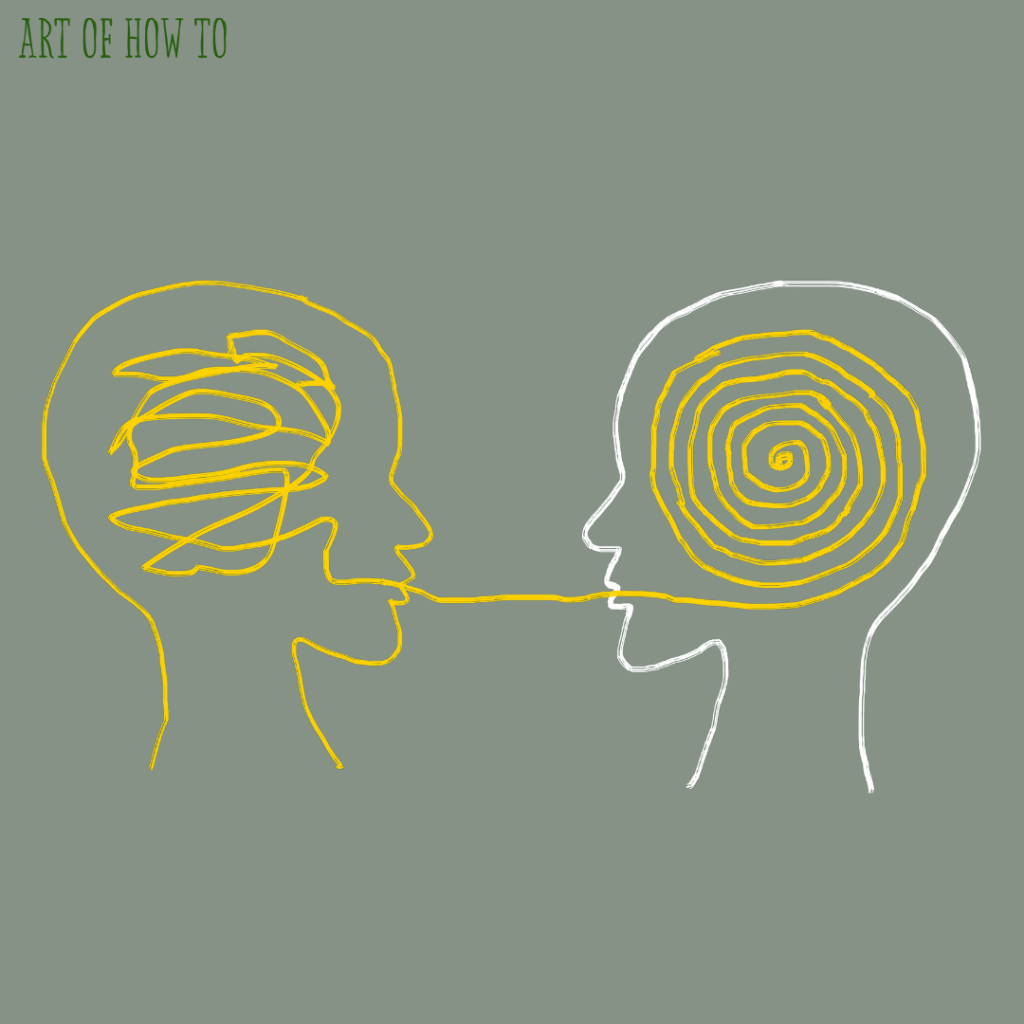







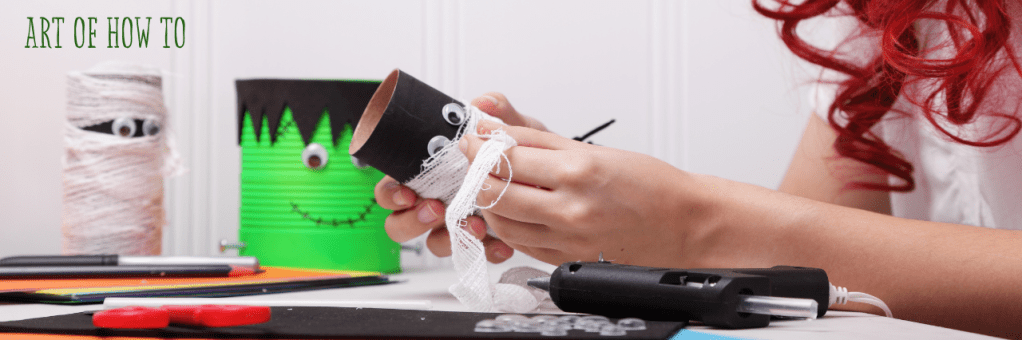

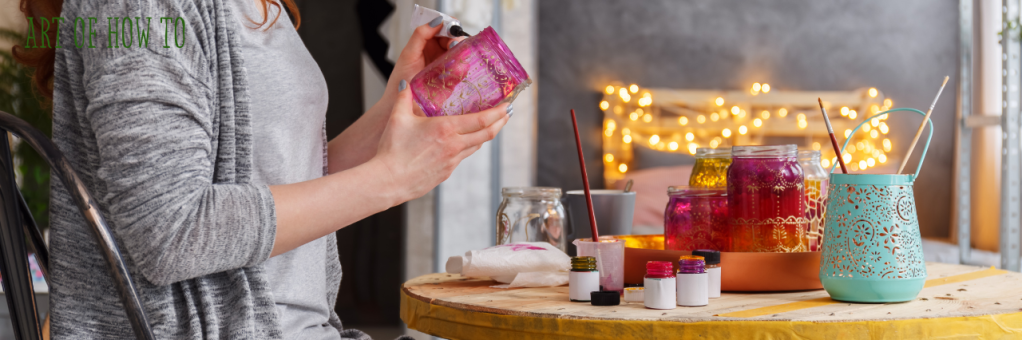




















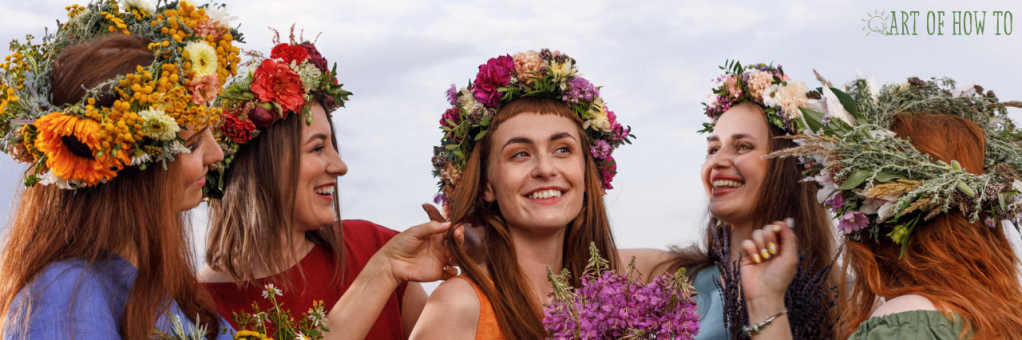








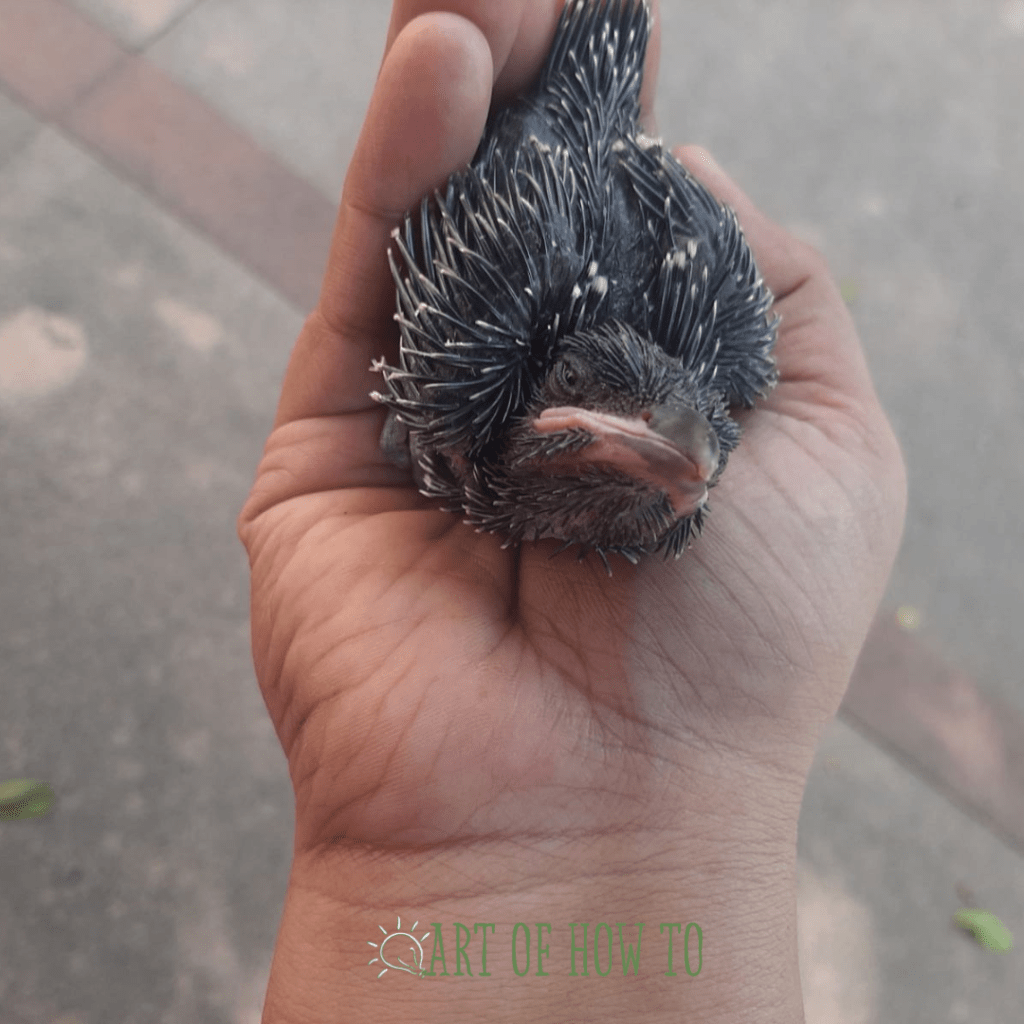
 Art of How To