Empathy In Classroom

Teachers and empathy. Teachers are a vital part of the educational system, responsible for nurturing the minds of the future. Tasked with educating and developing the child, including taking care of their emotional well-being. Therefore, it is paramount that teachers ought to have empathy. 

Empathy is the mastery of understanding and conveying the feelings of another. It is a fundamental skill for teachers to have, as it allows them to connect with their students on an emotional level. They can better understand their students’ feelings and challenges and provide support and guidance. Empathy also helps teachers create a safe, supportive learning environment for their kids. 

We have all been in classes where we either enjoyed the course or did not. And this was because some teachers made us feel confident, appreciated, and valued as students. And those are the same teachers we thank every day for allowing us to be ourselves and become who we are today!

By recognizing and responding to their students’ emotional needs, teachers can build trust and foster positive relationships. This will make students comfortable enough to take risks and be open to learning. Furthermore, empathy helps teachers be more adaptive to their student’s needs and learning styles. This adds to the previous paragraph. We are who we are today because a teacher believed we would someday change society, the world, or the universe. The last point is valid. Think of the scientists who put the Hubble telescope in space! Or the teachers who supported their students, and those very students made the Mars rover! 

They can better adjust their teaching strategies to meet the unique requirements of each student. It will help them to be more effective in helping students to reach their learning goals. Empathy also has a positive effect on student’s behaviour and academic performance. Students who feel understood and supported by their teachers. 

Here are five tips to help teachers have empathy for students

1. Get To Know Your Students

Take the time to get to know your students in person. Ask about their hobbies, interests, and goals. Knowing them in person means understanding them and getting a simple idea of their family and lives. All great movies about teachers who impacted their students are based solidly on this point.

2. Show You Care

Show your students you care about them by being patient and understanding. It is an attribute that cannot be faked. Youth today are well aware of who is nurturing and who is not. They respond very well to those who are understanding and patient. Sometimes you might think these kids are not listening to or paying attention to what you say. They might be acting up and being stubborn. It could be a cry out for help. Kids from troubled homes sometimes do not know how to react when someone genuinely cares for them.

3. Listen, Listen & Listen

Practice active listening when students speak, allowing them to express their feelings and perspectives. The devil is in the details, they say. Kids will open up to teachers they trust. Not at a topographic level, but more profound and more honest. That is because they see empathetic and kind teachers as trust ambassadors. They value the support they get and believe me. These kids do wonders. I know this because I live this and have been a student with some excellent teachers.

4. Acknowledge Each Student is Unique

Acknowledge each student's unique needs and abilities, and create an inclusive learning environment. This is a skill that very few teachers have. I say few because some teachers don't care for their students. I call them portions-driven teachers. And there are a few who are out there day in and day out, finding students that are diamonds in the rough and helping polish those gems.

5. Create Family & Teacher Partnership

Make an effort to understand each student's home and family life and create family-teacher partnerships. This is vital because a child's learning success lies in the league. The moment a child realizes that they will get support at home and school. Their interest level peak. Many brilliant children do not adhere to expected standards because normal does not challenge their intellect. Einstein is an example of this. 

Teachers should be a life-changing influencer for every child they come across. As they never know which child will change the world for the best! Be kind and let kids be.

Follow Augustus Stanley
Powerful Ways To Overcome Fear


Sometimes even time does not help us get over and get through fears. Sweaty palms, palpitations, heaving breath, blank mind, perpetual fear of the ever so tricky exams. Been there and done that. However, I got some certificates that say I beat it. Exam fear is no joke. I struggled with it when I was growing up. Exams were never fun or happily awaited. I dreaded the awful end-of-term exams. And in my case, we had three terms. Oh, the horror. Imagine, if you like, in a little less than 90 days, I had to relive that torturous routine, and boy, did I dislike them. But, my parents had a solution for my exam fever or fear, and it helped me as I grew.

So let’s first figure out why kids fear exams and get sick or want to have the earth swallow them.
I have been on both sides, so I will share what I have learned.

1. Parents put excess pressure on kids to be the next big educational wonder – Now it is not harmful to want what’s best for your child. However, it is wrong to impose what you think they should have or should do what you did not. Living your dreams or life fantasies through your kids can be dangerous for them. In a surprising study, kids these days go through the highest stress ever known to us. Imagine a 10-year-old having pressure. I mean, ten is when the kid should have fun. You know, sports, watching cartoons, living the life that only kids can.

2. Poorly taught classes – When a child is pushed to a corner to achieve something they are not aware of or prepared to do, they will buckle under pressure. Fight or flight becomes a reality. One that no child should face at a tender age, at least not in academics. The world is not very lovely, but it does not need to have poorly taught kids punished for what their teachers or education systems lack. 

3. Lack of interest – Some kids don’t like specific subjects. Period. I read somewhere many years ago that in some European countries, kids have fun and have no exams till class 5. They get to have no curriculum; they are allowed to play and chill out. They attend school, but it is more to help them have child-sized fun and enable them to acclimate to using social skills in group settings. I have a hard time seeing kids break their backs carrying bags that will make a bodybuilder blush. 

Education is necessary but should not be a hassle for the little ones.

What are the remedies?

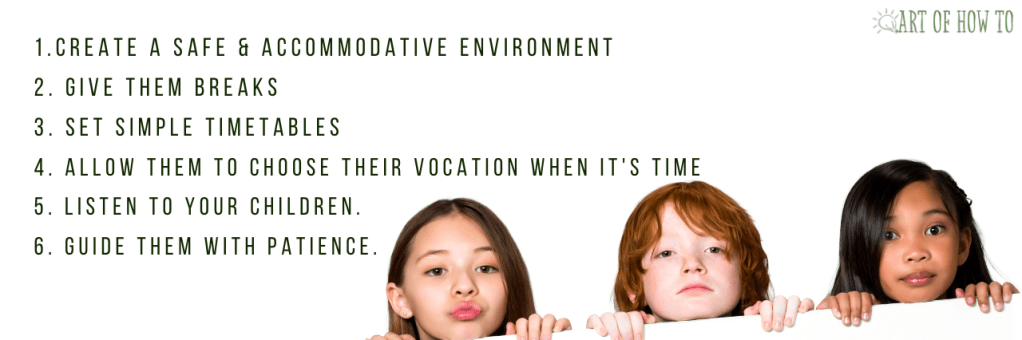
1. Create a safe and accommodative environment for the child at home to study and prepare. One with no judgment and full-on support, either with the parents being involved or tutors to guide the children where needed. 

2. Give them breaks as often as possible. Timeouts help keep them focused.

3. Set simple timetables.

4. Allow them to choose their vocation when it’s time. It is common for an art graduate to run a company just as good as an IIM graduate. Also, we all know a few school drop out who run multi-million dollar businesses. 

5. Listen to your children when they need you the most.

6. Guide them with patience and an eye for their best interests.

Exams are tools to test a child’s learning and not define the child’s intelligence. Some kids aren’t built to suit a system that does not work for their intelligence. Do not try to fit them in a box that life will later ask them to think out of. Grades will come and go or improve, should not damage a child’s mental well-being in getting them an education while equipping them for life.

Trust them, listen to them, guide them, and love them. Your child will surprise you with achievements you never knew existed! 

Follow Augustus Stanley

Friends, How They Influence Kids

What is friendship in a kid’s life? I bet you can name your first friend without missing a beat! Not just any friend but the very first one. If you can’t, it’s OK to take a moment and think back. Take a simple stroll back in time, and you will suddenly remember that friend as you walk through events and timelines. So what was it about this friend that seemed unique or stood out? I am sure you fondly remember the adventures, escapades, great fun, and everything between those times. 

Whatever your age, I am sure you have always had the few you could always count on that were not your immediate family. Instead, you are blessed with what we know as friends who become family! 

Kids have a simple formula to make friends. They seek those that match their wavelength and bond. As tiny tots, they don’t have hidden agendas to make or have friends. They know that so and so is my friend and if you ask them why the most probable answer is “simply because!” So before judging these innocent souls, remember you once were just like them. 

As I write this, I realize I have lost some of these friends along life’s journey. Strangely, we were supposed to be BBFs (Best Friends Forever). Somehow, those friends are now nothing but a whisp of a memory. But one thing is sure. The lessons I learned being around them helped me make better friends and forge better relationships as I progressed in life.

“Show me your friends, and I will tell you who you are,” ever heard this line? This world has much more good than we care to admit. I say this simply because I have some of the best friends in the world. I also say this because I know they (these friends) and I would give our lives for each other. I have known several of them for many years now. 

What would a child need to make or have this kind of quality friends?

1. Communication 

Yup, children need it too. Teaching a child to talk to and be with others their age helps. This is also vital as the child interacts with others. It helps them continue to sharpen this elementary and yet essential skill.

2. Networking Skills 101

From saying hi, being friendly, thanking, and sharing, all add up to networking crafts. This works for grown-ups too! Try it! Have you noticed how well children make friends? That is because it is built into their DNA. Humans, I have read this somewhere, are social animals. Which means we were not built to live in isolation.

3. To have a friend, you got to be a friend

This is an addition to the previous point. Teaching your child to be compassionate and empathetic helps them make friends, stand up for each other, and use their simple yet non-judgemental approach. Kids make friends for life or at least better than most grown-ups. 


It is also essential to keep track of how your child is behaving. They learn a lot by observing and are still in the process of finding themselves. In their younger years, you have nothing to worry about. They are just chilling with their clique. As they grow older, they keep track of what’s going on in their lives. You do not want to wake up one day to a strange teenager in your kitchen eating all your food and running wild. You knew one as a sweet child, but it has changed due to neglectful parenting. As a parent, you must know who your child is connected with or hangs out with. Remember, the child is not trying to rebel or prove a point at a young age. 

However, as they grow, you will need to be sure they are running in the right groups or hanging out with a good crowd. Do not ever take it easy and then blame your child, later on, saying, “I did not want to interfere.” Also, please do just what is necessary. Know their friends and keep an eye as a loving parent should. Have the friends come over for a game day, for a meal, and if possible, get their parents over just for a get-to-know-you meeting/ meal/ tea. Whatever you do for your child’s safety, do it from a space of love, concern, and care. And do this FROM A DISTANCE. Then, your child will be just fine.

Follow Augustus Stanley

Chores At Home


Here’s a thought for the weekend. ‘What must-do tasks should every household aim for kids to do?’

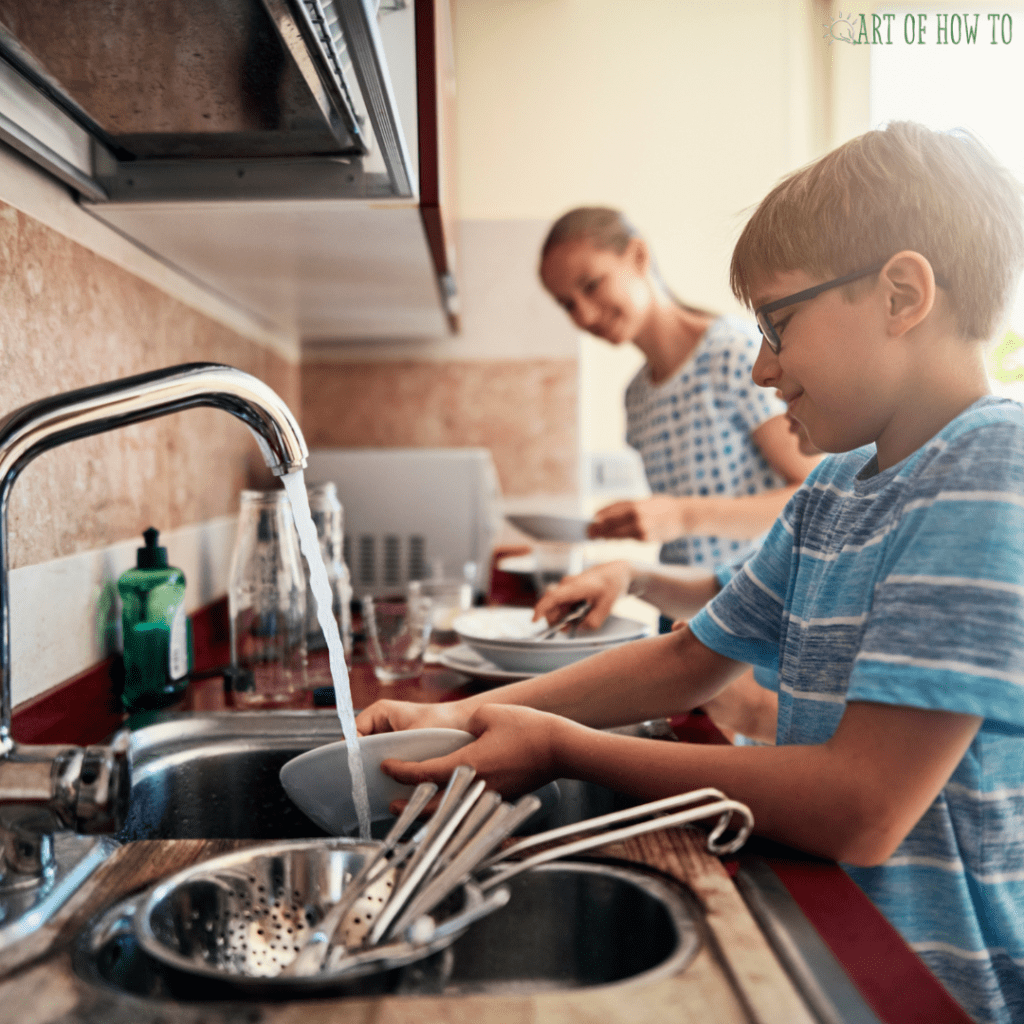
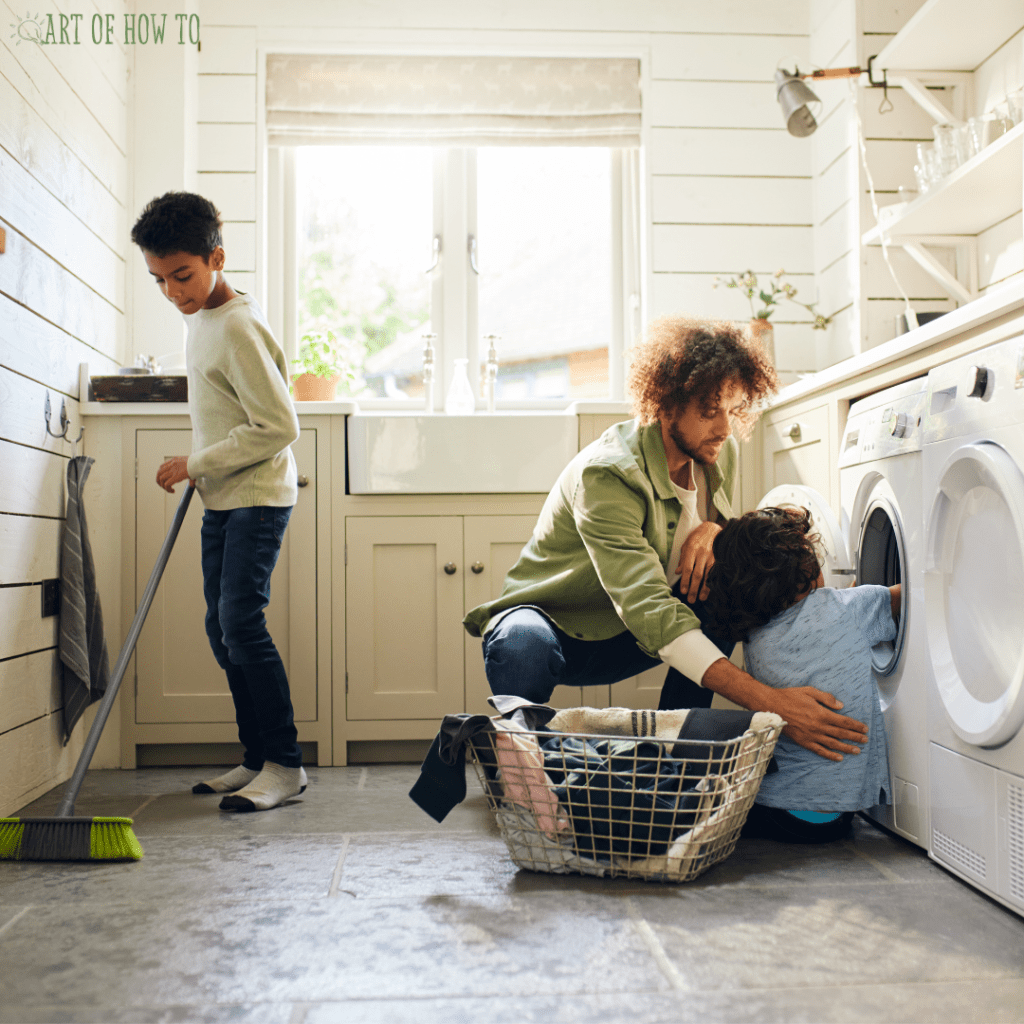
We all have had or still have chores to be done at home. Unless we have help at home. At some point, we had to clean and arrange something at home. Sometimes even cooking or meal prep had to be done. Some of us love doing them sometimes, and others dislike doing chores.

That said, it is essential to teach children to be self-dependent. One of the ways to do this is to instill in them a sense of responsibility and accountability from a young age. Now you can have them as demanding tasks and make them as dull and life-sucking as you can. OR….. You can make it amusing and inclusive. Making anything into an adventure or fun for kids has fantastic, immediate, and long-term results.

Setting up our little stars to become chore champions

A mentor taught me a long time ago always break down my to-do list into sizeable nuggets, get those you are happy to, or most likely to, finish fast out first. Then go for the rest of the ones I find challenging or mundane and boring so that you can treat yourself to easy tasks later. Take the same approach to give chores to your young ones. Start them off on the easy duties. And slowly help them skill up. Whatever the undertaking, please ensure it has some fun or reward element added to encourage the child to engage in the process. Also, doing chores should not be seen by the child as a form of punishment or a way to keep the child from having some child-sized fun. 

Classifying tasks by child’s age and capabilities 

That is the easiest part! Yes, it is true. Pick a task, any task. Think of your child and their current ability to carry out that chore. And voila! You have your answer. Please, and I repeat this, do not give your kids assignments that are hard for them to do at their current age or capability. It will make them hate or dislike doing chores. Growing up, my parents started by making us do tasks in old school style. But one visit from a family friend who lived in Canada and kaboom. Before you knew it, my brother and I became chore champions. My parents went all guns blazing on setting up a chore chart and a reward system. Guess what? It was fun. My brother and I had fun doing chores. We also got some form of reward, and as we grew, this turned into pocket money. Very useful for two kids with big plans, LOL. But it did work.

Here is a list of everyday chores, and I encourage you to set them and segregate them based on your child’s age and handling capacity. 


1. Taking out the trash

2. Making their bed

3. Helping set the table at meal times

4. Help mum or dad make packed meals when needed

5. Mowing the lawn

6. Watering plants in the home garden

7. Taking care of their pets

8. Cleaning their room or study spaces after use

9. Putting their toys away

10. Cleaning up after meals

11. Washing dishes after each meal and keeping them back in its place after finishing each meal when at home

12. Washing the family car

13. Helping mum or dad with the laundry

14. Folding clothes and keeping the wardrobe neat.

The list can go on and on. These are a few examples that I could think of, but there are many more. Now, if you look at what I have listed, you will see most of them can be done by children between the ages of 5 to 18. Why did I say five and not 4? Because you start teaching them from 18 months and keep at it till they are five years old. As mentioned, ensure the chores have a light-sided approach but with a life-skill type of learning. Children learn and grow to become what their parents prepare them. Teach them reasonably. They will turn out well!

Follow Augustus Stanley

Building Routine With Kids


Routines… Sounds complicated. Yet, once set, it’s simple. Help kids feel secure, grow life skills, and accomplish healthy practices. Patterns help parents feel ordered, and it also relieves pressure. So what can parents do to make this a wholesome and fun experience for their young ones?

Repetition of certain activities continuously and constantly help us build a routine. It is a fact. As a grown-up, you have a system. You have a pattern of doing things. For example, close your eyes for a minute and think this through. ‘I wake up, and then I ____,’ fill in the blank with the activities you do till you reach your workplace. 

Excellent! While you thought about this and were recounting or tracing your steps, did you realize there was or is a method to that madness? A structured approach or a systematic plan to get those things done in a specific order. Many of those, by now, is second nature. Most of which were taught to you by your parents or mentors. Routine, unlike a schedule, means a flow of activities in a sequence, while a schedule will pin this down to a set time for an activity.

The same is valid for children. Help a child build a routine, and you will have a child who can function independently. Well, at least when the child is old enough to do their tasks with zero supervision! An ancient Chinese proverb says, ‘give a man a fish; they will eat for a day. Teach a man to fish, and they will eat for a lifetime.’

Let’s take this as literally as it is and apply some of that to building routines for our children. Habits are formed by repetitive action. A 2009 study by European Journal of Social Psychology showed that it takes anywhere from 18 days to 254 days to form a habit. That’s why the greats follow specific routines, and all put on repeat day in and day out. That ensures they know what systems or structures will help them build their success stories. It never is an overnight success. Follow a routine that matches your need; for example, when your child is very young, you might want to base your routine around the baby’s needs. Things like feeding times, bath time, nap time, playtime, and a little fresh air will revolve around the little one’s timing. Usually referred to as attachment parenting or baby-led parenting. And essential in the early years of your child’s life. 

The second form of routine will change as your little one grows up. Here the routine will now revolve around the parents’ schedule. So, technically, meal times, outings, waking up, etc., will now focus more on the need of the parent to give their child/ children the much-needed time and attention in the best way they can.

So how do you create a routine that will work for your family?

1. Plan 

First, you will need to analyze your day and a typical week. Then, consider which family member needs to do what during that day or week. For example, how many meals are required at home, work, or school? Who will clean the dishes or do the chores at home? Are there any extracurricular activities for the children? Do you, as parents, have date nights or child-free time to yourself? Considering all this will help you create a chronological list of who needs support or help at what task. Remember, while trying to get our children to build or follow routines, it is crucial to lead by example. Face it. We are our children’s superheroes. What we do, they do too!

2. Prioritize

Next, think about the priorities from that list you made. Define the ones that are non-negotiable and must be done daily. Once you have a precise list (Yes, write this down, too), you can create an easy-to-follow routine. Have the children pitch in and make it more of an adventure/ discovery activity rather than a tedious chore or to-do task. Now for a pattern to fall in place, you will need a schedule in the starting phase. That helps you get used to how things are done and in which order. As mentioned, some things will have a specific time to be done, such as getting ready for school or work. And some will be flexible, like playtime or picking up their toys. Maybe even sleep time on weekends.

3. Pilot 

Next comes the litmus test. No routine, schedule, or plan is foolproof. A test run or trial period is mandatory. It will help you smooth out any crinkles in the plan. Do this for a week or fortnight. Create a snarliest of sorts – iron out the crinkles. Then stick to the routine. And as you get better at it, make sure to revise the process as you refine the flow of the practice. Repeat the process until you and the children know it, like the back of your hand. Have fun, as mentioned earlier. You could create a chart. Write down all the actionable for the day. Track completed tasks by giving each other stars for a good job done. Allow the kids to earn brownie points for chores, even if they are small and manageable. Reward and recognition work wonders, especially during the learning process.

4. Practice

After your litmus test of sorts, here comes the all-important part while teaching your children to set and follow routines and set expectations for them. And while doing this, do not set them up for failure. Set them up to achieve success by giving easy tasks first and slowly making them complex. They were patient, loving, nurturing, and an accurate guide to your young ones. Show them grace if they fail. After all, tomorrow will be a new day, and they can try again! Most of all are flexible with the children as they learn. 

Remember, this is a routine, not a schedule. If it does not go as planned, no dramas. Re-evaluate, re-plan, and re-do the activity or task. Make it as fun as possible. And watch your little ones glow as they grow!

Follow Augustus Stanley

Building Confidence In Kids


Attention Parents.!!! Does the question “How to create confidence in my child?” worry you? Let me tell you the steps to be taken if it does bother you. Building confidence in children helps them to feel good about themselves, make friends, focus on their strengths, take on harsh criticism, and more. Children with healthy self-esteem will flourish. I would like you to read that again and add the word my child at the beginning. ‘My child with healthy self-esteem will flourish.’ Confidence and self-esteem in children sprout from what we, as their parents or caregivers or guardians, nurture them with.

Today’s children are pushed to develop complex life skills very young. However, please note all the intellectual abilities in the world are of little to no value without the self-esteem or confidence to put them to good use. Therefore, as parents, guardians, or guides, we must prioritize building healthy self-esteem and confidence. Nurturing and reinforcing confidence and self-esteem in our children evolves as our daily tasks. Our children or ward’s futures depend on it.

First, we must recognize that thoughts and beliefs affect our self-esteem. Experiences reinforce the positive or negative impact. This allows you to change the way you see or portray yourself. This will help you understand your value as a person. So as your self-esteem increases, so do your confidence, which directly impacts your sense of well-being!

Here are a few tips to help you support your kid’s journey to confidence and self-esteem.

1. Modelling confidence in kids and yourself

Allow the child to confide in you. Be their trust ambassador. Keep encouraging them and tell them they have a tower of refuge in you. Make sure you are there for them in all situations and circumstances. Being available is paramount. As an adult, your insecurities or confidence will transfer to your child as quickly as breathing. Children are like sponges. They absorb anything and everything their little eyes see, ears hear, or mind conceives. So, for instance, simple habits like nail biting can be transferred unknowingly to a child. 

2. It’s ok for kids to make mistakes.

If you are not making mistakes, you are not doing it right. You have to agree that this is a clear point. Everyone will make mistakes, and everyone should learn from them. Since we all know that we are human, we should also agree that we are bound to make mistakes. What is important is how we teach our children to react to making these mistakes. Take it too seriously, and we have a problem. Taking it too light and we still have a problem. Create a safe space and no judgemental environment. Most importantly, never compare kids to any other kid. 

3. Give them a chance to try their hands at new things.

Kids learn things so fast it will surprise you. For example, I read somewhere that speaking to your child in two languages helps them build not just their love for languages but also helps improve their IQs. Also, children love to learn things that allow them to explore and develop:

  1. Hint puzzles and building block games like lego, duple, etc.
  2. If your kid requests an instrument, allow them to explore their interest. This will enable them to take it up as a hobby and not a profession.
  3. Help them find their passion.

It will go a long way in letting them gain confidence in themselves.

4. Please remember to let kids be kids.

A little fun and tons of encouragement for them to let their hair down and catch a break is the most fantastic feeling a child will experience. It is crucial to allow them to play, waste time, and have time to themselves. It is also essential to keep them from running wild too. However, that said, please let them enjoy their childhood. They will grow up one day. Let them grow up as confident adults as they have you (their most prominent supporters and fans at their side for later in life.)

5. Praise their resilience and any effort they make.

Something that will go a long way in helping your child grow into a confident young adult. In a world that seeks ease and comfort and is becoming lazy. Give your child the much-needed encouragement even if they try more than once to do anything. Failure is never final unless we give up. Think of Edison and his 9,999 attempts to get a light bulb to work. Had he given up, could you imagine what would have happened? I know it’s an exaggeration, but the world would not have been the same. So when kids are determined to do better, give them that support and stand by them. The results might shock you. 

6. Please offer unconditional love and kindness to them.

The world has enough haters and sadists: mean people and those who are bitter. Give your children unconditional love. Shows them immense kindness. Remind them that they are very precious to you. This not only allows them to venture out as confident young people but will also give them a chance or realize home is their haven. Their safe space. Your kindness and unconditional love will help them when they are in a tough spot. Moral support is precious. Give them that always. 

Confidence in children is always built by how we bring them up. Invest the right amount in them, and you will have independent children who thrive in any setting life throws at them. 

Follow Augustus Stanley

Education And Positive Parenting

Education is a fundamental human right. An essential measure that can empower many individuals to live a life filled with hopes, dreams, and pursuits. For some, it paves a path to earn, engage and prevail; for some, education assists in making earnings and a living. Through education, one can live life to its most significant potential. Therefore, the right to education is every individual’s fundamental need or demand.

Educational challenges have existed for many years around the world. However, for us to grow as a nation and a people, everyone must take this opportunity to learn and have a chance at a better life. For some Parents, it is without a doubt that their children will go to school and earn relevant credentials. However, for some, the choice between educating a child and having food or making the child support the family is a harsh actuality. There are government-aided schools that educate children for free, and this allows all children to get a prospect of proper education. While every child is the nation’s future, we must ensure all of them get a fair chance at an education. 

A good institution will light a passion for your child that will help them become successful professionals in any field of their interest. Knowing the rights of your child to get an education as a parent must be second nature. Seeking admission at the right time and the right age is required. However, research in finding a good institution with the proper support for your child’s learning needs is key to their success in learning.

As a parent, there is much to ponder before aiding a child’s education. First, one must consider the education cost of the type of institution and the faculty. Can the school offer individual attention? Are they trained to handle your child’s learning needs? Will the curriculum make or break the child? What sort of Extra-Curricular activities are offered? Do they get exposure to the real world? Do they give importance to Sport Education and fitness? How important is it for the school you enroll your child in? Finally, most importantly, will the kid like and fit in the institution just as much as the institution suits the child? Supporting your child during their education is important. Also, as a parent, it is also binding for you to be involved in all aspects of your child’s life. 

7 Positive Parenting Tips

1. Be a role model for your child. 
Help them have a positive attitude to learning and help them understand that you are there for them when the going gets tough.
2. Learn together 
This gives your child the confidence to keep learning and becomes a good bonding activity. Another important aspect of studying together will help you know exactly what your child is learning and give you the ability to guide your child or check back with the teacher.
3. Oversee the child's activity 
This is essential to your child's educational progress. It is also central that you do not become their monitor. Overseeing the child's training is the action where you, as a parent, check to ensure homework is being done and follow up on the days learning. Help with home projects. Equip them for tests. Remind them that grades, while important, do not define them.
4. No over-scheduling 
While overseeing the child's or children's activities, do not fall into the trap of over-scheduling. Instead, allow your child to have some downtime. Give them a chance to play, chill out and even maybe take a break at some point in the day. Over-scheduling will bring out stress and overburden your child.
5. Provide a pleasant atmosphere
Build a good learning atmosphere for your child. Allow them to enjoy learning and grow in their knowledge. Giving them a friendly atmosphere encourages the child to learn.
6. Give constructive criticism 
And help the child learn while understanding where they need to make changes for the better.
7. Allow them to have a memory-filled childhood, not a task-filled study life. 
Take vacations away from the mundane everyday spots. Something like a beach holiday or a hill station visit can do wonders. Also, allow the children to be children. It never hurt anyone for the little ones to goof about once in a while. That is where creativity is born!

These are a few facts to ensure your child gets your support. A nation will move forward as its youth are empowered and enabled or prepared to take on the future.