
Vincent van Gogh was indeed an exceptional artist who made a profound impact on the art world. While it’s subjective to determine the “top” paintings. As for why Van Gogh is considered one of the most amazing artists ever to live, several factors contributed to his acclaim. These factors, combined with Van Gogh’s prolific body of work and enduring legacy, contribute to the widespread acknowledgment of his greatness as an artist.
- Innovative Style:
Van Gogh developed a distinct style characterized by bold brushwork, vibrant colors, and expressive techniques. His unique approach paved the way for later art movements and influenced generations of artists. - Emotional Depth:
Van Gogh’s paintings convey a profound emotional intensity, reflecting his struggles and experiences. His ability to evoke powerful emotions through his art resonates with viewers on a deeply human level. - Symbolic Language:
Van Gogh often used symbolism in his artwork to convey deeper meanings and explore universal themes. Using color, composition, and subject matter, he infused his paintings with rich symbolism that invites interpretation and contemplation. - Influence on Modern Art:
Van Gogh’s work significantly impacted modern art’s development. His innovative techniques and expressive style inspired numerous artists who followed, making him a crucial figure in art history. - Posthumous Recognition:
Although Van Gogh faced difficulties and setbacks during his lifetime, his talent and artistic vision were eventually recognized and celebrated after his death. His paintings are now among the most valuable and sought-after in the world.
7 celebrated Van Gogh artworks

“Starry Night” (1889)
This iconic painting depicts a night sky swirling with stars and vivid colours. Its dramatic and emotional portrayal showcases Van Gogh’s unique style and ability to convey deep feelings through his brushwork.
“The Potato Eaters” (1885)
This early masterpiece demonstrates Van Gogh’s commitment to portraying the lives of ordinary people. The somber tones and realistic portrayal of peasant life reflect his empathy and desire to capture the human condition.


“Sunflowers” series (1888-1889)
Van Gogh’s sunflower paintings showcase his exceptional use of color and texture. The vibrant yellow hues and dynamic brushstrokes represent his fascination with the natural world and his pursuit of capturing its essence.
“Irises” (1889)
This painting exemplifies Van Gogh’s ability to infuse nature with his unique vision. The vibrant blue and purple irises against a contrasting background display his mastery of colour and his skill in conveying emotion through his art.


“Café Terrace at Night” (1888)
Van Gogh depicted a vibrant café scene at night in this painting. The warm and inviting atmosphere, the dynamic composition, and the use of complementary colours showcase his ability to capture a sense of energy and life.
“Self-Portrait with Bandaged Ear” (1889)
This self-portrait reflects Van Gogh’s struggles with mental health and the intensity with which he approached his art. The expressive brushwork and vivid colours convey his inner turmoil and emotional state during a challenging period of his life.


“The Starry Night Over the Rhône” (1888)
This nocturnal scene captures the reflection of stars on the Rhône River. Van Gogh’s swirling brushstrokes and intense colors create a dreamlike and enchanting atmosphere, showcasing his unique artistic vision.
——
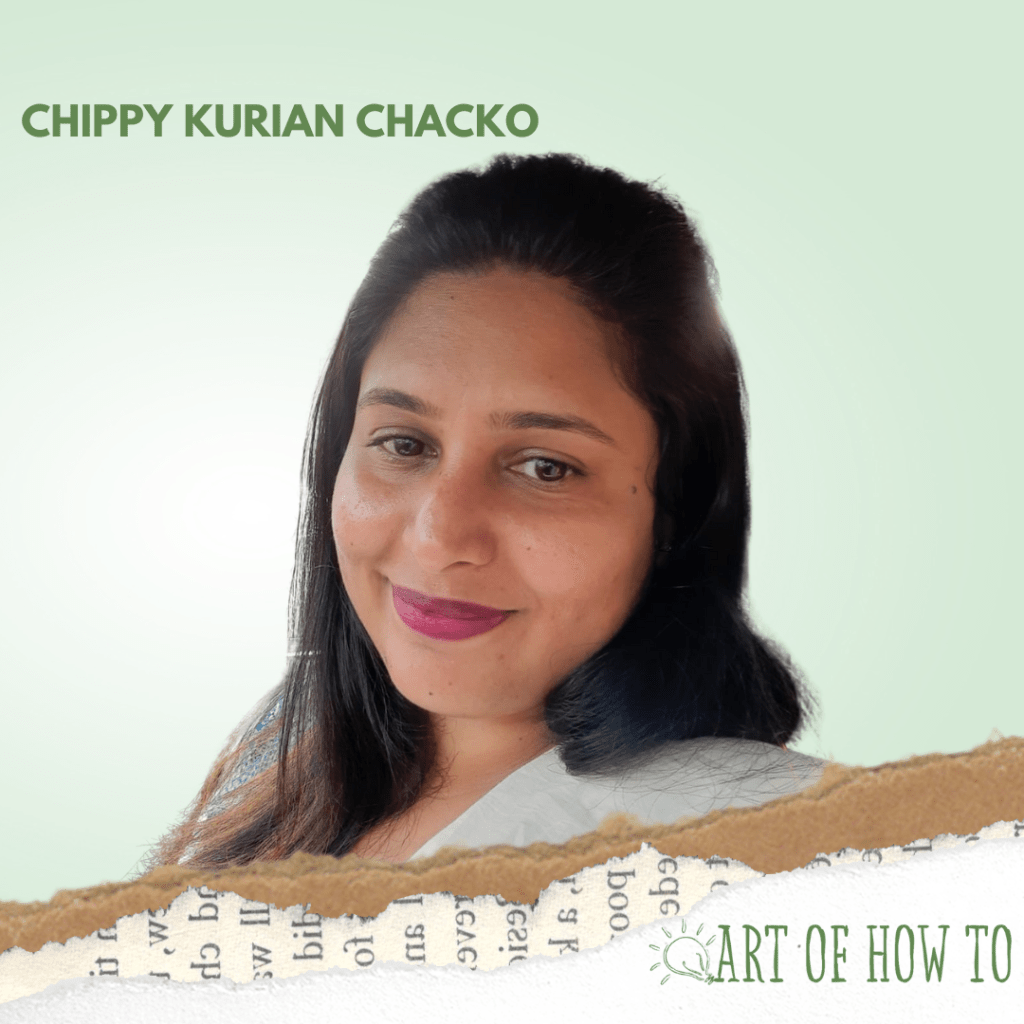
Chippy is a dreamer and optimist. She believes, we become what we hope, aspire, dream to be and knows how to make a dream or two happen. Seventeen years of experience, struggling, winning, failing, succeeding and failing again and making it, she knows what it takes to build a successful project, a business, and what it means by starting from the bottom up. It takes determination, dedication, and direction and that’s why her mission is to ‘step up & inspire.’
Follow Art Of How To
Facebook
Instagram
Twitter
LinkedIn
 Art of How To