
Kindness is generally considered a positive and desirable trait, and it plays an important role in fostering positive social interactions and building strong relationships. While it may be argued that kindness is sometimes overemphasised or romanticised, it is not inherently overrated. However, it is essential to acknowledge that the perception of kindness can vary based on different perspectives and contexts.
While kindness should be valued and encouraged as a fundamental aspect of human interaction, it is crucial to recognize that it should not be the sole factor determining the worth or quality of a person. Balance and discernment are also necessary to ensure that kindness is applied appropriately in different situations and not taken advantage of by others.
Why some people might consider kindness to be overrated?
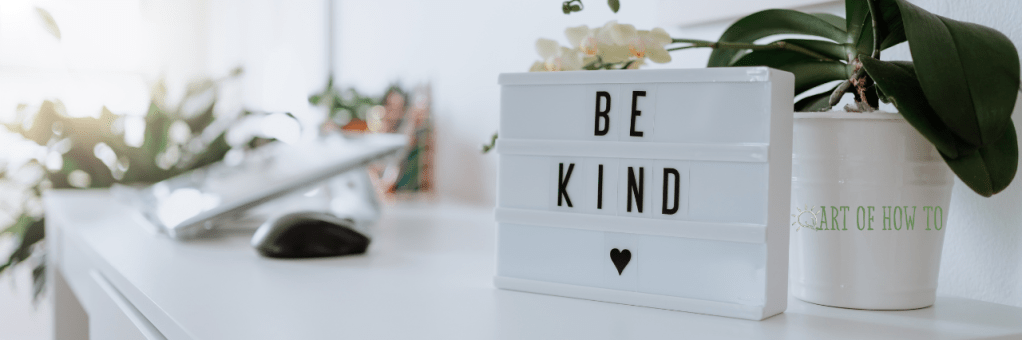
- Exploitation: In certain situations, individuals who consistently display kindness may be taken advantage of by others manipulating their good intentions for personal gain. This can lead to frustration or disappointment and may cause some individuals to view kindness as ineffective or overrated.
- Superficiality: Kindness that is merely performative or insincere can be disingenuous. In a world where people are often encouraged to be polite or kind in public but may not genuinely care about others, this superficial kindness can be seen as hollow or lacking depth.
- Contextual Considerations: There are instances where kindness may not be the most effective or appropriate response. For example, prioritizing kindness alone may not lead to the best outcomes in situations requiring tough decisions or dealing with individuals who consistently engage in harmful behaviour.
- Individual Preferences: People have varying perspectives on what they value in their interactions and relationships. Some individuals may prioritize qualities like assertiveness, intelligence, or independence over kindness. Consequently, they may perceive kindness as less important or overrated.
While it is important to maintain a kind and compassionate demeanour, it is also essential to develop a sense of boundaries and self-awareness to avoid being exploited.

where your kind nature may make you vulnerable
7 strategies to help navigate situations
- Set clear boundaries: Establishing personal boundaries is crucial to protect yourself from being taken advantage of. Understand your limits and communicate them assertively and respectfully. Learn to say “no” when necessary and prioritize your well-being.
- Develop discernment: Be mindful of people’s intentions and actions. Pay attention to behaviour patterns and assess whether individuals genuinely appreciate your kindness or if they consistently exploit it. Recognize red flags and trust your instincts.
- Consider reciprocity: Kindness should ideally be a two-way street. Be aware of whether your relationships and interactions are mutually beneficial and reciprocal. If you consistently give without receiving any form of respect, support, or appreciation in return, it may be a sign of exploitation.
- Practice self-care: Prioritize self-care and meet your needs before attending to others. Engage in activities that replenish your energy and well-being. Taking care of yourself physically, emotionally, and mentally will help you maintain a healthy balance and prevent burnout.
- Seek support and advice: Surround yourself with trustworthy and supportive individuals who can offer guidance and help you navigate challenging situations. Discuss your concerns with them and seek their perspective on protecting yourself from exploitation while maintaining your kind nature.
- Enhance assertiveness: Develop effective techniques to express your thoughts, feelings, and needs. Learn how to say “no” politely but firmly and practice assertive communication to assert your boundaries without being aggressive or passive.
- Learn from past experiences: Reflect on instances where you felt exploited or taken advantage of due to your kindness. Identify patterns and learn from those experiences to improve your ability to recognize similar situations in the future.
Remember, being kind is a valuable quality, but it should not come at the expense of your well-being. Finding the right balance between kindness and self-protection is key to maintaining healthy relationships and interactions.
——

Chippy is a dreamer and optimist. She believes, we become what we hope, aspire, dream to be and knows how to make a dream or two happen. Seventeen years of experience, struggling, winning, failing, succeeding and failing again and making it, she knows what it takes to build a successful project, a business, and what it means by starting from the bottom up. It takes determination, dedication, and direction and that’s why her mission is to ‘step up & inspire.’
Follow Art Of How To
Facebook
Instagram
Twitter
LinkedIn
 Art of How To